Alphabet Recognition Alphabet Worksheets for Ages 6-7 - Page 3
57 filtered results
-
From - To
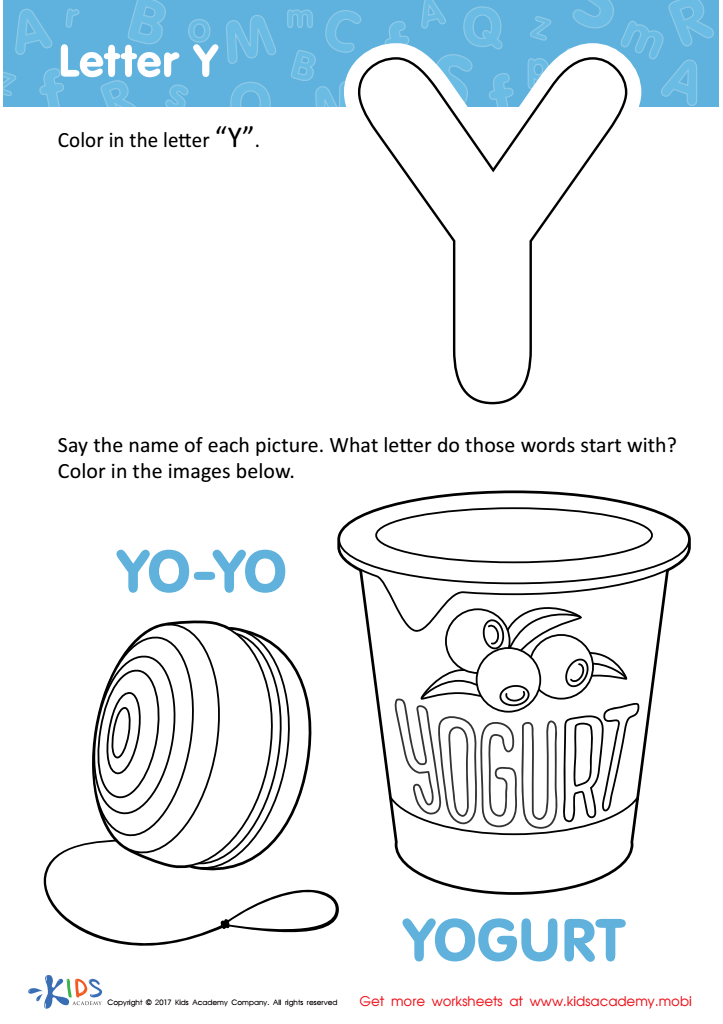
Letter Y Coloring Sheet
 Assign to My Students
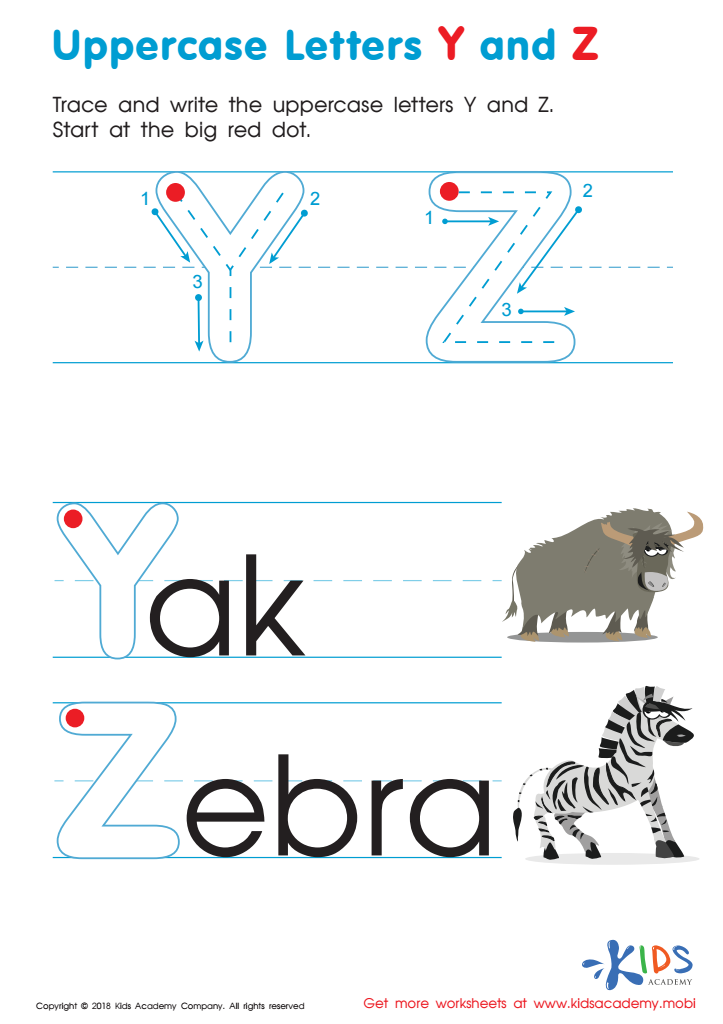
Uppercase Letters Y Z Worksheet
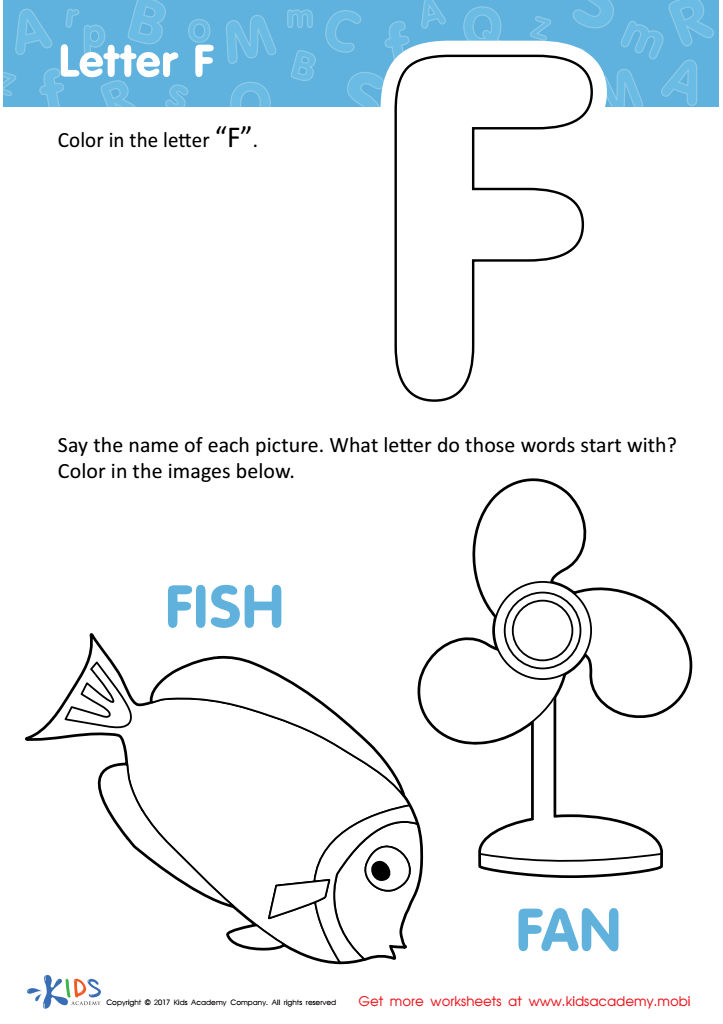
Letter F Coloring Sheet
Assign to My Students
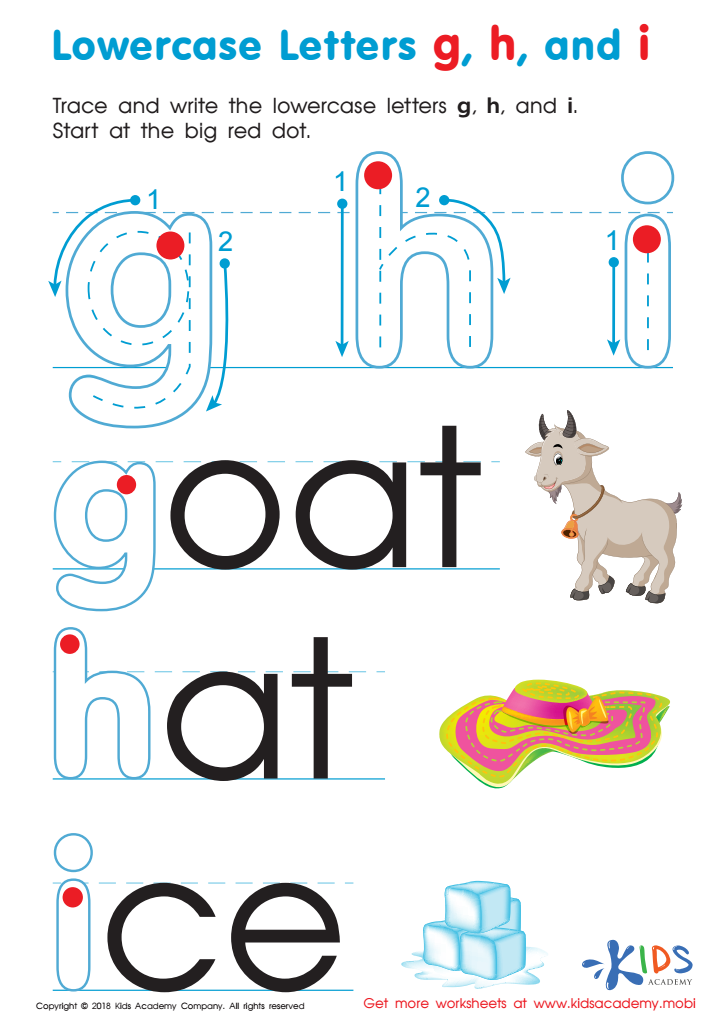
Lowercase Letters g h i Worksheet
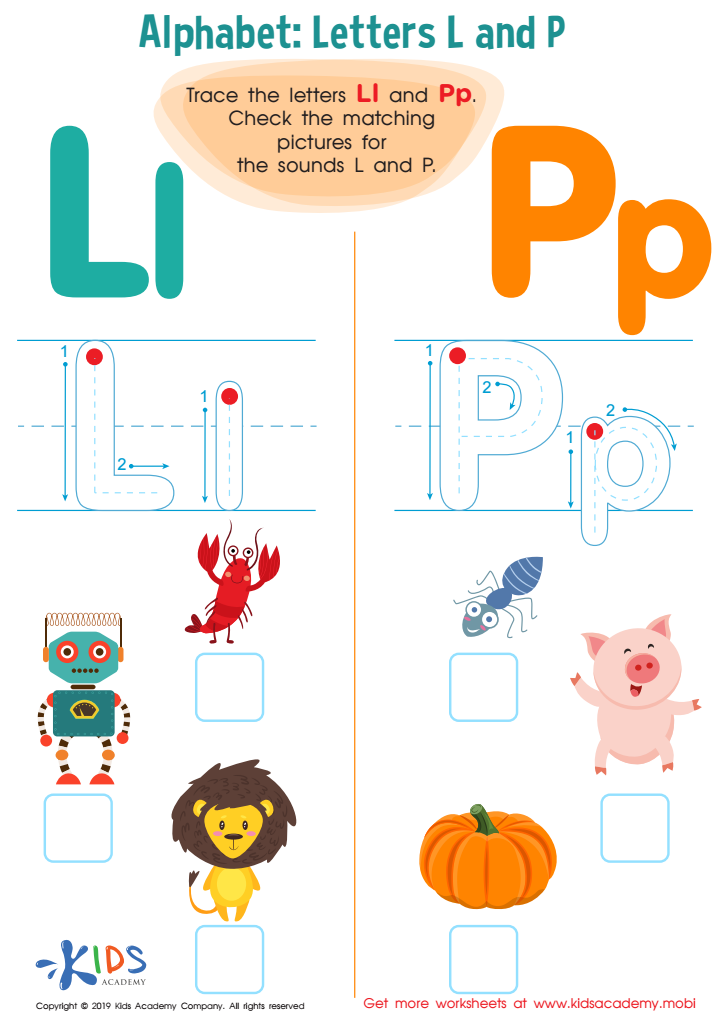
Letter L and P Tracing Worksheet
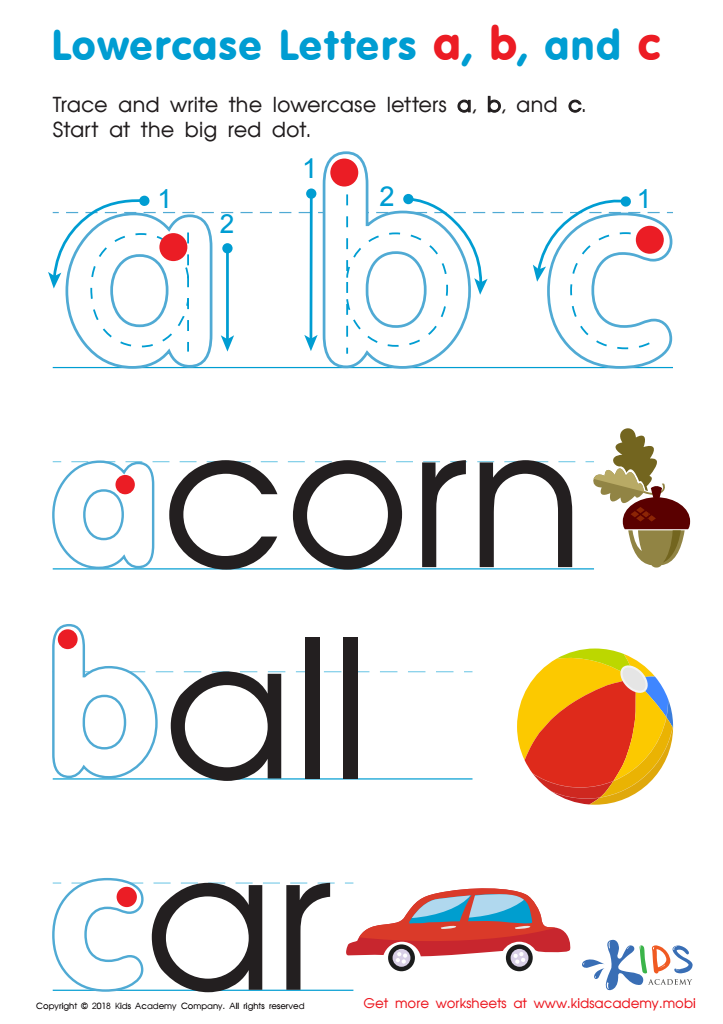
Lowercase Letters a b c Worksheet
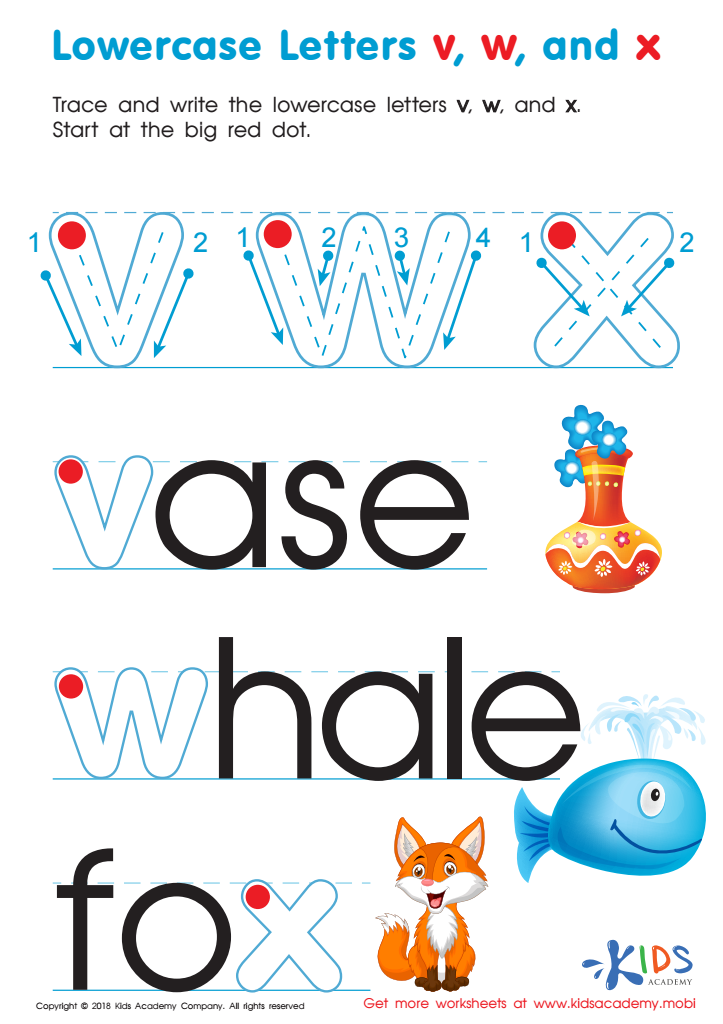
Lowercase Letters v w x Worksheet
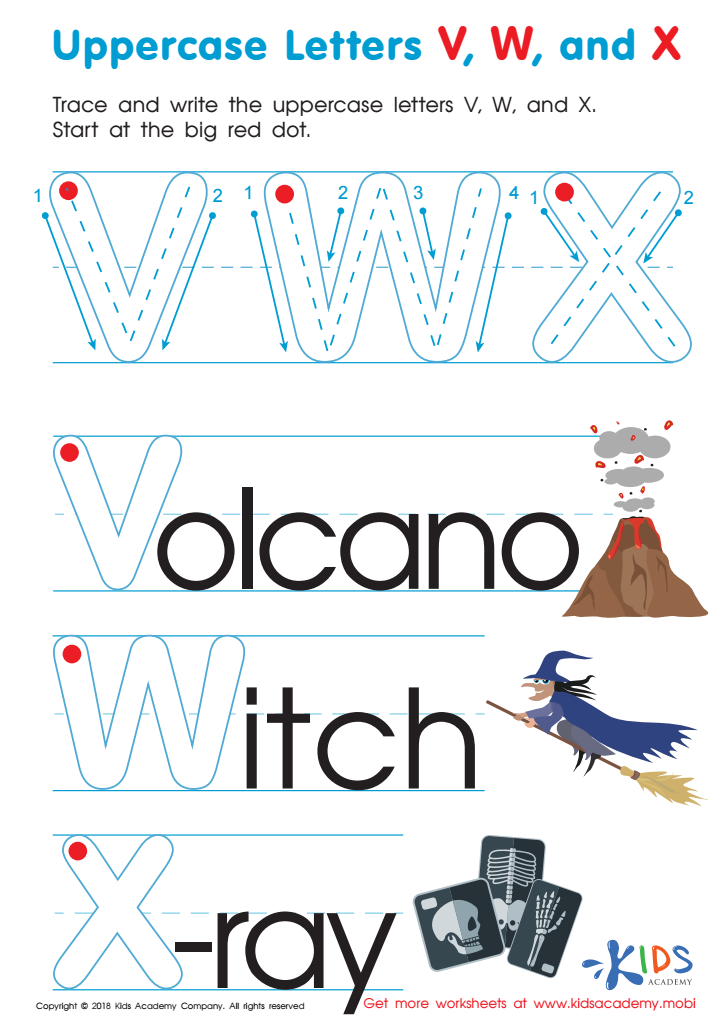
Uppercase Letters V, W, and X Worksheet
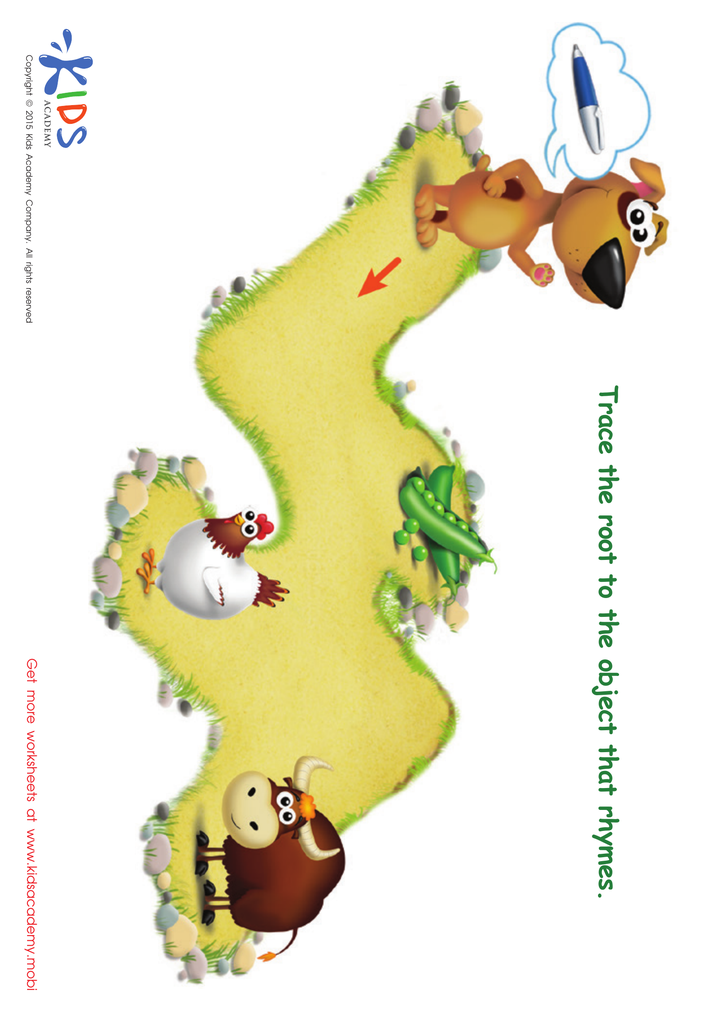
Pen Rhyming Words Worksheet







Alphabet recognition is a fundamental skill for children ages 6-7, forming the building blocks for literacy development. Parents and teachers should prioritize this skill because it significantly impacts a child's ability to read, write, and communicate effectively. At this age, children are typically transitioning from learning letters to forming words and sentences. Mastering the alphabet aids in phonemic awareness, helping children understand the sounds letters represent, which is crucial for reading fluency.
Additionally, strong alphabet recognition paves the way for increased confidence in academic settings. Children who can easily identify letters are more likely to engage in reading activities, participate in discussions, and explore language creatively. This skill also supports other areas of learning, including math and science, as literacy is essential for understanding instructions and problem-solving scenarios.
Moreover, when parents and teachers work together to reinforce alphabet recognition—through games, books, and everyday interactions—they create a supportive learning environment. This collaboration fosters a child’s motivation and enthusiasm for learning, making it more enjoyable. Ultimately, prioritizing alphabet recognition in young learners lays a solid foundation for their future educational journey, ensuring they become competent and confident communicators.







