Alphabetical order Alphabet Worksheets for Ages 6-7
3 filtered results
-
From - To
Discover engaging Alphabetical Order Worksheets designed specifically for children ages 6-7. These resources help young learners understand the importance of alphabetical sequencing while boosting their reading and writing skills. Each worksheet features a mix of fun exercises, including sorting words, matching activities, and fill-in-the-blank tasks that reinforce letter recognition and order. With vibrant illustrations and age-appropriate content, students will stay motivated and excited as they practice alphabetical order. Perfect for classroom activities or at-home learning, these worksheets are an essential tool for early grade teachers and parents looking to enhance literacy foundations in a creative and enjoyable way. Start the alphabet adventure now!
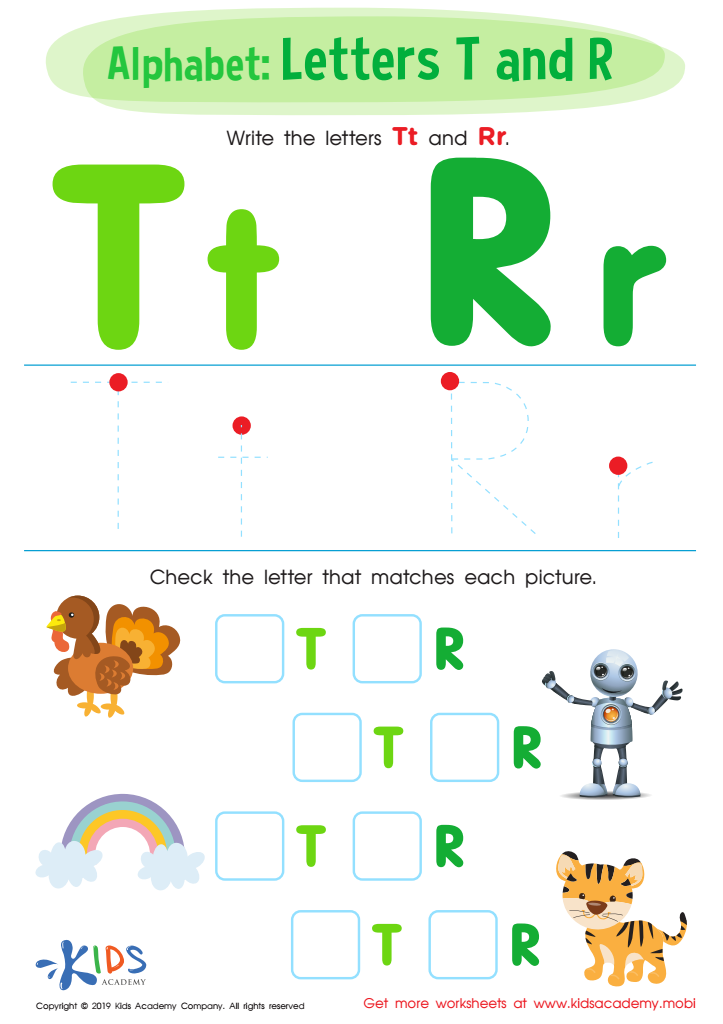
Letters T and R Worksheet
 Assign to My Students
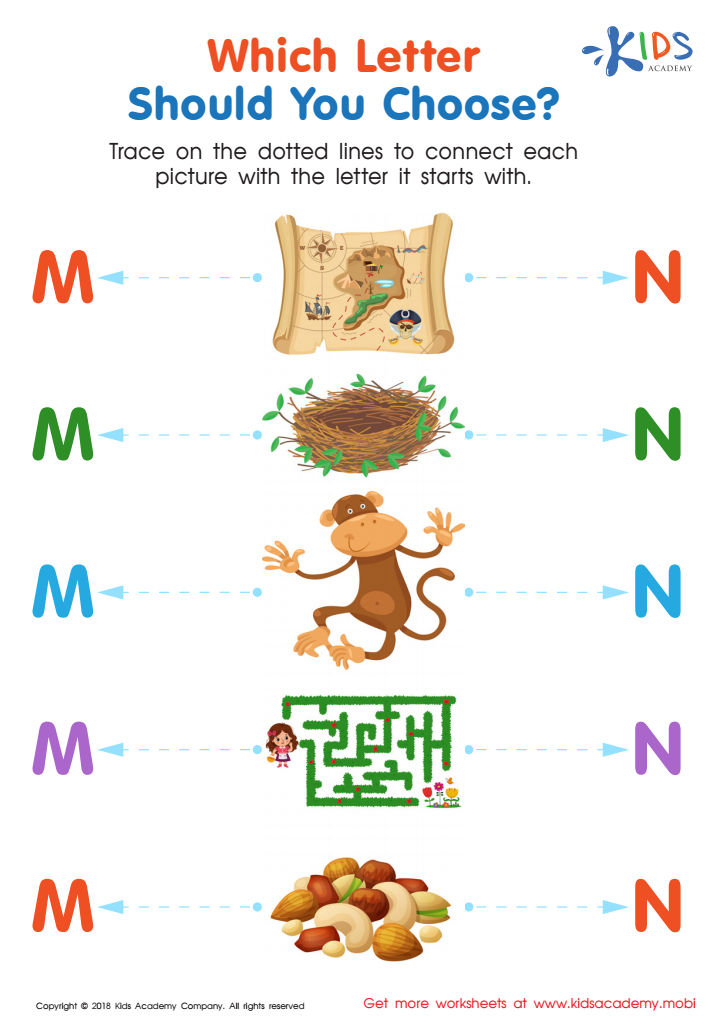
Which Letter Should you Choose? Worksheet
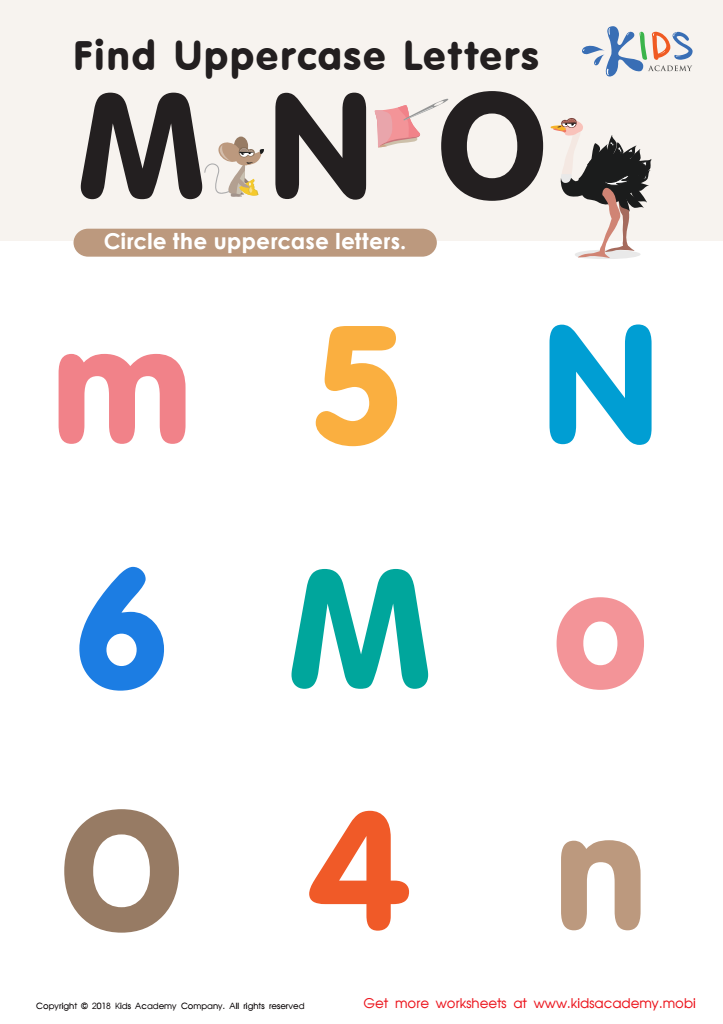
Find Uppercase Letters M, N, and O Worksheet








Teaching children the concept of alphabetical order is essential for their literacy and organizational skills. For children aged 6-7, understanding the alphabet helps them learn how to sort, categorize, and retrieve information effectively. Parents and teachers should care about this skill because it serves as a foundation for reading and writing.
Alphabetical order aids in vocabulary development, enabling children to locate words in dictionaries or other reference materials, thus fostering a love for reading and enhancing comprehension. Moreover, learning the order of the alphabet reinforces phonemic awareness, as children become more familiar with letter sounds and their corresponding symbols.
In school settings, many classrooms use alphabetical organization in bookcases and lists, which helps students easily find resources and encourages personal responsibility in managing their belongings. This organizational skill can translate into future academic success, supporting essential functions like research and proper citation in older grades.
Additionally, reinforcing the alphabetical order at home can cultivate learning opportunities during everyday activities, such as organizing toys or books. As children practice sorting items alphabetically, they sharpen their analytical skills and attention to detail, which are crucial for their overall development. By investing in this foundational concept, parents and teachers empower children with essential skills for lifelong learning.







