Fine Motor Skills Alphabet Worksheets for Ages 6-7 - Page 4
75 filtered results
-
From - To

Letter D Tracing Page
 Assign to My Students
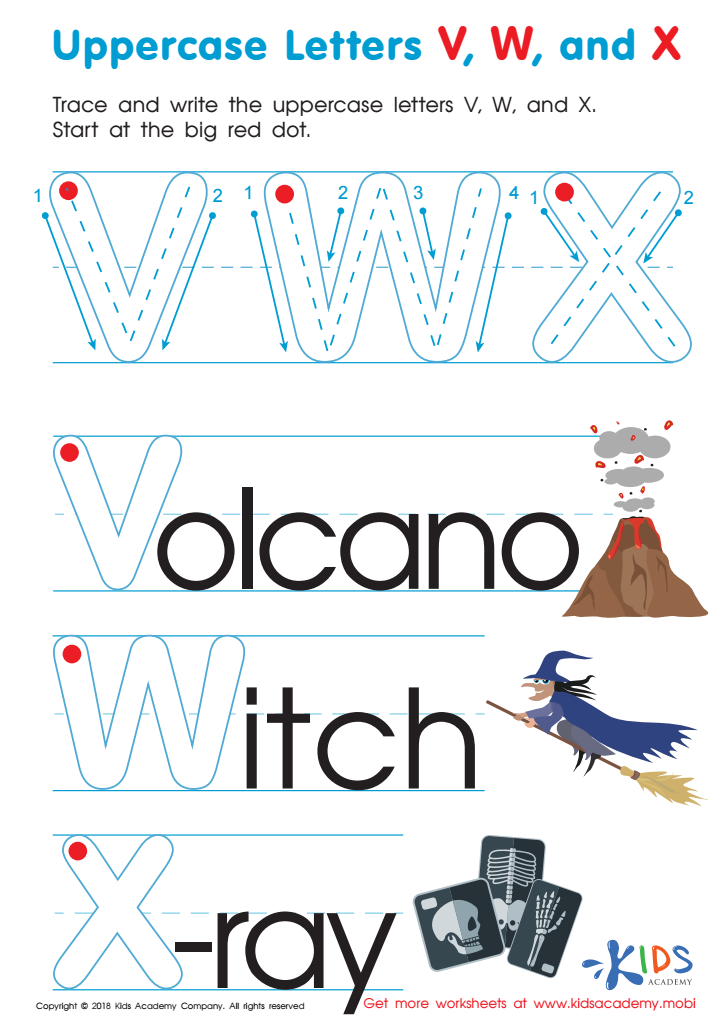
Uppercase Letters V, W, and X Worksheet
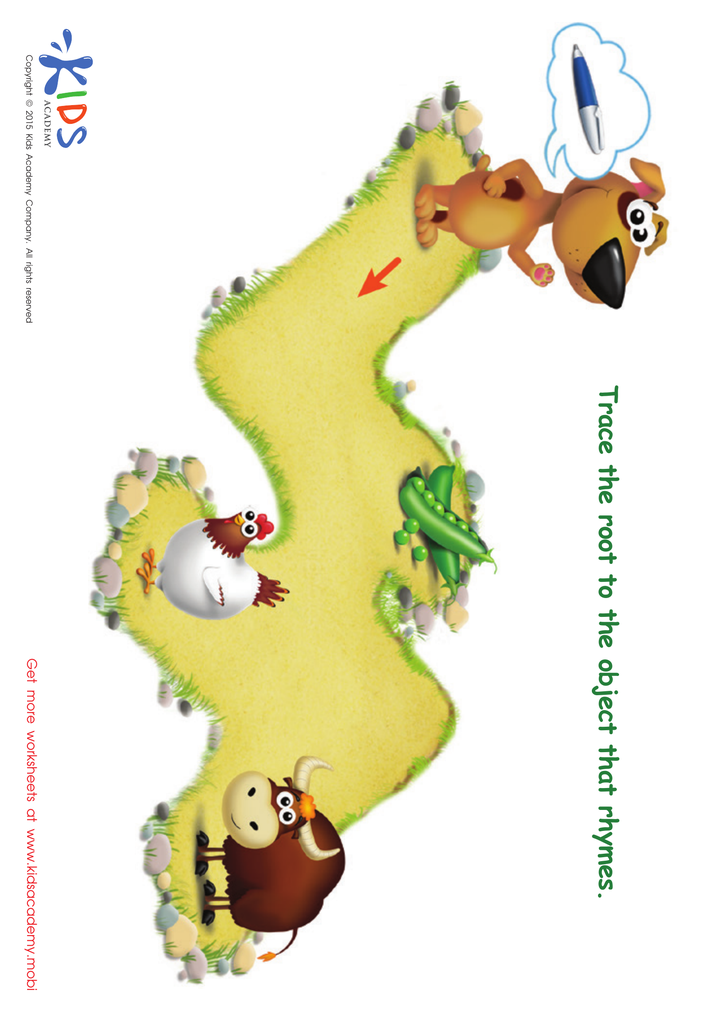
Pen Rhyming Words Worksheet







Fine Motor Skills Alphabet activities are crucial for children ages 6-7 as they significantly contribute to both their cognitive and physical development. At this age, children are at a pivotal stage where they are refining motor skills needed for essential daily functions and academic tasks, such as writing, cutting, and buttoning clothes. Engaging in alphabet activities that emphasize fine motor skills encourages hand-eye coordination, dexterity, and precision.
When children practice tracing or forming letters, they strengthen the small muscles in their hands and fingers. This not only facilitates neat and legible handwriting but also aids in proper grip, which is essential for effective and comfortable writing and drawing. Additionally, these activities boost cognitive development by reinforcing letter recognition, sequencing, and phonics, laying a strong foundation for literacy.
For parents and teachers, incorporating fine motor skills activities into literacy learning can provide a multi-sensory experience that keeps children engaged and motivated. These activities often incorporate fun materials such as clay, beads, or sand, making the learning process enjoyable. Supporting the development of both academic and fine motor skills simultaneously ensures a well-rounded growth experience for children, setting them up for success both inside and outside of the classroom. It helps bridge the gap between learning and physical development, promoting a holistic educational approach.







