Word Recognition Alphabet Worksheets for Ages 6-7 - Page 2
26 filtered results
-
From - To
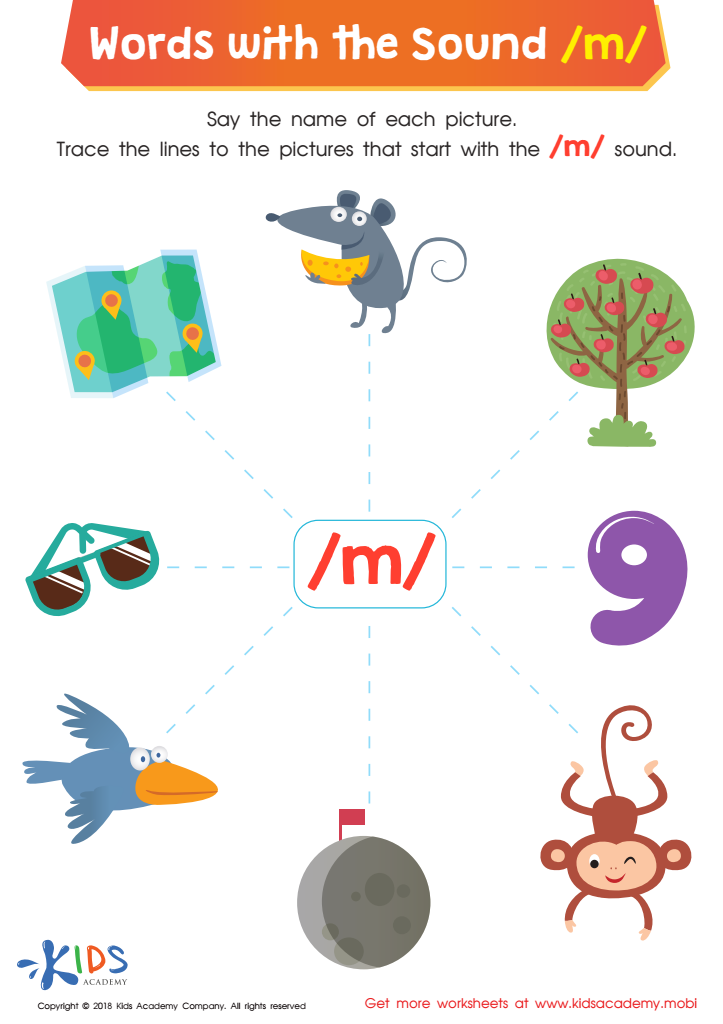
Words with Sound M Reading Worksheet
 Assign to My Students
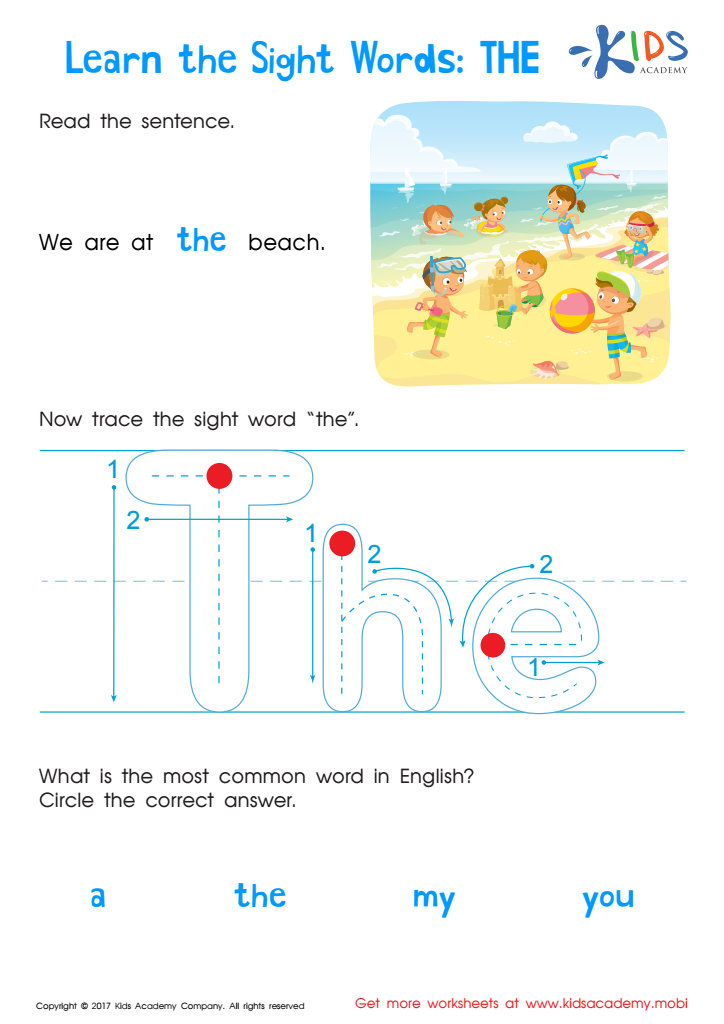
Sight Words: The Worksheet







Word recognition is a crucial skill for children aged 6-7, as it serves as the foundation for reading and overall literacy development. At this age, children transition from learning the mechanics of reading to becoming fluent readers who comprehend and engage with text. The ability to recognize words quickly and accurately enhances reading comprehension, enabling students to derive meaning from what they read.
Parents and teachers should prioritize word recognition because it directly impacts a child’s academic success. When children develop a strong word recognition vocabulary, their confidence in reading increases, encouraging them to explore more challenging texts. This fosters a love for reading, which is essential for lifelong learning.
Moreover, word recognition relates closely to other literacy skills, such as phonemic awareness and vocabulary development. By reinforcing word recognition, educators can support children’s overall communication skills, ensuring they are well-prepared for future educational challenges. Engaging in activities that promote word recognition, like reading together, playing word games, and discussing new words, will significantly benefit children, making literacy an enjoyable and enriching experience. In short, nurturing word recognition at this critical age lays the groundwork for children’s future academic endeavors and personal growth.







