
Vocabulary enhancement Letter Recognition Worksheets for Ages 6-7
4 filtered results
Difficulty Level
Grade
Age
-
From - To
Subject
Activity
Standards
Enhance your child's vocabulary and letter recognition skills with our engaging Worksheets designed specifically for ages 6-7! These interactive activities help young learners identify letters and associate them with words, fostering language development and literacy. Each worksheet focuses on a specific letter, featuring fun illustrations and practice exercises that stimulate curiosity and creativity. By connecting letters to meaningful vocabulary, children build a stronger foundation for reading and communication. Perfect for homeschooling or classroom use, our Vocabulary Enhancement Letter Recognition Worksheets make learning enjoyable and effective. Help your child grow their language skills confidently with these thoughtfully crafted resources!
Favorites
With answer key
Interactive
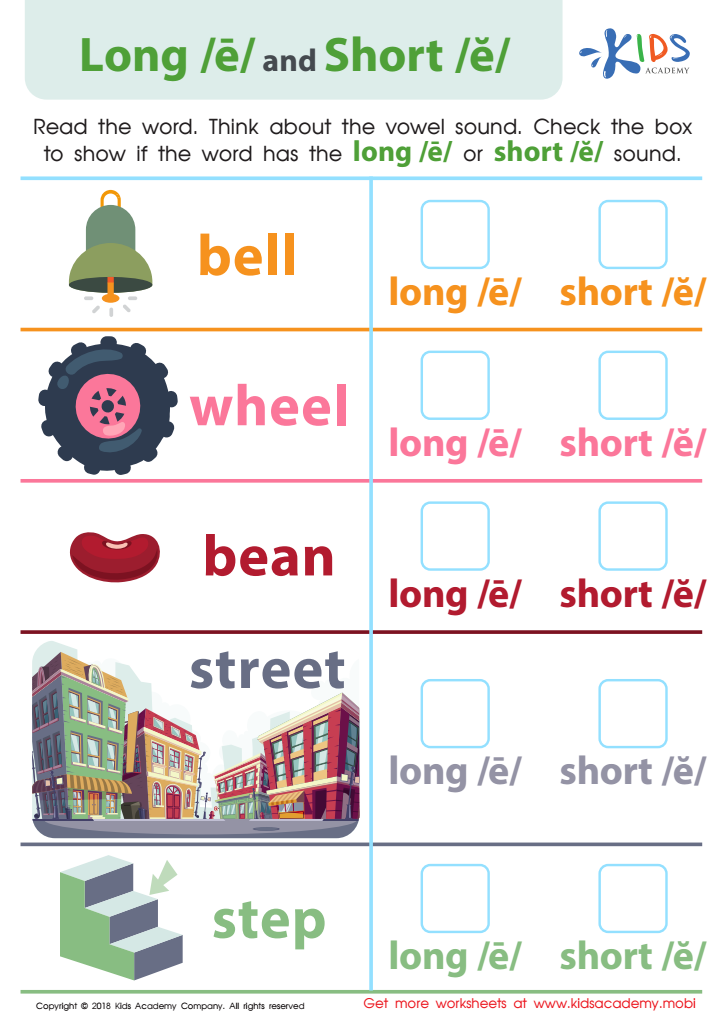
Reading: Long E and Short E Worksheet
Provide your students with valuable practice in distinguishing long and short E sounds with this worksheet. They'll look at pictures and read the words, then decide which sound is being used. It's an effective tool to help them master a difficult concept.
 Assign to My Students
Reading: Long E and Short E Worksheet
Worksheet
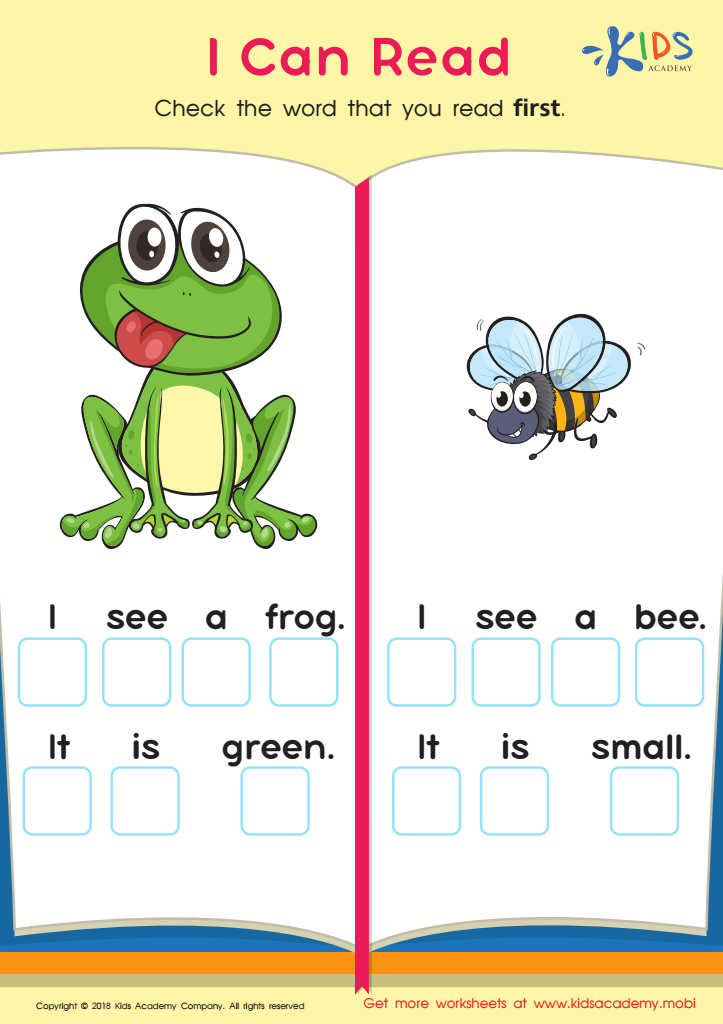
I Can Read Worksheet
Test your child's reading skills with this fun worksheet. See how well they know one-letter, two-letter, and five-letter words. Ask your little one to read the sentences and tick the word they identify first. It's a great way to track their progress and help them become more confident readers.
I Can Read Worksheet
Worksheet
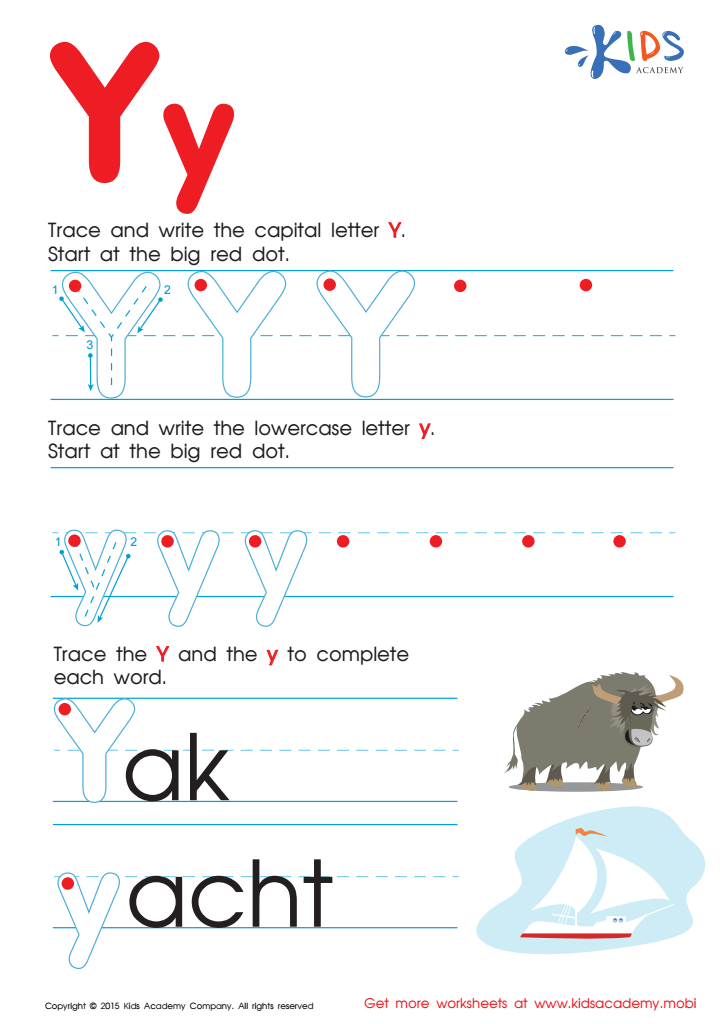
Letter Y Tracing Page
Trace the capital letter "Y" on the red dot, then trace and write the lowercase letter. Complete the words to help the Yak walk and the yacht swim. More worksheets at Kids Academy.
Letter Y Tracing Page
Worksheet
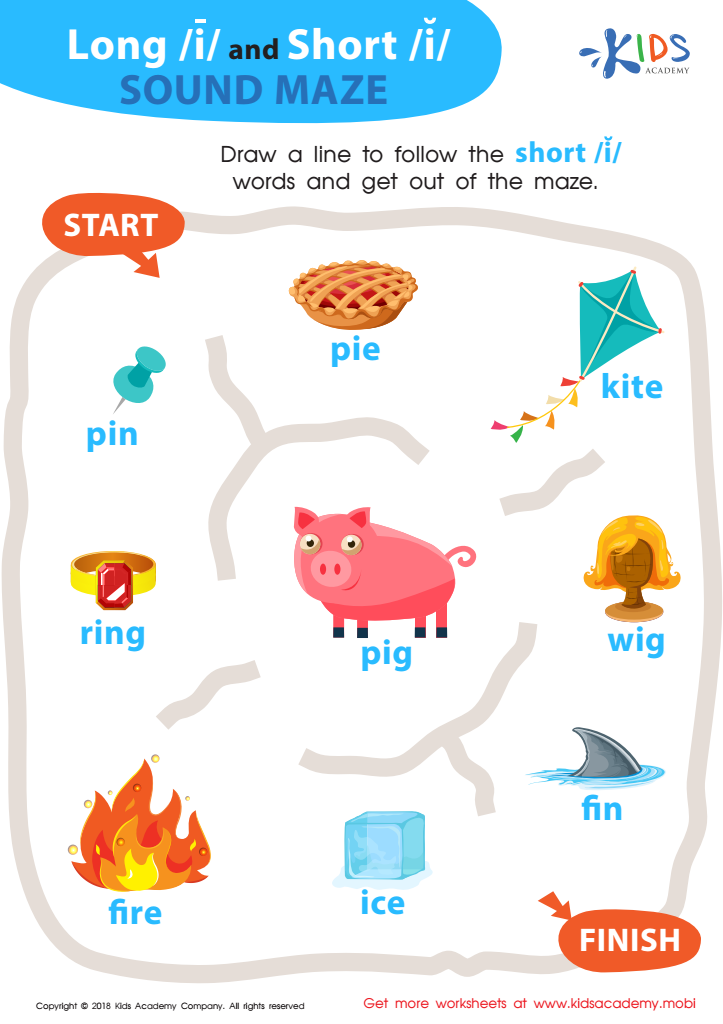
Reading: Long I and Short I Sound Maze Worksheet
Question your students if the worksheet is entertaining. They may respond negatively! Nonetheless, this activity will bring satisfaction while learning the distinction between a long and short I sound. Students read the words in the maze and only follow the words with the short I sound to finish the exercise. Grasping the difference between long and short vowels is demanding, but this worksheet helps students understand this reading skill.
Reading: Long I and Short I Sound Maze Worksheet
Worksheet
Join Kids Academy for Free
Who is primarily going to use this learning content?








Vocabulary enhancement and letter recognition are crucial for children aged 6-7 as they form the foundation for literacy and overall academic success. During this developmental stage, children are learning to read and write, making it imperative to prioritize vocabulary expansion and letter recognition.
Strong vocabulary skills enable children to express themselves more effectively and comprehend what they read. A rich vocabulary also fosters better communication, improves critical thinking, and enhances their ability to engage with complex texts as they progress in their education. Recognizing letters and their corresponding sounds is essential in learning to decode words, an essential skill for reading fluency.
Parents and teachers play a pivotal role in this enhancement process. By incorporating engaging activities such as reading aloud, word games, and interactive letter-use experiences, they can create a stimulating environment that nurtures these skills. Furthermore, collaboration and consistency between home and school environments help reinforce vocabulary retention and letter recognition.
Investing time and effort in these areas not only fosters a love for reading but also builds confidence in young learners. As they develop these foundational skills, children are more likely to achieve literacy milestones, paving the way for lifelong learning success. Prioritizing vocabulary and letter recognition is, therefore, vital in nurturing skilled, enthusiastic readers.







