Reading comprehension Long And Short Vowel Worksheets for Ages 6-7
11 filtered results
-
From - To
Enhance your child's reading skills with our Long and Short Vowel Worksheets, specially designed for ages 6-7. These engaging and educational worksheets help kids differentiate between long and short vowel sounds, improving their phonetic understanding. Each worksheet also focuses on reading comprehension, encouraging young learners to read sentences and passages carefully and answer questions to test their knowledge. Perfect for home or classroom use, these worksheets support foundational literacy skills necessary for lifelong learning. Help your child master reading with fun and effective vowel exercises to boost their confidence and academic growth.
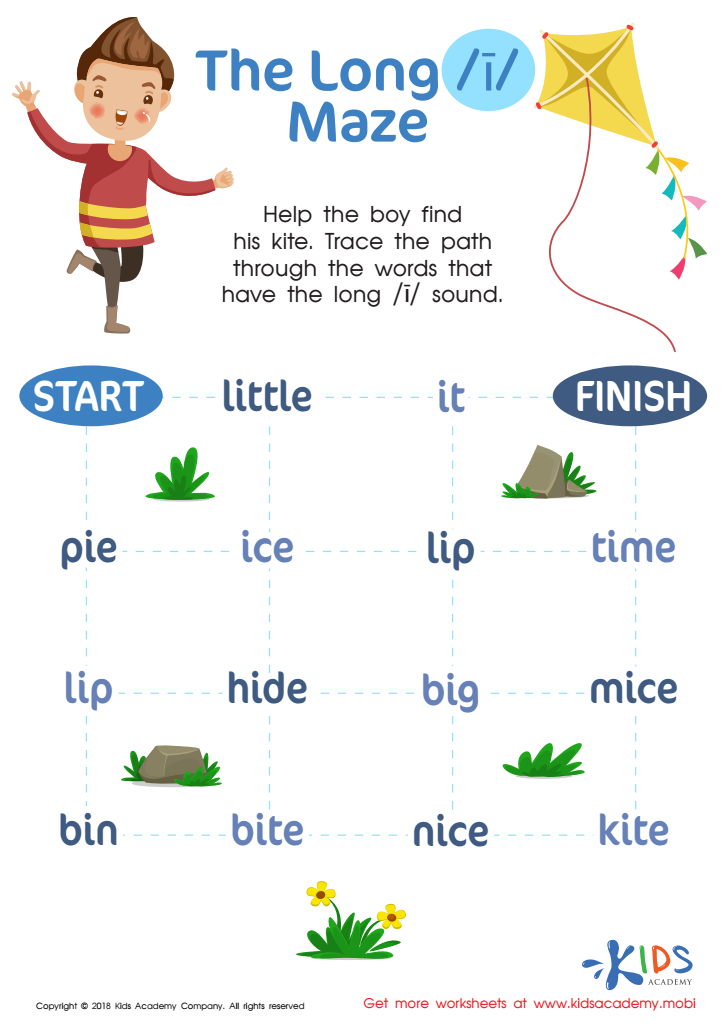
The Long I Maze Reading Worksheet
 Assign to My Students
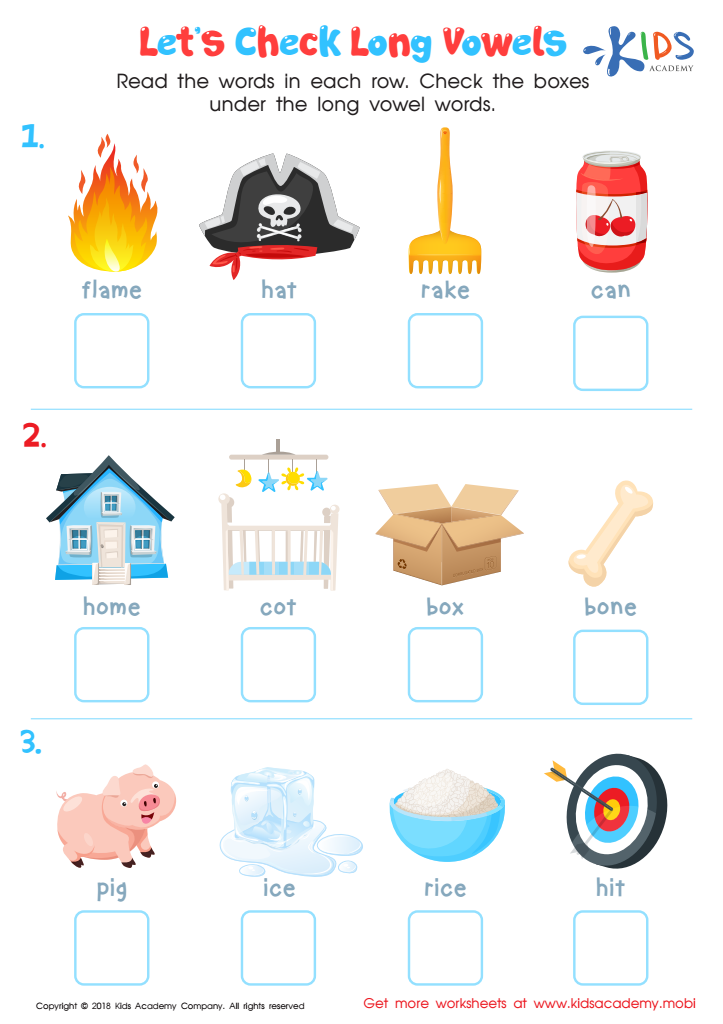
Let's Check Long Vowels: Assessment Worksheet
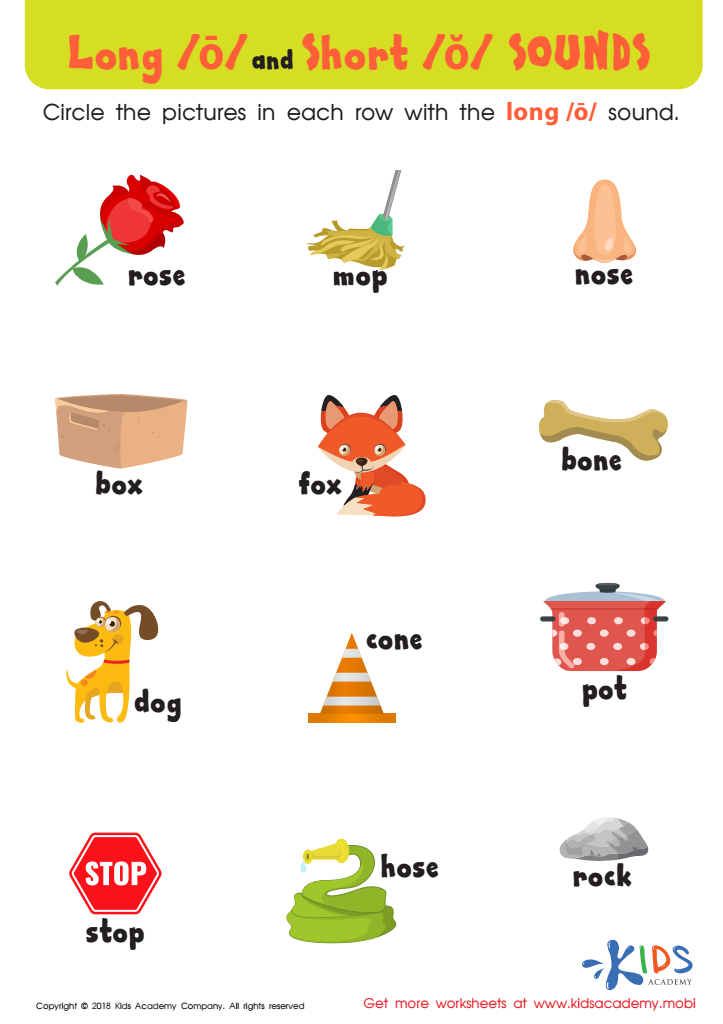
Reading: Long O and Short O Sounds Worksheet
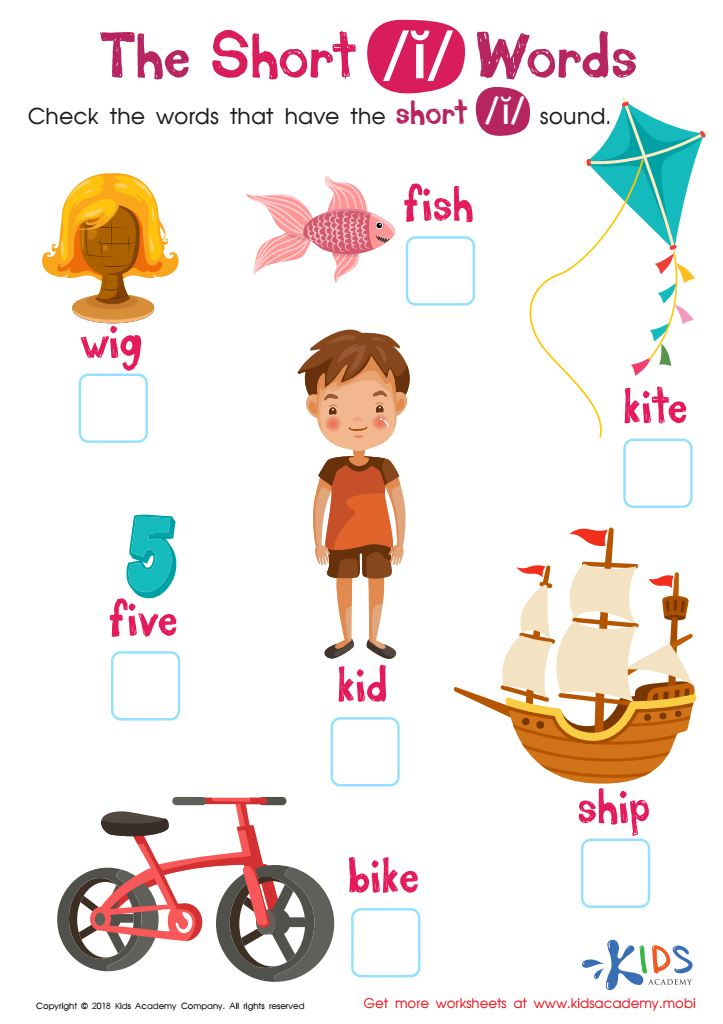
The Short I Words Reading Worksheet
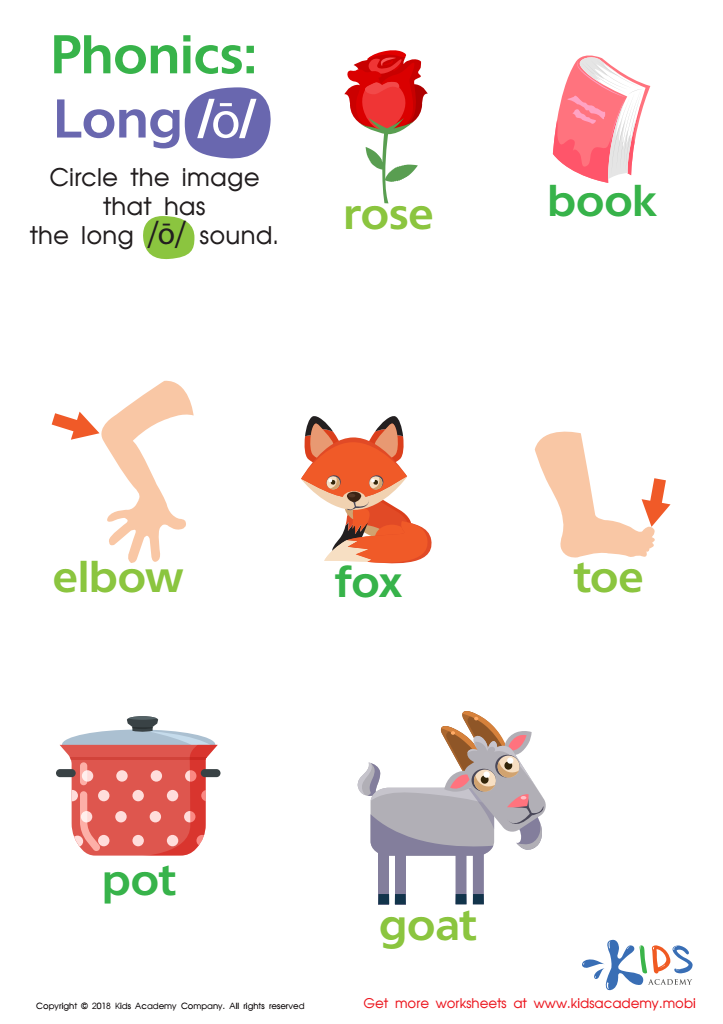
Phonics Long O Reading Worksheet
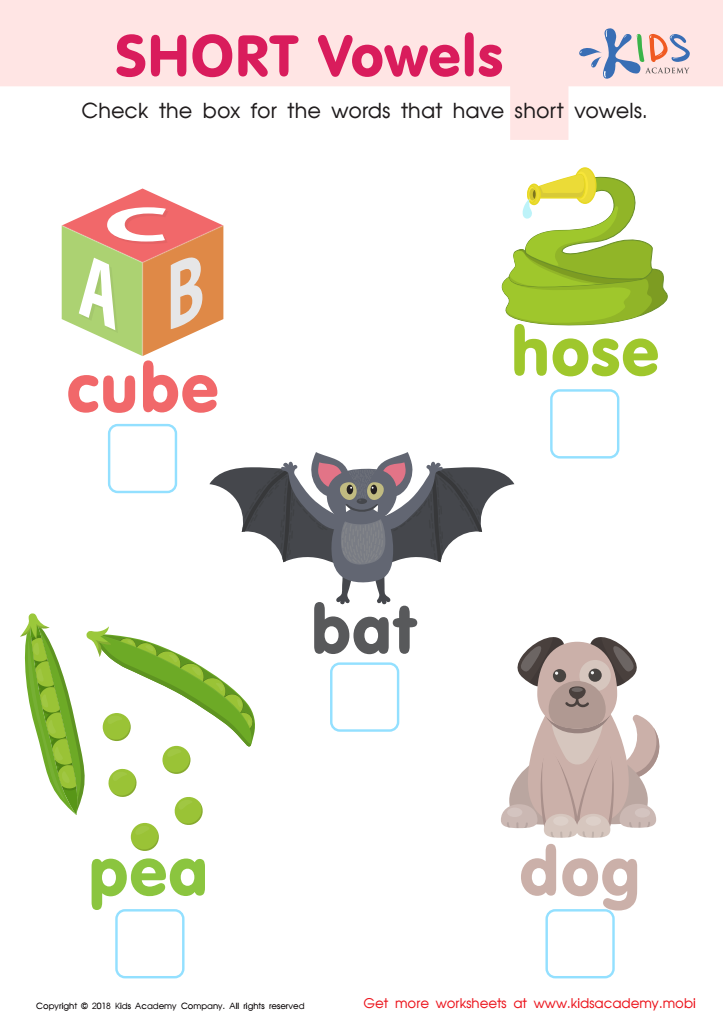
short vowels Worksheet
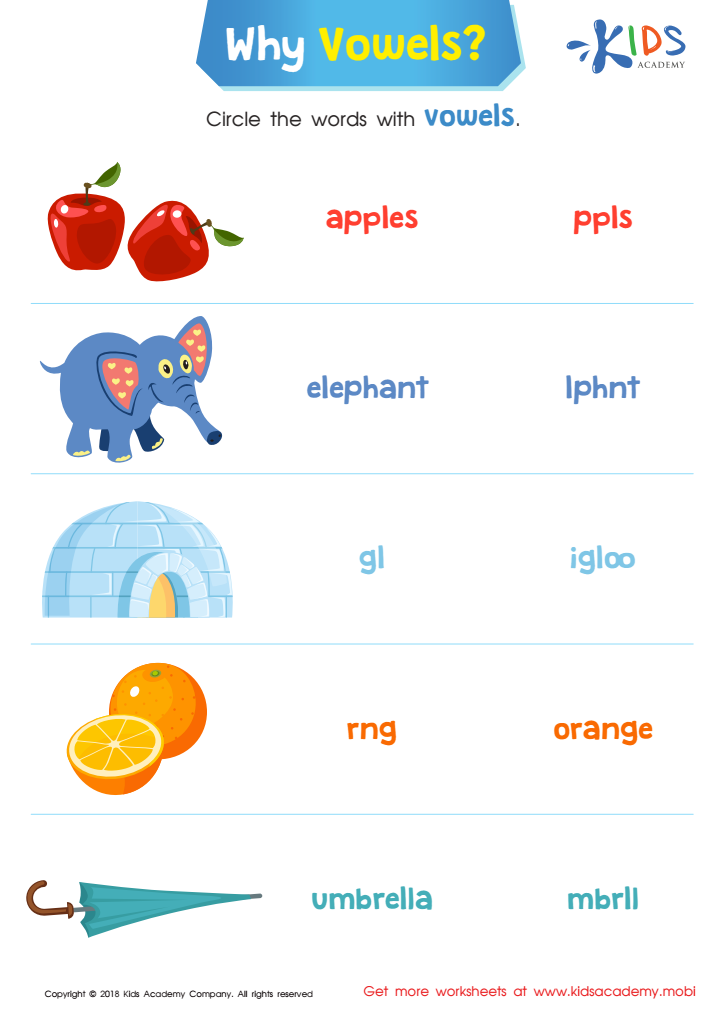
Why Vowels? Reading Worksheet
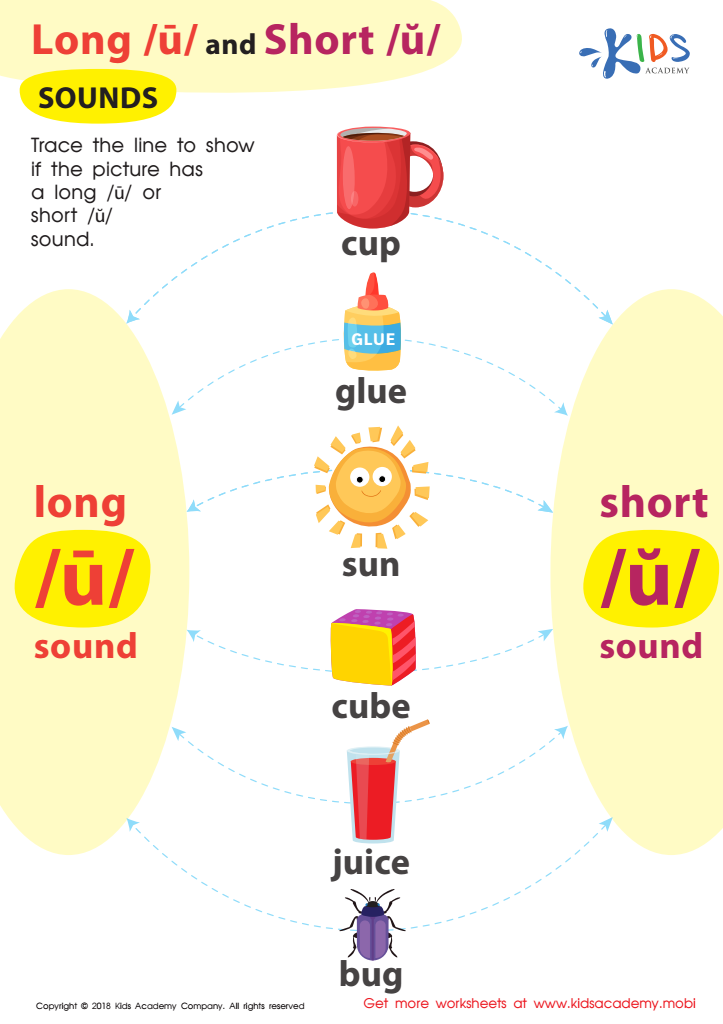
Reading: Long U and Short U Sounds Worksheet
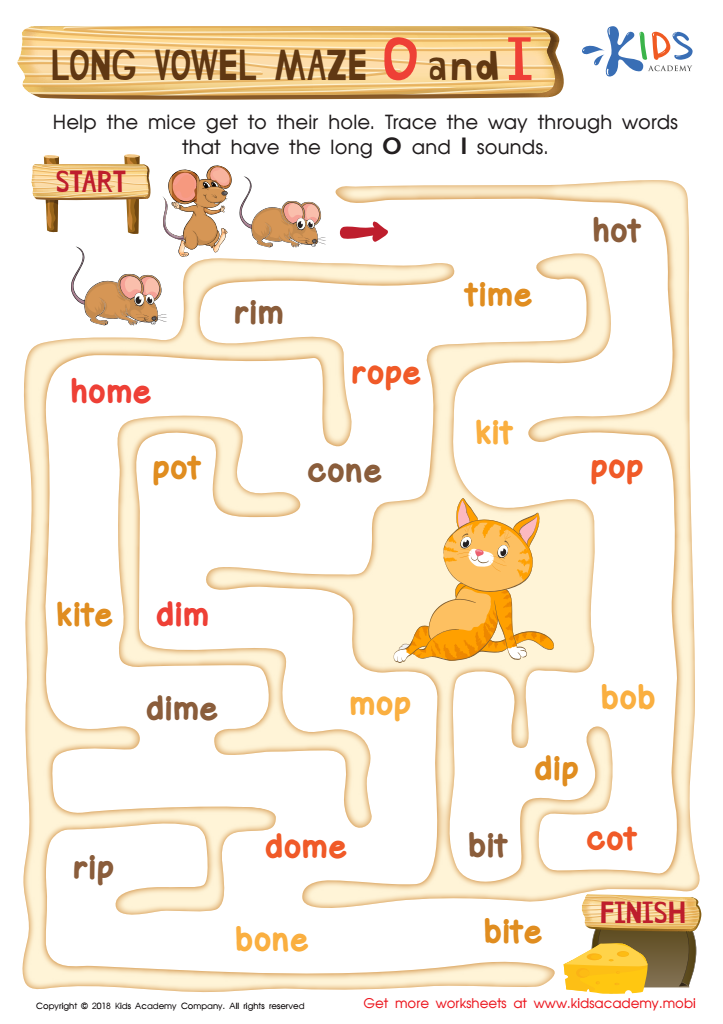
Long Vowel Maze /o/ and /i/ Worksheet
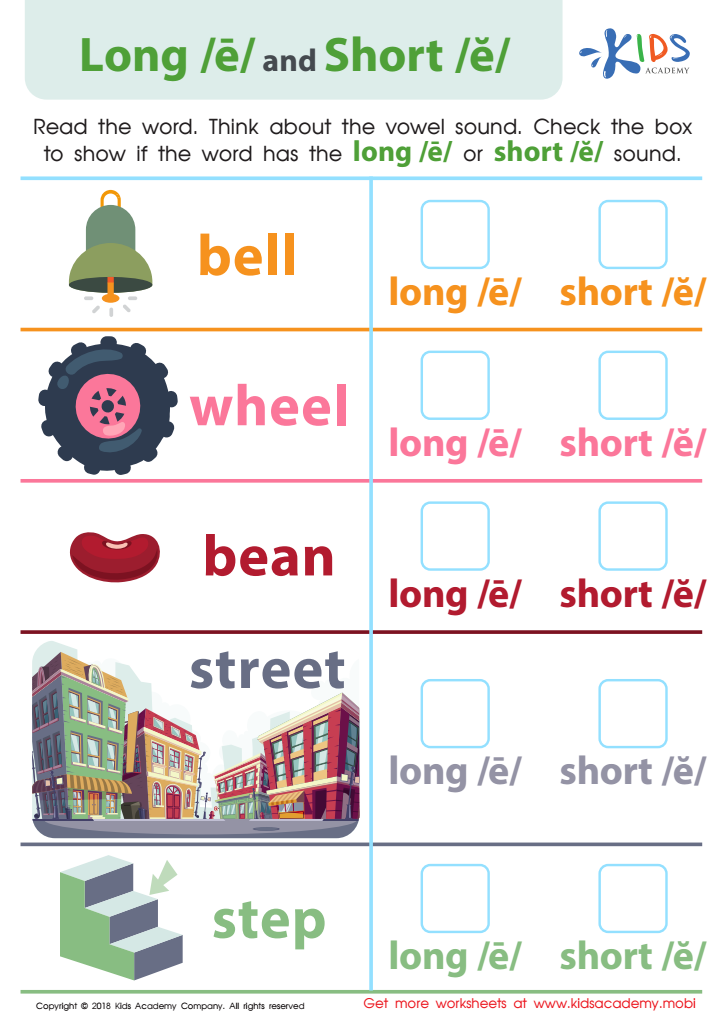
Reading: Long E and Short E Worksheet
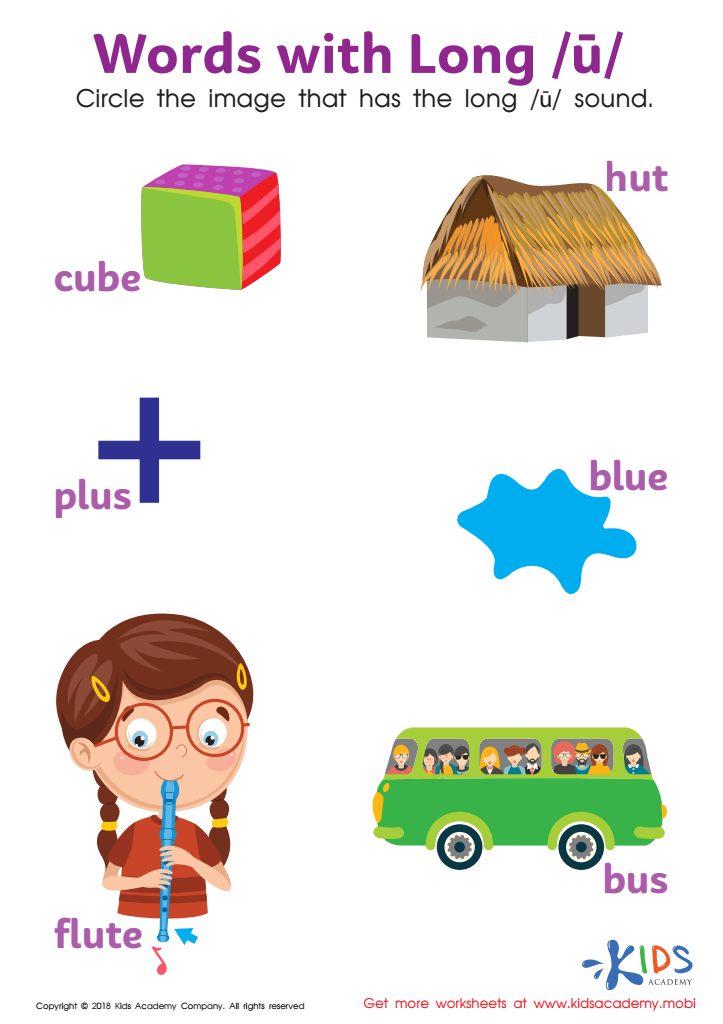
Words with Long U Reading Worksheet




Parents and teachers play a critical role in fostering reading skills in young children, particularly around the ages of 6-7 when foundational literacy skills are being established. At this age, children are transitioning from recognizing letters and sounds to decoding words and comprehending texts. Understanding and distinguishing between long and short vowel sounds are essential for several reasons.
Firstly, deciphering vowel sounds is key to accurate pronunciation and word recognition. For example, differentiating the sounds in "cat" (short vowel) versus "cake" (long vowel) helps children understand and pronounce words correctly. This accuracy in reading leads to better fluency, allowing for smoother, more natural reading experiences.
Secondly, strong vowel comprehension aids in spelling. When children learn why "hop" and "hope" are spelled differently due to vowel sounds, they start to see patterns and rules in the English language. This not only aids their writing skills but builds their overall confidence in using language.
Finally, mastering long and short vowel sounds supports reading comprehension. Being able to recognize and decode words swiftly allows children to focus more on the meaning of the sentence and story, rather than getting stuck on individual words. This enhanced vocabulary and comprehension form the bedrock of their future academic success, making it crucial for educators and parents to emphasize these skills.