Letter-sound correlation Phonics Worksheets for Ages 6-7
3 filtered results
-
From - To
Explore our engaging Letter-Sound Correlation Phonics Worksheets designed specifically for ages 6-7! These worksheets provide a fun and interactive way for young learners to connect letters with their corresponding sounds, enhancing their phonetic awareness. Each activity encourages children to practice blending sounds and recognizing letter forms in various contexts. Perfect for both home and classroom use, our resources support reading readiness by fostering essential literacy skills. Help your child build a strong foundation in reading through playful exercises that promote retention and comprehension. Visit our site to access a plethora of motivating and colorful worksheets that make learning phonics enjoyable!
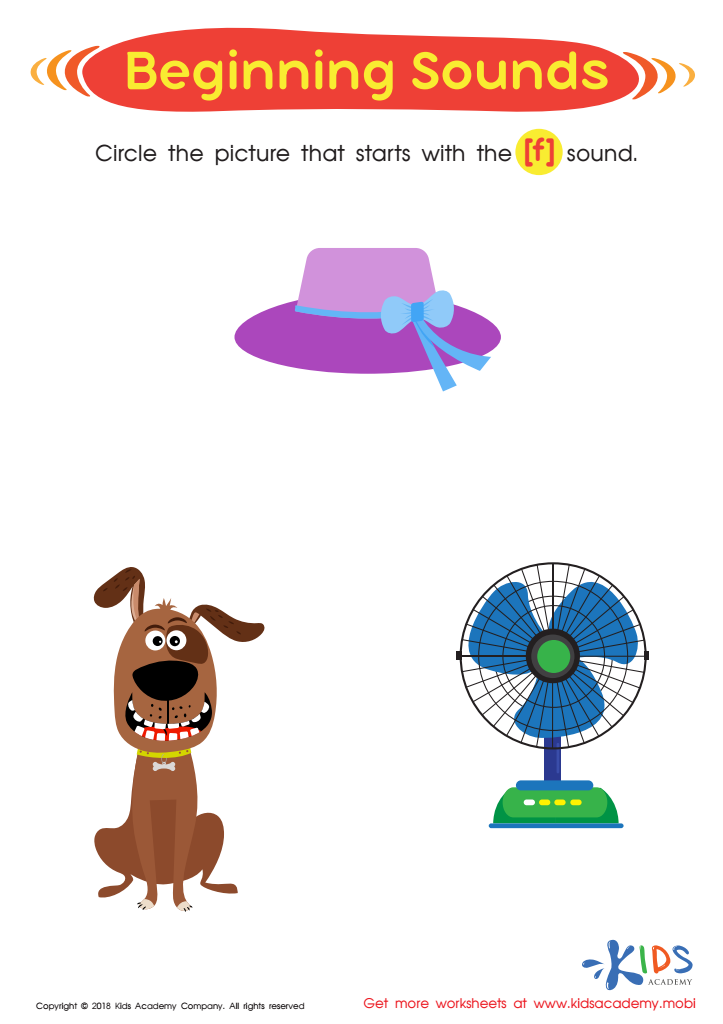
Beginning Sounds Assessment Printable
 Assign to My Students
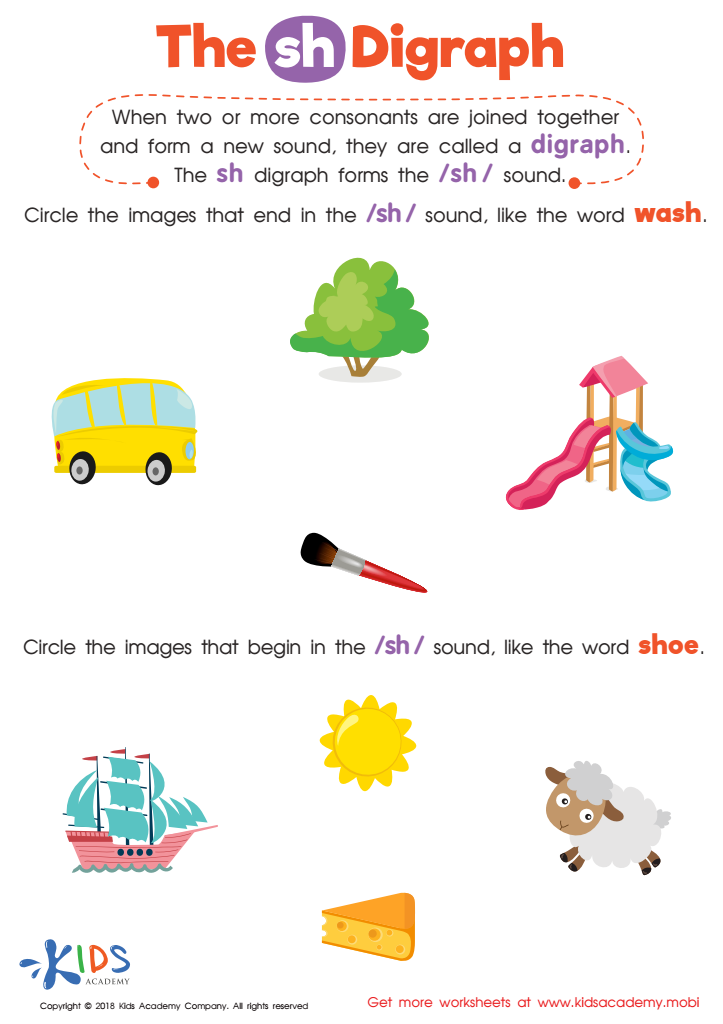
The SH Digraph Worksheet
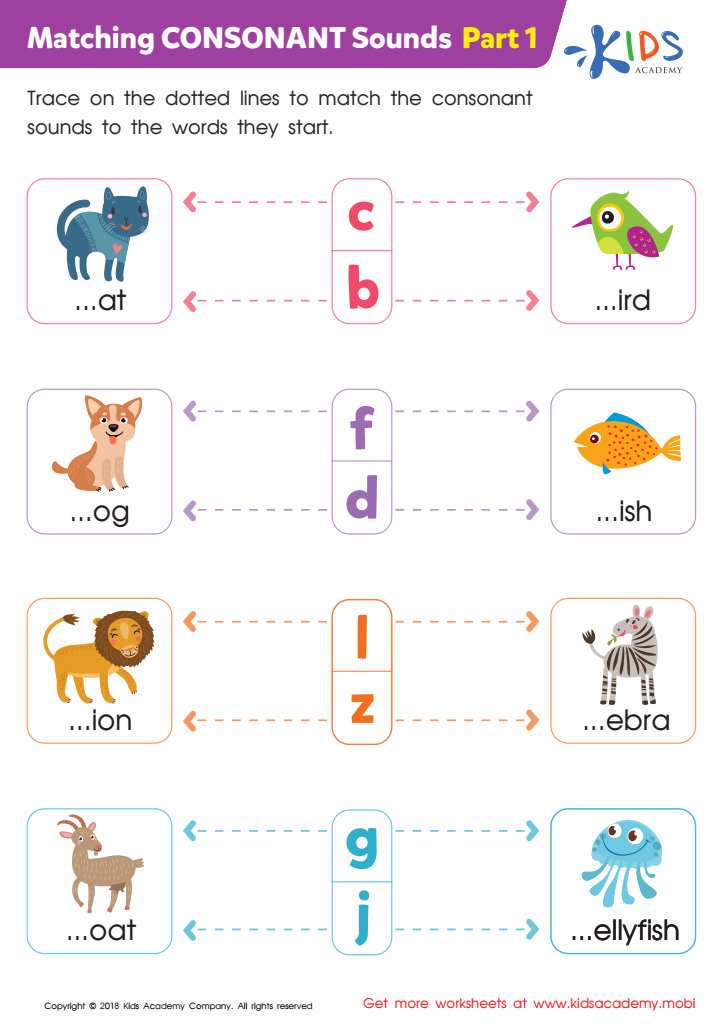
Matching Consonant Sounds: Part 1 Worksheet








Parents and teachers should prioritize letter-sound correlation phonics for children ages 6-7 because it forms the foundation of reading and writing skills essential for academic success. At this age, children are typically transitioning from pre-reading skills to proficient reading. Understanding how letters represent sounds is crucial for decoding words, which in turn helps improve their reading fluency and comprehension.
Phonics instruction not only aids children in recognizing words but also enhances their spelling and vocabulary development. Effective phonics instruction fosters a sense of confidence in students as they learn to read independently, promoting a lifelong love for reading. Furthermore, early intervention in literacy skills helps identify and support children who may struggle, thus preventing future reading difficulties.
Investing time and effort in teaching phonics correlates directly with improved literacy outcomes, as research indicates that strong phonics skills lead to better performance across all areas of academic learning. By emphasizing letter-sound correlation, parents and teachers can equip children with critical tools, enabling them to become confident readers and communicators. Ultimately, this focus not only supports children's current educational needs but also lays the groundwork for their future success in school and life.







