Phonics improvement Phonics Worksheets for Ages 6-7
3 filtered results
-
From - To
Enhance your 6-7-year-old's phonics skills with our engaging Phonics Improvement Worksheets! Designed to reinforce foundational reading abilities, these printable worksheets focus on phonetic awareness, letter-sound relationships, and decoding strategies. Packed with fun activities, colorful illustrations, and interactive exercises, they ensure your child stays motivated and eager to learn. From matching sounds to filling in missing letters, our resources cater to diverse learning styles, making phonics practice enjoyable and effective. Equip your child with the essential tools needed for reading success and watch their confidence soar! Explore our vibrant collection now for effective learning at home or in the classroom.
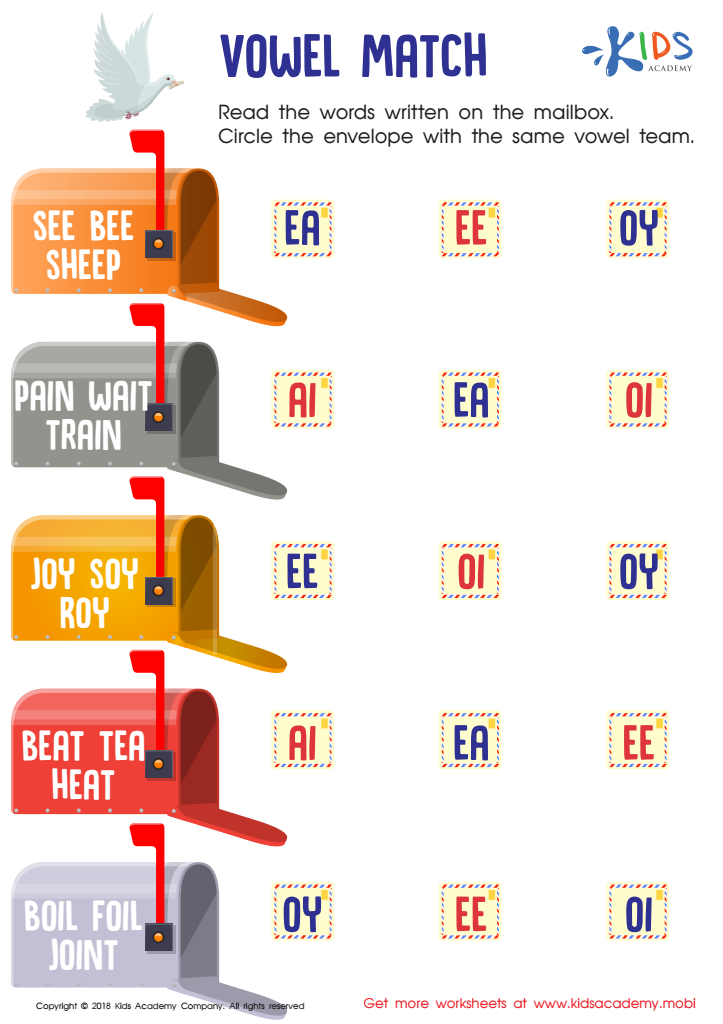
Vowel match Worksheet
 Assign to My Students
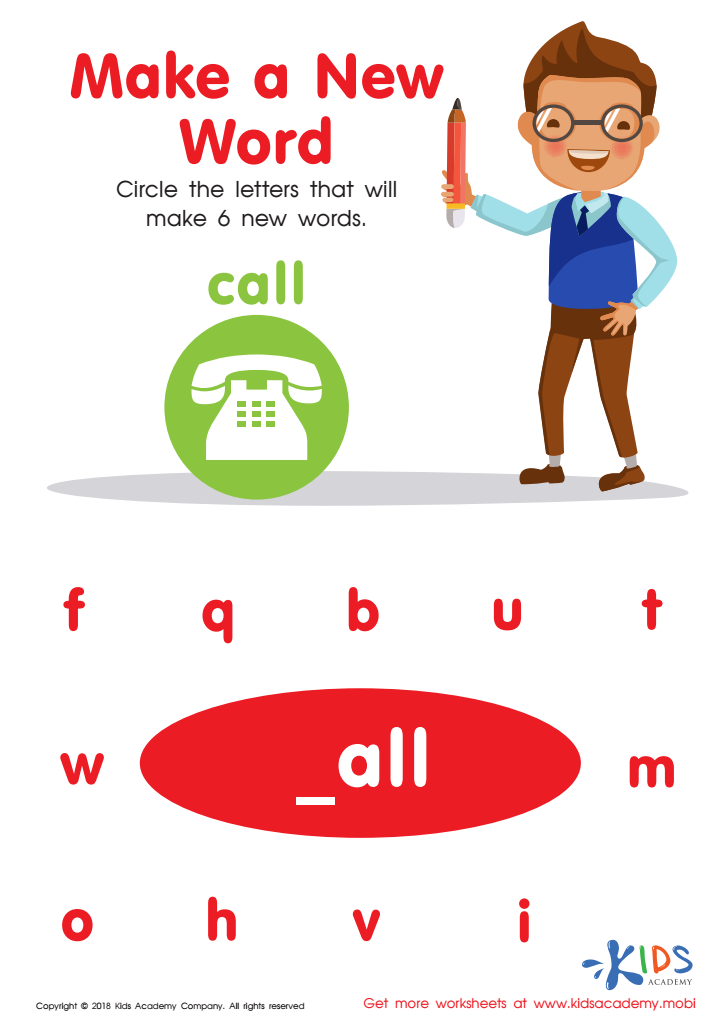
Make a New Word Worksheet
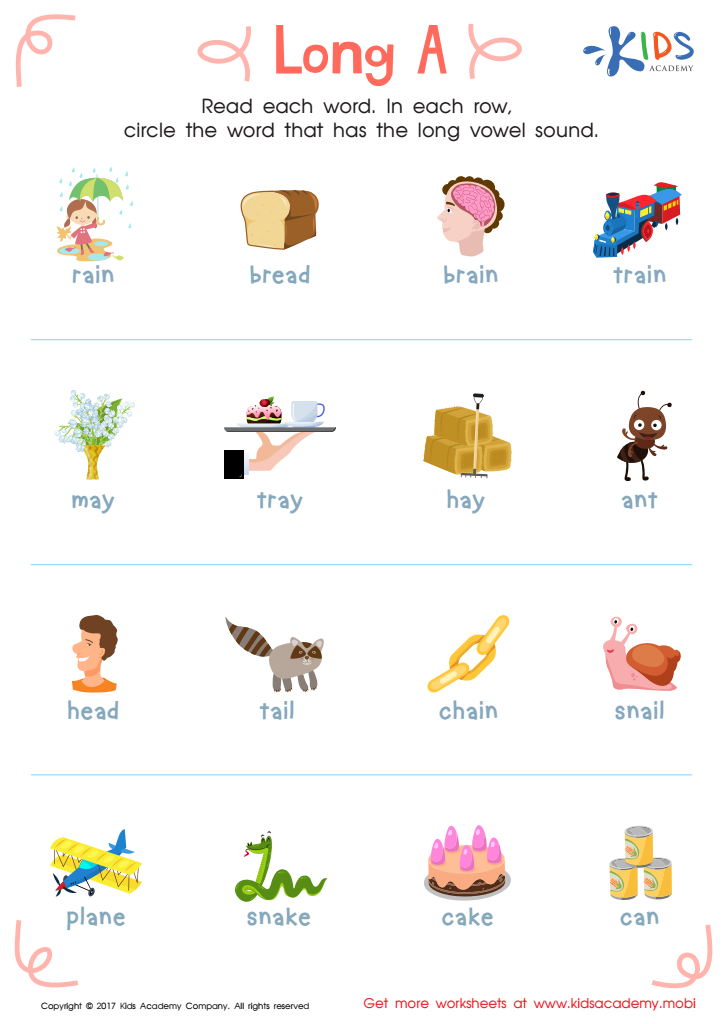








Phonics is an essential building block for reading and writing, particularly for children aged 6-7, a critical period in their literacy development. For parents and teachers, understanding and improving phonics skills is crucial because it lays the foundation for successful reading. At this age, children are beginning to decode words and make connections between letters and sounds, a skill that affects their overall literacy competencies.
Strong phonics instruction helps children become more confident readers, allowing them to tackle increasingly complex texts independently. When children understand how sounds represent letters and how those sounds blend together to form words, they can approach reading with clarity instead of frustration. This confidence not only enhances their academic abilities but also fosters a love of reading that can last a lifetime.
Moreover, phonics improvement plays a significant role in vocabulary development and comprehension skills, crucial for academic success. By focusing on this area, caregivers and educators can support children in overcoming reading difficulties, preventing potential gaps in knowledge that can hinder their progress in school.
In summary, prioritizing phonics for children aged 6-7 is fundamental for their immediate literacy success and long-term academic achievement.







