Vocabulary enhancement Phonics Worksheets for Ages 6-7 - Page 3
50 filtered results
-
From - To
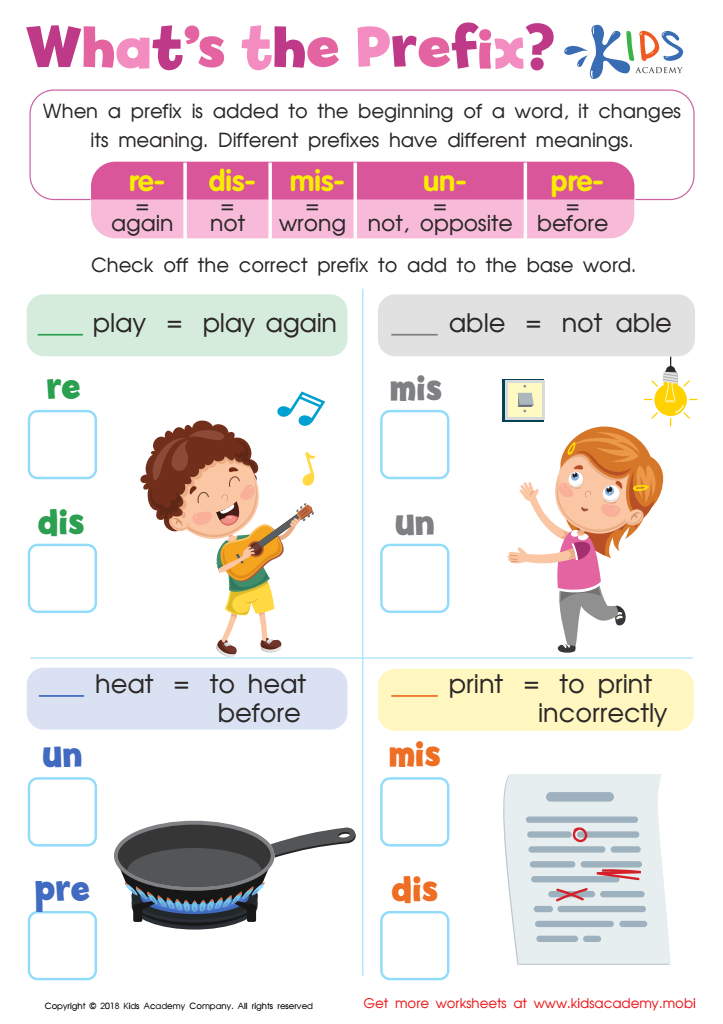
Reading: What Is the Prefix Worksheet
 Assign to My Students
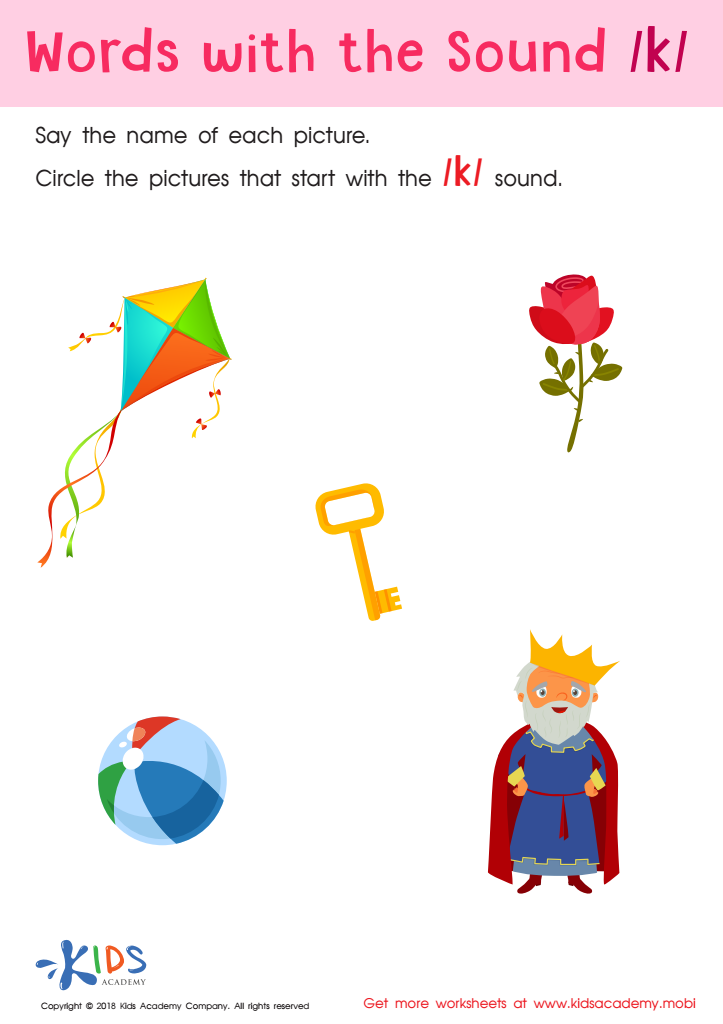
Words with sound k Reading Worksheet








Parents and teachers should prioritize vocabulary enhancement and phonics for children aged 6-7 because these skills are fundamental to a child's literacy development and overall academic success. At this critical age, children are transitioning from learning to read to reading to learn. Mastery of phonics enables them to decode unfamiliar words, while a rich vocabulary allows them to comprehend what they read, facilitating deeper understanding and engagement with text.
Developing phonics skills helps children recognize letter sounds and patterns, laying the foundation for successful reading fluency. Enhanced vocabulary contributes significantly to students’ reading comprehension, enabling them to express can articulate their thoughts clearly and understand a wider range of texts.
Engaging in vocabulary and phonics enrichment activities—such as reading aloud, playing word games, and creating word-rich environments—encourages a love for reading and fosters confidence in communication. With proficient language skills, children can thrive in school, participate more fully in discussions, and develop critical thinking abilities.
Additionally, strong reading skills correlate with success in other subjects, underscoring the long-term impact of vocabulary and phonics development. Investing time and resources in these areas cultivates lifelong learners with robust literacy competencies.







