Vocabulary expansion Short Vowels Worksheets for Ages 6-7
10 filtered results
-
From - To
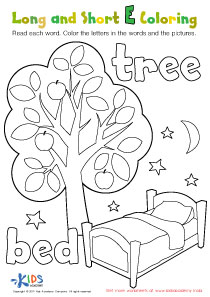
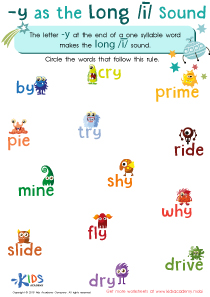
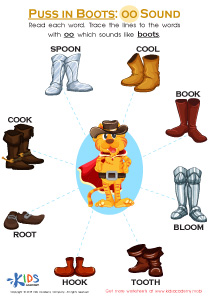
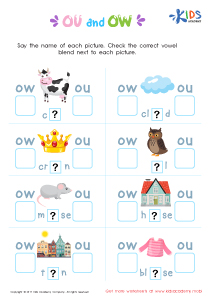
Enhance your child's vocabulary with our engaging Short Vowels Worksheets designed specifically for ages 6-7! These worksheets focus on reinforcing short vowel sounds while expanding your child's word knowledge through fun activities. With a variety of exercises, including fill-in-the-blanks, word searches, and picture associations, kids will enjoy learning and practicing essential vocabulary skills. Each worksheet is tailored to make learning interactive and enjoyable, ensuring young learners stay engaged. Support your child's literacy development while fostering a love for words with these easy-to-use, printable resources. Start exploring our collection today and watch their vocabulary soar!
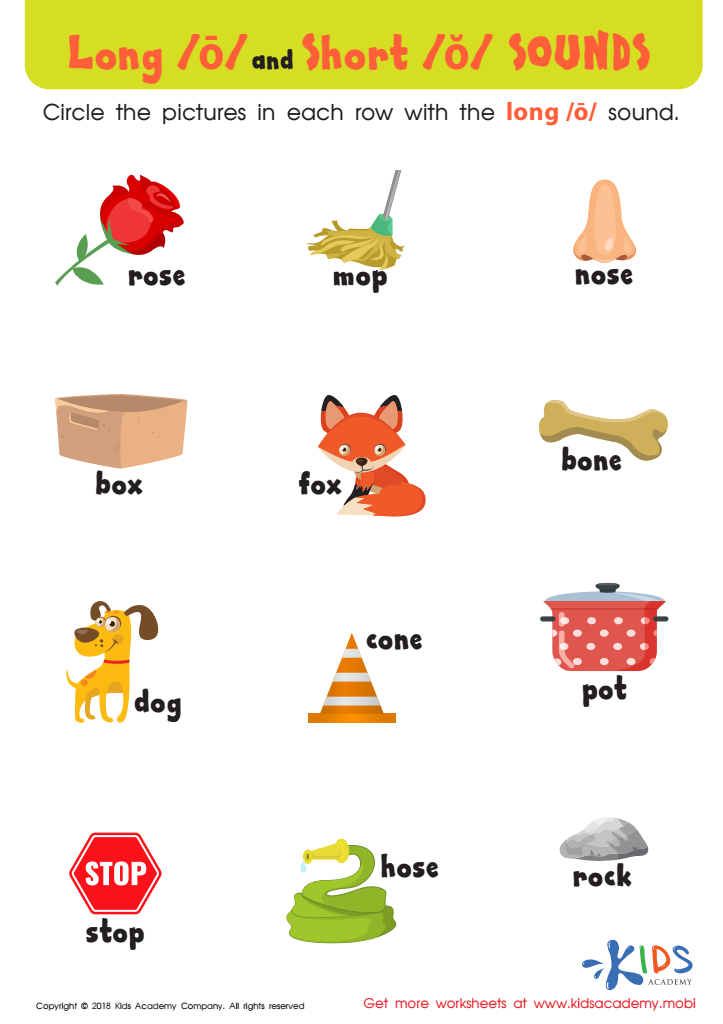
Reading: Long O and Short O Sounds Worksheet
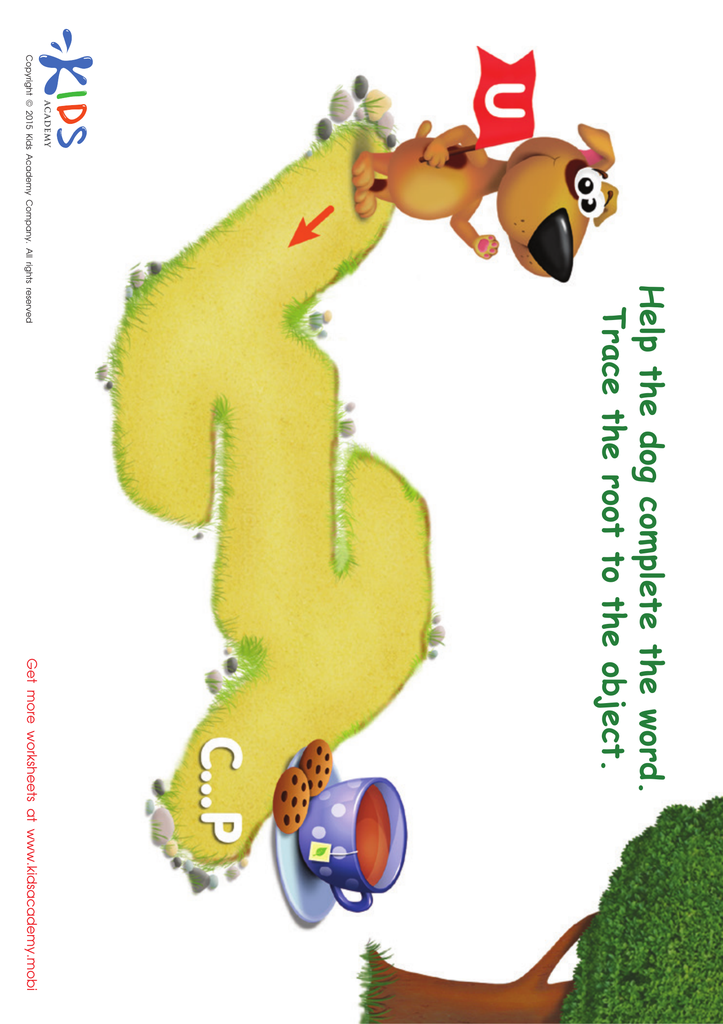
Short Vowel Sound U Worksheet Worksheet
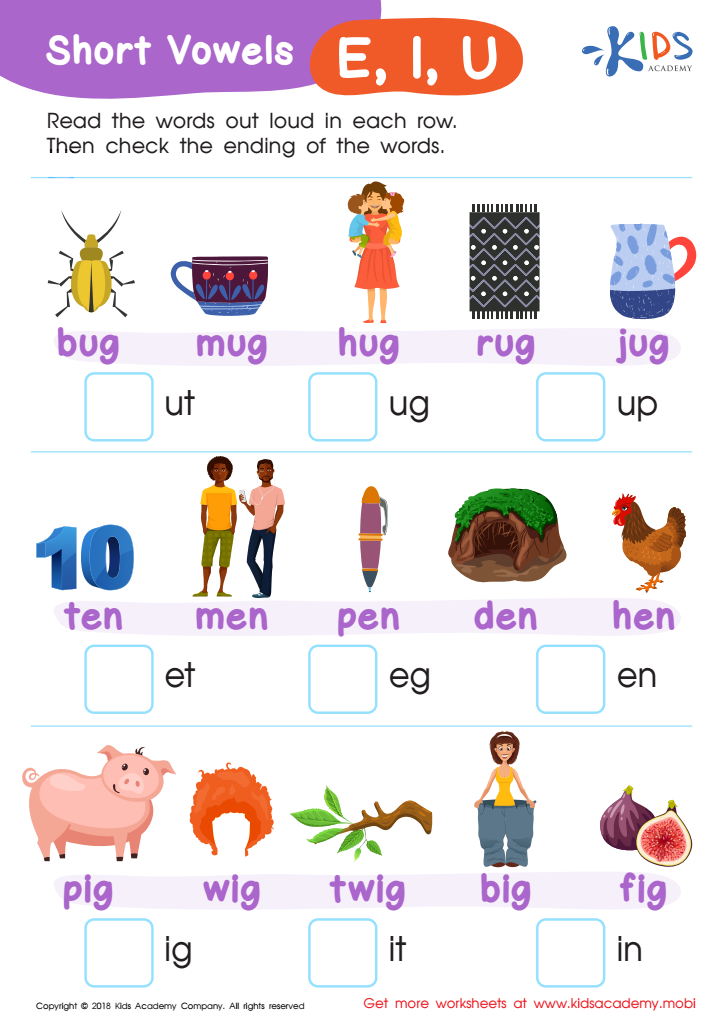
Short Vowels /e/, /i/, and /u/ Worksheet
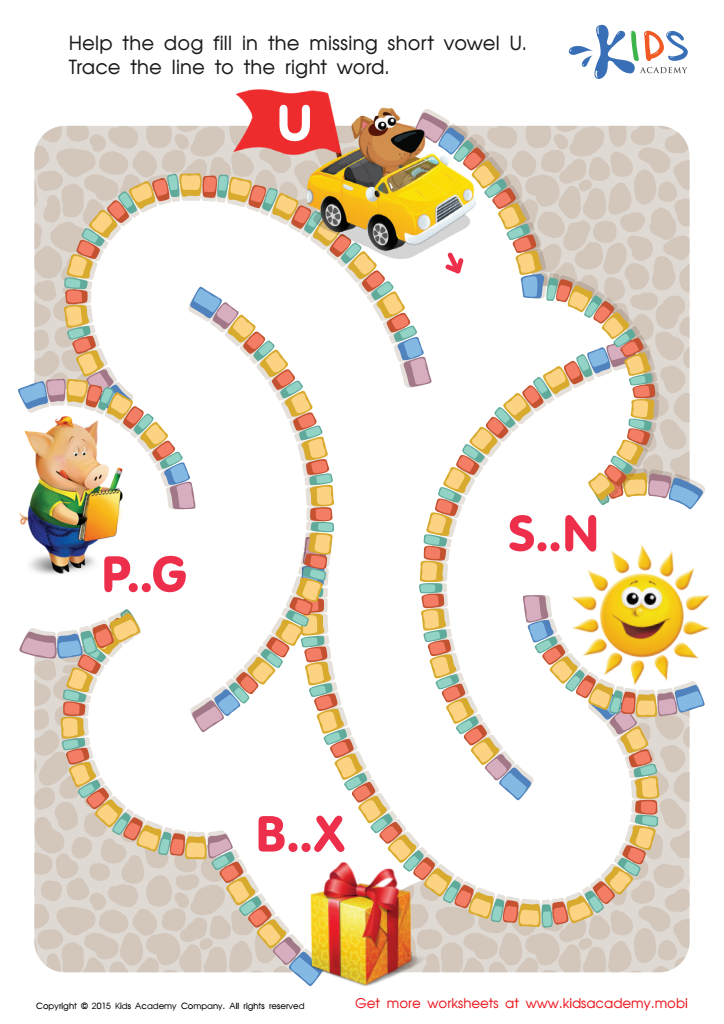
Short Vowel Sound U Worksheet

Long and Short U Worksheet
 Assign to My Students
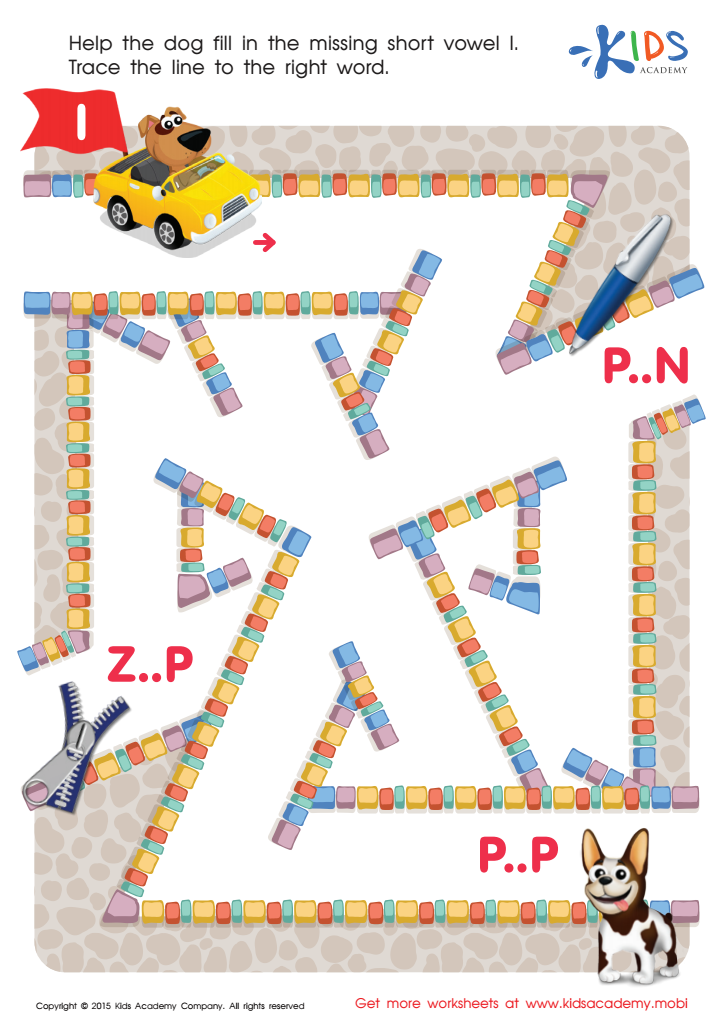
Short Vowel Sound I Worksheet
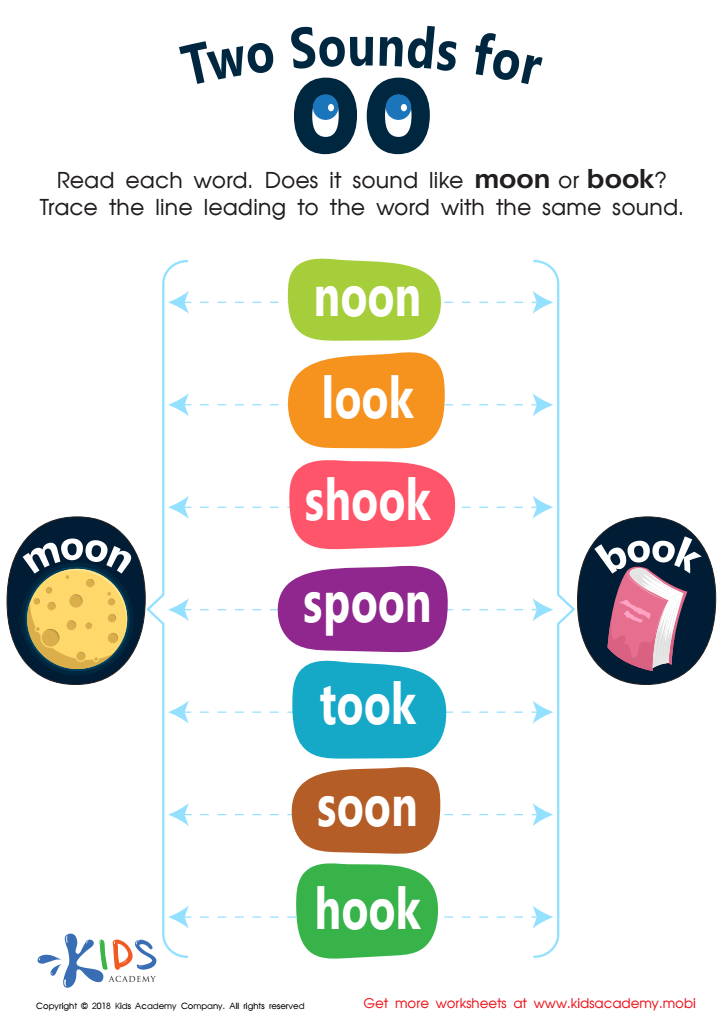
Two Sounds for OO Worksheet
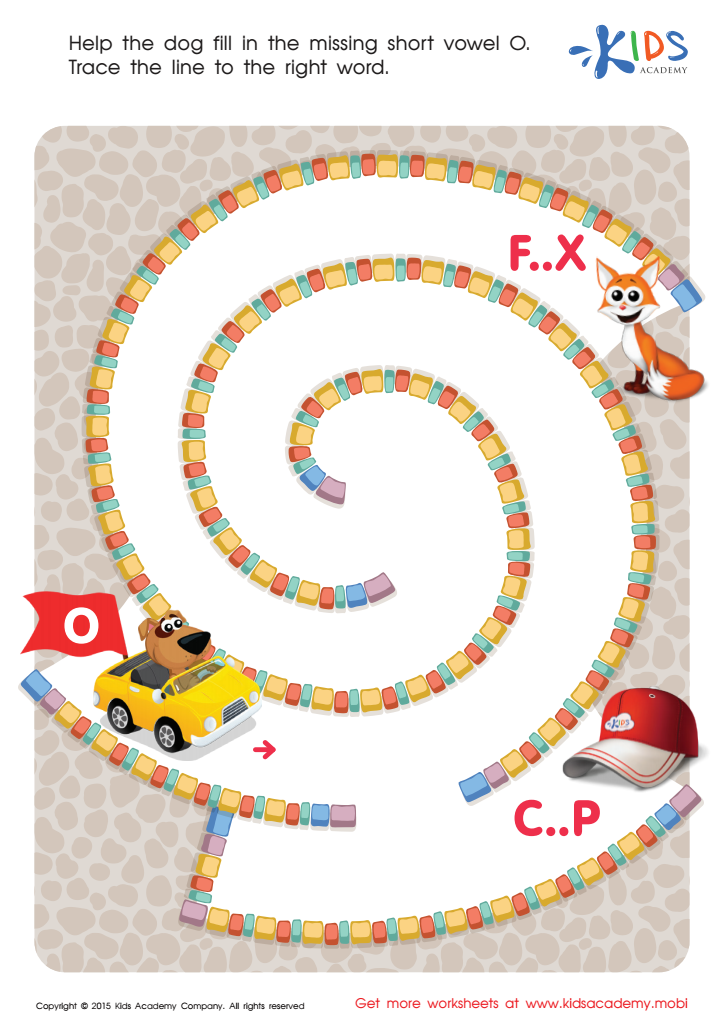
Short Vowel Sound O Worksheet
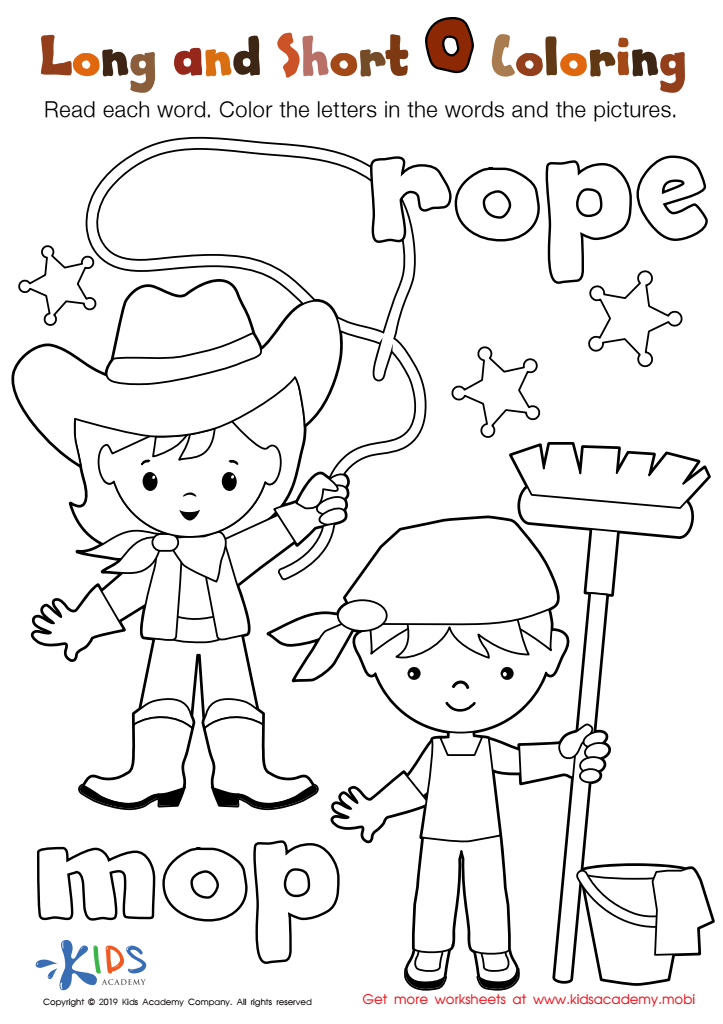
Long and Short O Worksheet
Assign to My Students
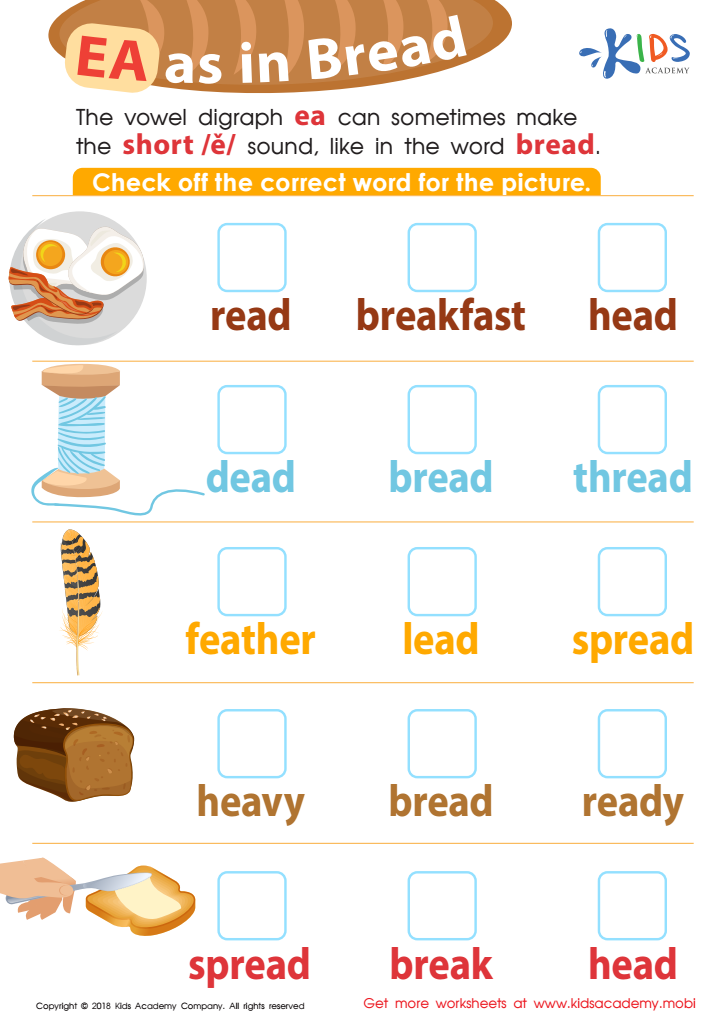
Reading: EA as in Bread Worksheet



Vocabulary expansion, particularly focusing on short vowels for children ages 6-7, is crucial for several reasons. First, early language development sets the foundation for future literacy skills. At this stage, children are developing phonemic awareness, which is the ability to hear, identify, and manipulate sounds in words. Understanding short vowel sounds can help them decode new words, making reading less daunting and more enjoyable.
Moreover, a robust vocabulary enhances comprehension and communication skills, ensuring that children can express their thoughts clearly. When children grasp short vowel patterns, they begin to recognize and form a variety of words, enriching their verbal and written communication.
Additionally, vocabulary acquisition at this age is directly tied to academic success. Children with a wider vocabulary tend to perform better in reading and writing assessments, contributing to their overall confidence and motivation to learn. This formative stage also fosters a love for language and learning, which can influence academic attitudes throughout their lives.
For parents and teachers, fostering a rich vocabulary environment encourages exploration and curiosity, essential for lifelong learning. Engaging with short vowels through activities, games, and conversations not only aids skill development but strengthens the bond between children and their caregivers, creating a supportive learning culture.