Handwriting practice Tracing Letters Worksheets for Ages 6-7 - Page 2
28 filtered results
-
From - To
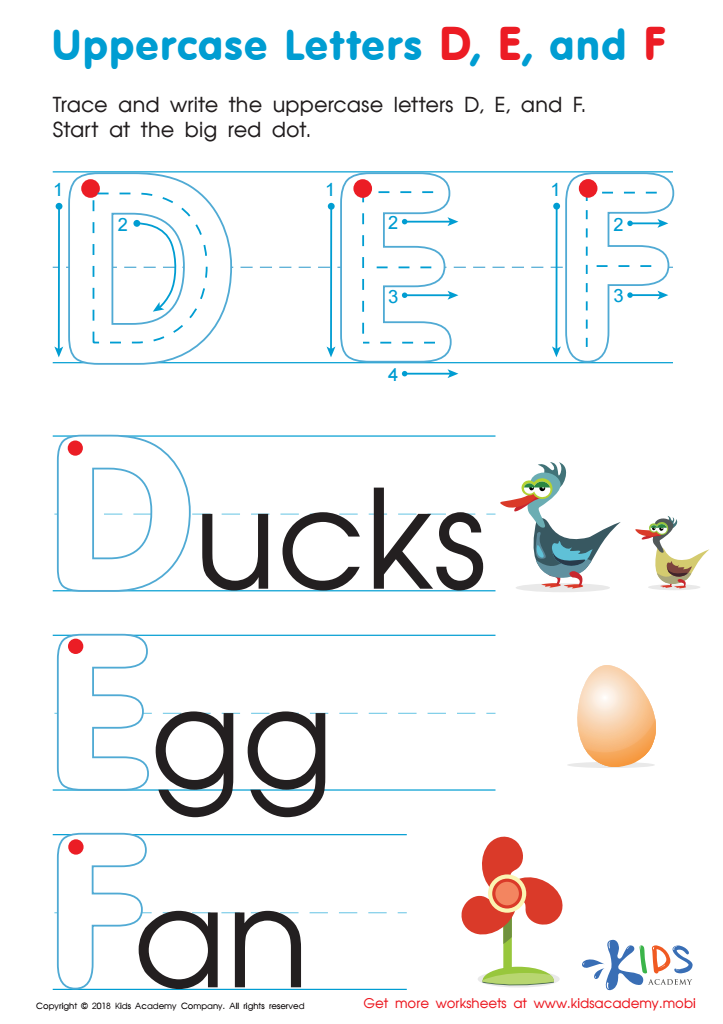
Uppercase Letters D, E, and F Worksheet
 Assign to My Students
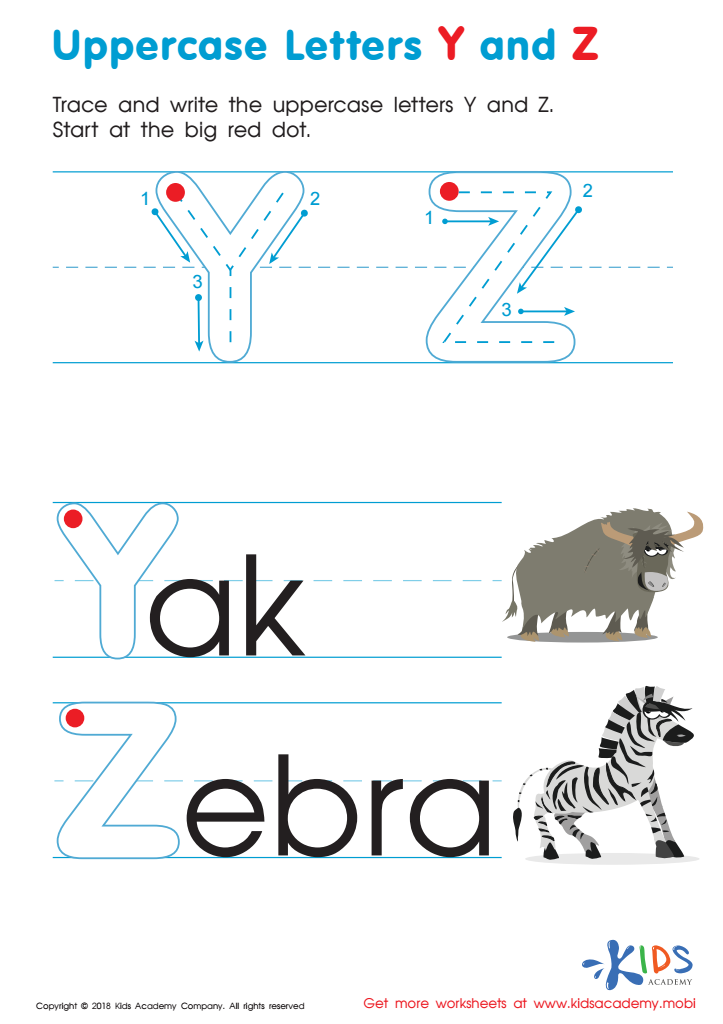
Uppercase Letters Y Z Worksheet
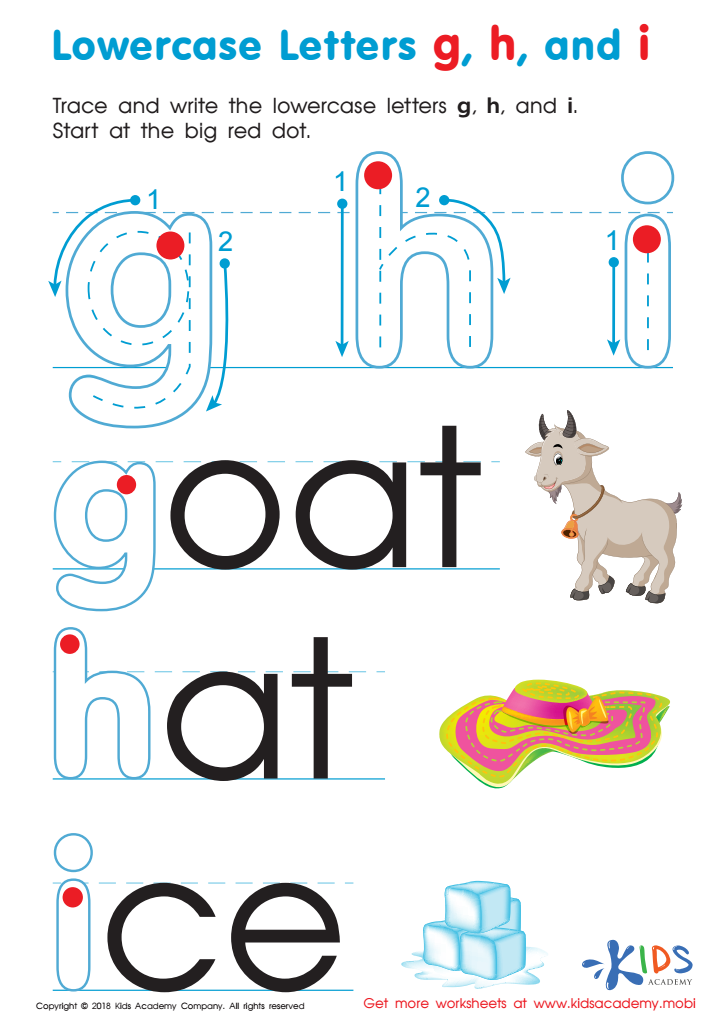
Lowercase Letters g h i Worksheet
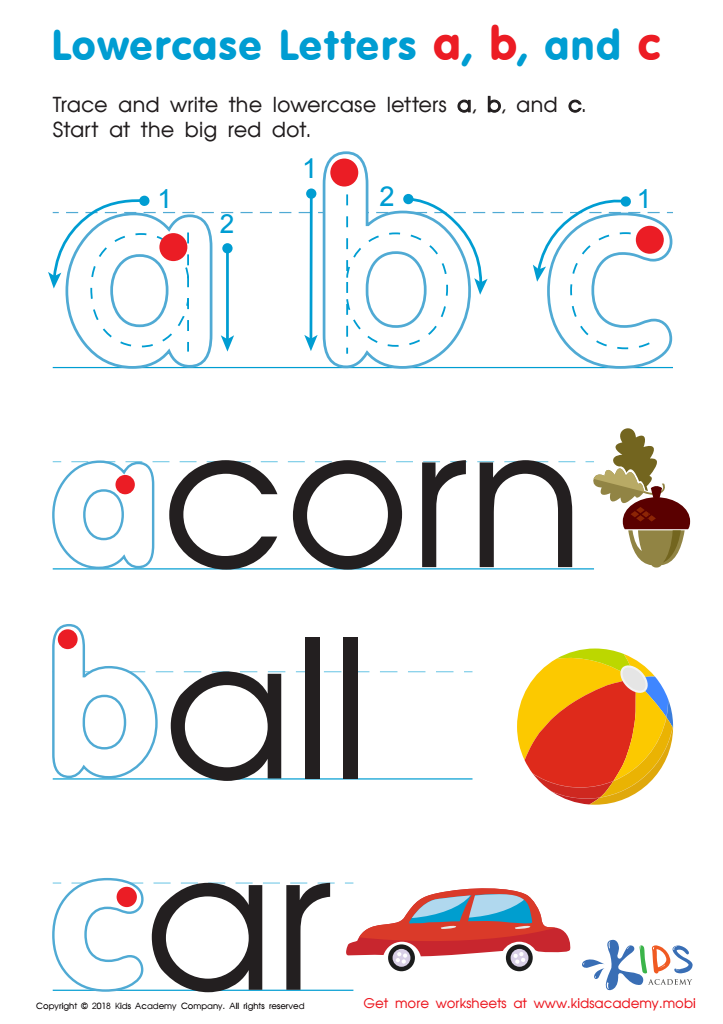
Lowercase Letters a b c Worksheet








Handwriting practice, particularly tracing letters for ages 6-7, is crucial for several reasons. At this developmental stage, children are refining their fine motor skills, which are essential for overall dexterity. Tracing letters helps strengthen hand muscles and improve coordination, laying the foundation for proficient writing skills later on. When children engage in tracing exercises, they also develop spatial awareness by learning how letters are formed and how they should be positioned on the page.
Additionally, tracing letters enhances cognitive development. As children visually engage with letters, they begin to associate shapes with sounds, reinforcing literacy skills essential for reading and spelling. The act of tracing supports memory retention and helps children internalize proper letter formation, making the writing process more fluid and less challenging.
Moreover, handwriting practice instills a sense of discipline and patience in young learners. Completing tracing assignments can boost their confidence as they see tangible improvements in their writing abilities. For parents and teachers, emphasizing handwriting practice fosters a love for writing, aiding in effective communication skills later in life. In summary, handwriting practice is vital for developing fine motor skills, cognitive abilities, and a strong foundation for future literacy.








