Alphabet Recognition Upper & Lowercase Letters Worksheets for Ages 6-7
19 filtered results
-
From - To
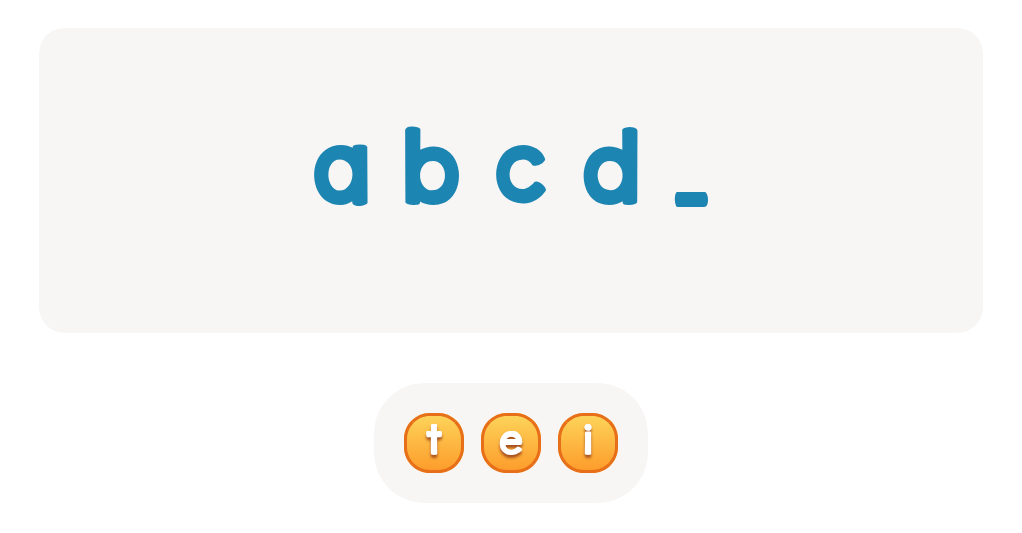
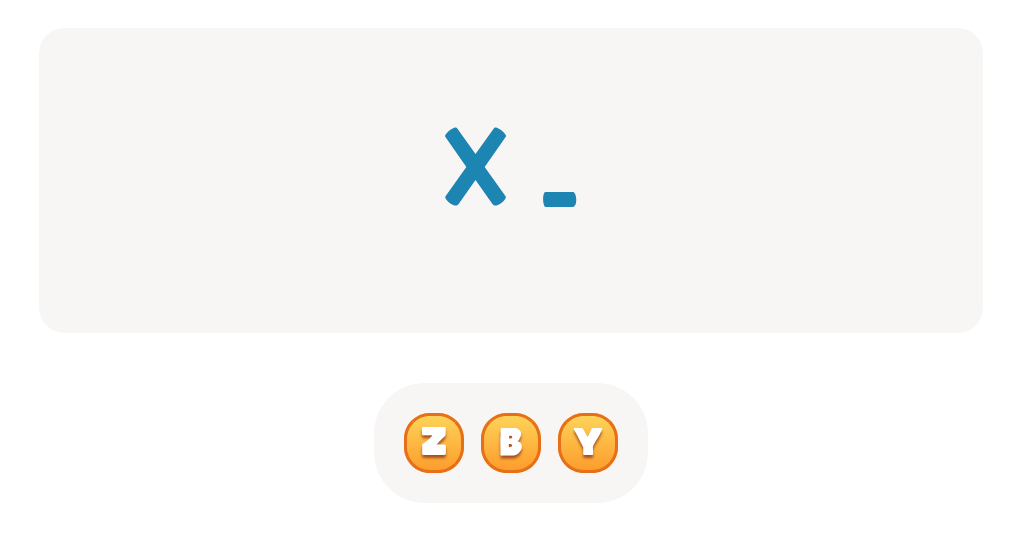
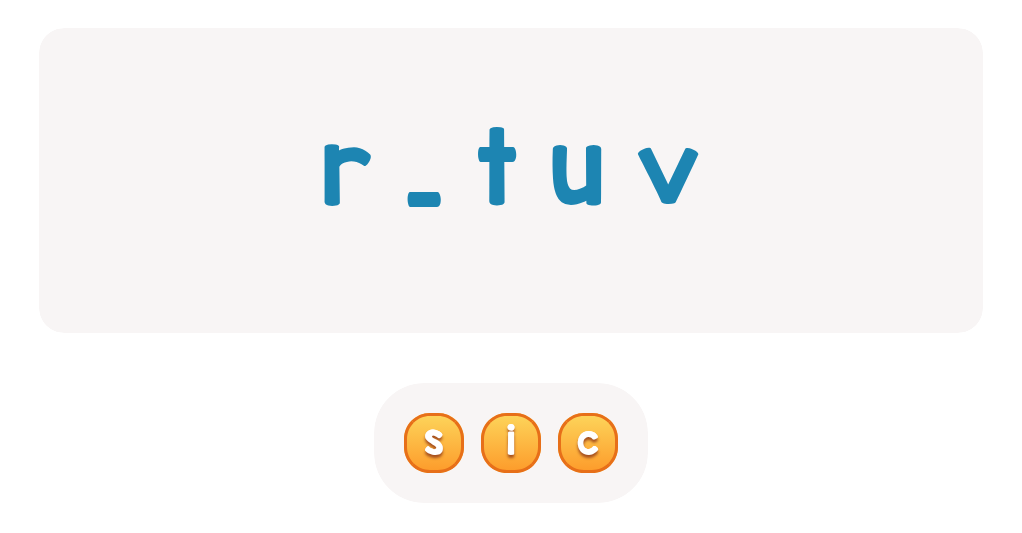
Boost your child's reading skills with our Alphabet Recognition Upper & Lowercase Letters Worksheets, perfect for ages 6-7. These printable resources are designed to help young learners differentiate between uppercase and lowercase letters, enhancing their phonemic awareness and early literacy skills. Each worksheet provides engaging activities that make letter recognition fun and intuitive. Kids will enjoy tracing, matching, and identifying letters, which are essential for successful reading development. Ideal for classrooms, homeschooling, or extra practice at home, these worksheets are a valuable addition to any educational toolkit. Start your child's literacy journey today!
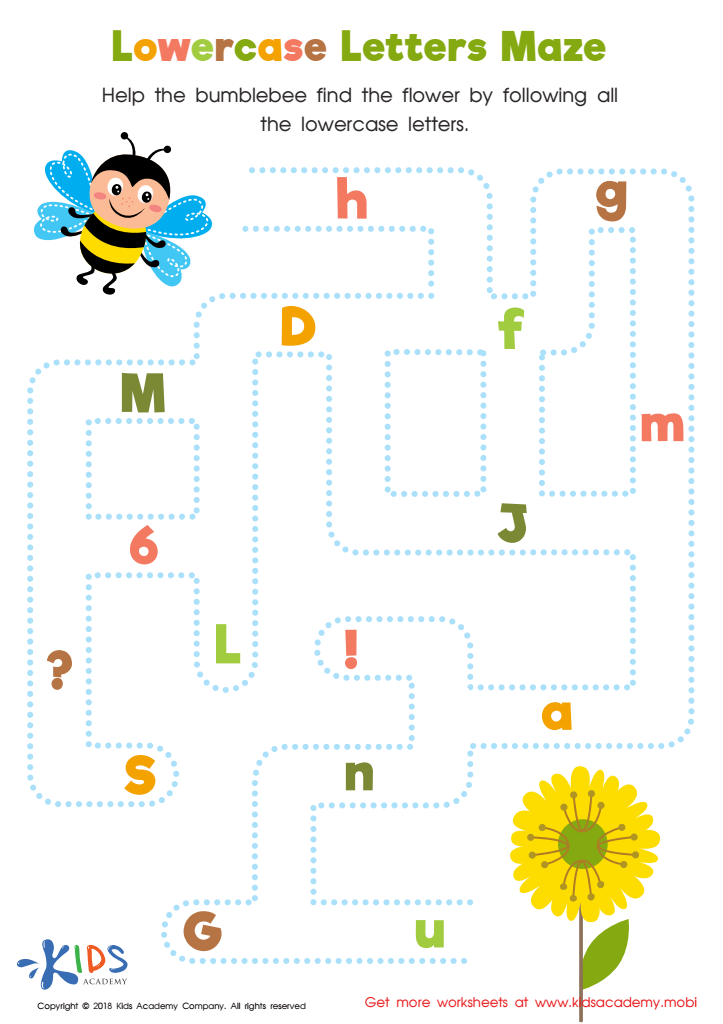
Lowercase Letters Maze Worksheet
 Assign to My Students

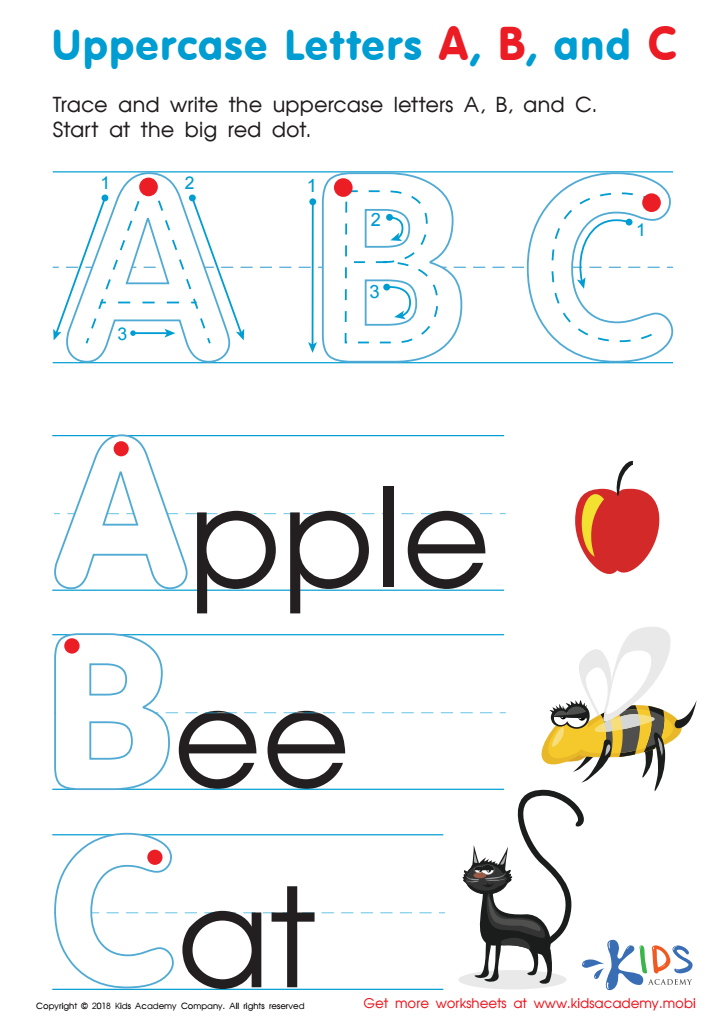
Uppercase Letters A, B, and C Worksheet
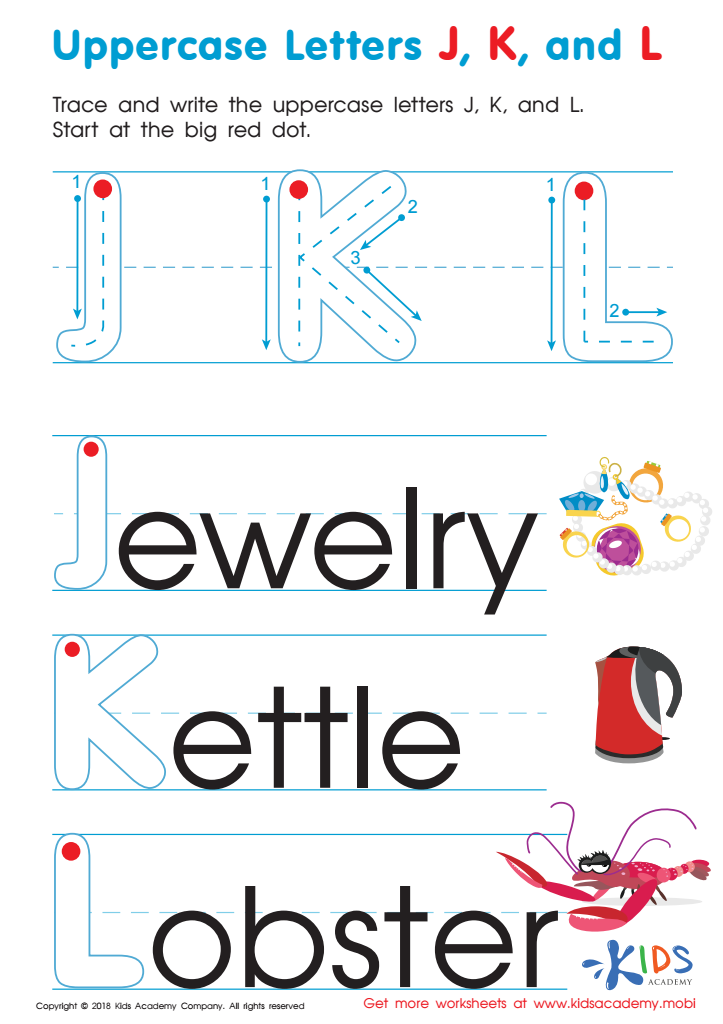
Uppercase Letters J, K, and L Worksheet
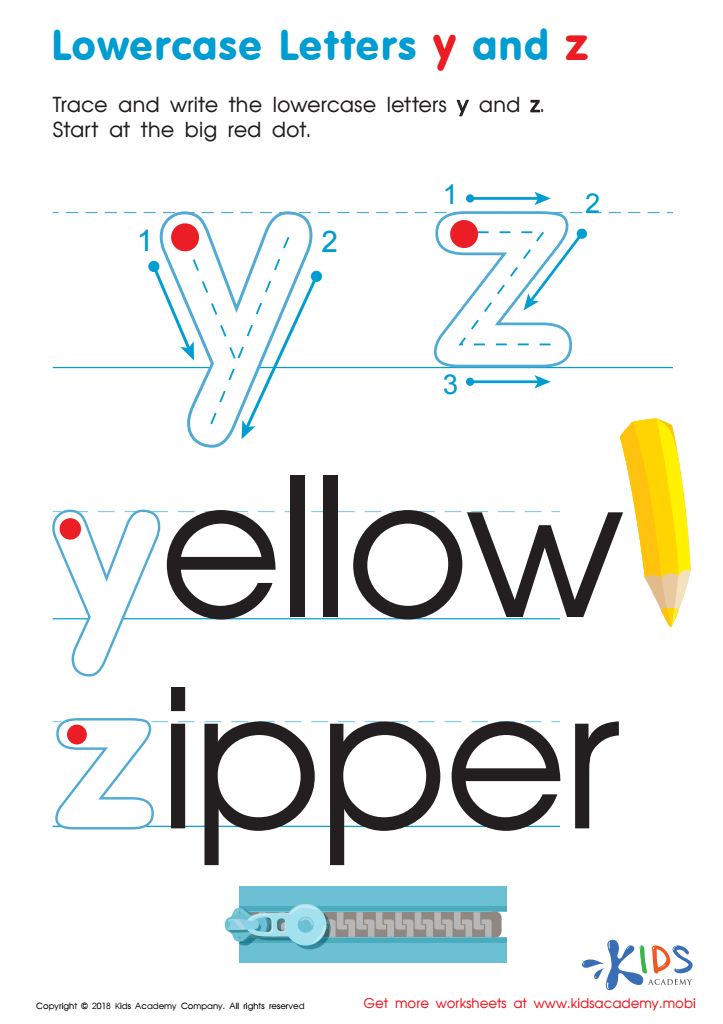
Lowercase Letters y z Worksheet
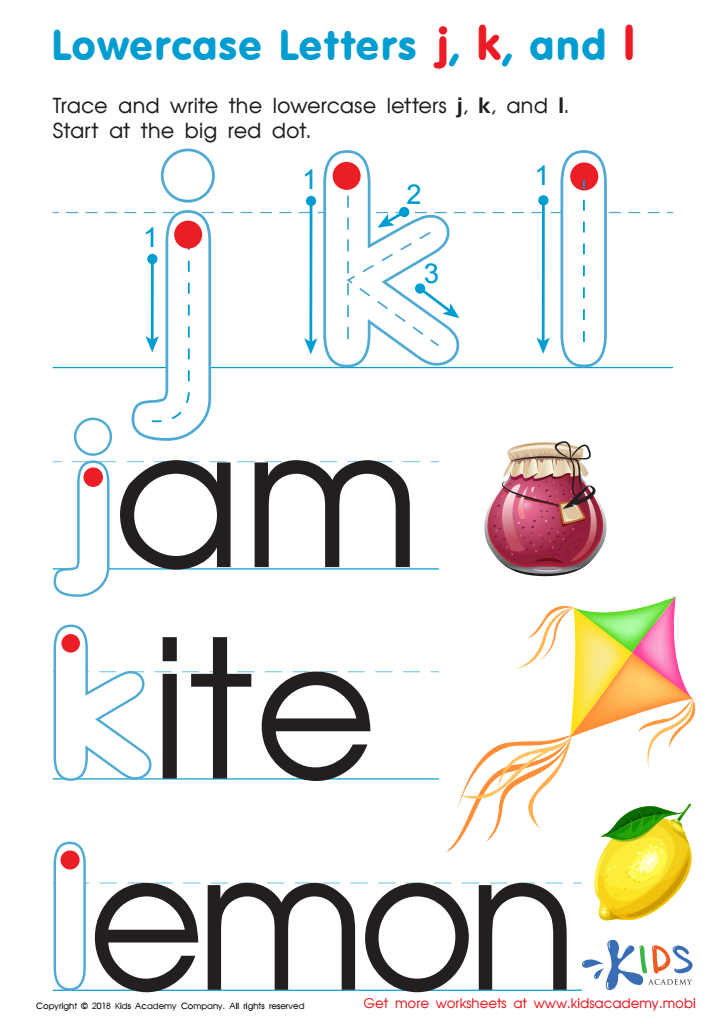
Lowercase Letters j k l Worksheet
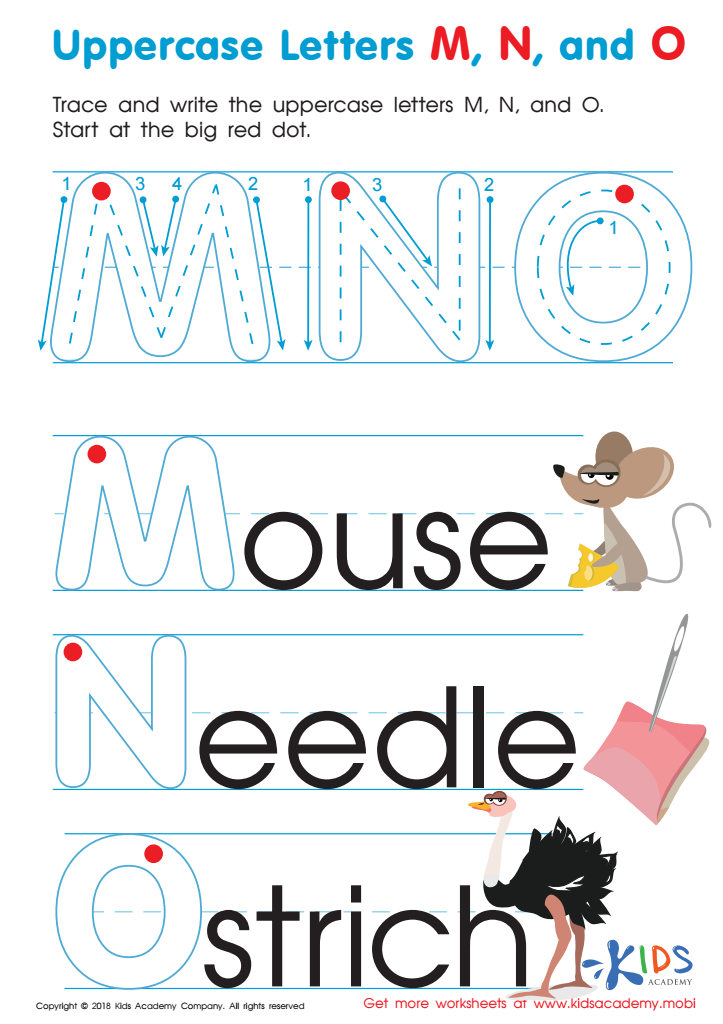
Uppercase Letters M, N, and O Worksheet
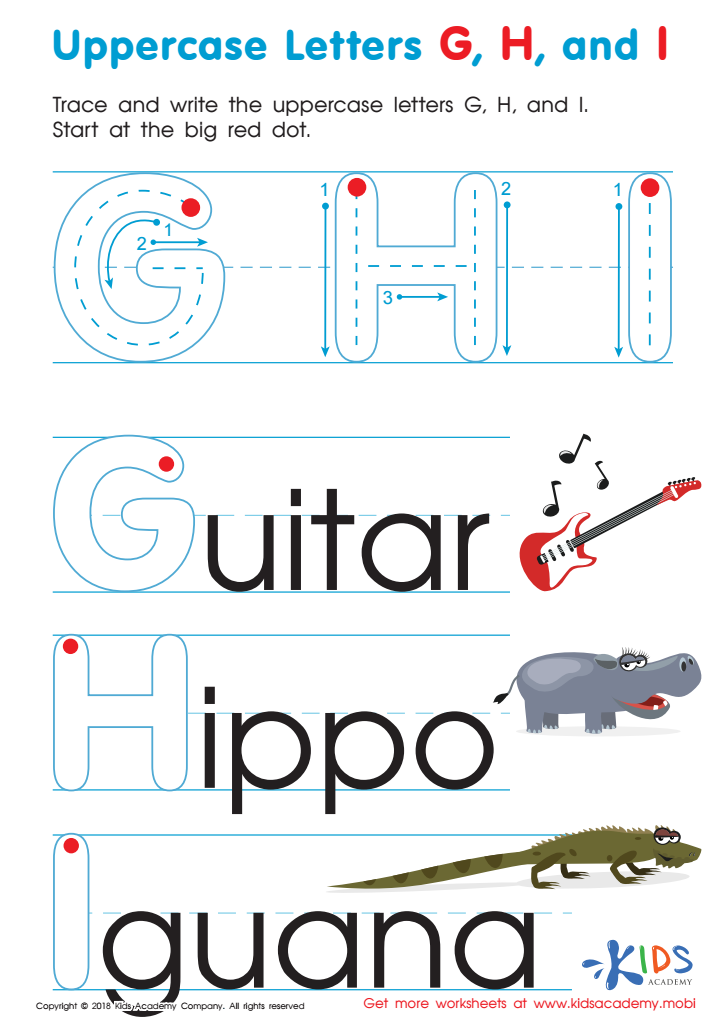
Uppercase Letters G, H, and I Worksheet
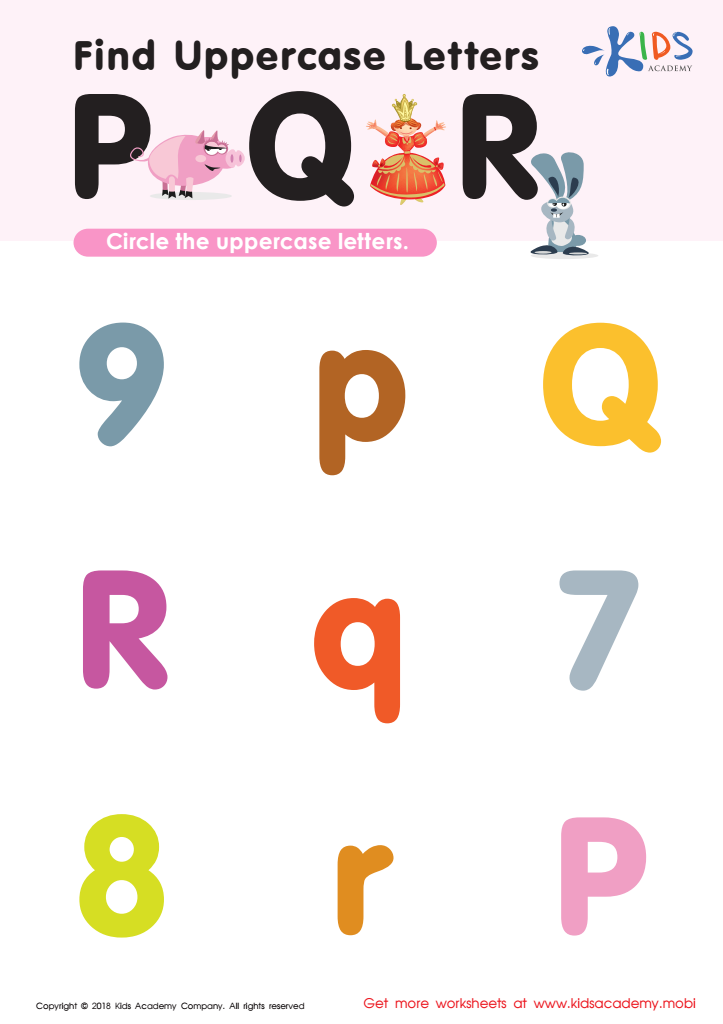
Find Uppercase Letters P, Q, and R Worksheet

Lowercase Letters m n o Worksheet
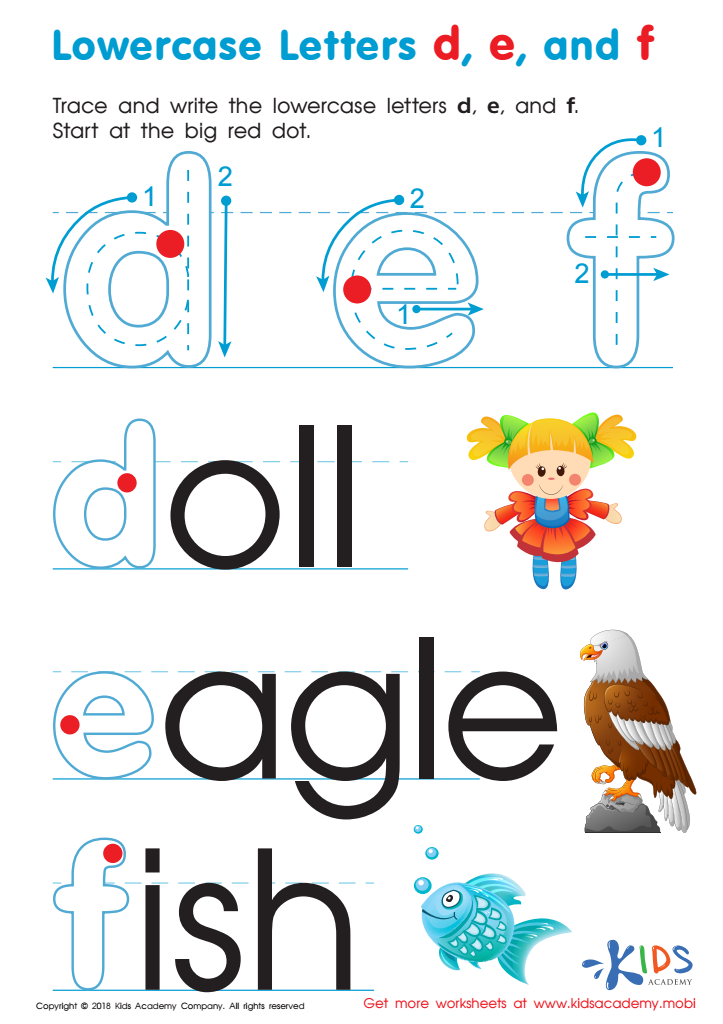
Lowercase Letters d e f Worksheet
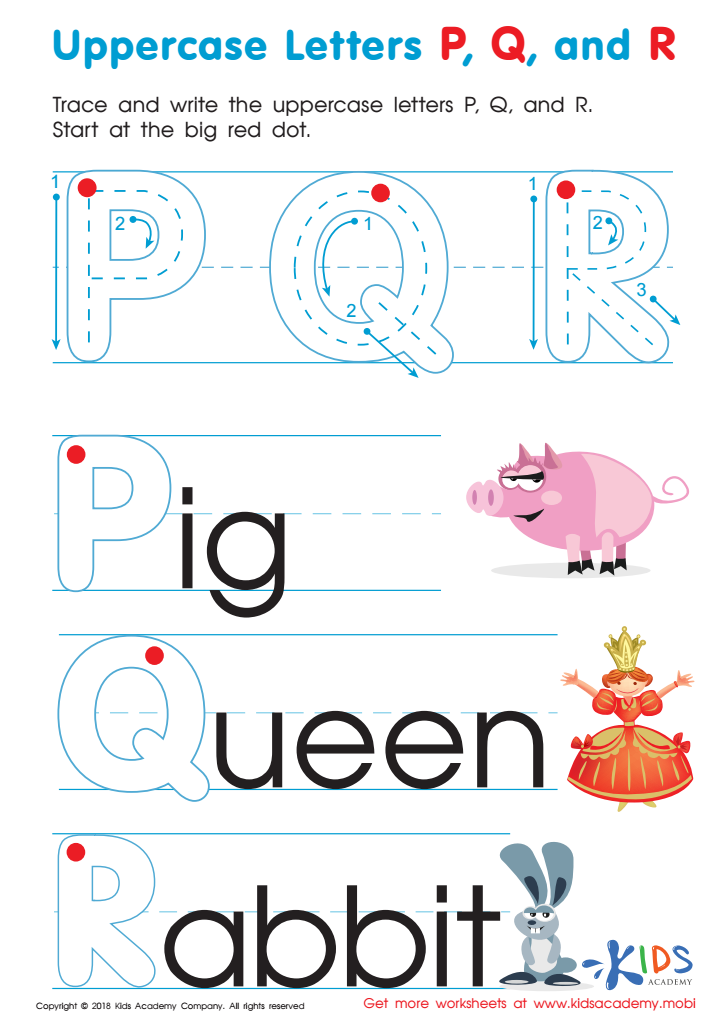
Uppercase Letters P, Q, and R Worksheet
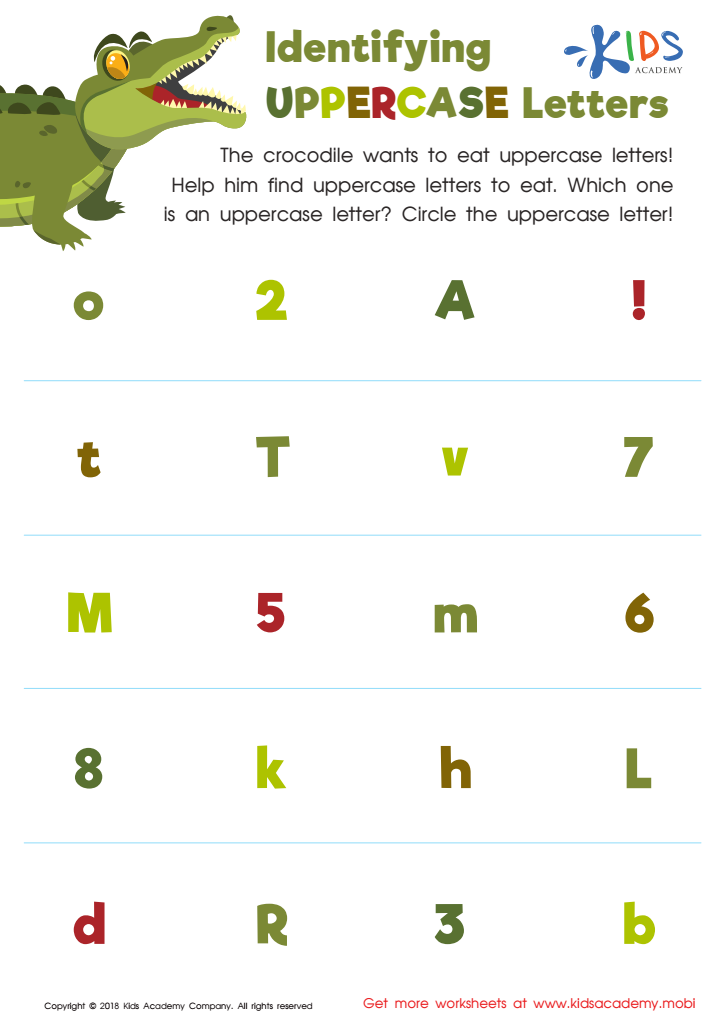
Identifying Uppercase Letters Worksheet
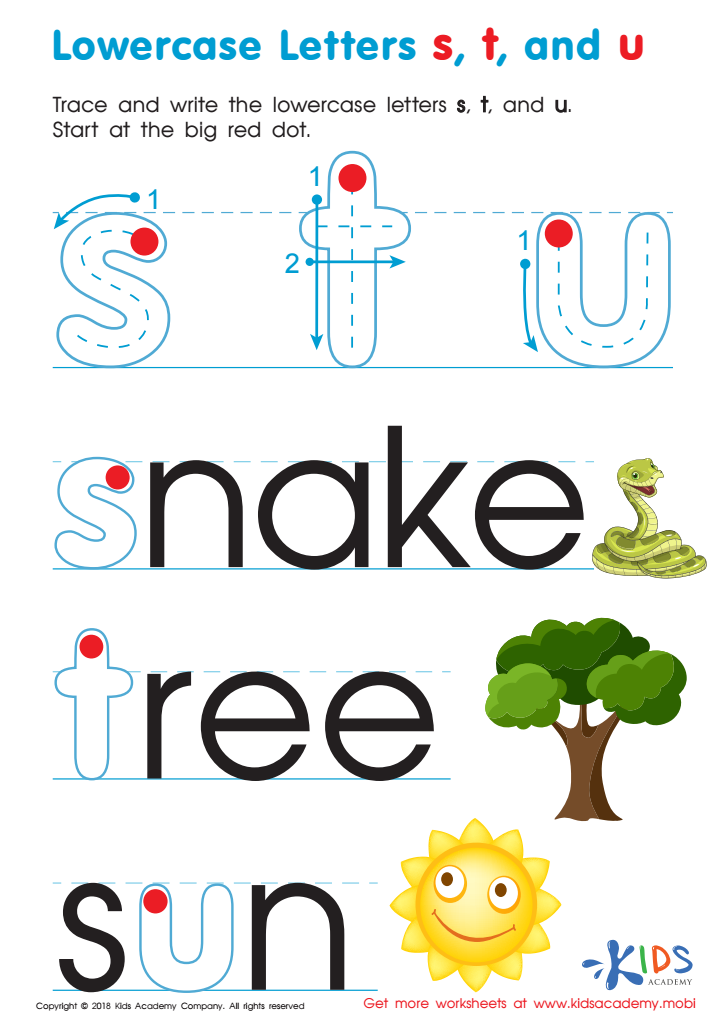
Lowercase Letters s t u Worksheet
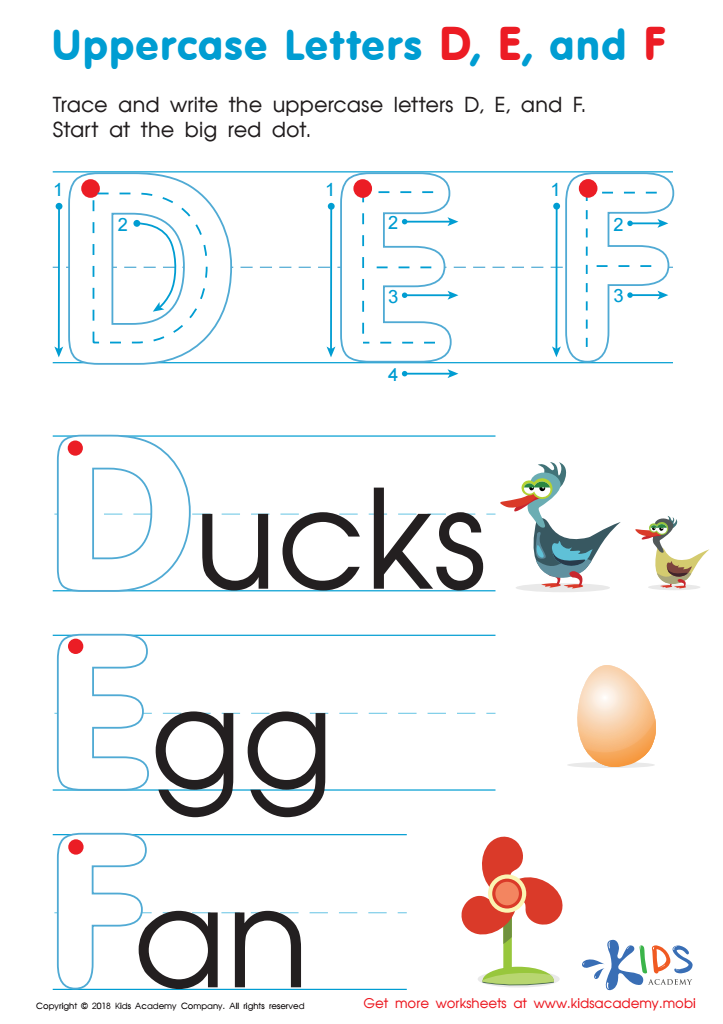
Uppercase Letters D, E, and F Worksheet
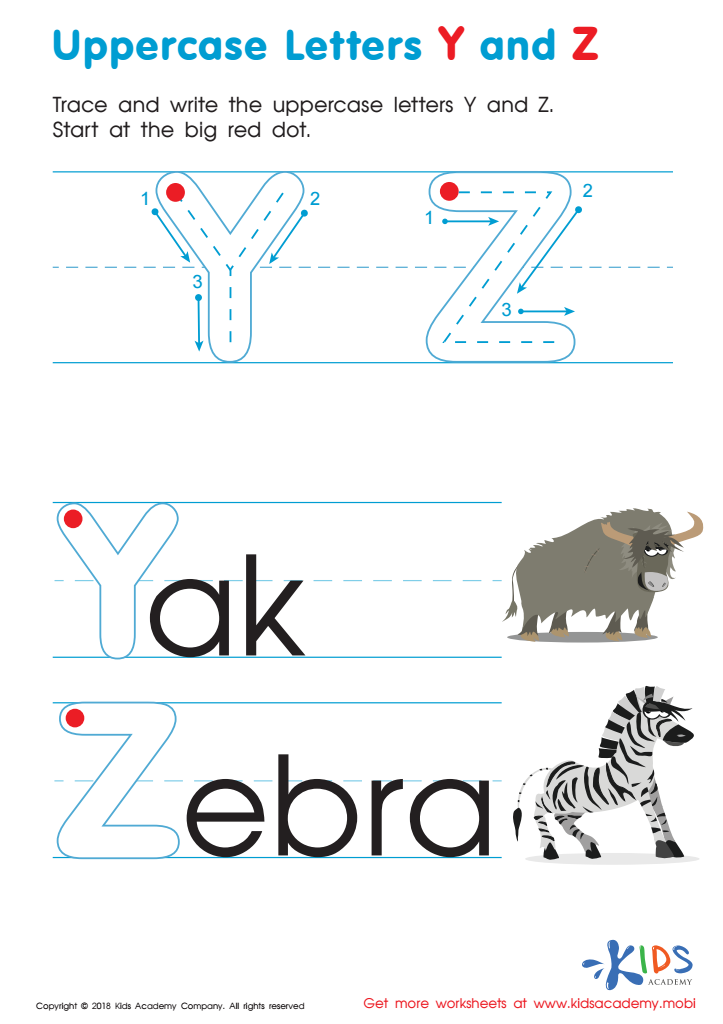
Uppercase Letters Y Z Worksheet
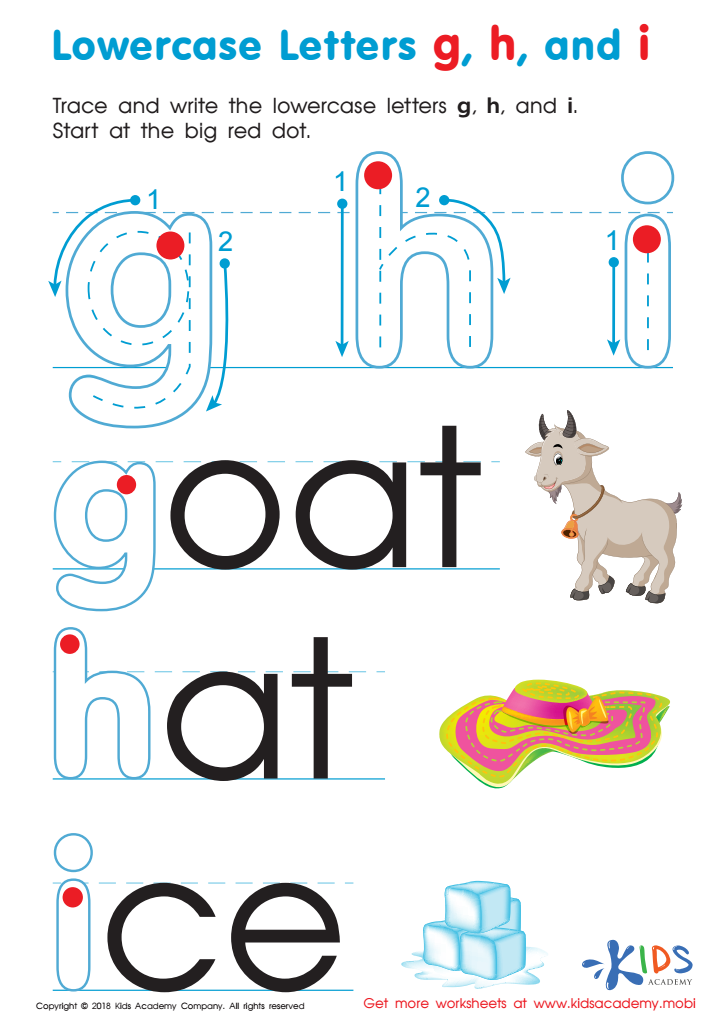
Lowercase Letters g h i Worksheet
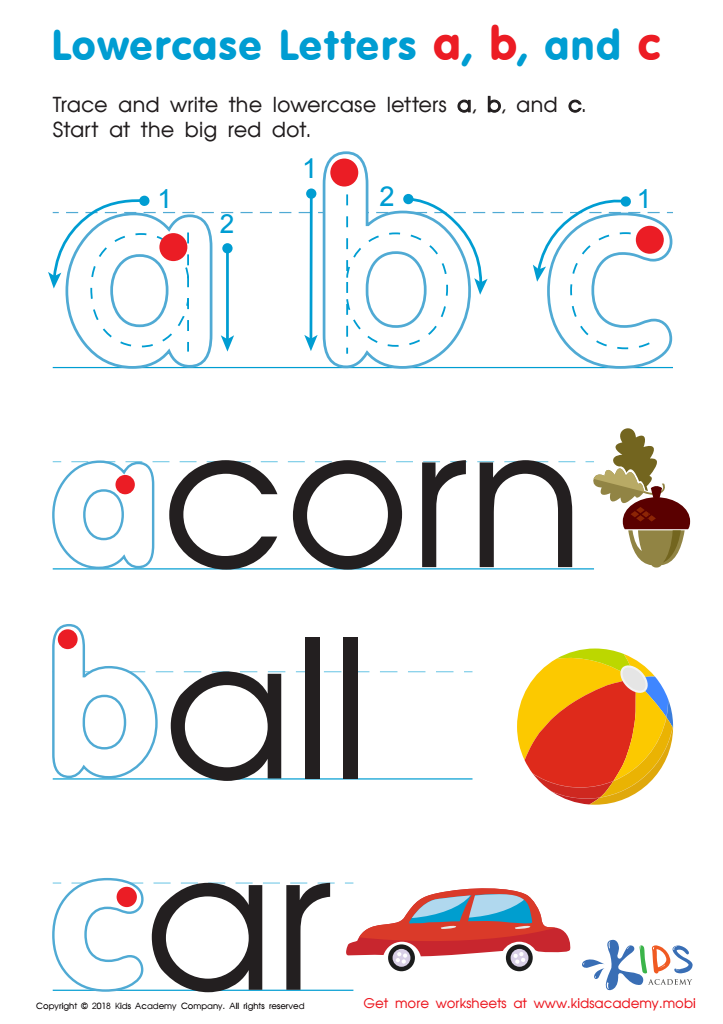
Lowercase Letters a b c Worksheet
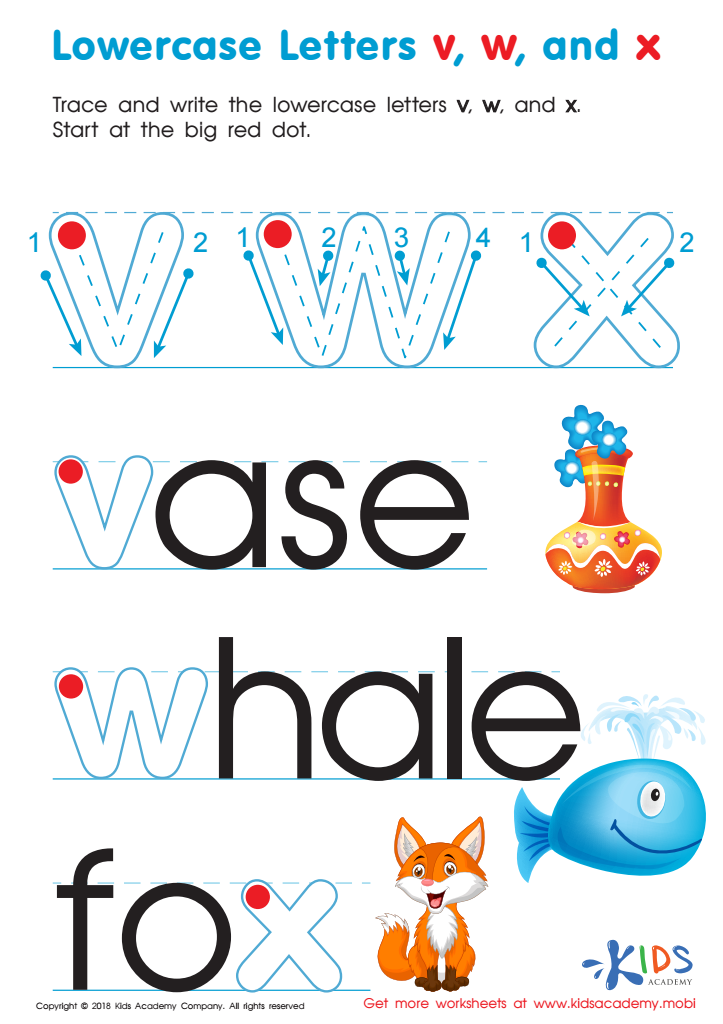
Lowercase Letters v w x Worksheet
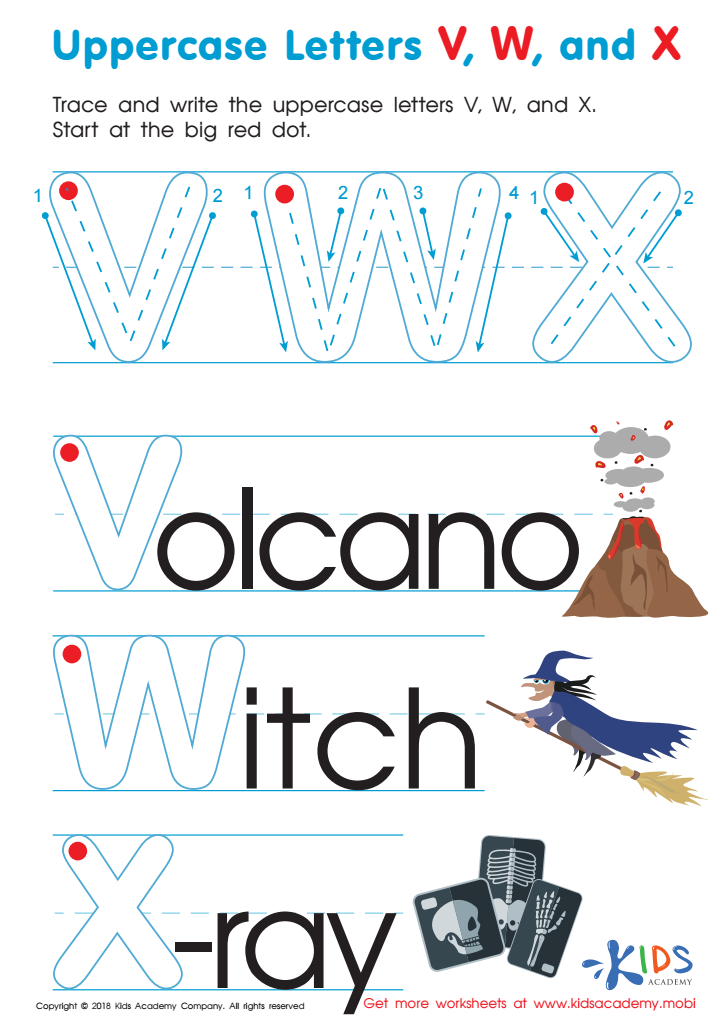
Uppercase Letters V, W, and X Worksheet






Alphabet recognition, both upper and lowercase letters, is a fundamental skill that serves as the building block for reading and writing in young learners aged 6-7. At this pivotal stage, establishing a strong foundational knowledge of the alphabet can lead to significant advances in a child's literacy development and overall academic success.
For parents and teachers, it is important to recognize that proficiency in alphabet recognition correlates directly with early reading skills. When children can fluently identify and differentiate between uppercase and lowercase letters, they are better equipped to understand phonics—connecting letters with their corresponding sounds. This skill is essential for decoding new words, recognizing sight words, and, consequently, enhancing reading comprehension.
Moreover, mastering both letter cases aids in writing proficiency. Young learners frequently encounter varied case formats in books, schoolwork, and daily interactions. Familiarity with both cases reduces confusion and increases their confidence in reading and writing activities, facilitating smoother transitions from thought to written expression.
Teachers and parents should actively engage children with fun and interactive alphabet activities—such as puzzles, educational games, and reading exercises—to reinforce letter recognition. By prioritizing this foundational skill, we empower children to become confident, capable readers and writers, setting them on a path toward lifelong learning success.







