Lowercase identification Upper & Lowercase Letters Worksheets for Ages 6-7
5 filtered results
-
From - To
Unlock the world of letters with our engaging Lowercase Identification Worksheets, designed specifically for children aged 6-7. These interactive resources help young learners master uppercase and lowercase letter recognition, a vital skill for early literacy development. Our worksheets feature various fun activities, including tracing, matching, and coloring, ensuring hours of enjoyable practice. Each exercise supports fine motor skill development while reinforcing alphabet knowledge in a creative way. Ideal for both classroom and home use, these worksheets help children build confidence in their reading and writing abilities. Download now and watch your child's understanding of letters flourish!
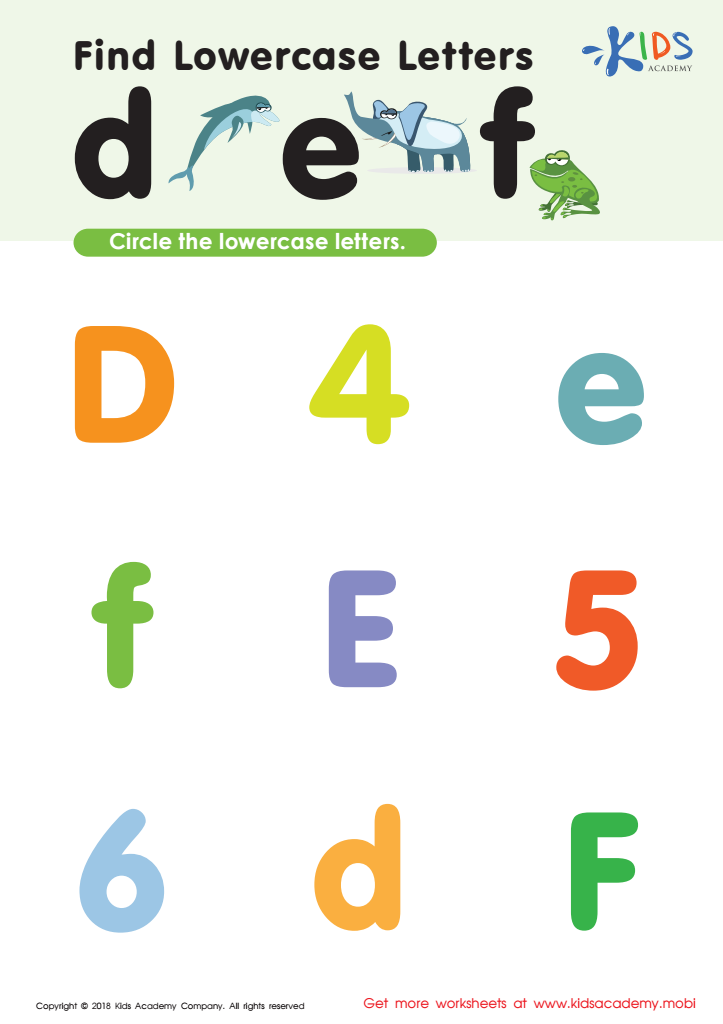
Find Lowercase Letters d e f Worksheet
 Assign to My Students
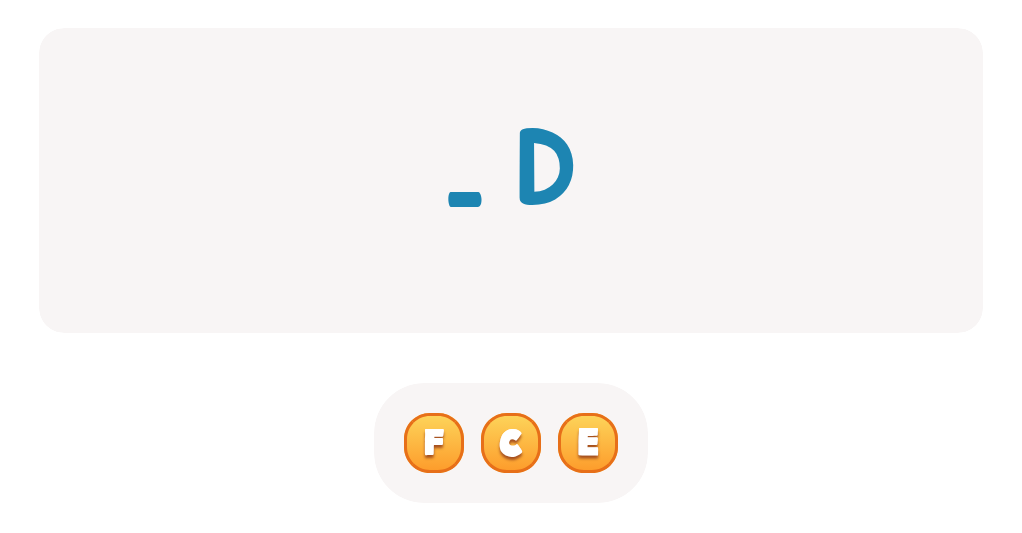

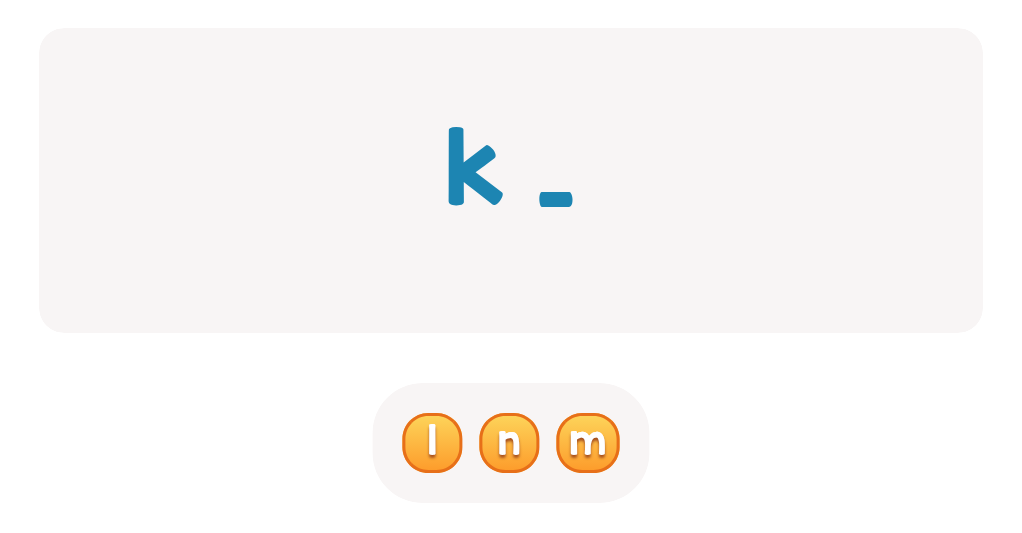
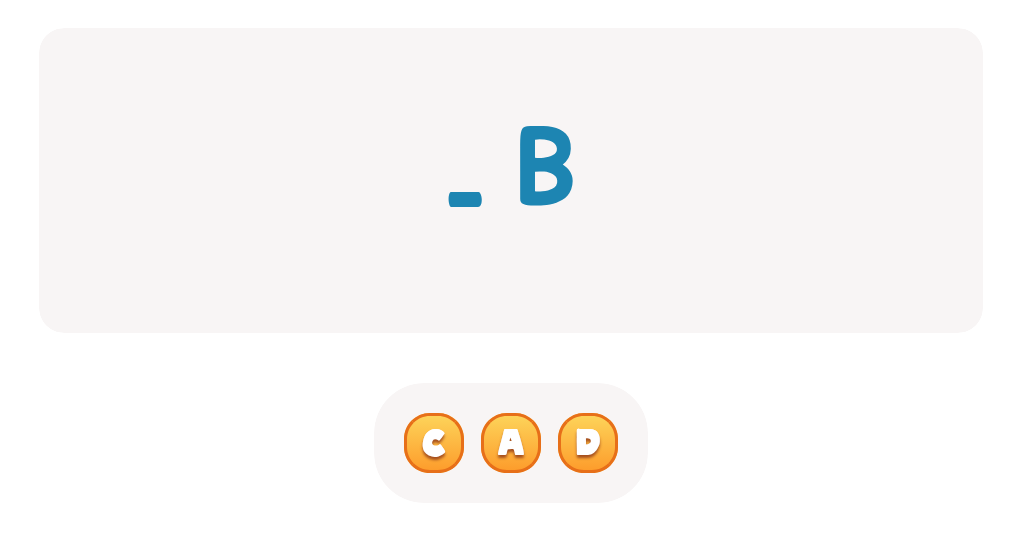
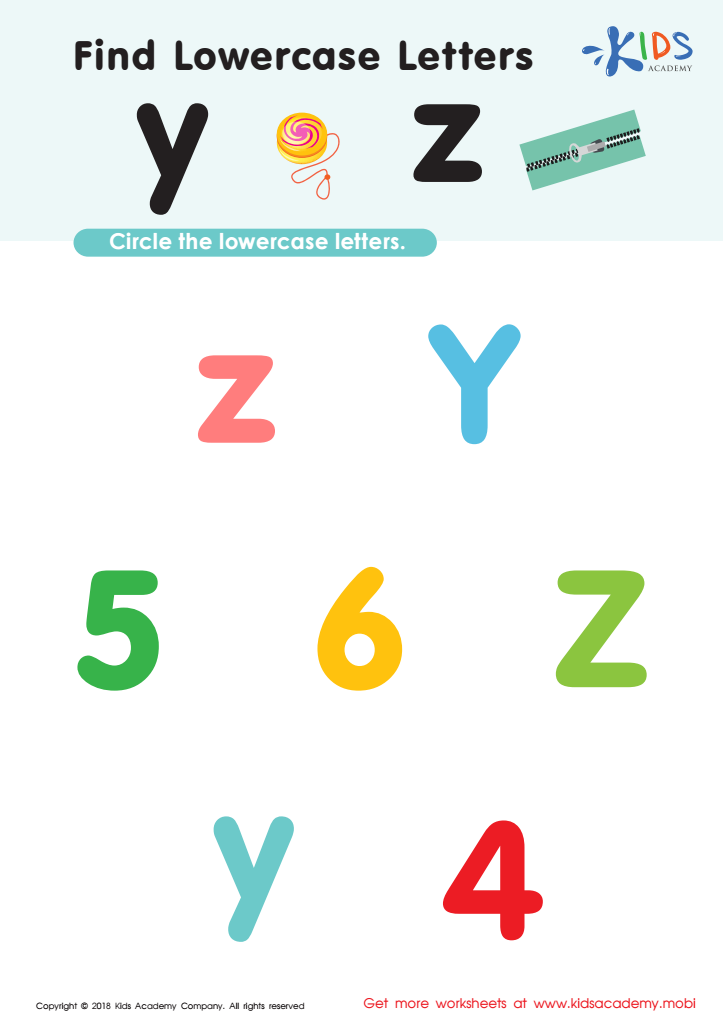
Find Lowercase Letters y z Worksheet
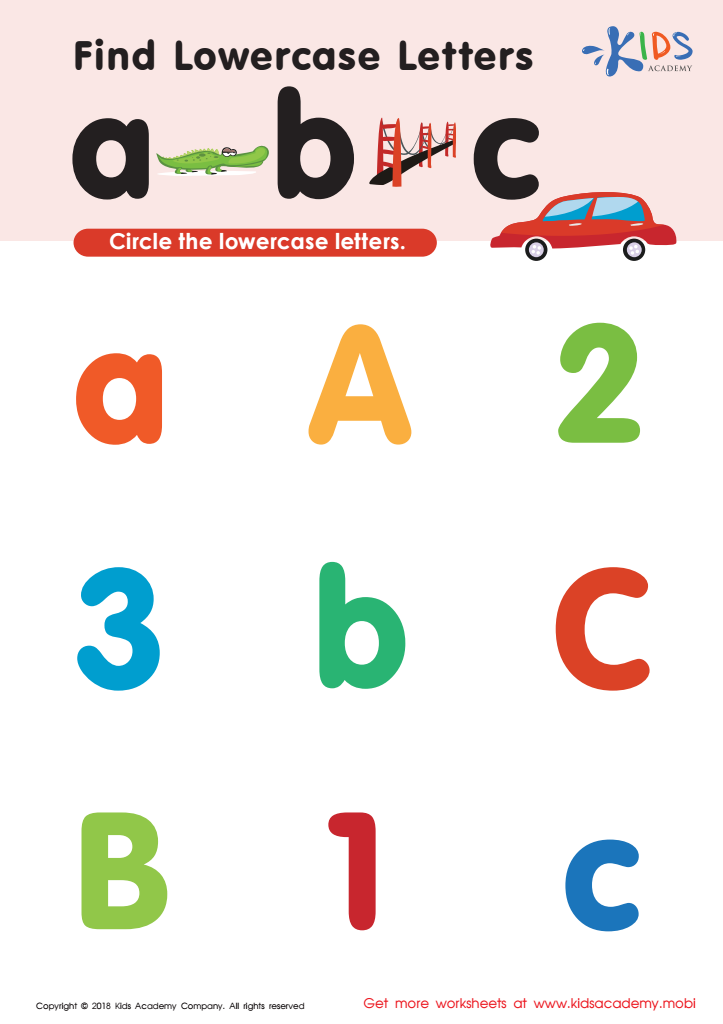
Find lowercase letters a b c Worksheet
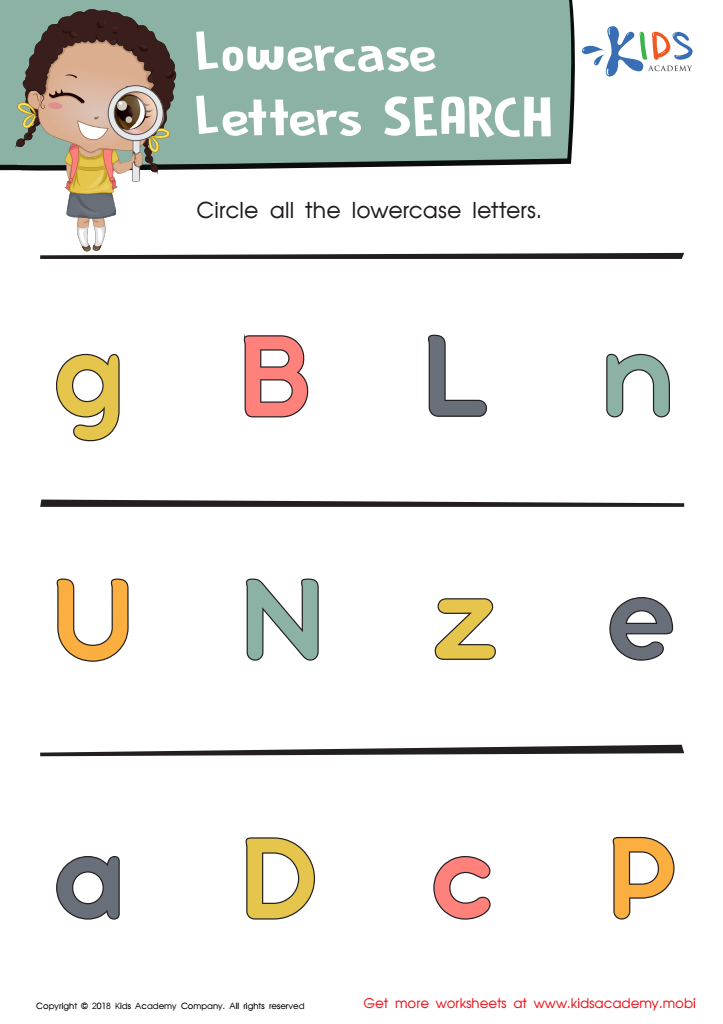
Lowercase Letters Search: Assessment Worksheet
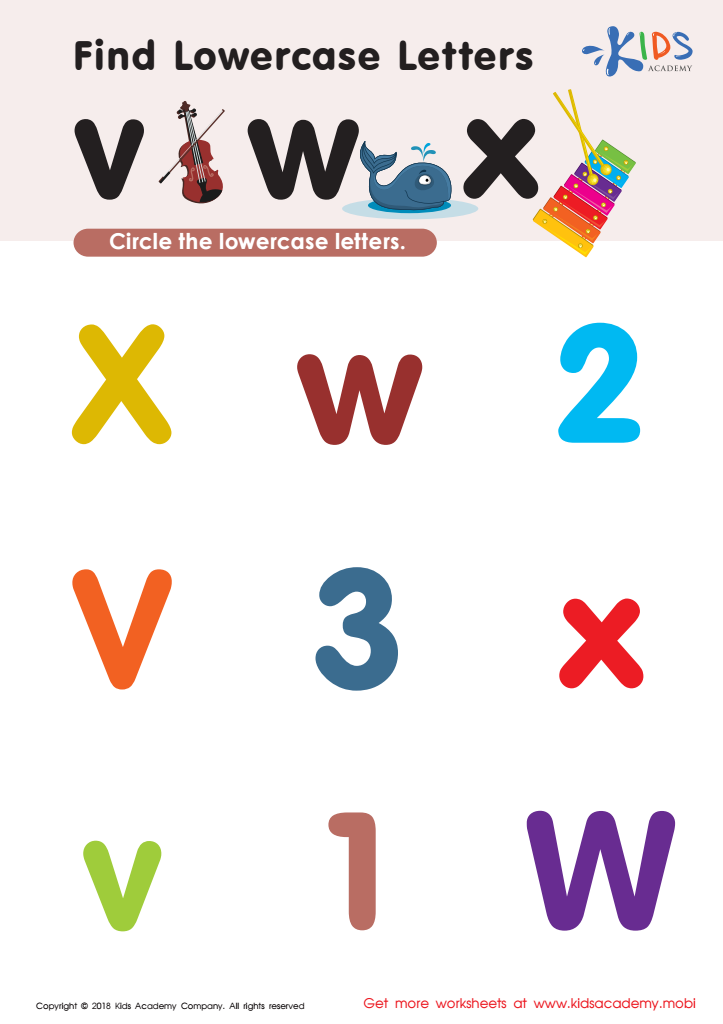
Find Lowercase Letters v w x Worksheet






Parents and teachers should prioritize lowercase and uppercase letter identification for children aged 6-7 because this foundational skill significantly impacts literacy development. During this critical age, children begin to engage more deeply with reading and writing. Understanding both forms of letters is essential as most reading materials utilize a combination of upper and lowercase letters. Children will encounter more lowercase letters in everyday text, emphasizing the need to recognize and differentiate them confidently.
Identifying lowercase letters also supports spelling and grammar skills. Awareness of letter case influences sentence structure, punctuation, and overall writing clarity. For instance, understanding that proper nouns start with uppercase letters while common nouns do not is essential for sentence formation.
Moreover, mastering lowercase letters is crucial for fostering children's confidence in their writing. As students transition from learning to read to reading to learn, the ability to recognize and use both letter types allows for effective communication and academic success. Engaging in activities that promote letter identification can boost a child's motivation and love for learning, setting a solid groundwork for future literacy skills. Ultimately, investing time in this area enhances children's educational experiences and prepares them for ongoing academic challenges.







