Critical Thinking Coloring Pages Worksheets for Ages 6-7
4 filtered results
-
From - To
Nurture your child’s analytical mind with our Critical Thinking Coloring Pages Worksheets tailored for ages 6-7. These interactive sheets blend the joy of coloring with engaging puzzles and activities designed to enhance critical thinking skills. Each worksheet encourages problem-solving, logical reasoning, and creativity, providing a fun and educational experience. Ideal for developing young minds, our critical thinking coloring pages are a perfect addition to both classroom and at-home learning. Help your child expand their cognitive abilities while indulging in a delightful artistic activity. Browse our collection today and watch your child’s critical thinking flourish!
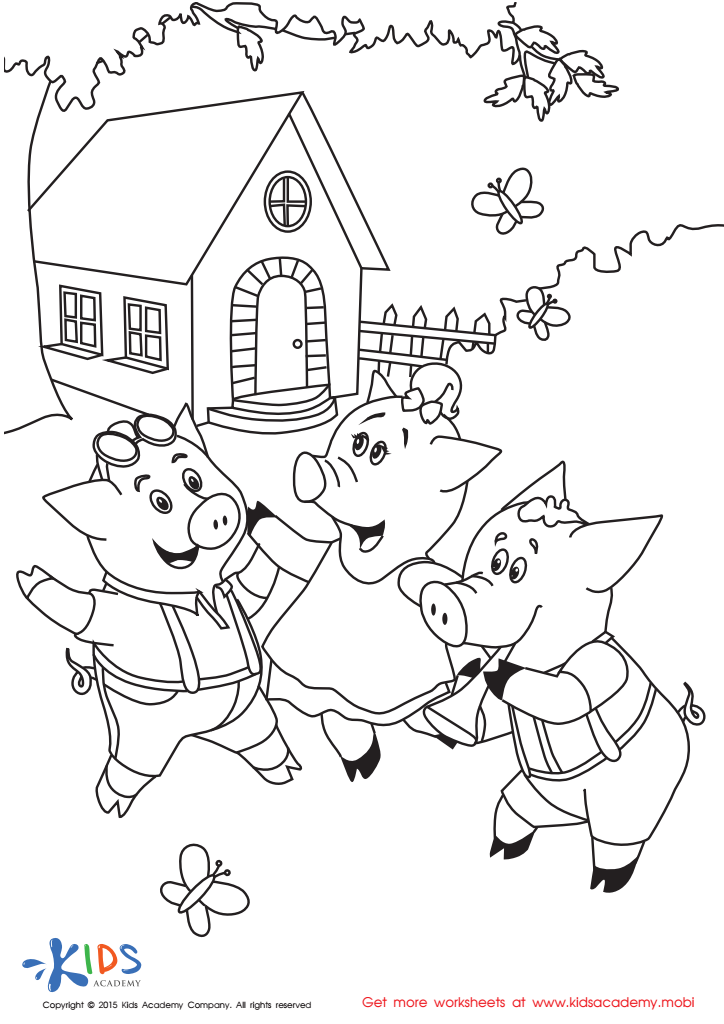
Folktales Printable PDF Worksheet: The 3 Little Pigs
 Assign to My Students

Easter: a Bunny and a Lamb Worksheet
Assign to My Students





.jpg)



Critical Thinking Coloring Pages for children ages 6-7 are a valuable educational tool that parents and teachers should care about for various reasons. Firstly, they actively engage young minds beyond mere coloring; incorporating puzzles, patterns, and simple problems within the artwork stimulates critical thinking. Integrating these cognitive challenges with a fun activity captures children's interest while subtly developing their analytical skills.
In addition, such coloring pages promote problem-solving, attention to detail, and decision-making. As children decide which colors to use and follow patterns, they learn to make thoughtful choices and consider the outcomes. This balancing act between creativity and logic can lead to better academic performance across subjects, as the skills are transferrable.
Emotional development is another key benefit. When children work through the challenges presented in these coloring pages, they build resilience and patience—traits essential for tackling more complicated tasks as they grow. Plus, the satisfaction of completing a challenging pattern can boost their confidence.
Lastly, these activities can serve as a valuable bonding moment between parents or teachers and children. Guiding young learners through these intellectual exercises offers opportunities for positive reinforcement and shared achievement, thereby strengthening the educational partnership between adults and children.