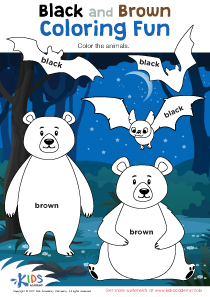
Letter formation English for Beginners Worksheets for Ages 6-7
4 filtered results
Difficulty Level
Grade
Age
-
From - To
Subject
Activity
Standards
Boost your child's English writing skills with our "Letter Formation Worksheets for Beginners," designed specifically for ages 6-7. These engaging and interactive worksheets focus on proper letter formation, helping young learners develop their handwriting techniques and improve fine motor skills. Each worksheet features colorful illustrations, fun activities, and step-by-step guidance to make learning enjoyable and effective. Ideal for early education settings or at-home practice, these resources cater to all skill levels while enhancing letter recognition and sound association. Start your child's literacy journey today and watch them gain confidence in their writing abilities with our comprehensive worksheets!
Favorites
With answer key
Interactive
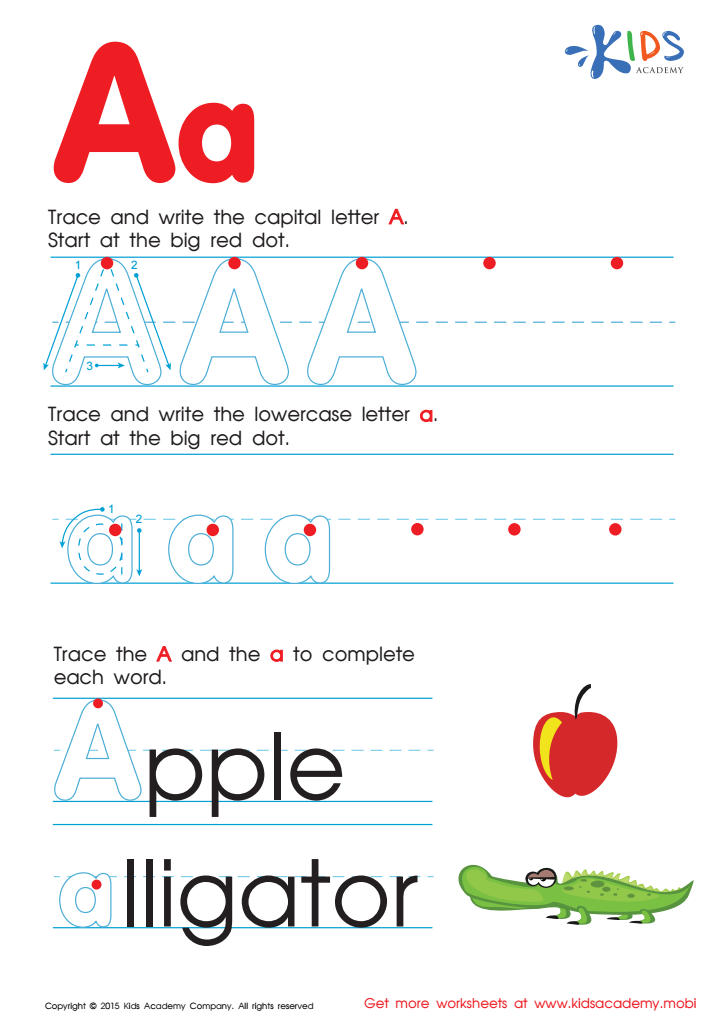
Letter A Tracing Page
Trace and write the letter "A"! Start with the big red dot, then do the capital and lowercase versions. Then write it again with two words - apple and alligator. Download more tracing worksheets at Kids Academy.
Letter A Tracing Page
Worksheet

Letter P Tracing Page
Trace the lines from the red dot to learn to write "P"! Then practice this letter with the fun activities: complete the word "Pig" and "Pumpkin". Check out Kids Academy to get more free ABC worksheets.
Letter P Tracing Page
Worksheet

Letter G Tracing Page
Get ready to trace the letter "G" – with a big red spot as the starting point, trace the lines and watch the letter appear. Uppercase and lowercase letters are both easy and fun to write. Give it a go and finish the word "go". Play the guitar and say "hello" to a funny ghost!
Letter G Tracing Page
Worksheet
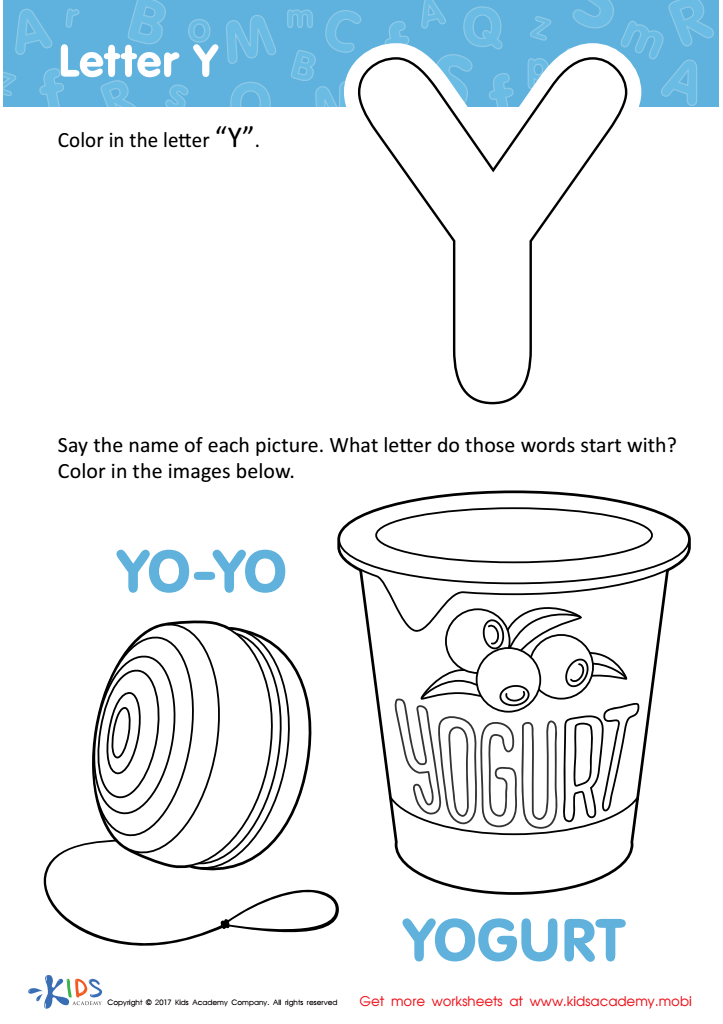
Letter Y Coloring Sheet
Let's celebrate letter "Y"! Here's a fun coloring page that'll help your child learn this end-of-the alphabet letter. It's packed with familiar objects that'll help build their art and literacy skills. So let's say "Yay"!
Download (PDF)
 Assign to My Students
Assign to My Students
Letter Y Coloring Sheet
Worksheet
Join Kids Academy for Free
Who is primarily going to use this learning content?




Letter formation is a critical skill for children aged 6-7, as it lays the foundation for effective writing and communication. At this age, children are developing fine motor skills, which are essential for producing clear and legible handwriting. Proper letter formation helps prevent confusion between similar letters and enhances a child's ability to read their writing. This is particularly important for early literacy development, where the connection between letters and sounds is vital for understanding language.
When parents and teachers emphasize good letter formation practices, they are contributing to the child's overall confidence in writing. Children who struggle with letter formation may become frustrated, increasing their reluctance to engage in writing tasks. Additionally, clear handwriting can improve the perception of student work, making it easier for teachers to assess understanding and for parents to review their child's progress.
Encouraging proper letter formation through fun activities and consistent reinforcement can instill a sense of achievement and motivate children to express themselves through writing. Ultimately, parents and teachers play a crucial role in shaping these skills, helping children build a positive association with writing that can last a lifetime. Their involvement can make a significant difference in a child’s educational journey.