
Basic measurement skills Worksheets for Ages 6-7
4 filtered results
Difficulty Level
Grade
Age
-
From - To
Subject
Activity
Standards
Discover our Basic Measurement Skills Worksheets designed for children aged 6-7! These engaging, interactive worksheets help young learners grasp essential measurement concepts such as length, weight, and volume. With a variety of hands-on activities including comparing sizes, sorting objects, and using standard units of measurement, your child will build a strong foundation in measurement skills. Each worksheet is crafted to be fun and educational, promoting critical thinking and problem-solving. Perfect for homeschooling or supplementing classroom learning, our worksheets prepare kids for future math topics while fostering confidence in their abilities. Download and watch your child's measurement skills thrive!
Favorites
With answer key
Interactive
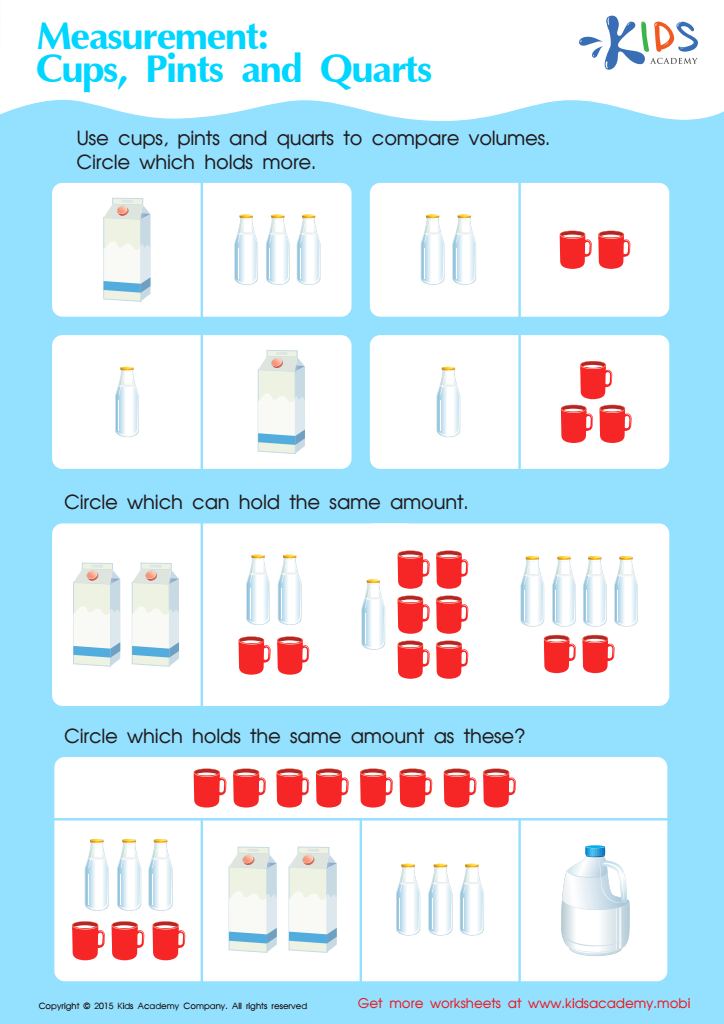
Measurement: Compare Volumes Worksheet
Compare volumes with Kids Academy and have fun! (80 words)
Practice measuring with Kids Academy and have fun! Compare volumes in pictures and circle which holds more. Keep learning with free math worksheets available on our website. Enjoy the process and have fun!
 Assign to My Students
Measurement: Compare Volumes Worksheet
Worksheet
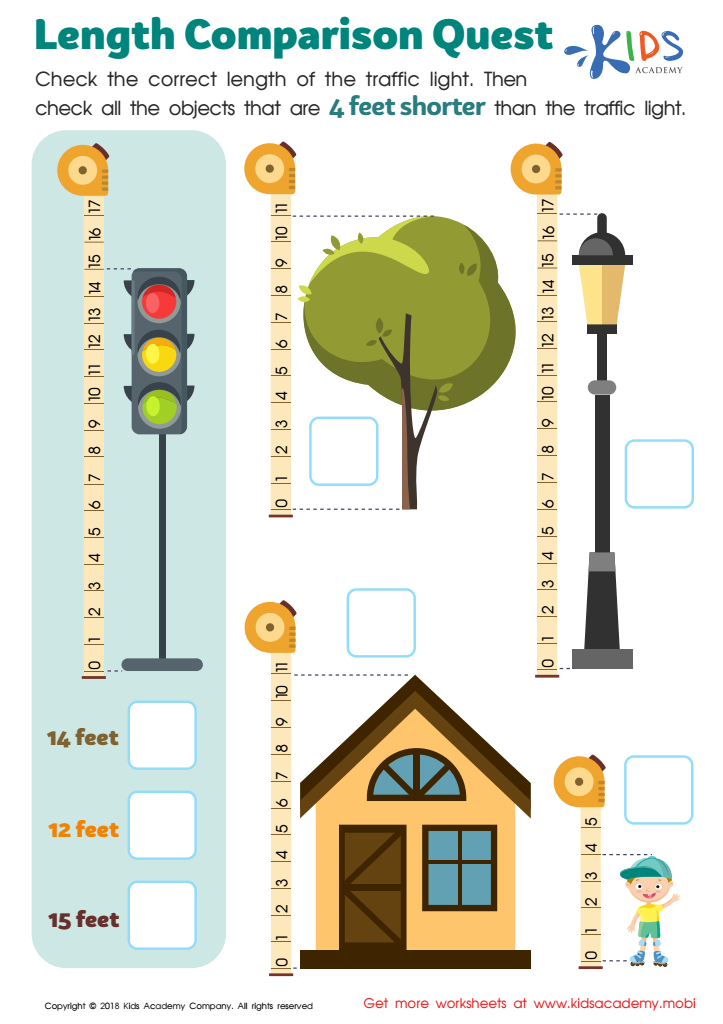
Length Comparison Quest Worksheet
Knowing measurement tools and how to use them is just the start. To be proficient, your kid must be able to accurately compare objects and their lengths. With the 'Length Comparison Quest' worksheet, they will check the correct length of the traffic light in the picture and then compare other objects to it, marking those that measure 4 feet shorter.
Length Comparison Quest Worksheet
Worksheet
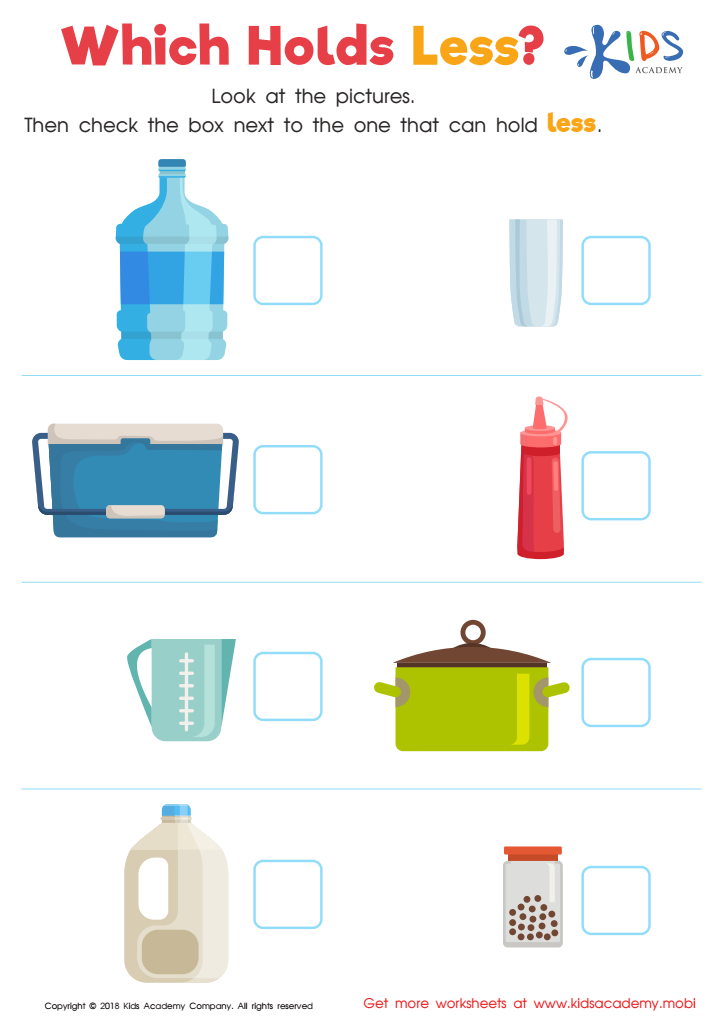
Which Holds Less? Worksheet
Students may find it hard to grasp volume without a visual aid. This free, downloadable worksheet helps with understanding by providing pictures of familiar objects. It allows students to practice comparing volumes and deciding which container holds less. It's a great introduction before they move onto using greater than and less than symbols.
Which Holds Less? Worksheet
Worksheet
Join Kids Academy for Free
Who is primarily going to use this learning content?


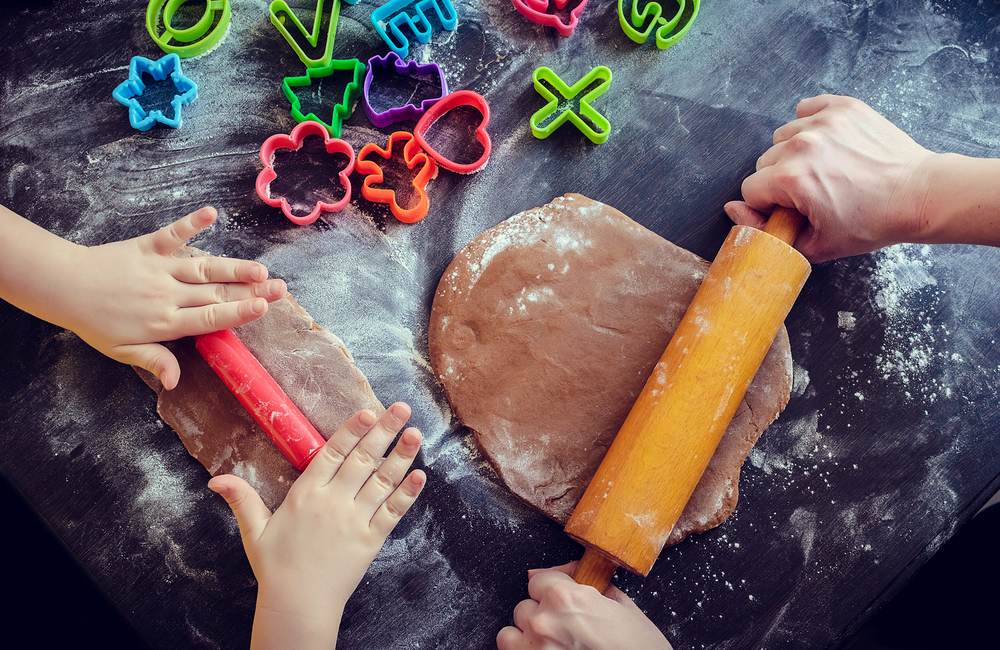





Basic measurement skills are essential for children ages 6-7, as they form the foundation for critical thinking, problem-solving, and practical understanding of the world around them. At this age, children are naturally curious and more engaged when learning involves hands-on activities, making this the perfect time to introduce concepts of length, weight, volume, and time.
These skills not only support mathematical understanding but also enhance children's ability to make comparisons and draw conclusions. For example, when measuring objects or understanding time intervals, children develop spatial awareness and numerical competence, which are crucial for more advanced math in later years.
Beyond academics, measurement skills also foster real-world applications. Whether helping in the kitchen with recipes, crafting a project, or sharing toys, these basic skills encourage a sense of responsibility and teamwork. Moreover, involvement in measurement-related activities can boost children's confidence and independence, promoting a healthy learning attitude.
Parents and teachers should care about nurturing these skills because they empower children with the tools needed for everyday life, ensuring a smoother transition into more complex subjects in school, while also enhancing cognitive development, social interactions, and self-efficacy.








