Critical Thinking Worksheets for Ages 6-7 - Page 5
118 filtered results
-
From - To

Assessment: First Thanksgiving Worksheet
 Assign to My Students
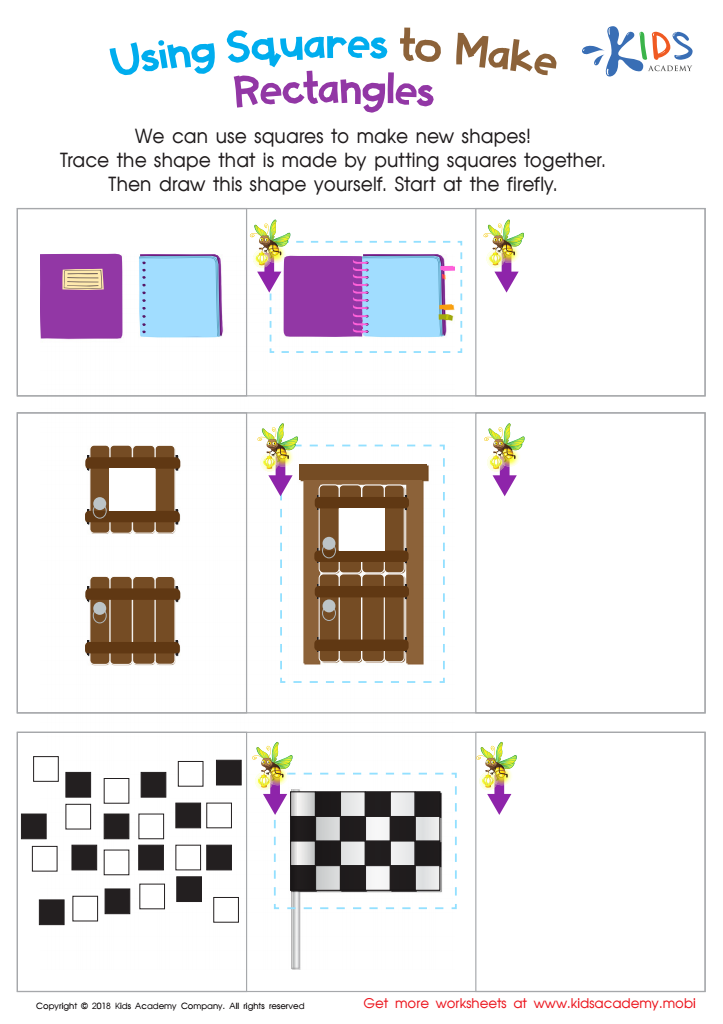
Using Squares to Make Rectangles Worksheet
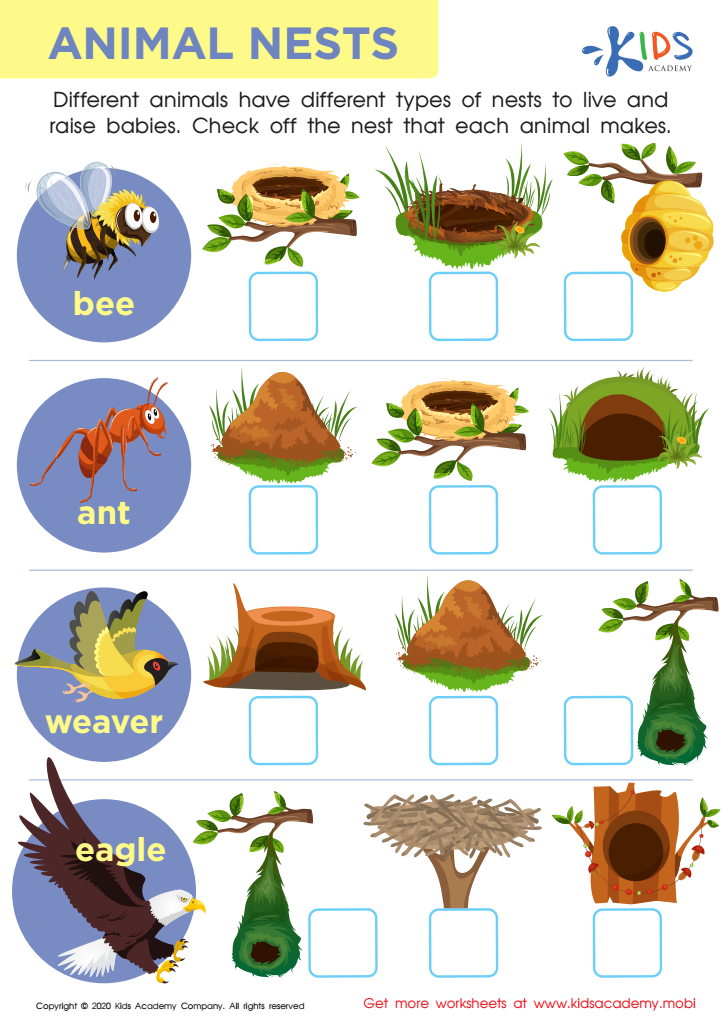
Animal Nests Worksheet
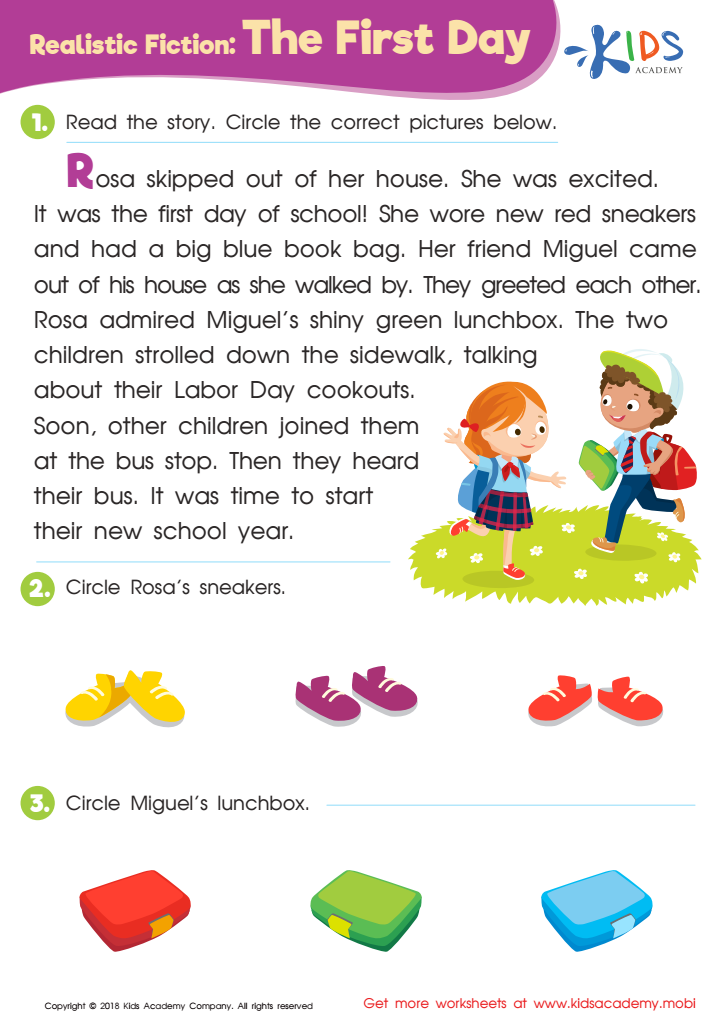
Realistic Fiction: The First Day Worksheet
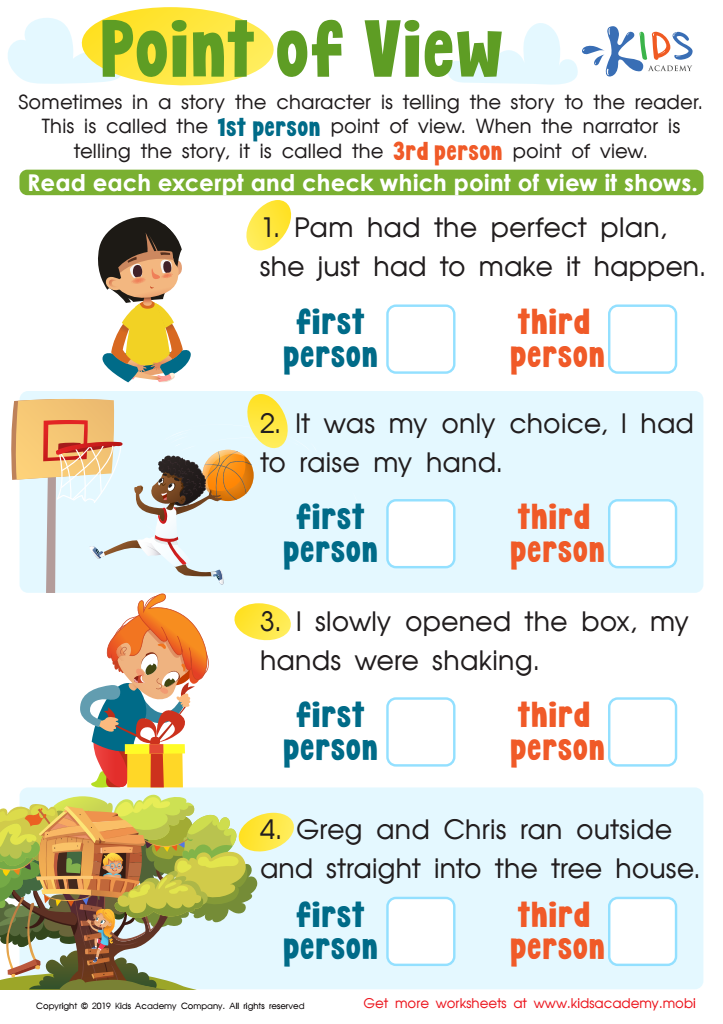
Point of View Printable
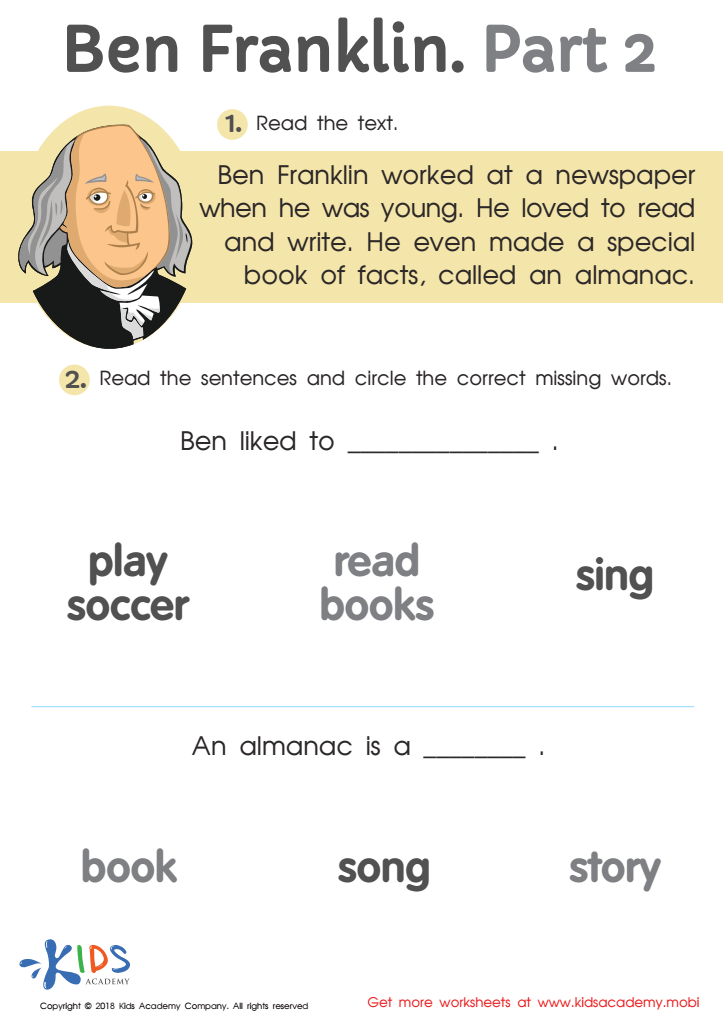
Ben Franklin Part 2 Worksheet
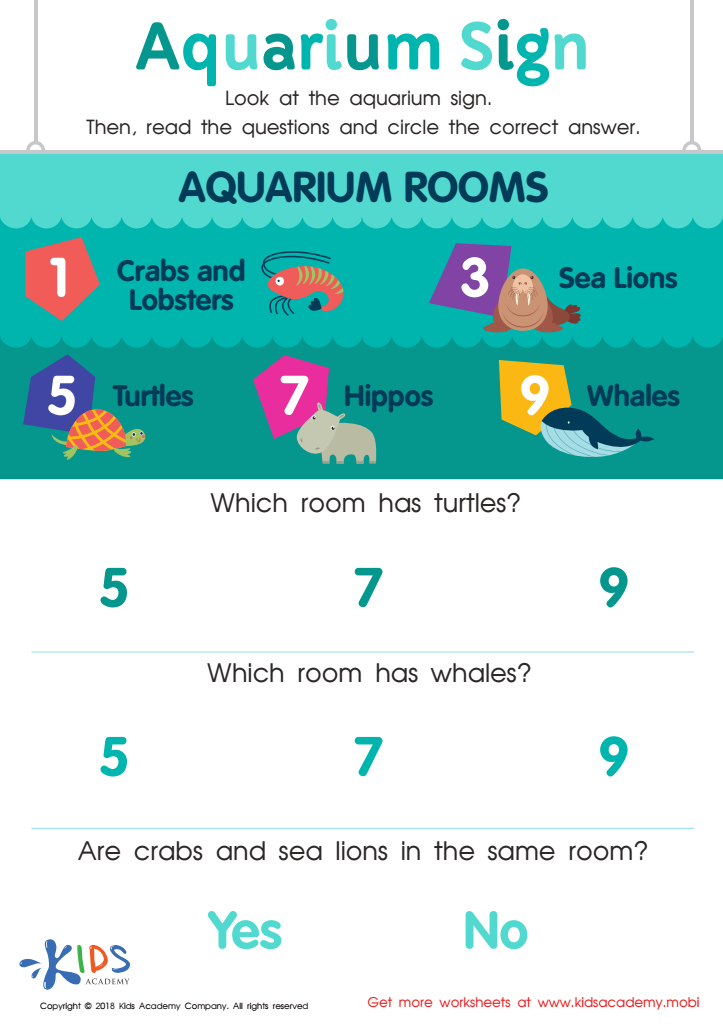
Assessment: Aquarium Sign Worksheet
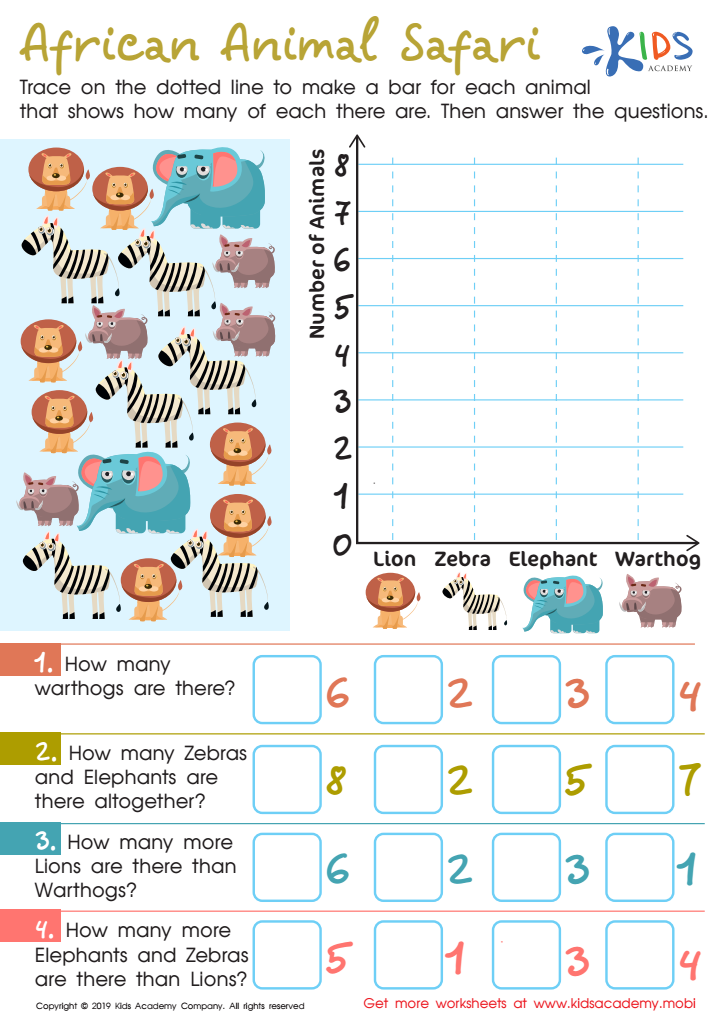
African Animal Safari Worksheet
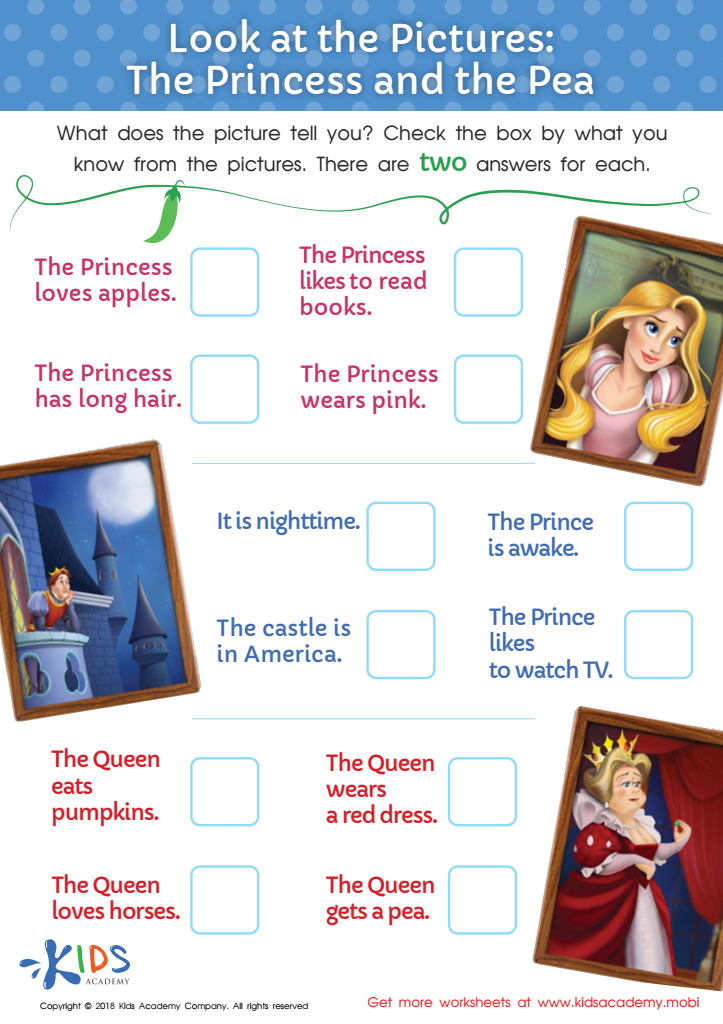
Look at the Pictures: The Princess and the Pea Worksheet
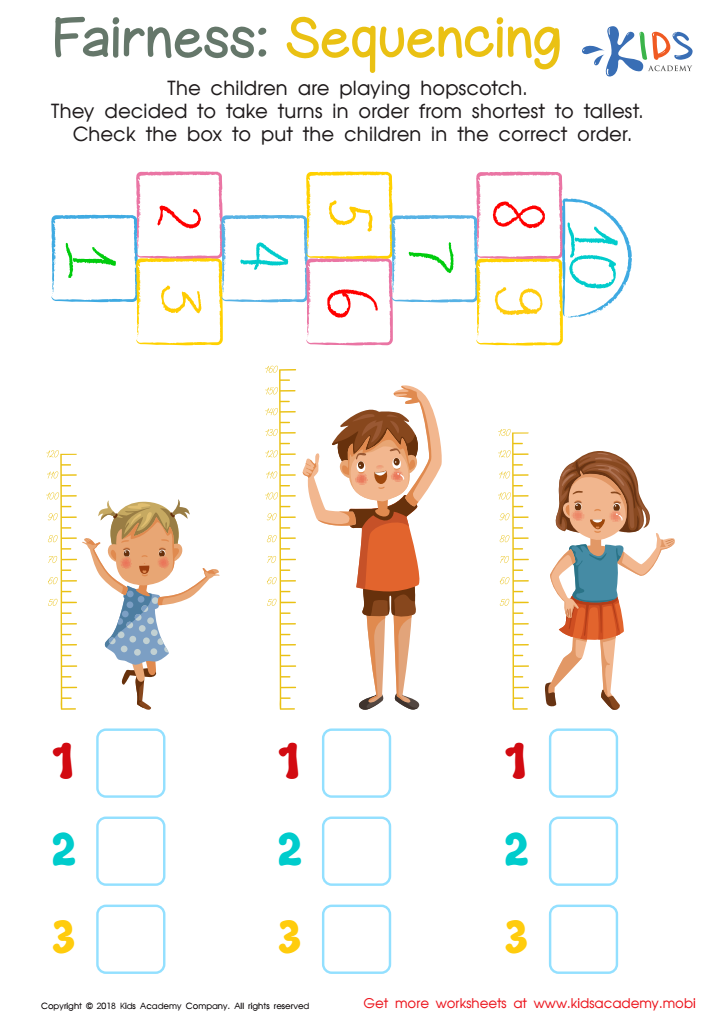
Fairness: Sequencing Worksheet
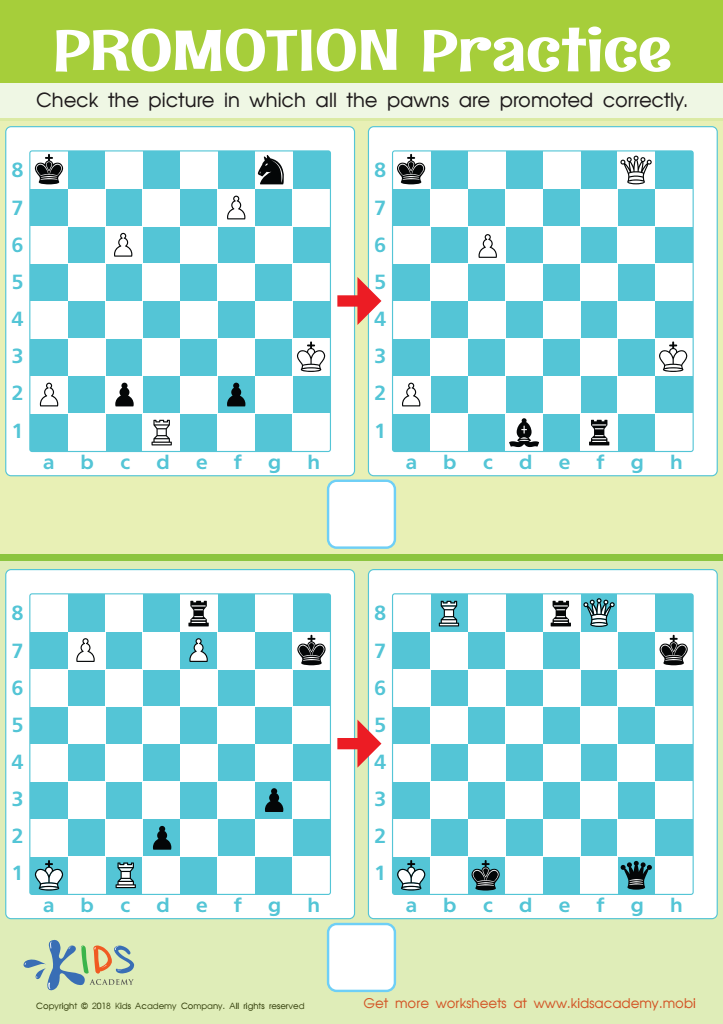
Promotion Practice Worksheet
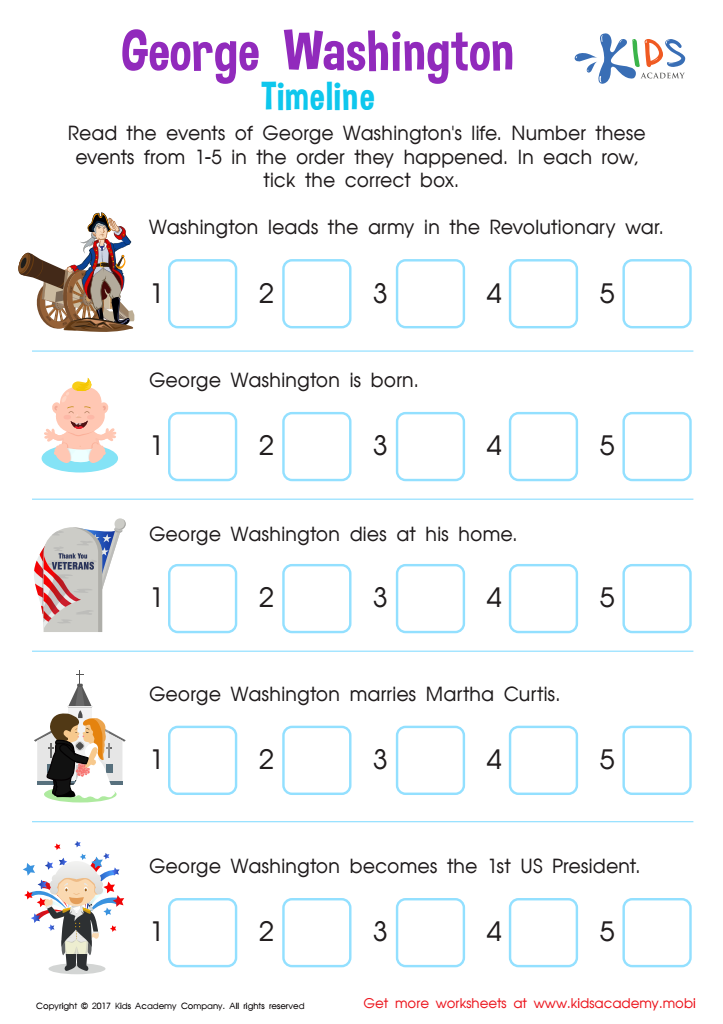
George Washington Timeline Worksheet
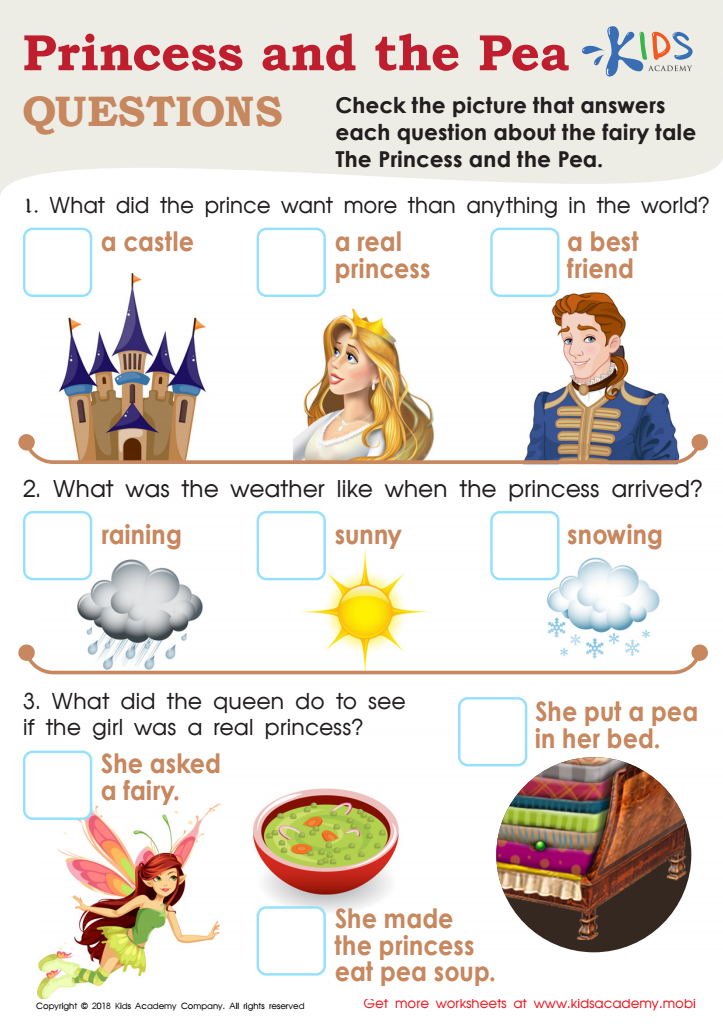
Princess and the Pea Questions Worksheet
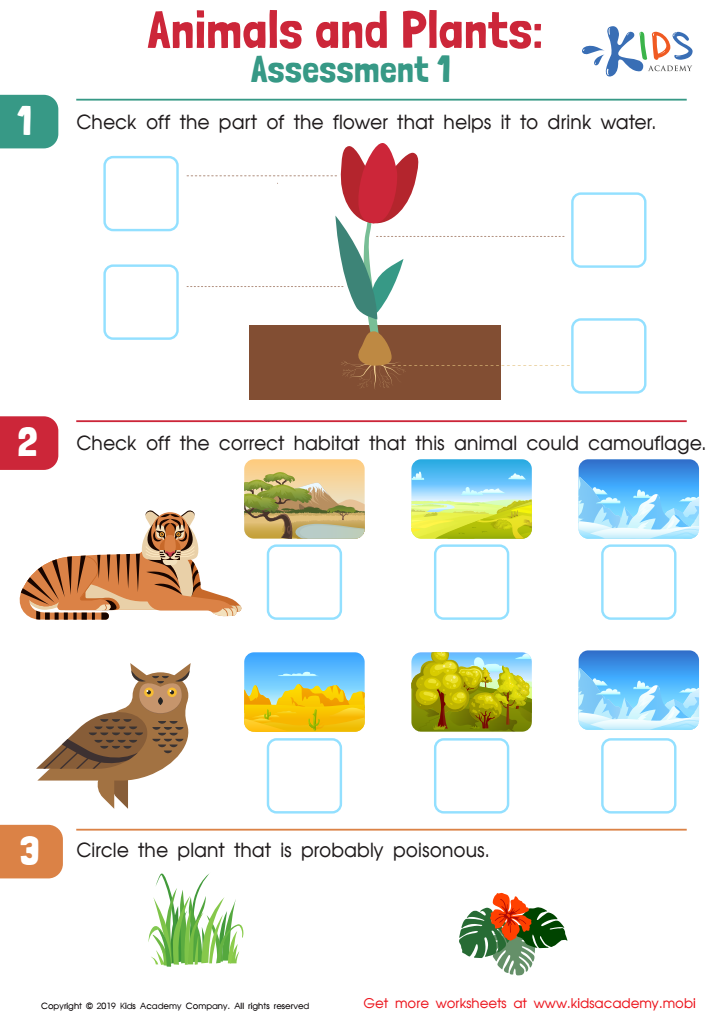
Animals and Plants: Assessment 1 Worksheet










Critical thinking is the ability to analyze, evaluate, and make reasoned judgments, an essential skill that parents and teachers should prioritize for children aged 6-7. At this developmental stage, young learners are incredibly curious and eager to explore the world around them. Fostering critical thinking in these formative years sets the groundwork for lifelong learning and problem-solving abilities.
One significant reason to nurture critical thinking early is that it empowers children to become self-reliant learners. When children learn to ask questions, seek out answers, and think independently, they build confidence in their own abilities. This self-assurance can drive their academic and personal pursuits throughout their lives.
Additionally, critical thinking encourages creativity and innovation. By analyzing situations from multiple perspectives and considering various solutions before arriving at a decision, children can develop inventive approaches to both academic tasks and real-world challenges.
Moreover, in today's digital age, kids are often exposed to vast amounts of information. Teaching them to think critically helps them to discern reliable information from misleading content, promoting informed decision-making. Finally, critical thinking also enhances social skills. By working collaboratively to solve problems and consider others' viewpoints, children develop empathy and better interpersonal skills.
In summary, emphasizing critical thinking for young children fosters independence, creativity, informed decision-making, and strong social interactions, all of which are fundamental to their overall growth and future success.








