Cultural awareness Worksheets for Ages 6-7
18 filtered results
-
From - To
Discover a world of diversity with our Cultural Awareness Worksheets for Ages 6-7! Tailored for young learners, these worksheets encourage appreciation and understanding of different cultures, fostering global citizenship from an early age. Engaging activities include fun facts, puzzles, and drawing prompts that celebrate various traditions, languages, and holidays from around the world. Accessible and educational, our worksheets help children respect and value the rich tapestry of human experiences while enhancing their social studies skills. Perfect for classroom or home use, these resources support inclusivity and empathy, laying a foundation for a more connected future. Explore and learn with us today!
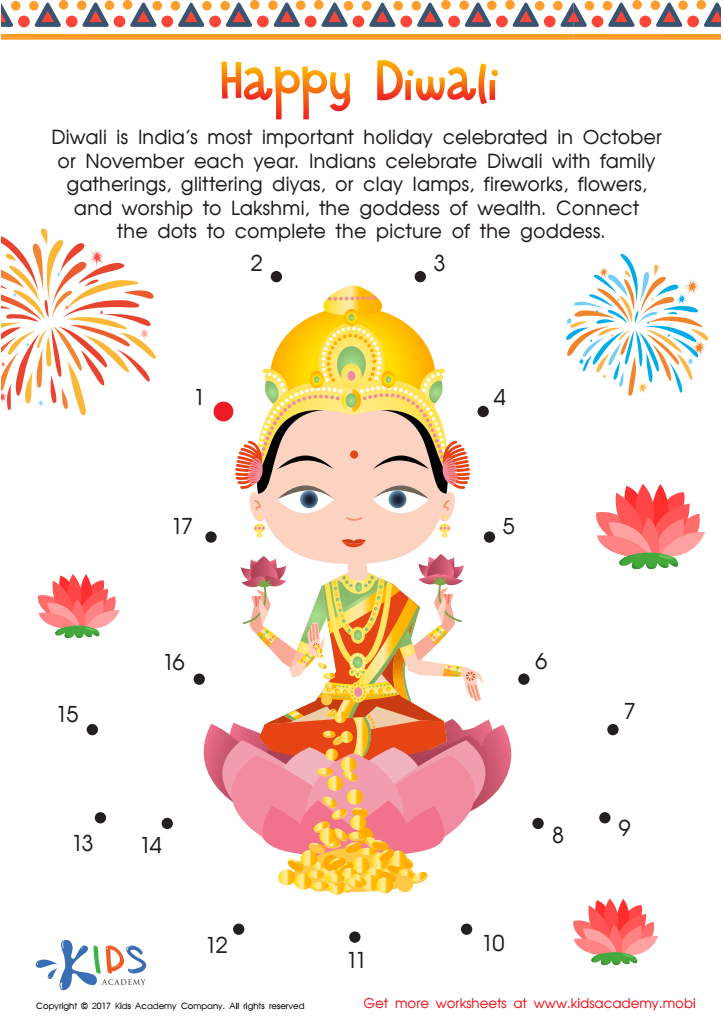
Happy Diwali Printable
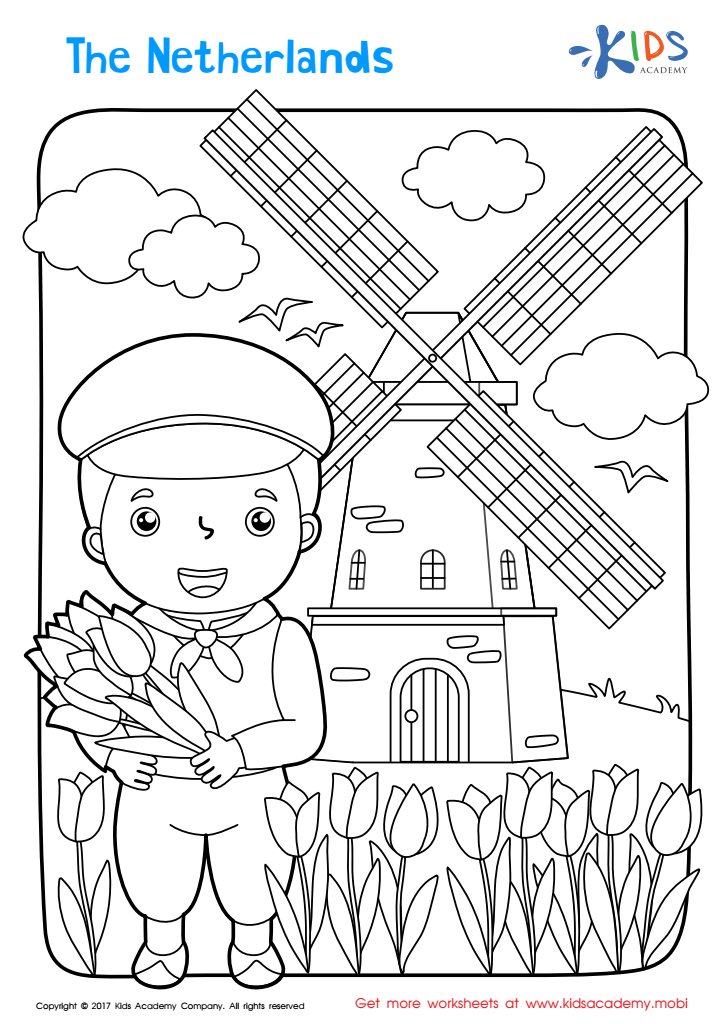
The Netherlands Printable
 Assign to My Students
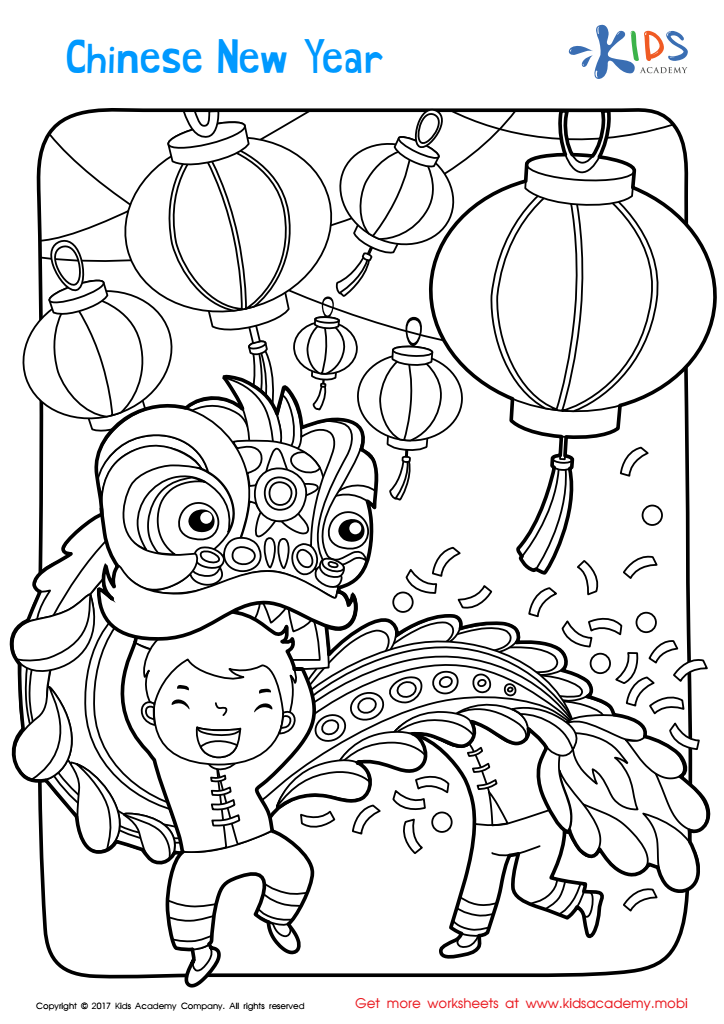
Chinese New Year Worksheet
Assign to My Students
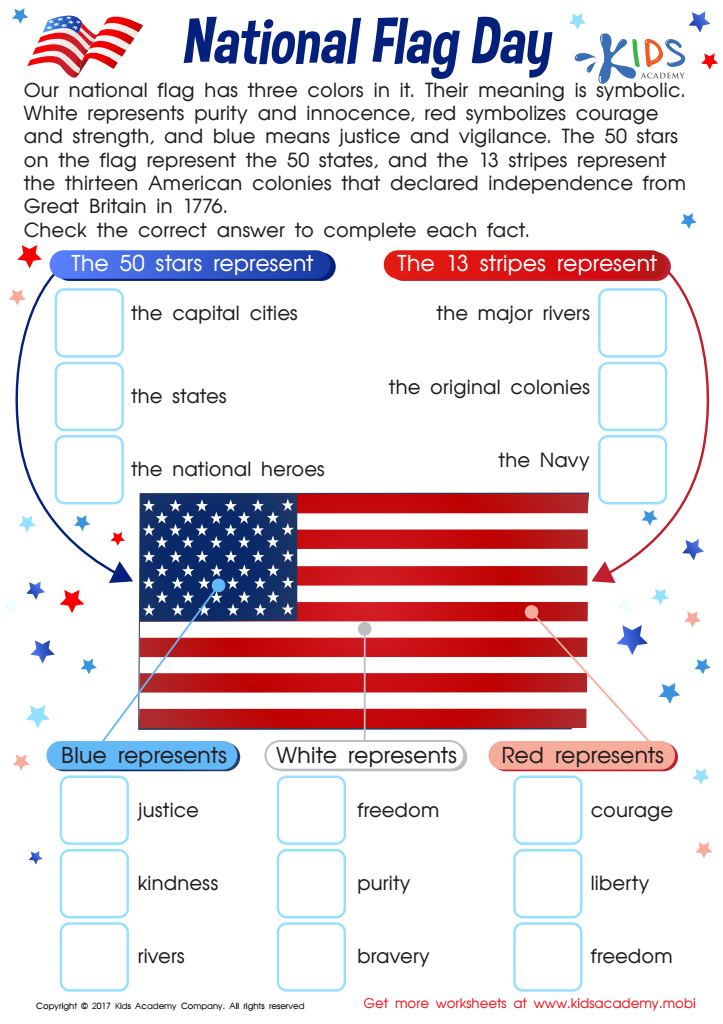
US National Flag Day Worksheet
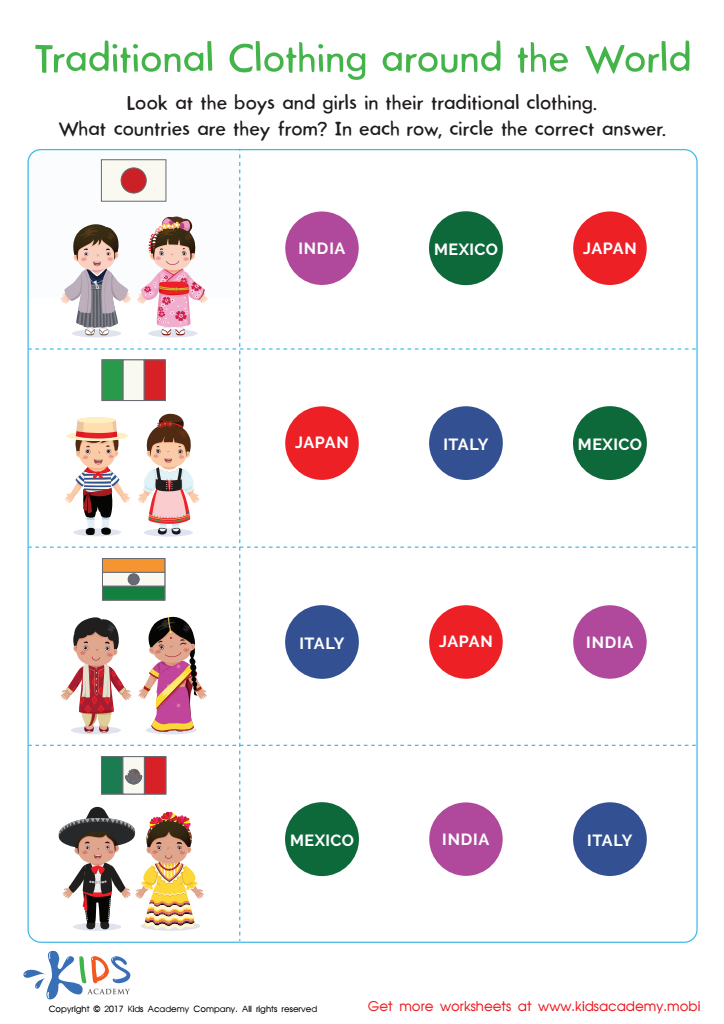
Traditional Clothing Worksheet
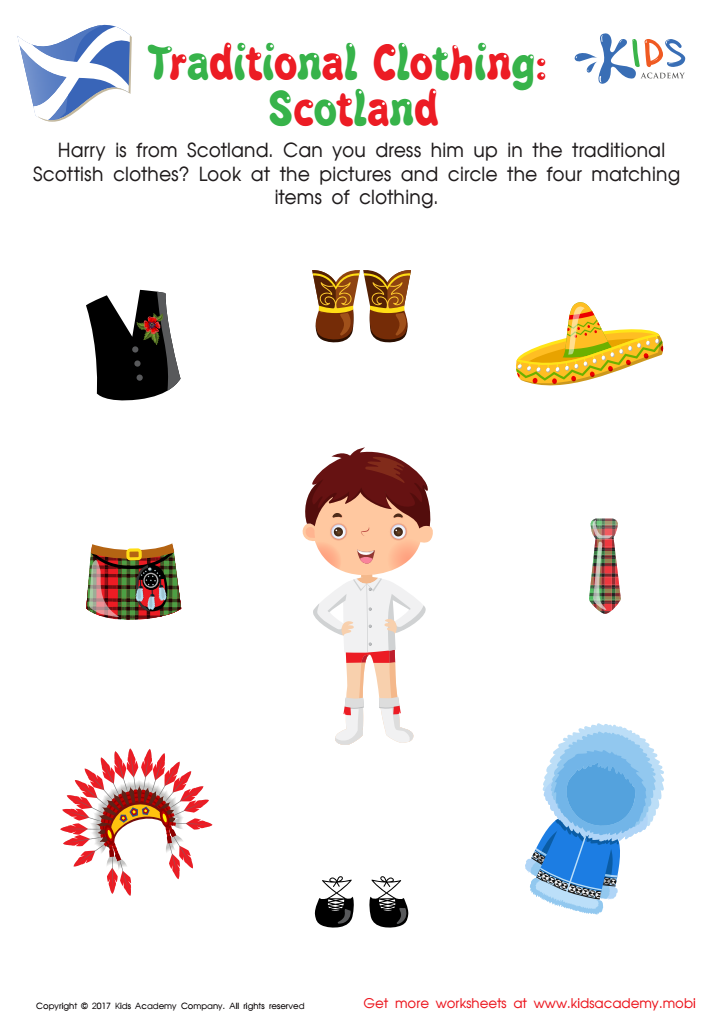
Traditional Clothing in Scotland Worksheet
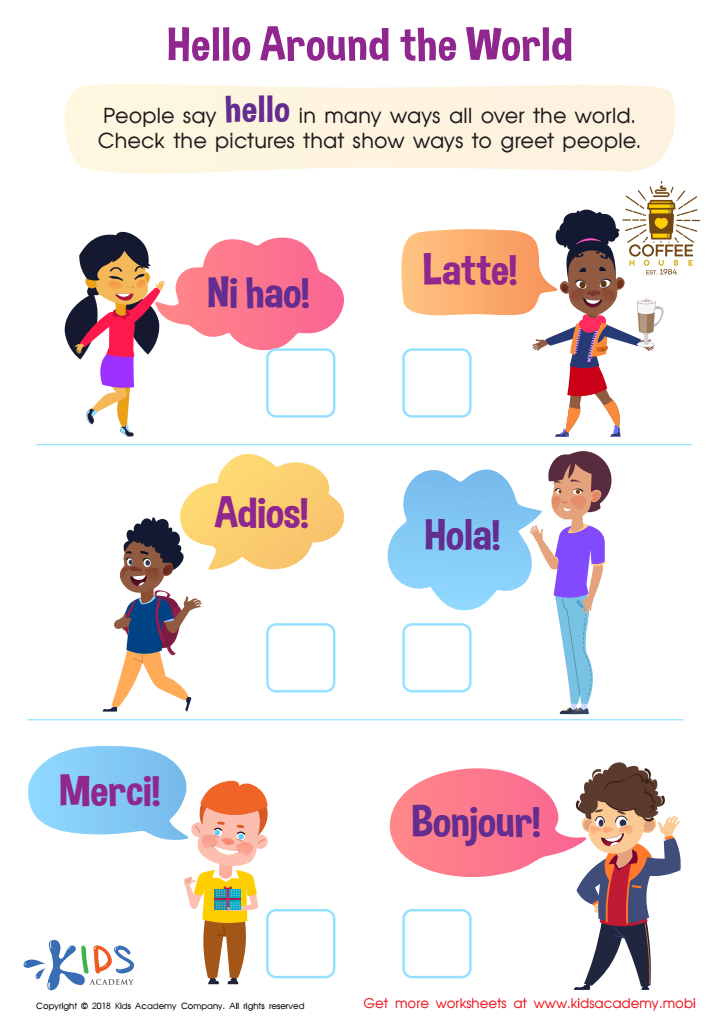
Hello Around the World Worksheet
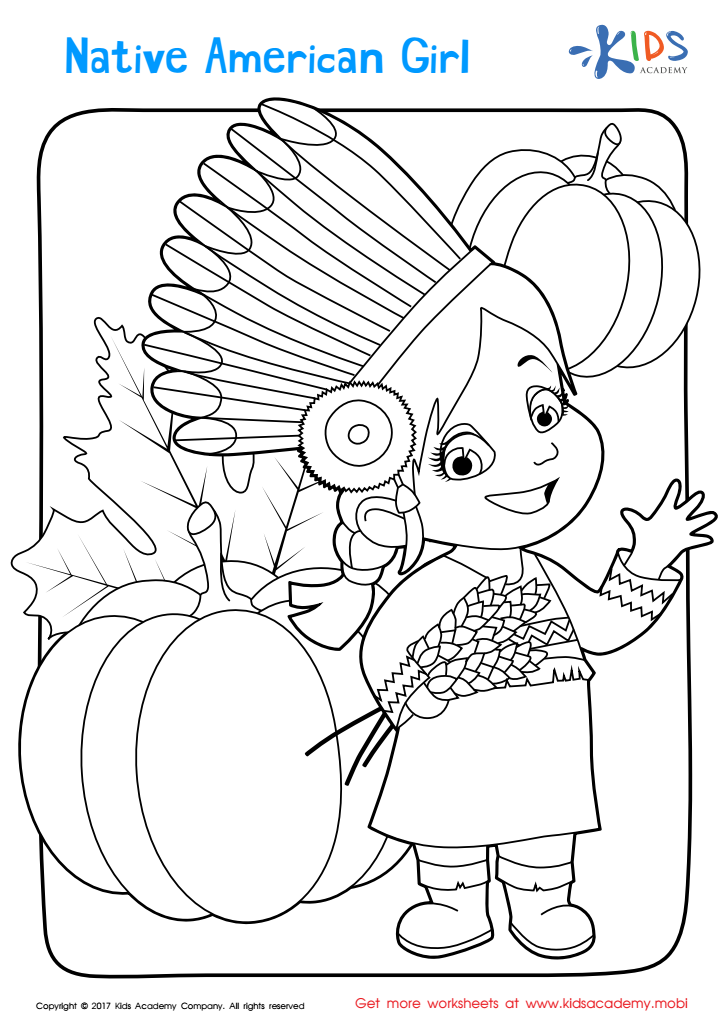
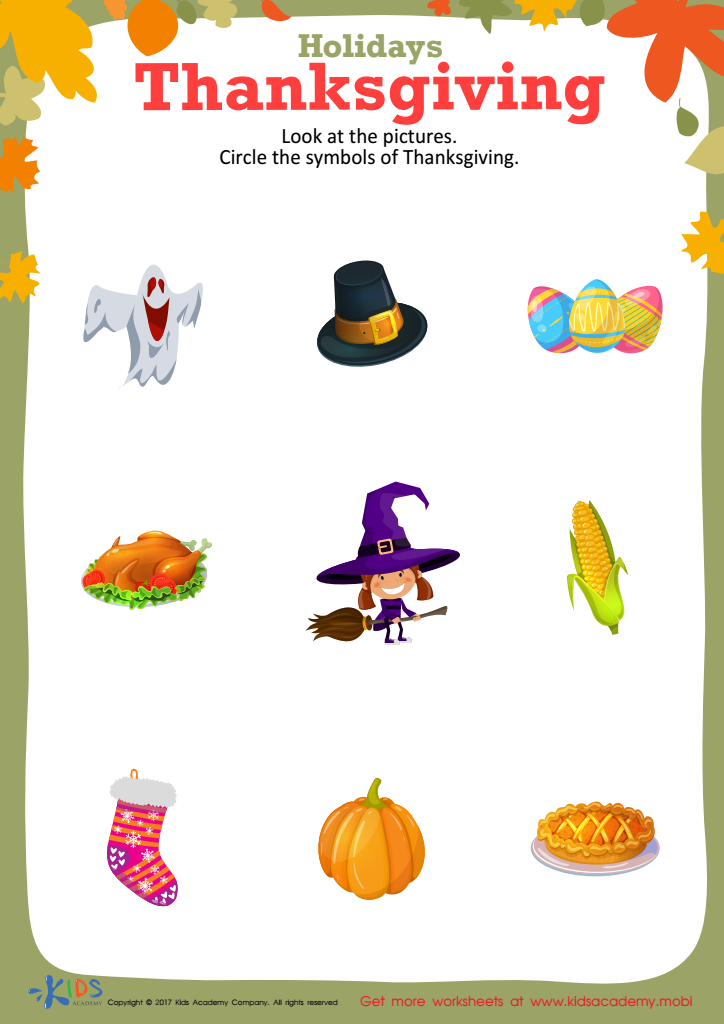
Thanksgiving Holiday Printable
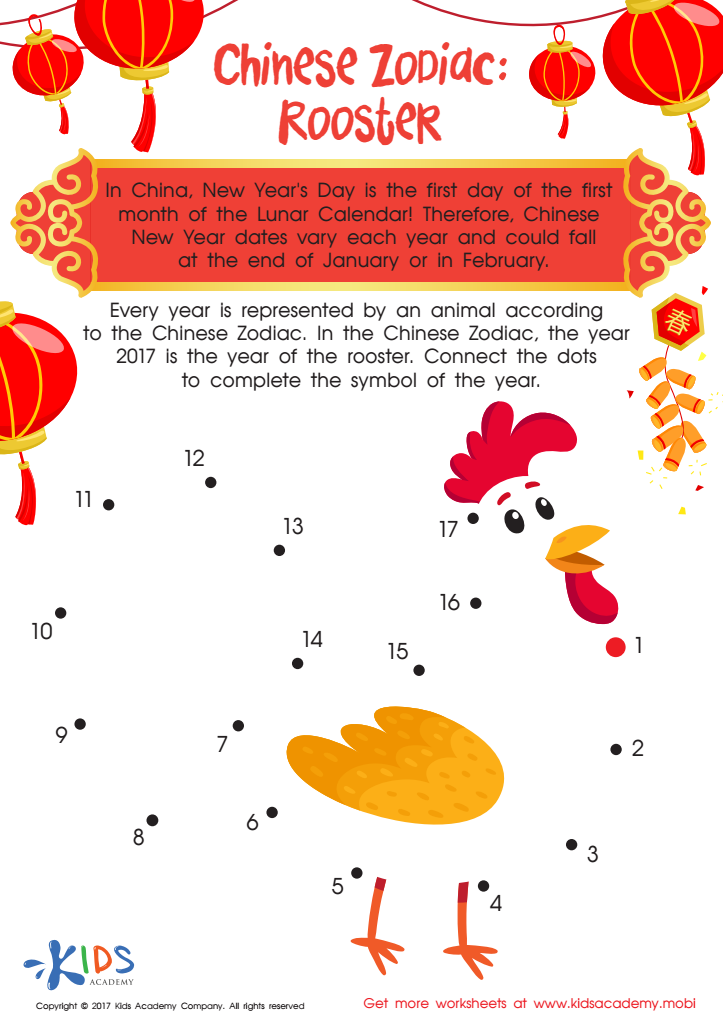
Chinese Zodiac Printable
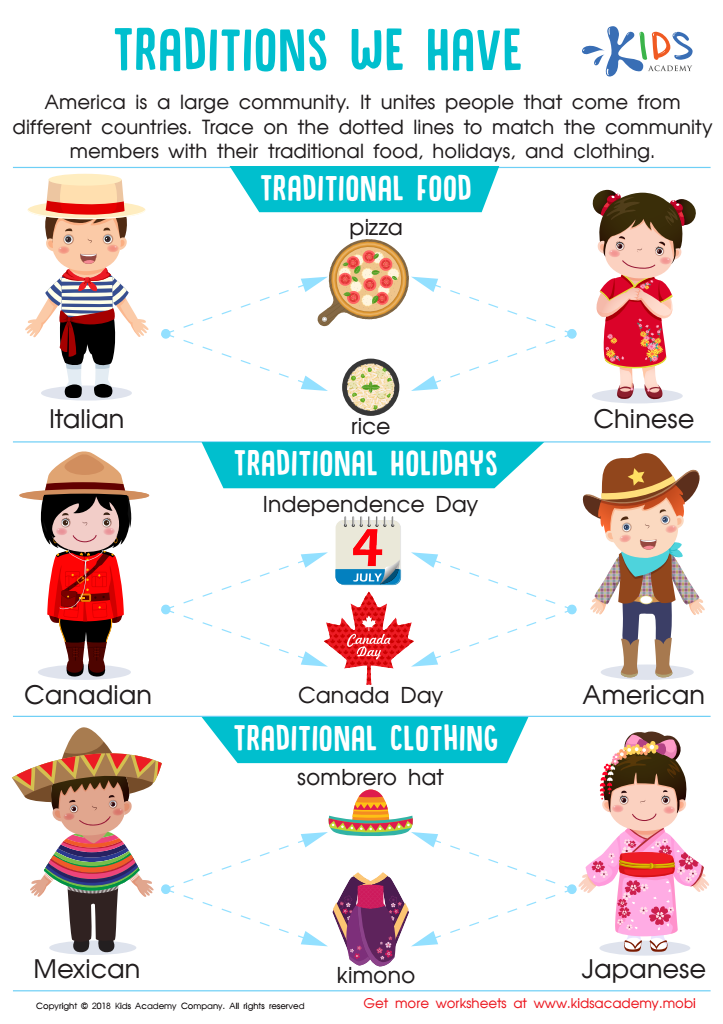
Traditions We Have Worksheet
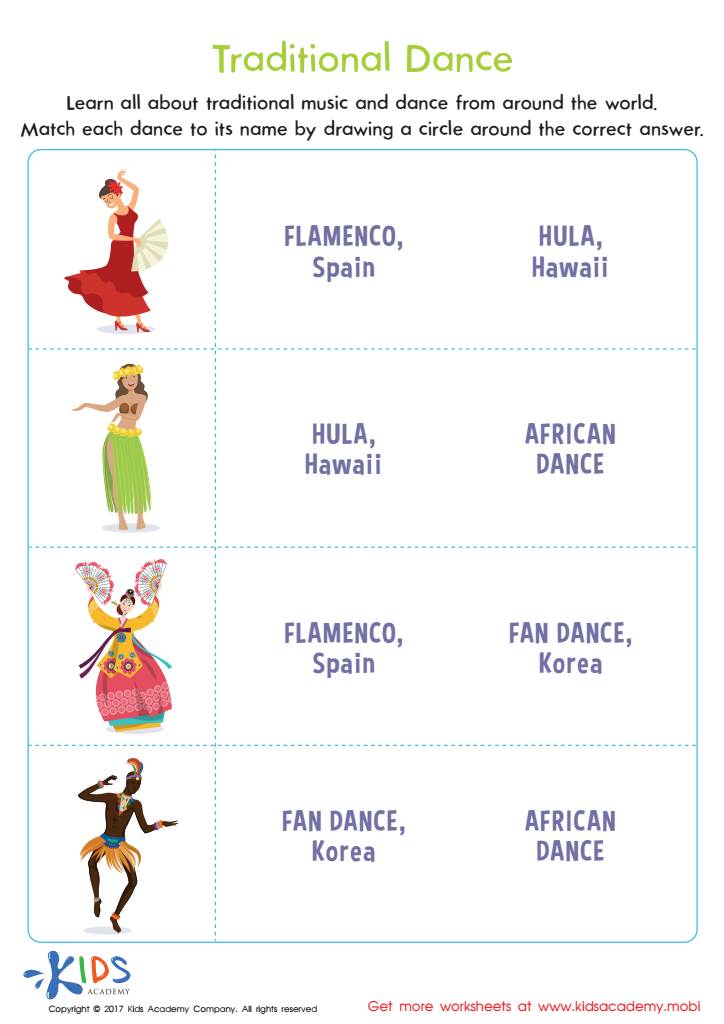
Traditional Dance Printable
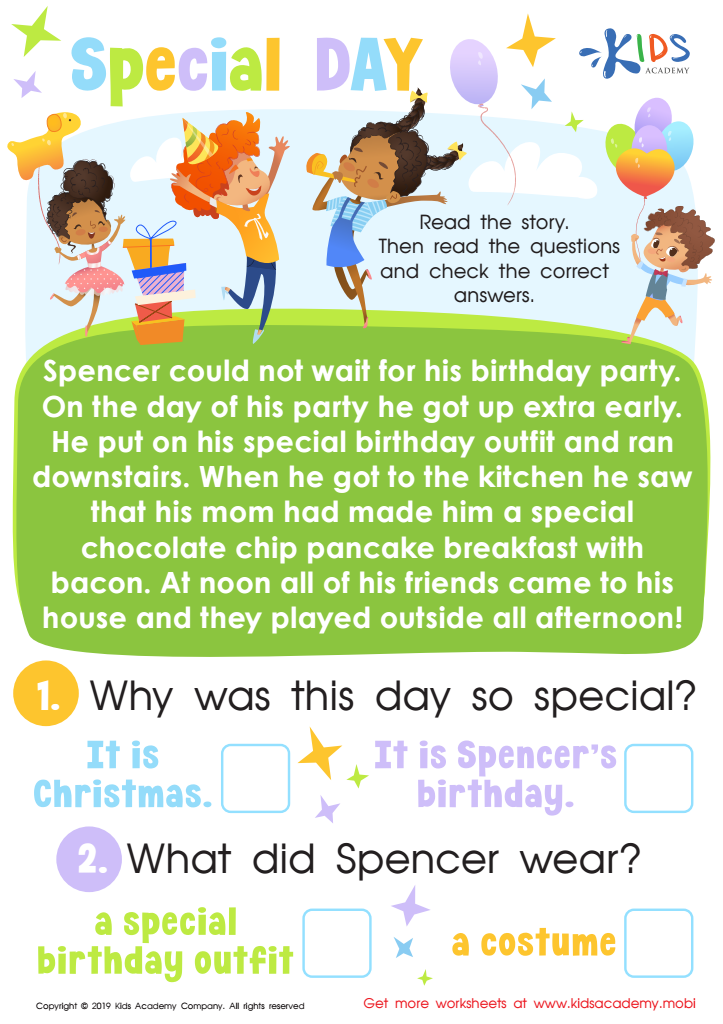
Special Day Worksheet
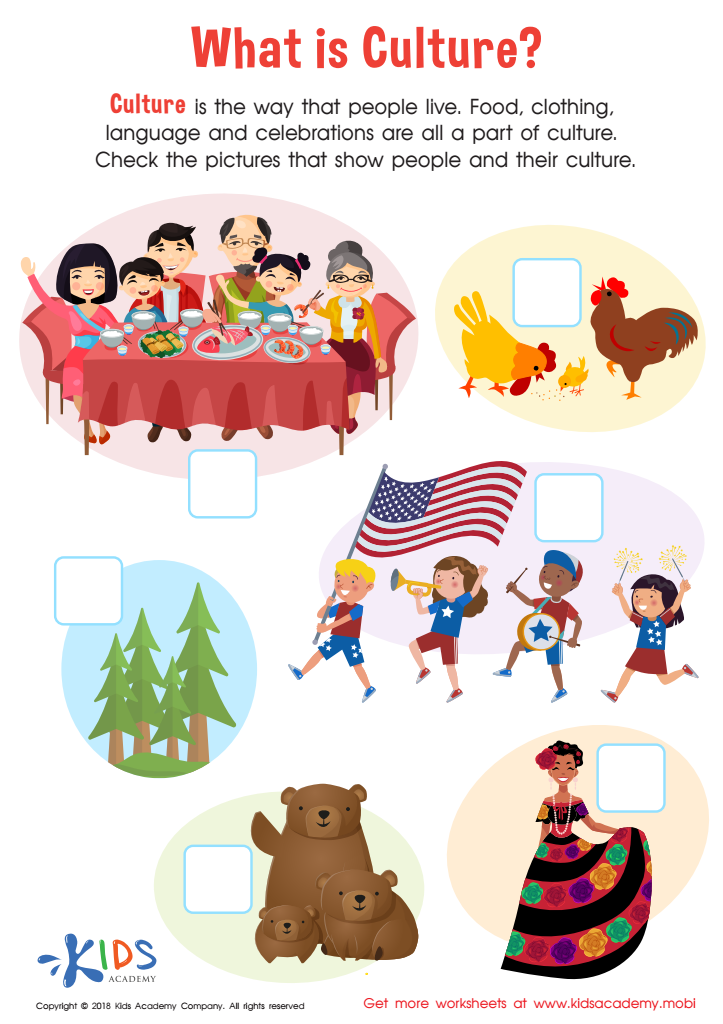
What Is Culture? Worksheet
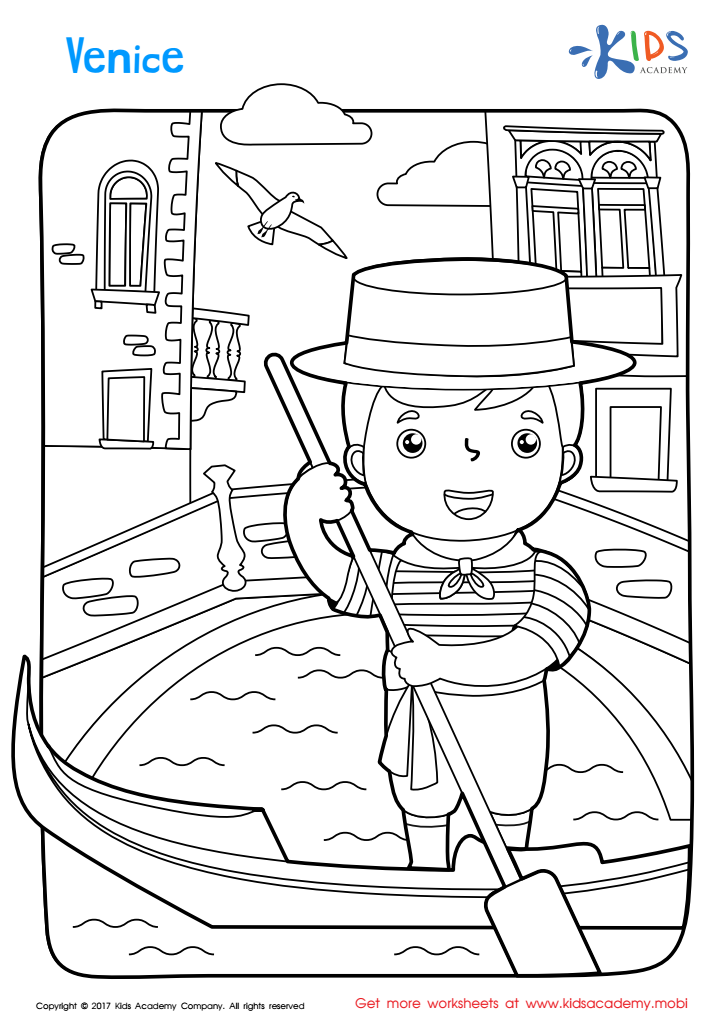
Venice Worksheet
Assign to My Students
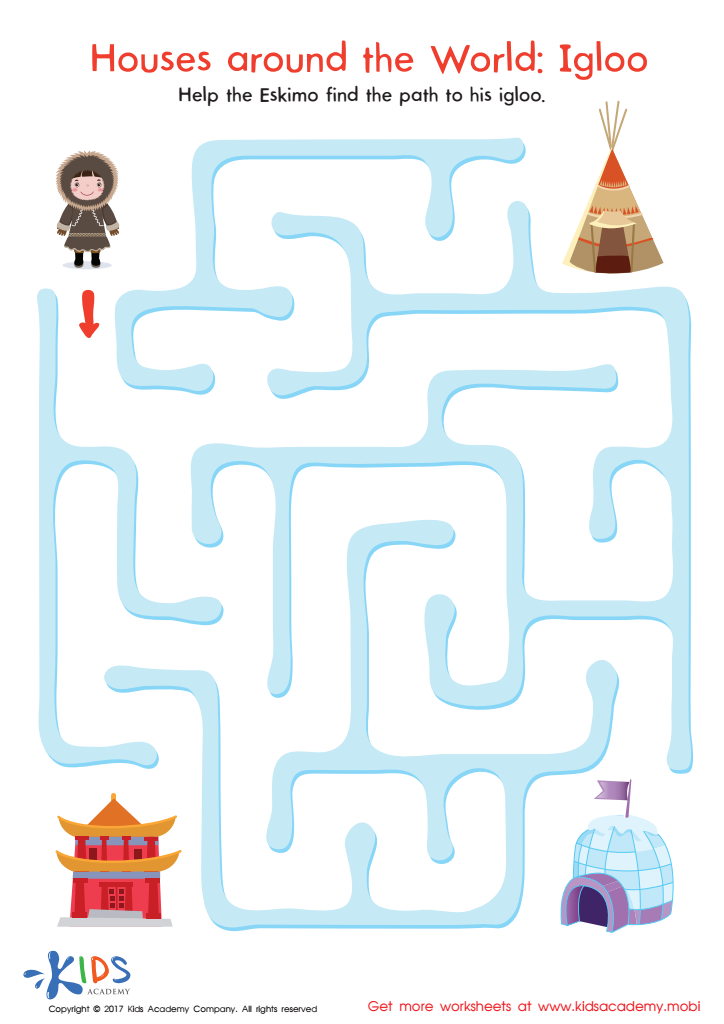
Houses Around the World: Igloo Printable







Cultural awareness is crucial for children ages 6-7 as it forms the bedrock for empathy, acceptance, and open-mindedness. At this age, kids are naturally curious and begin to form social groups, making it an optimal time to introduce them to diverse perspectives. Teaching cultural awareness helps young children understand and respect differences, which reduces prejudice and promotes inclusivity.
Early exposure to various cultures enriches children's overall development. It enables them to appreciate different traditions, languages, foods, and lifestyles, fostering a broader worldview. This understanding not only enhances social skills but also prepares them for increasingly globalized environments.
Parents and teachers play a pivotal role in cultivating cultural awareness by integrating multicultural content into everyday activities. Reading books from different cultures, celebrating various cultural festivals, and discussing global customs are practical ways to foster this awareness. When children see their family and school embrace diversity, they are more likely to value it themselves.
Developing cultural awareness reduces the fear of the unknown and diminishes stereotypes, creating confident, empathetic individuals. Overall, it not only enriches children's learning experiences but also significantly contributes to harmonious and cohesive society, making it essential for parents and teachers to prioritize cultural education.








