Develop problem-solving abilities Worksheets for Ages 6-7
6 filtered results
-
From - To
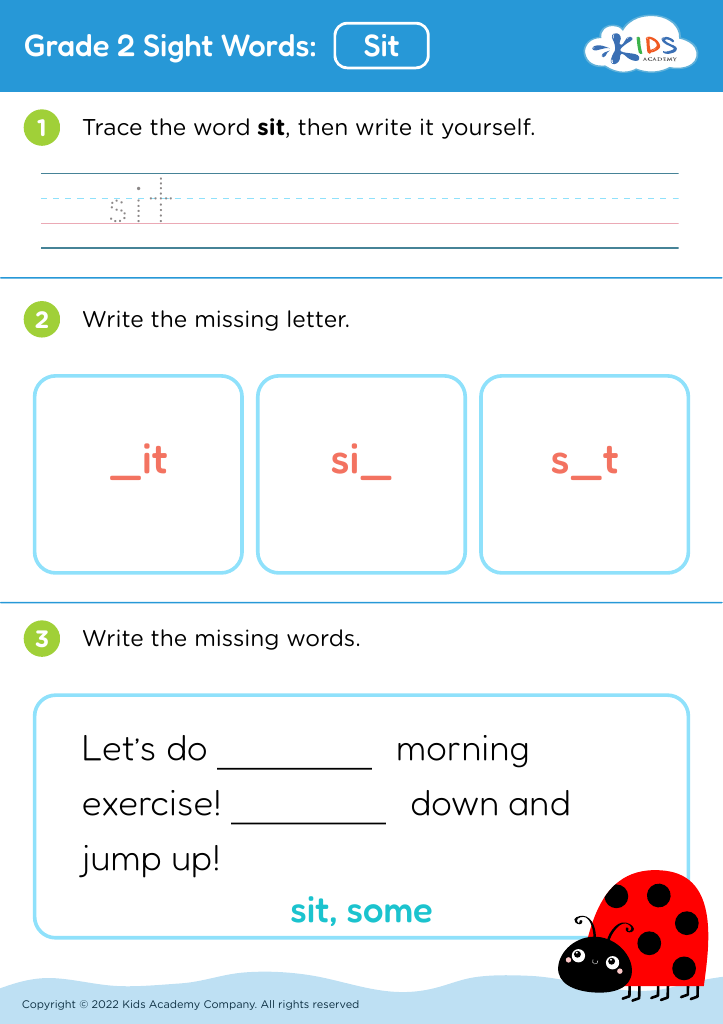
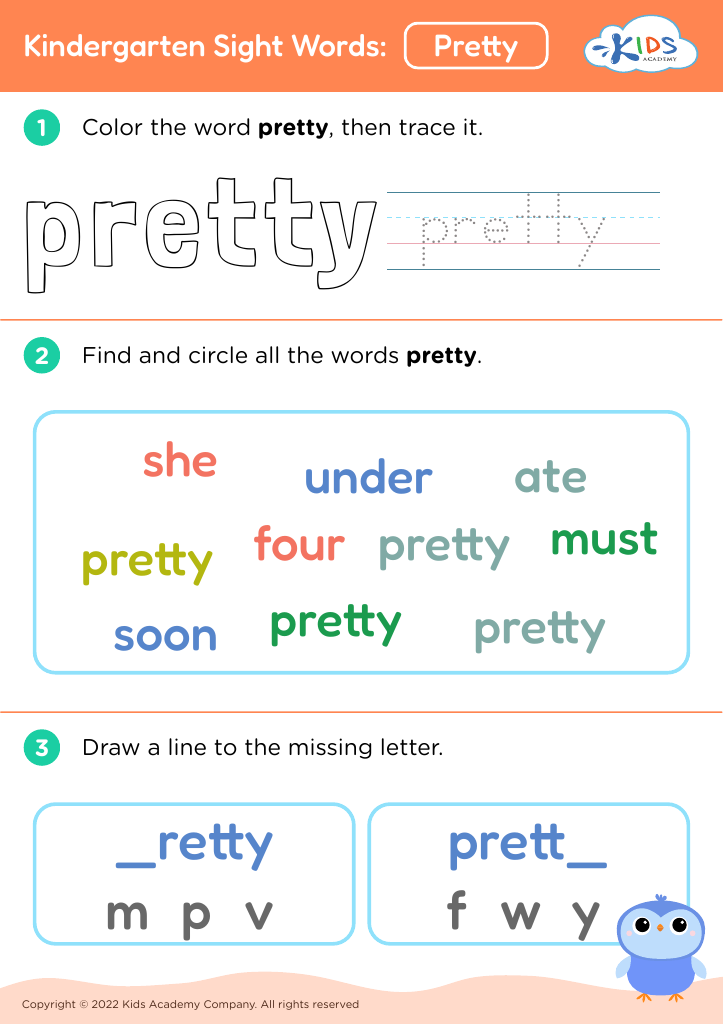
Enhance your child's critical thinking skills with our specialized "Develop Problem-Solving Abilities Worksheets" designed for ages 6-7. These engaging and interactive worksheets are tailored to bolster young minds in tackling real-life scenarios, improving logical reasoning, and fostering creativity. With a variety of puzzles, math problems, and fun activities, these resources are perfect for both at-home practice and classroom learning. Created by experts in early education, they not only support academic success but also aid in the development of mental resilience and independent thinking. Give your child the tools to excel in problem-solving and beyond.
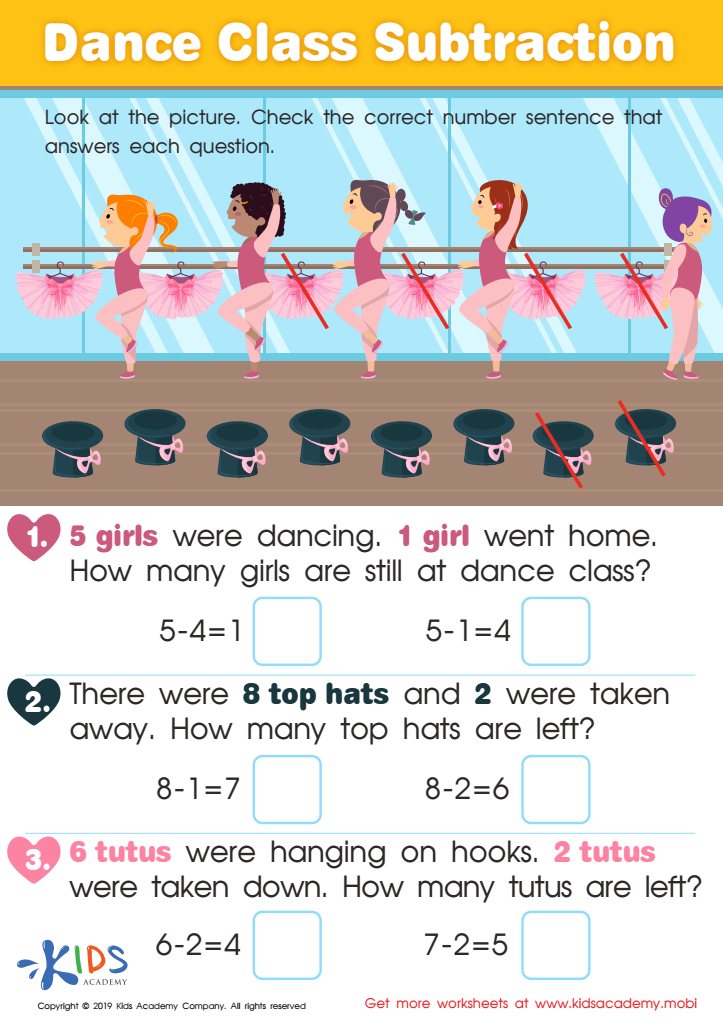
Dance Class Subtraction Worksheet
 Assign to My Students
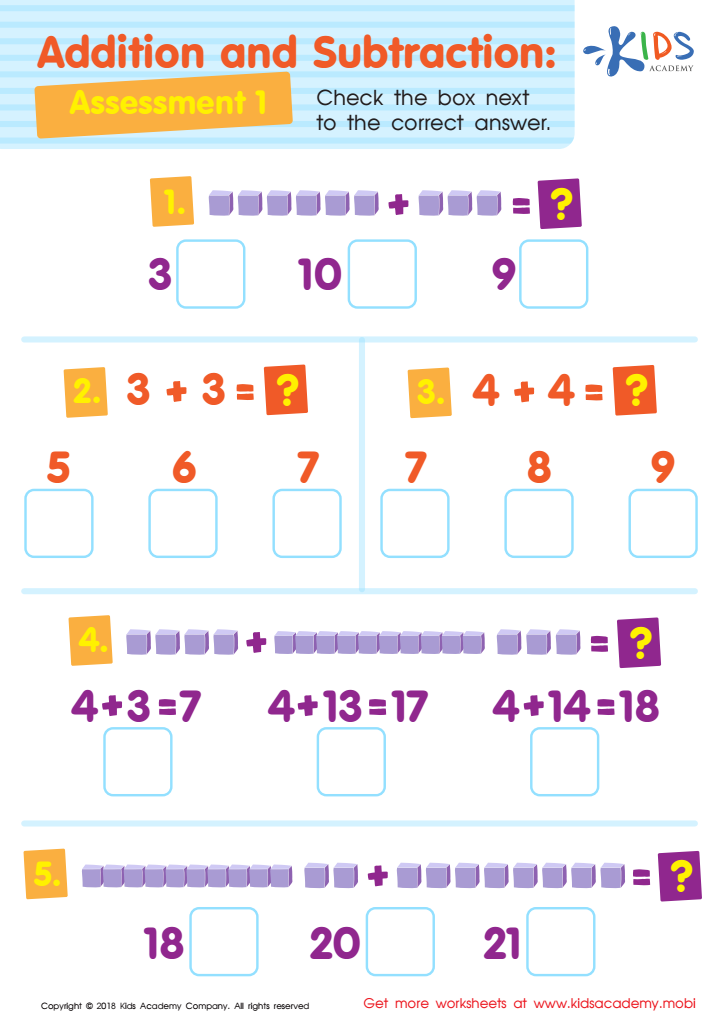
Addition and Subtraction Assessment 1 Worksheet
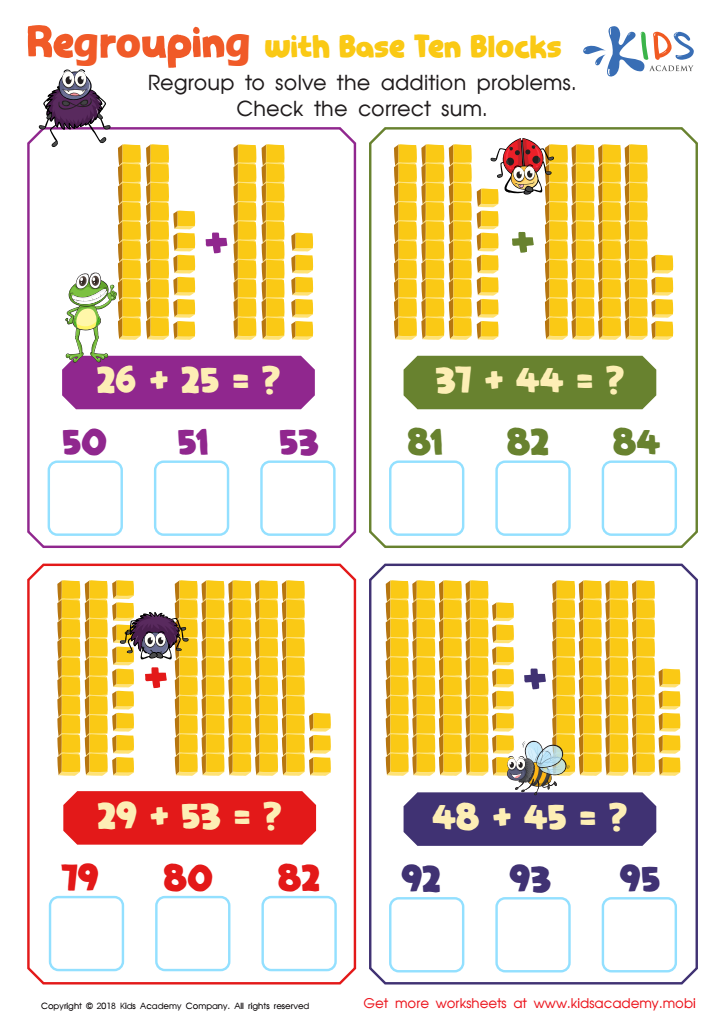
Regrouping With Base Ten Blocks Worksheet
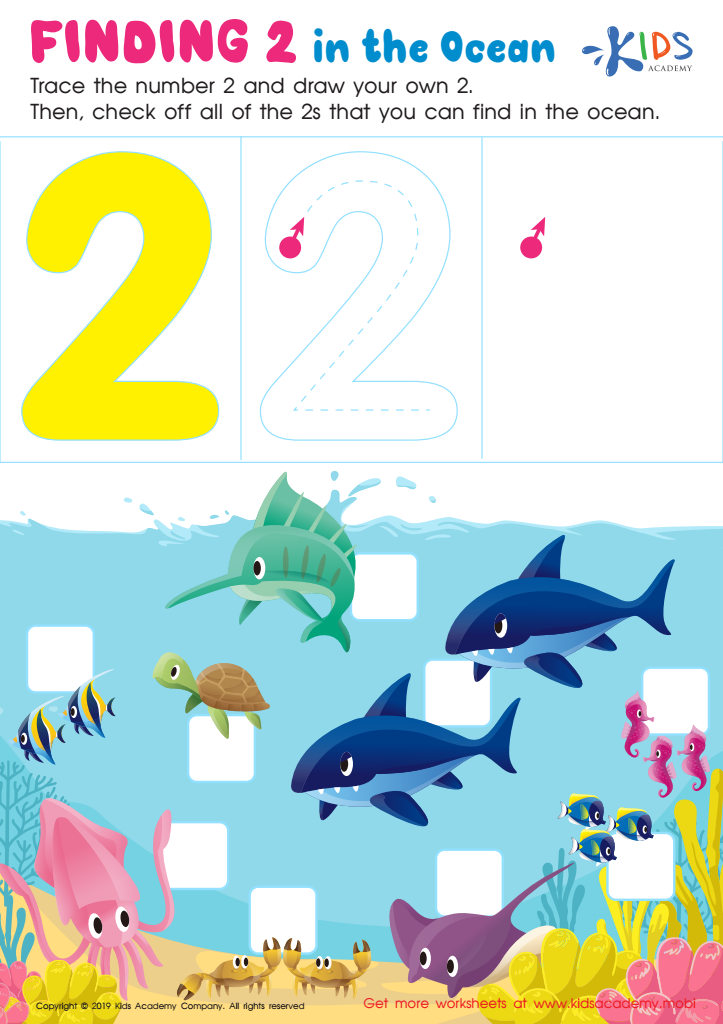
Finding 2: In the Ocean Worksheet






.jpg)

Developing problem-solving abilities in children aged 6-7 is crucial for several key reasons. Firstly, this foundational skill set enhances cognitive development by encouraging critical thinking and creativity. When children are exposed to problem-solving opportunities, they learn to think independently, evaluate options, and execute plans. This cognitive engagement directly supports academic achievement, particularly in subjects like math and science.
Secondly, problem-solving is a vital life skill that goes beyond academics. By navigating challenges and thinking through solutions, children build resilience and adaptability – qualities essential for their future social and professional lives. This self-reliance fosters a sense of confidence and self-esteem.
Parents and teachers who prioritize problem-solving skills also enable children to work well in collaborative settings. Group problem-solving activities teach valuable communication and teamwork skills, preparing them for a socially and emotionally balanced life.
Finally, emphasizing problem-solving from an early age helps children manage daily obstacles more effectively, reducing frustration and promoting patience. This well-rounded developmental approach sets a strong foundation for lifelong learning, fostering curious, capable, and well-adjusted individuals. Whether solving puzzles or navigating interpersonal conflicts, the skills honed in these formative years equip children with essential tools for future success.








