Develop sequencing skills Worksheets for Ages 6-7
3 filtered results
-
From - To
Enhance your child's learning experience with our engaging sequencing skills worksheets designed for ages 6-7. These printable activities promote critical thinking and problem-solving by encouraging kids to understand the order of events and actions. Each worksheet features fun illustrations and interactive exercises that challenge young minds to arrange sequences logically, fostering creativity and comprehension. By practicing sequencing, children develop essential skills for reading comprehension, storytelling, and daily task management. Explore our diverse collection of worksheets that not only align with educational standards but also make learning enjoyable. Give your child the tools they need to succeed with our sequencing skills activities!
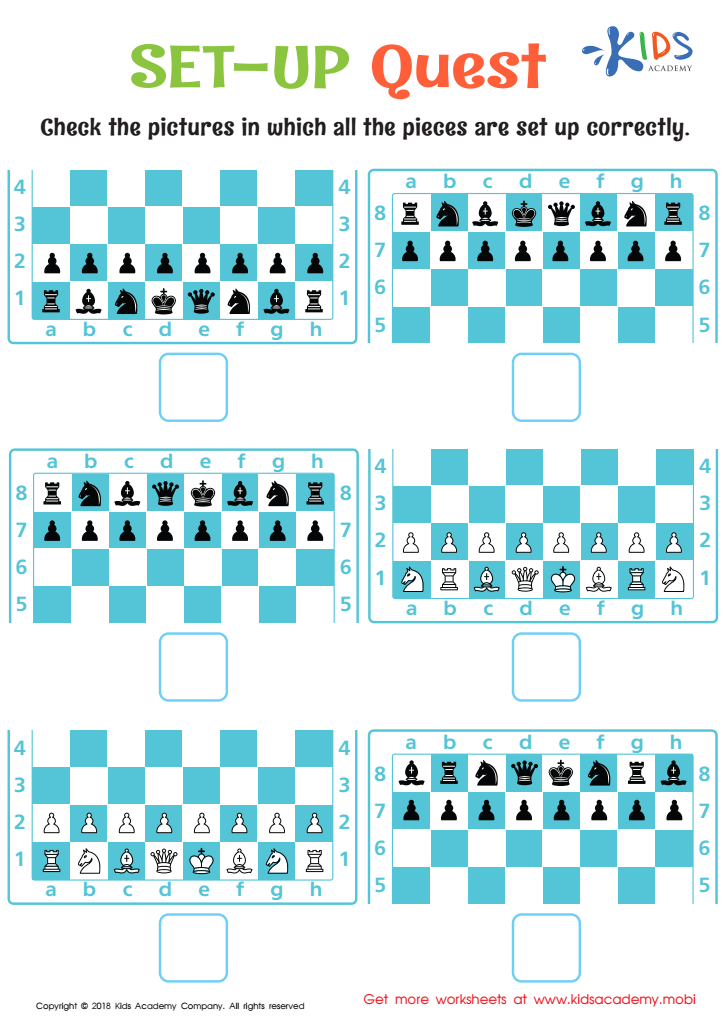
Set-up Quest Worksheet
 Assign to My Students
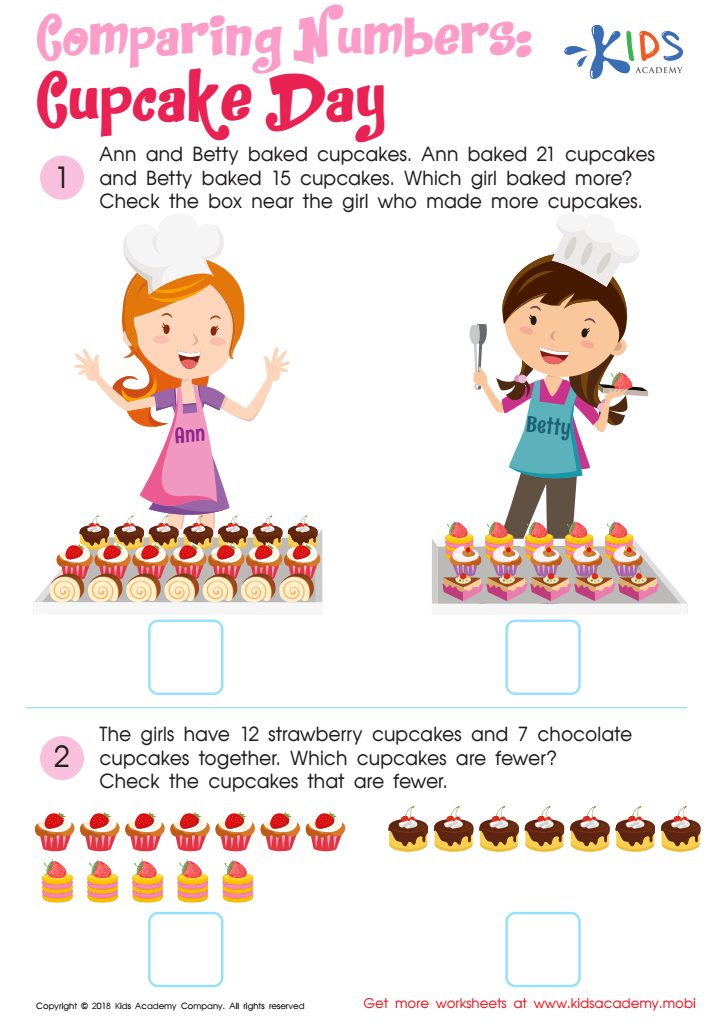
Cupcake Day Worksheet
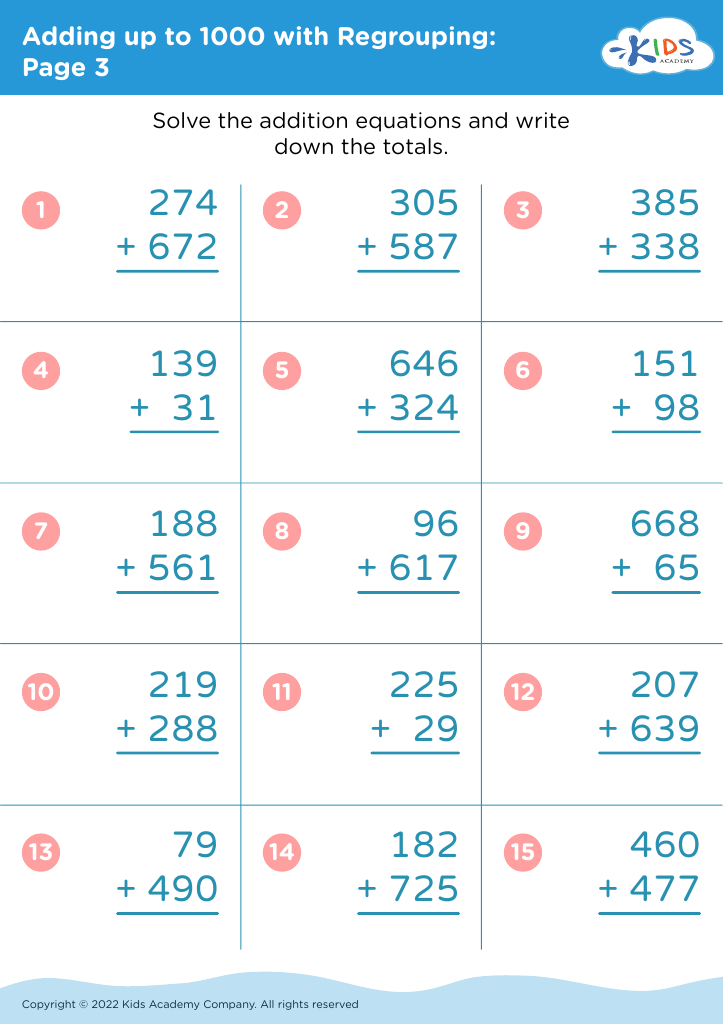







Developing sequencing skills in children aged 6-7 is crucial for their cognitive and academic growth. At this age, children are transitioning from early literacy and numeracy to more complex concepts. Sequencing skills, which involve being able to arrange events or objects in a logical order, are fundamental for language development, mathematics, and critical thinking.
Parents and teachers should care about fostering these skills because they enhance reading comprehension through improved understanding of story structure. When children can sequence events, they can better grasp plot progression, character development, and thematic elements of narratives. Similarly, in mathematics, sequencing is essential for solving problems, as it requires organizing steps systematically.
Furthermore, sequencing aids in everyday tasks and fosters independence. Children learn to follow multi-step instructions, which is vital for safety and routine activities such as dressing or completing homework. Recognizing chronological order also encourages planning and predicting outcomes, skills that are valuable throughout life.
Encouraging sequencing through games, storytelling, and hands-on activities can make learning enjoyable and engaging. Ultimately, prioritizing sequencing skills in early education sets a solid foundation for lifelong learning, ensuring that children not only succeed academically but also develop essential life skills.








