Develop developing strong observation skills at an early age can provide children with a foundation for lifelong learning. Our thoughtfully designed worksheets for ages 6-7 guide young learners in honing their attention to detail and critical thinking abilities. With engaging activities such as spot-the-difference, matching games, and item identification, kids will delight in the fun while strengthening their focus. Perfect for parents and educators, these printable worksheets are an excellent resource to enhance visual perception and cognitive development. Help your child unlock their potential and nurture a keen eye for detail with our expert-quality materials.

Check out this FREE "Developing observation skills" Trial Lesson for age 6-7!

Compare Numbers with 2 digits

Favorites
With answer key
Interactive
  • 6-7
  • Developing observation skills
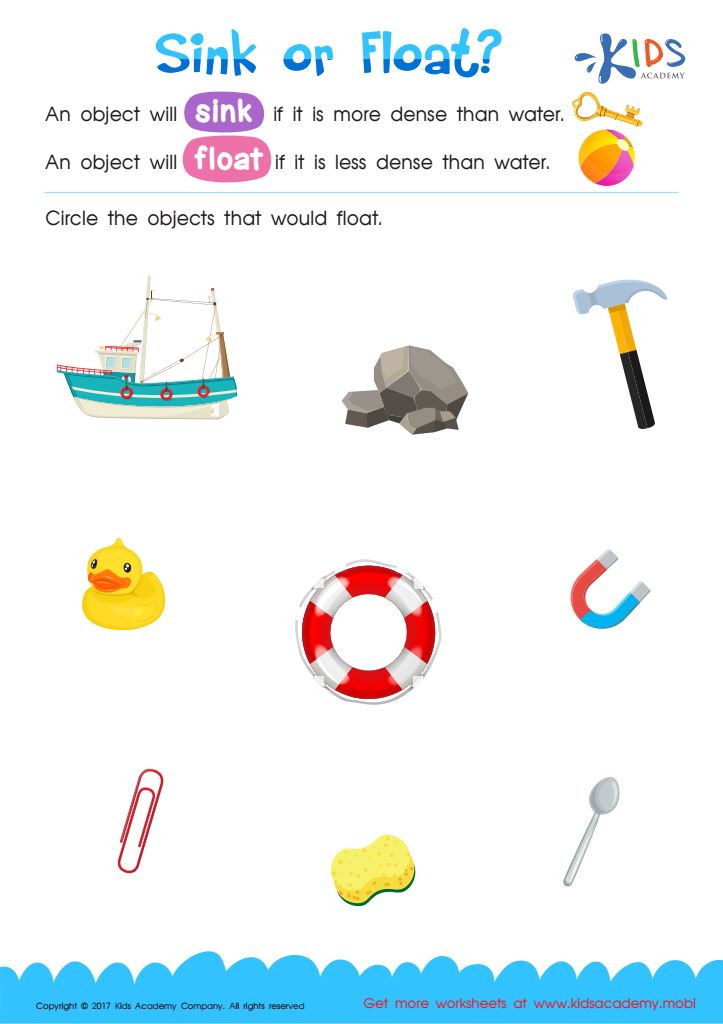
Worksheet: Sink or Float

Sink or Float Printable

They'll learn why some things stay on the surface and others sink to the bottom. (80 words)
Sink or Float Printable
Worksheet
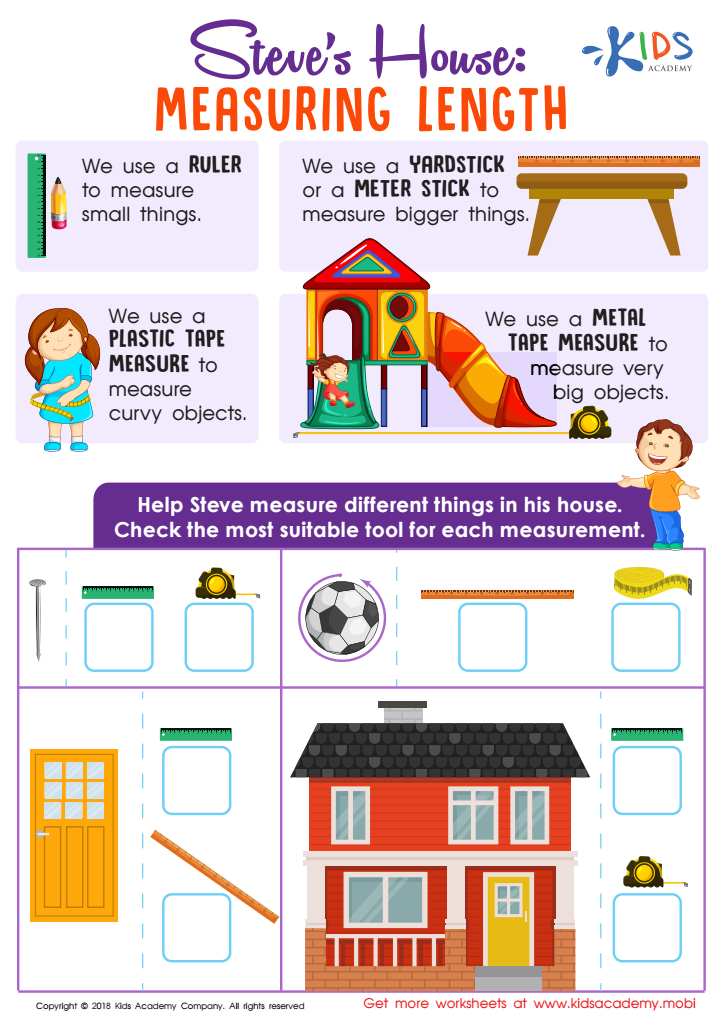
Steve's House: Measuring Length Worksheet

Steve's House: Measuring Length Worksheet

Introduce your kids to the various measuring tools and their uses. Explain how a ruler, plastic tape, yard stick, and metal tape measure are used to measure different objects. Guide them as they help Steve measure things in his home with the correct tool.
Steve's House: Measuring Length Worksheet
Worksheet
Comparing Causes of Erosion Worksheet
Comparing Causes of Erosion Worksheet

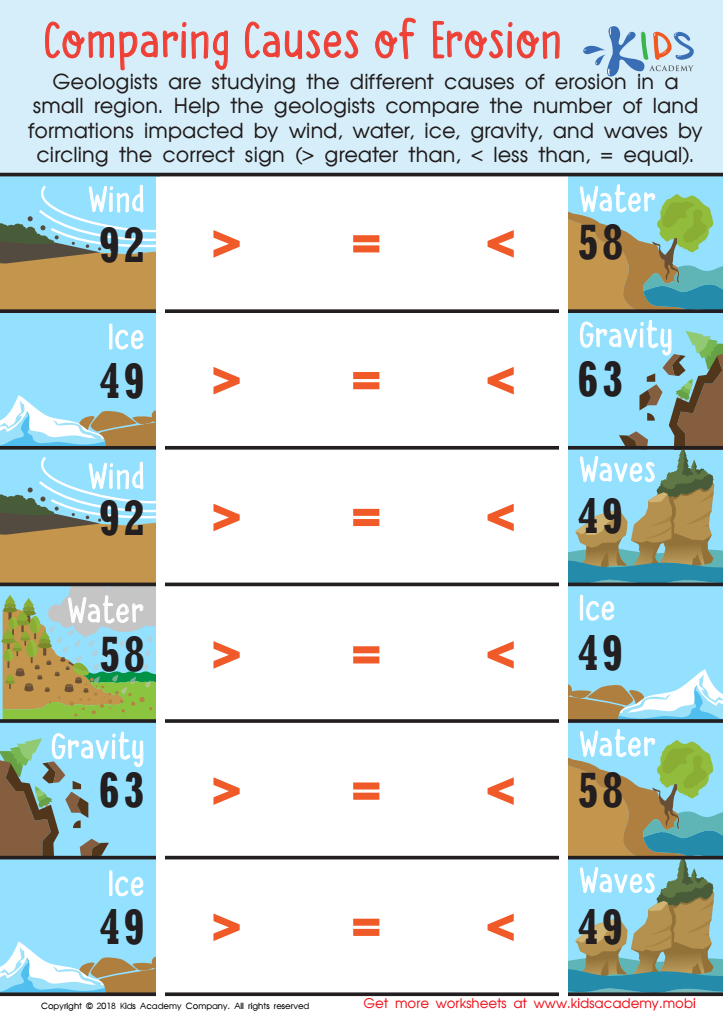
This free PDF worksheet combines science, number sense and comparing numbers to teach kids about the causes of erosion. They'll compare numbers related to ice, wind, water, gravity and waves and decide if each cause is greater, less than or equal to another. It's an interdisciplinary and meaningful way to learn that kids will enjoy.
Comparing Causes of Erosion Worksheet
Worksheet
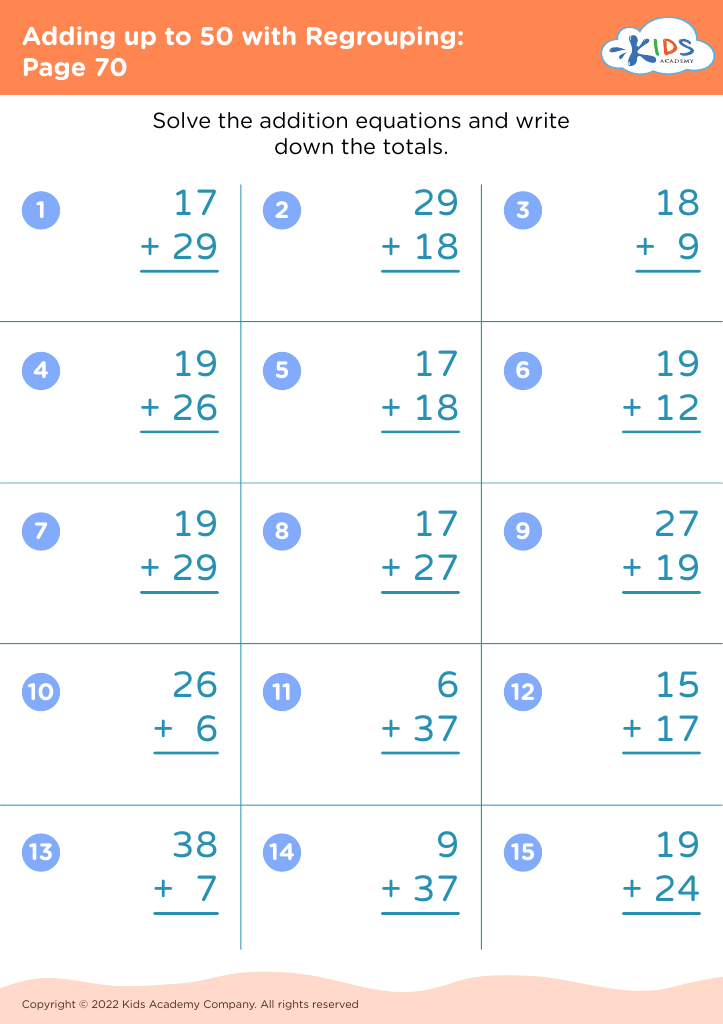
Adding up to 50 with Regrouping: Page 70
Worksheet
Which one is heavier worksheet

Which One Is Heavier Worksheet
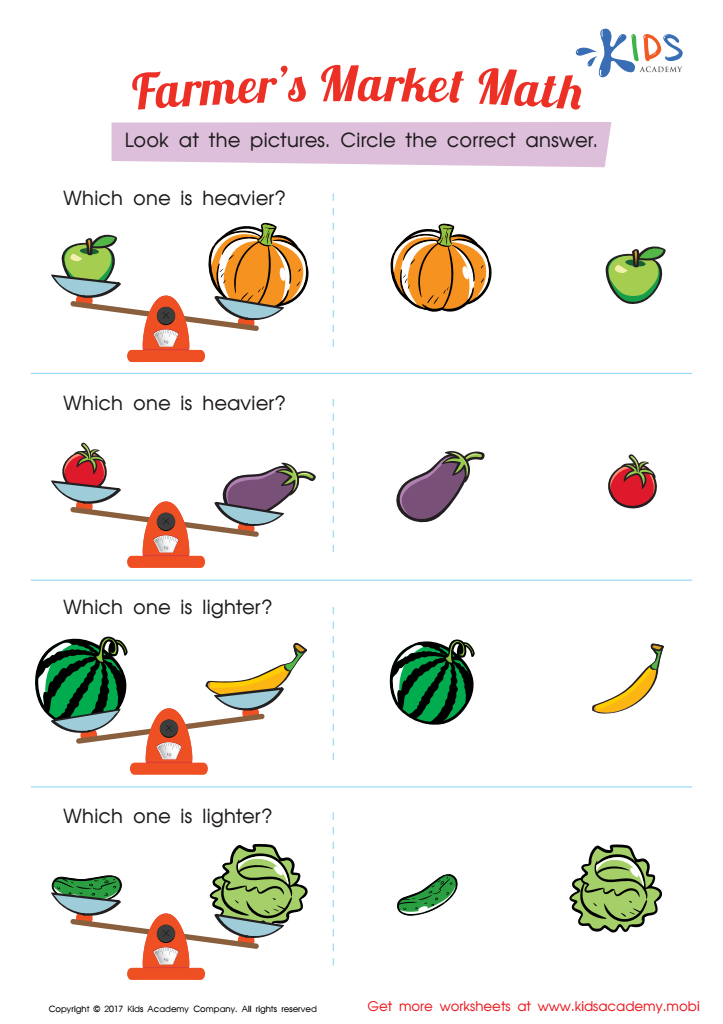
Kindergartners can learn weight easily with this worksheet, featuring images of familiar fruits and veggies. Comparing which one is heavier helps them understand the concept better.
Which One Is Heavier Worksheet
Worksheet
Light and Sound: Assessment 2 Worksheet

Light and Sound: Assessment 2 Worksheet

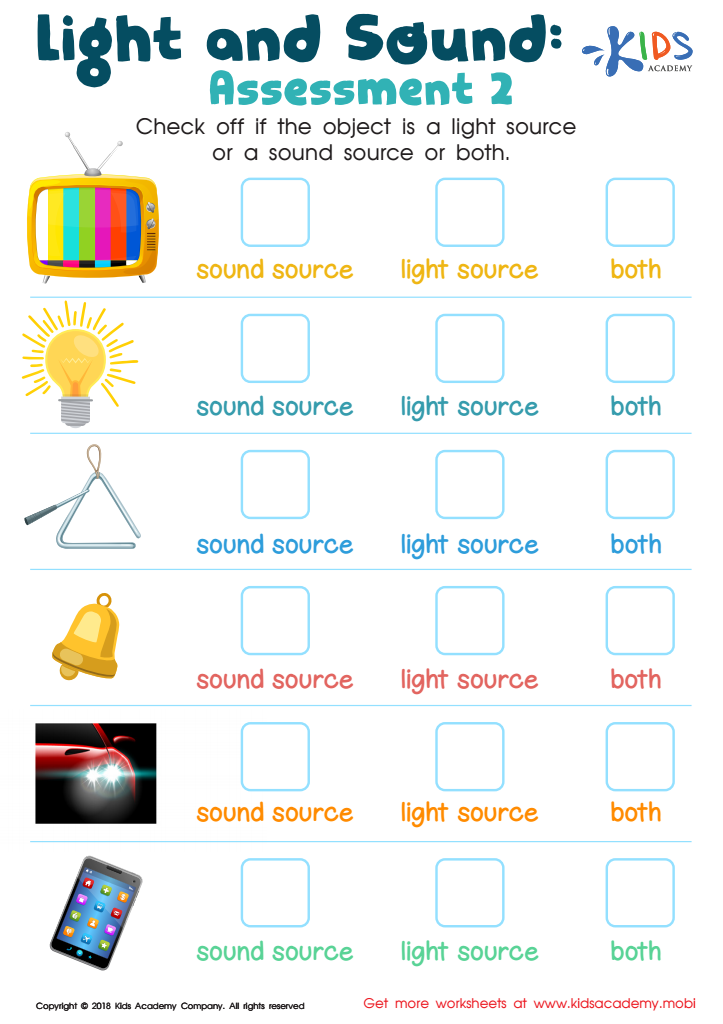
This worksheet introduces your kids to light and sound, with common sources of each. Identify the objects and help them check if it's a light source, a sound source, or both. Colourful and simple, it's a great way to teach your little ones! (80 words)
Light and Sound: Assessment 2 Worksheet
Worksheet
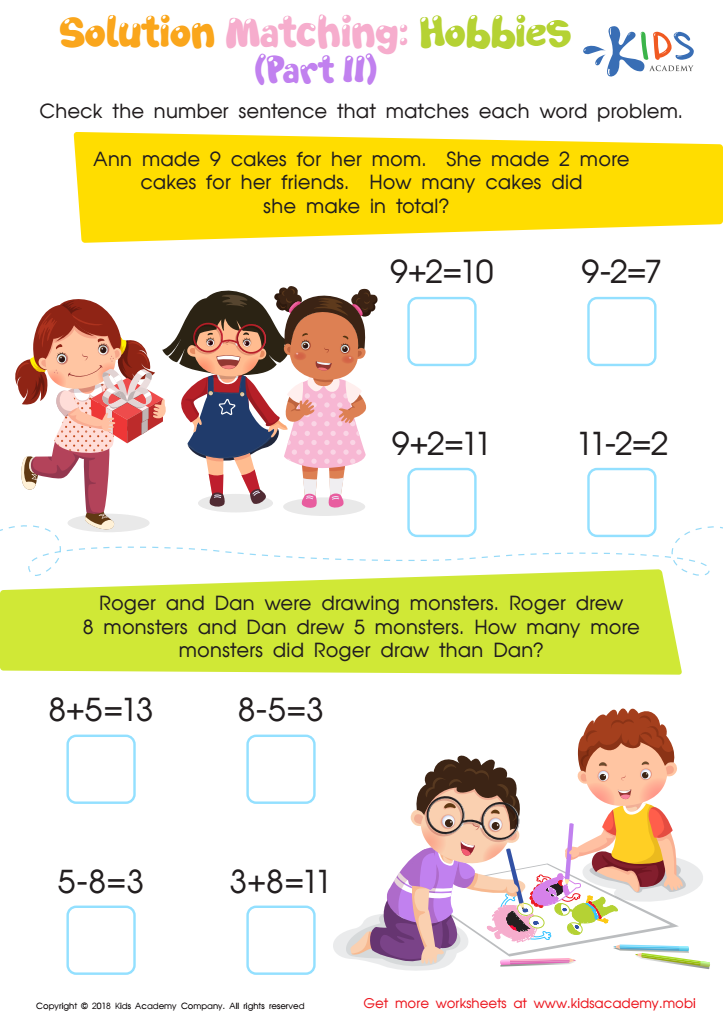
Solution Matching: Hobbies. Part 2 Worksheet

Solution Matching: Hobbies. Part 2 Worksheet

This fun printable worksheet has word problems featuring hobbies your children enjoy! With your child, read through each problem, understanding the numbers and key phrases indicating addition or subtraction. Then, match the correct equation with the solution by checking the box. Math problems are more enjoyable to solve when they’re realistic and engaging!
Solution Matching: Hobbies. Part 2 Worksheet
Worksheet
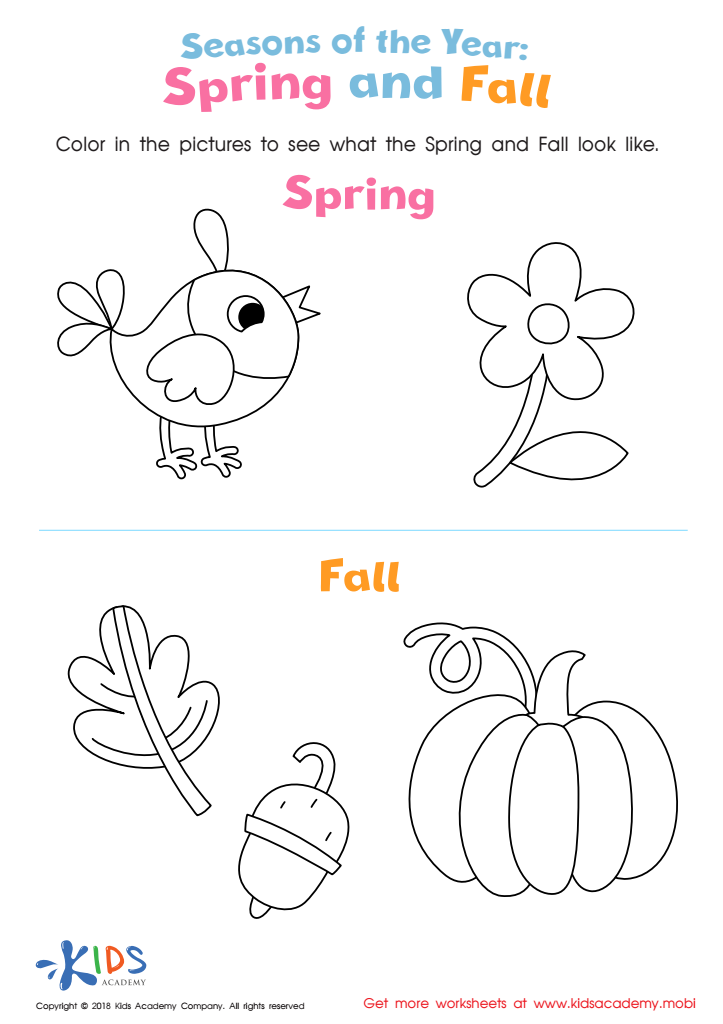
Spring and Fall Worksheet

Spring and Fall Worksheet

This coloring sheet is great fun for kids. It features animals, shapes, and asks kids to identify spring and fall. Ask them to name the things in the sheet, and then help choose colors that fit each season. Let their imaginations run wild!
Download (PDF)
Assign to My Students
Spring and Fall Worksheet
Worksheet
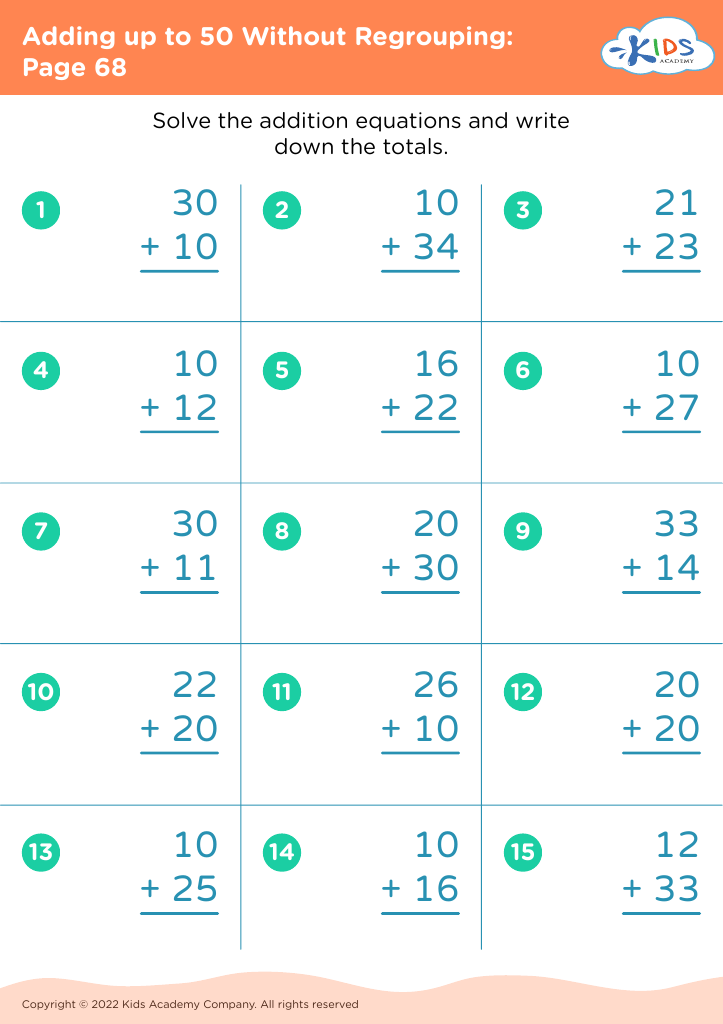
Adding up to 50 Without Regrouping: Page 68
Worksheet


Developing observation skills in children aged 6-7 is essential for their cognitive, social, and emotional growth. At this stage, kids are natural explorers and their brains are rapidly absorbing new information. By fine-tuning their observation skills, parents and teachers can help them become more aware of the world around them, which fosters critical thinking and problem-solving abilities.

When children are encouraged to observe their surroundings carefully, they learn to notice details that might otherwise go unnoticed. This attention to detail supports academic success, as it enhances reading comprehension, scientific exploration, and mathematical reasoning. Observational skills also lay the foundation for effective communication. Kids who keenly observe body language and social cues are better equipped to interact empathetically and build meaningful relationships.

In addition, honing these skills can spur creativity and curiosity. Observant children often ask insightful questions and engage more deeply with their hobbies and interests. This can lead to greater enthusiasm for learning and a more engaged, inquisitive mindset overall.

Moreover, fostering observation skills emphasizes mindfulness and patience, qualities that contribute to emotional well-being. By instilling the habit of careful observation early, parents and teachers equip children with a valuable toolkit to navigate and understand their ever-expanding world.