
Emotional recognition Worksheets for Ages 6-7
3 filtered results
Difficulty Level
Grade
Age
-
From - To
Subject
Activity
Standards
Emotional recognition is crucial for children's social development. Our "Emotional Recognition Worksheets for Ages 6-7" are thoughtfully crafted to help young learners identify and understand various emotions. These engaging worksheets blend fun activities with educational content, allowing kids to recognize facial expressions, understand emotional cues, and build empathy. Through puzzles, matching games, and drawing exercises, children enhance their emotional intelligence, aiding in better interpersonal interactions. Perfect for both classroom and home use, these printables offer a fantastic way for parents and educators to support the emotional growth of their young ones in a playful and effective manner.
Favorites
With answer key
Interactive
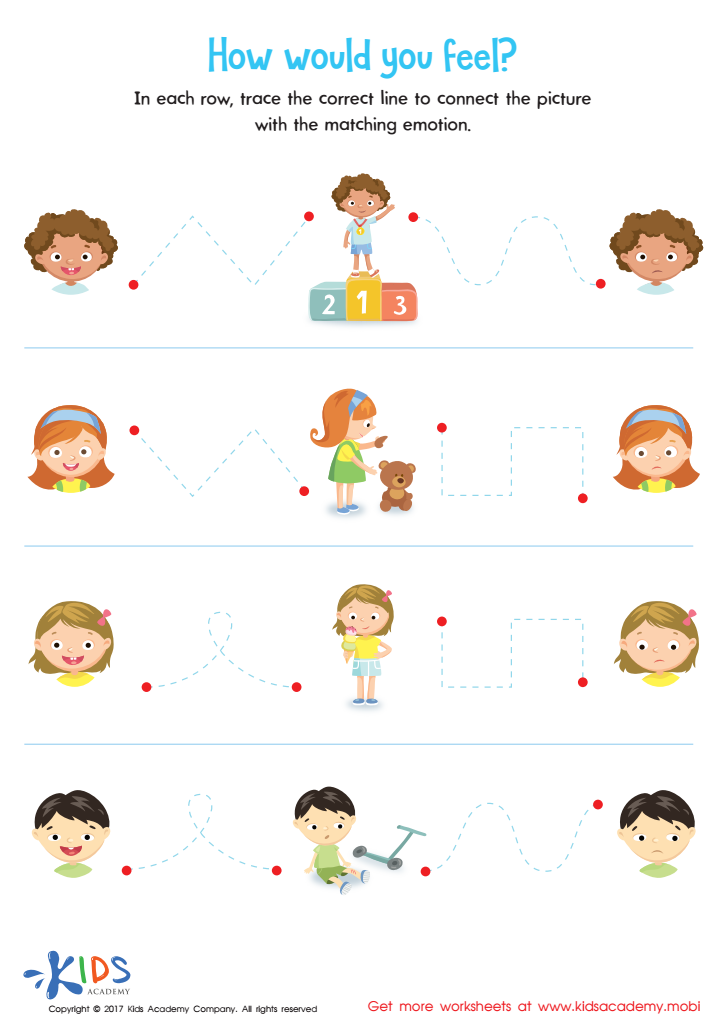
Feelings and Emotions Worksheet
Kids must learn how to deal with situations and handle their own emotions. This worksheet helps them practice empathy and resilience, making them more self-aware and confident. It also helps them to relate their life experiences to common disappointments and develop coping mechanisms.
 Assign to My Students
Feelings and Emotions Worksheet
Worksheet
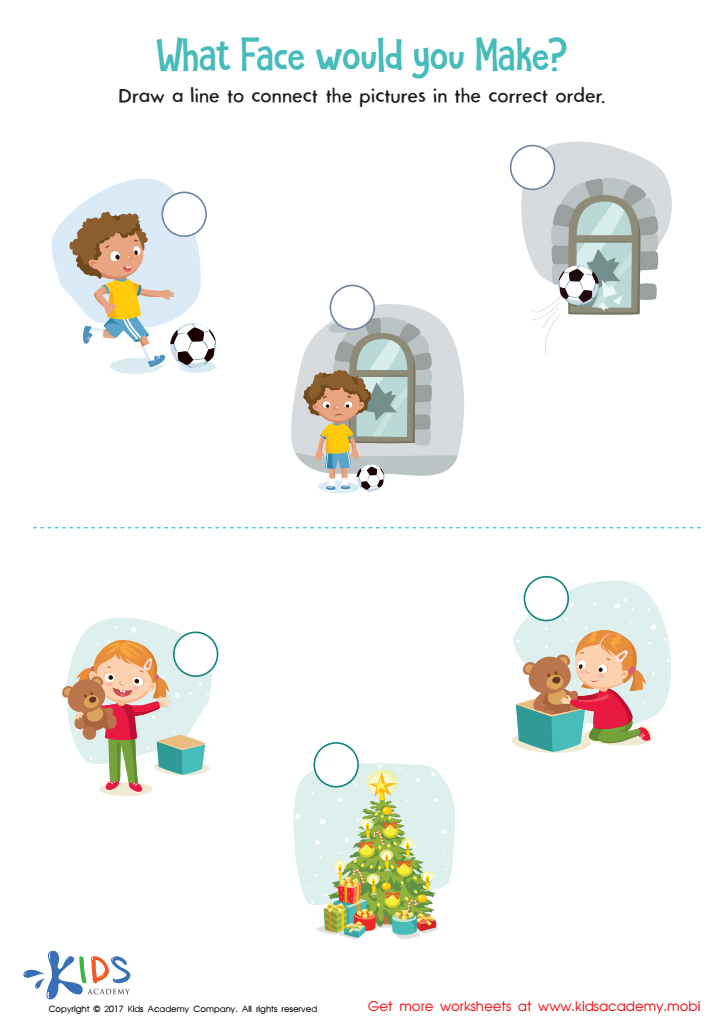
Understanding Emotions Worksheet
This worksheet helps children build social and emotional skills. As they complete it, they imagine themselves in the boy's situation, practicing empathy. It's an engaging and meaningful way to learn.
Understanding Emotions Worksheet
Worksheet
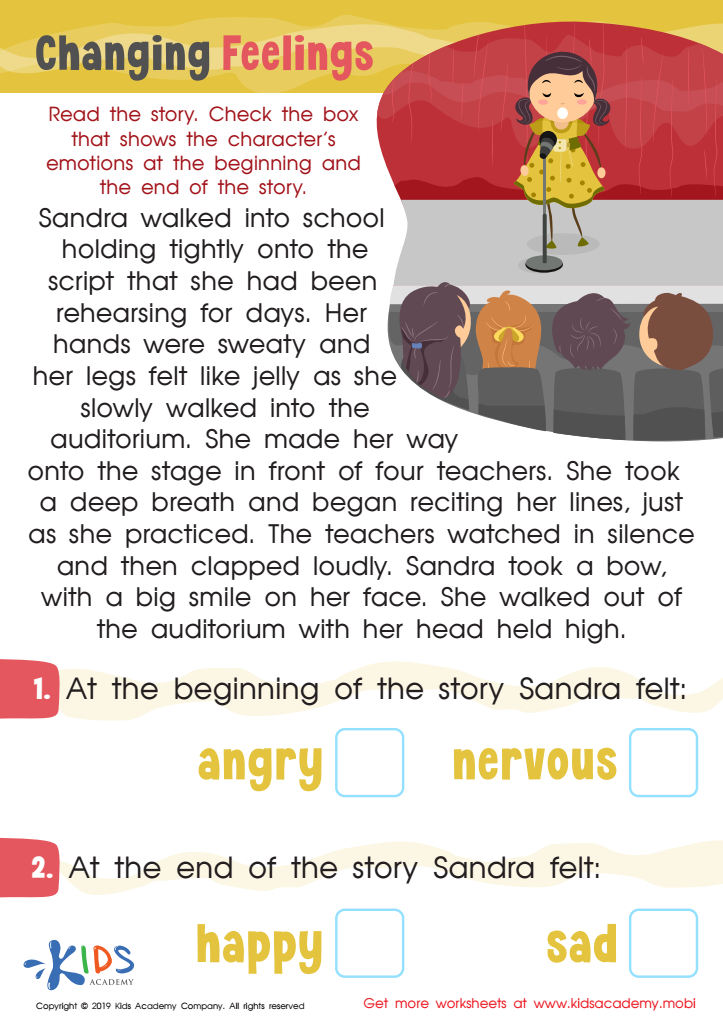
Changing Feelings Worksheet
Help your kids practice reading skills with this exercise. Ask them to read the short passage, then check the boxes showing the character's emotions at the start and end. This will help them improve their reading and understanding.
Changing Feelings Worksheet
Worksheet
Join Kids Academy for Free
Who is primarily going to use this learning content?




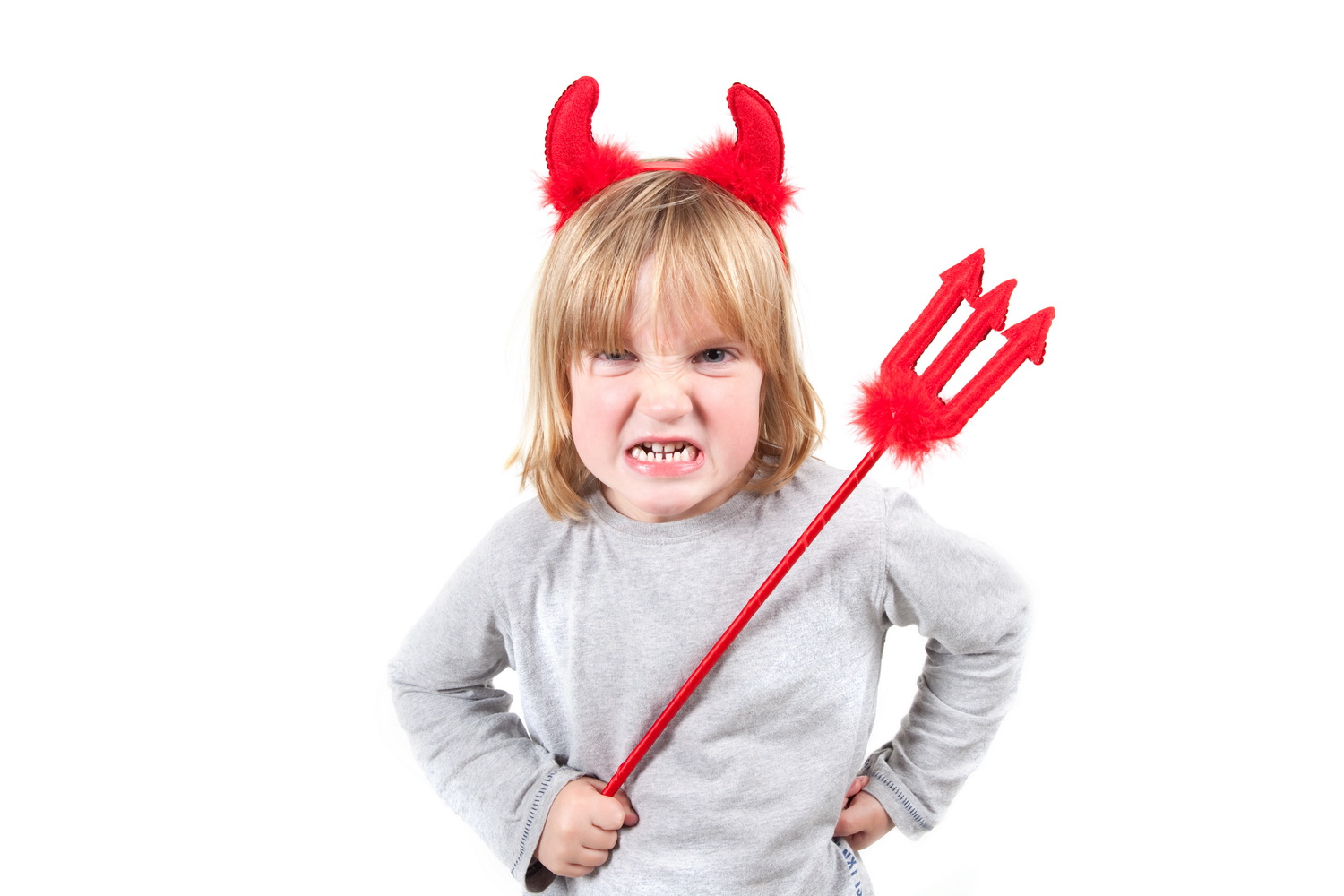

Caring about emotional recognition in children aged 6-7 is essential for several key reasons. First, at this developmental stage, children are forming foundational social and emotional skills. Helping them recognize and label their own emotions, as well as those of others, fosters empathy and compassion. This is crucial for building healthy relationships with peers, which in turn can positively affect their self-esteem and sense of belonging.
Second, being able to recognize emotions enables children to better manage their reactions. This is important because it helps reduce incidents of inappropriate behavior, both at home and in the classroom. Emotional recognition allows children to express their feelings in a constructive manner, which can prevent minor issues from escalating into significant conflicts.
Furthermore, emotional recognition contributes to academic success. Children who understand and manage their emotions are more likely to be engaged learners. They can concentrate better and are more resilient in the face of challenges, which enhances their ability to grasp new concepts and complete tasks.
For parents and teachers, fostering emotional recognition requires modeling appropriate emotional responses, teaching vocabulary related to feelings, and creating an environment where emotions can be openly discussed. This investment in a child’s emotional education pays dividends in their overall psychological well-being and their ability to navigate complex social landscapes as they grow.








