Enhancing categorization skills Worksheets for Ages 6-7
4 filtered results
-
From - To
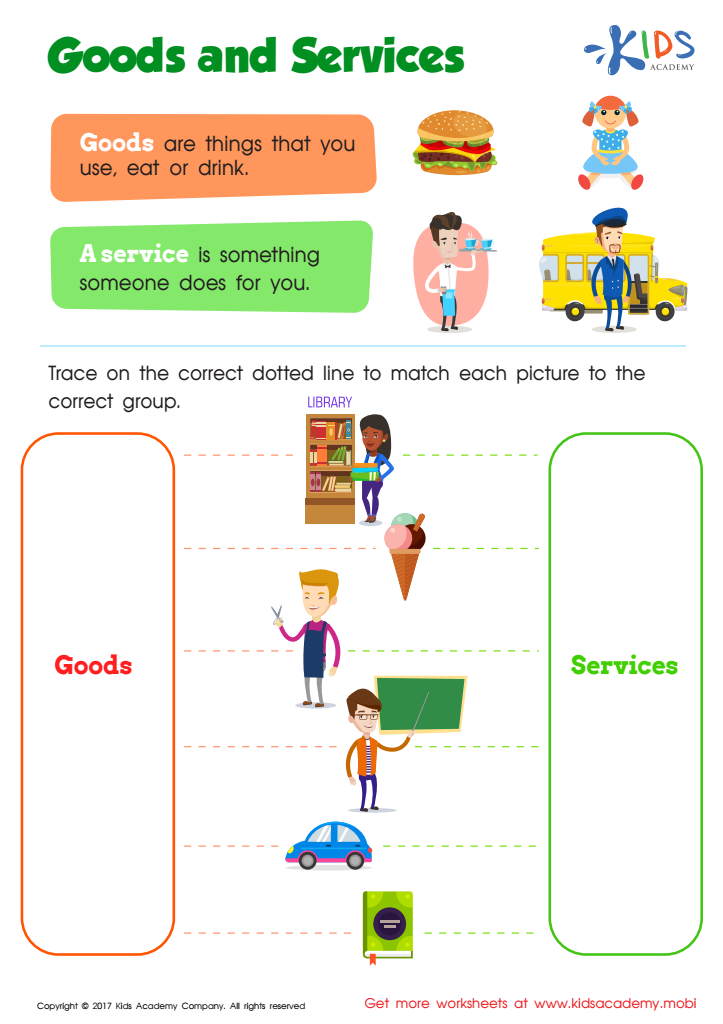
Discover our "Enhancing Categorization Skills Worksheets" designed specifically for children ages 6-7! These thoughtfully crafted worksheets promote critical thinking by helping young learners group objects, activities, and images based on shared characteristics. By engaging with fun and interactive tasks, children will strengthen their ability to categorize, sorting items into meaningful groups, fostering early analytical skills. Ideal for both classroom and home use, these worksheets align with educational standards and support cognitive development. Encourage your child’s love of learning while enhancing their organizational skills—download now and watch them thrive as they explore the world of categorization!
 Assign to My Students
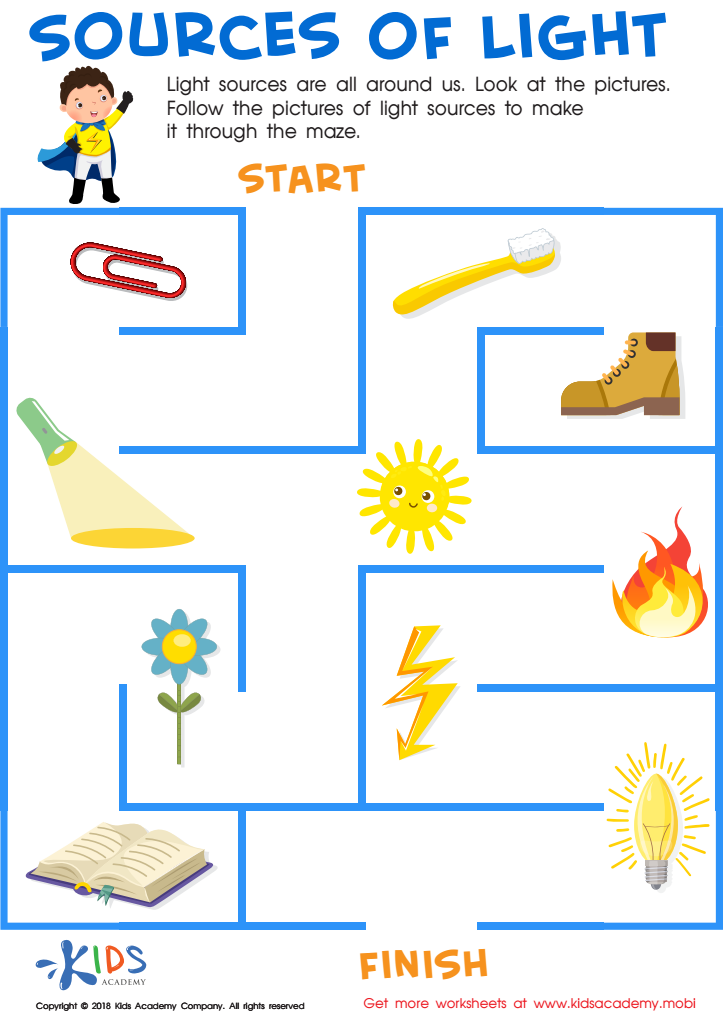
Sources of Light Worksheet
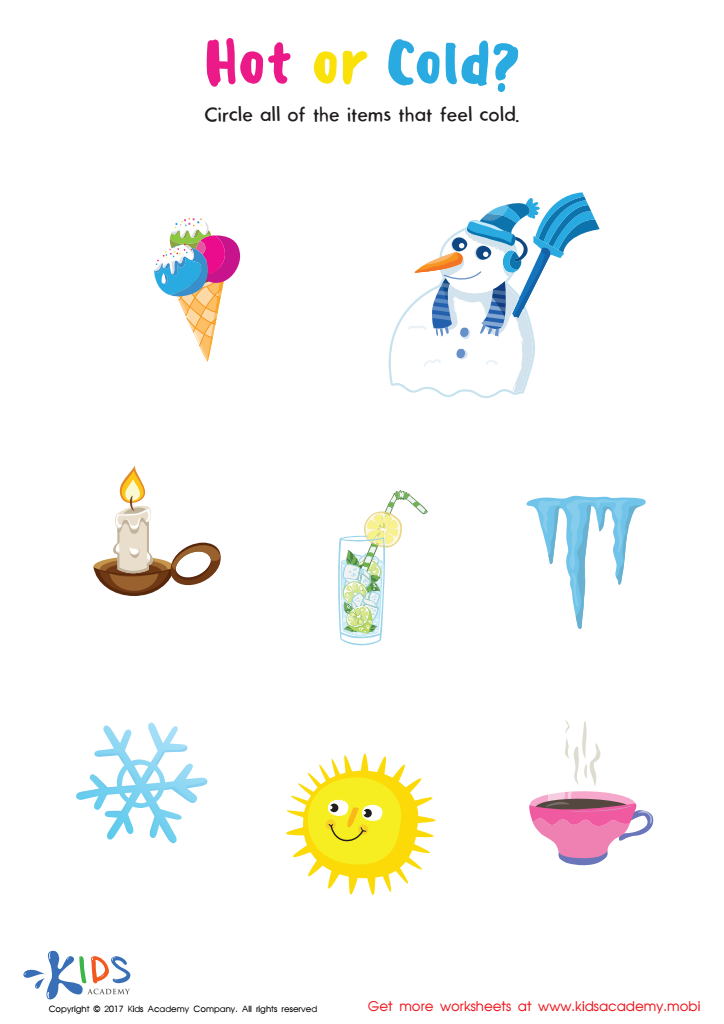
Hot or Cold Printable
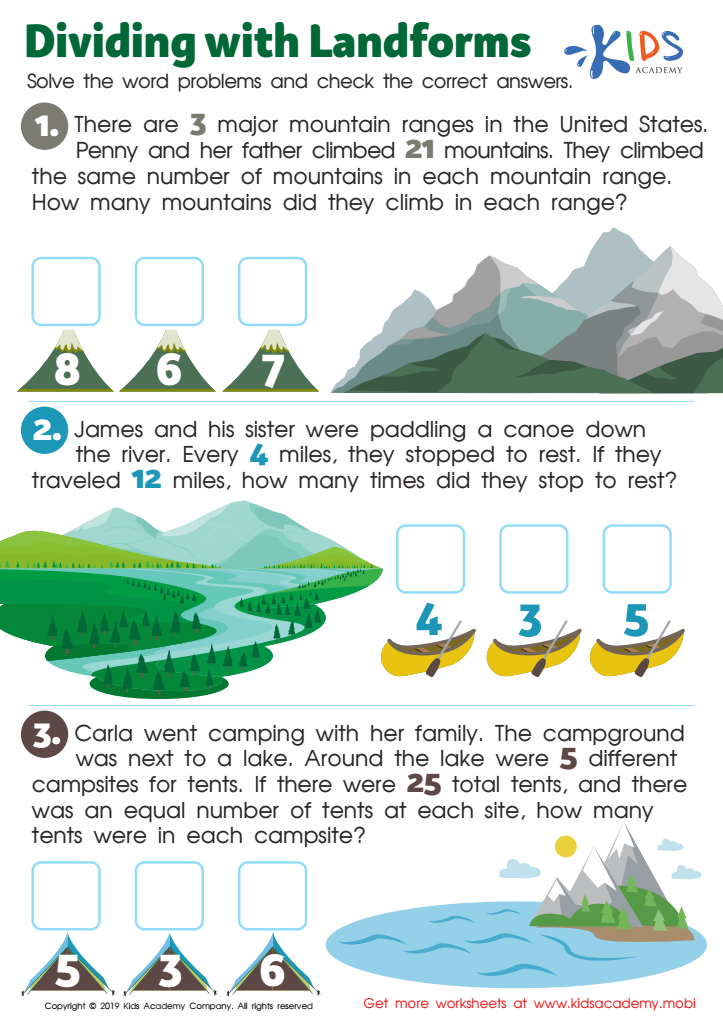
Dividing with Landforms





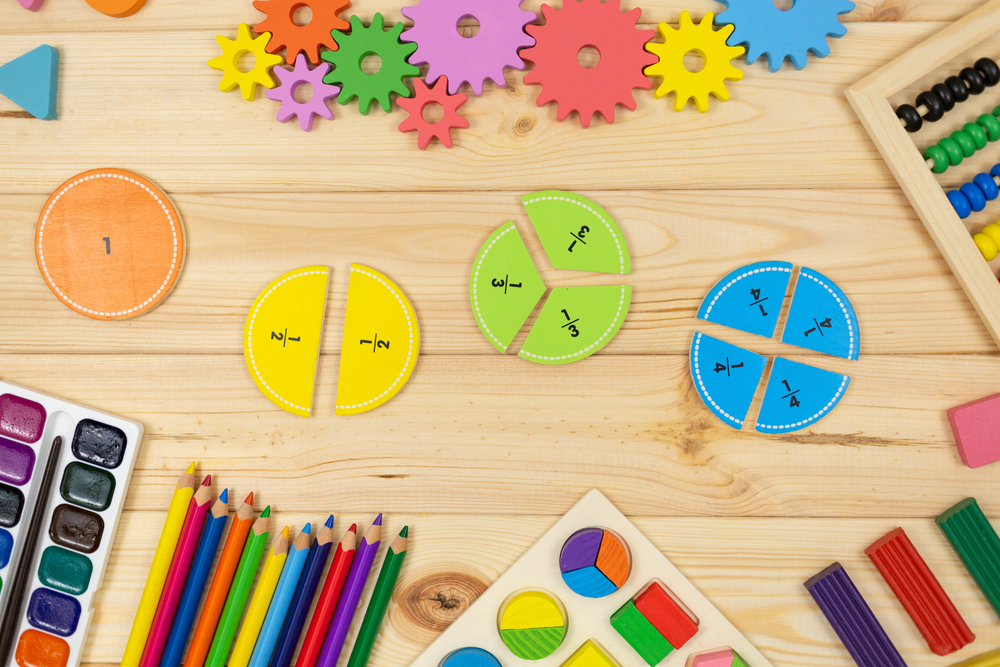
Enhancing categorization skills in children aged 6-7 is crucial for their cognitive development and learning processes. At this age, children are actively developing critical thinking and organizational skills that will serve as foundational tools throughout their education. Categorization helps children understand the relationships between objects, concepts, and ideas, enabling them to make sense of their world.
Parents and teachers should prioritize this skill because it fosters better comprehension in reading and maths, as children learn to group similar items, identify patterns, and draw connections between different subjects. For instance, categorizing animals by habitat or food helps deepen their understanding of biology while enhancing vocabulary. Additionally, these skills are essential for problem-solving; children who can categorize information are better equipped to tackle complex tasks and challenges.
Furthermore, enhancing categorization encourages creativity and social skills. As children group items or ideas, they explore different perspectives and collaborate with peers. This promotes social interaction and builds communication skills, crucial for ongoing learning.
In conclusion, parents and teachers should care about enhancing categorization skills because it supports children's cognitive growth, improves academic performance, and encourages social cooperation, laying the groundwork for lifelong learning.








