Enhancing critical thinking Worksheets for Ages 6-7
14 filtered results
-
From - To
Boost your child's cognitive skills with our "Enhancing Critical Thinking Worksheets for Ages 6-7". Designed to stimulate young minds, these worksheets encourage logical reasoning, problem-solving, and creative thinking. Engaging activities such as puzzles, matching games, and storytelling exercises make learning fun and effective. Help your child develop essential critical thinking skills that form the foundation for academic success and everyday problem-solving. Ideal for home practice or supplemental classroom activities, our worksheets are crafted to support and challenge young learners. Give your child the tools they need to think critically and excel in all areas of learning.
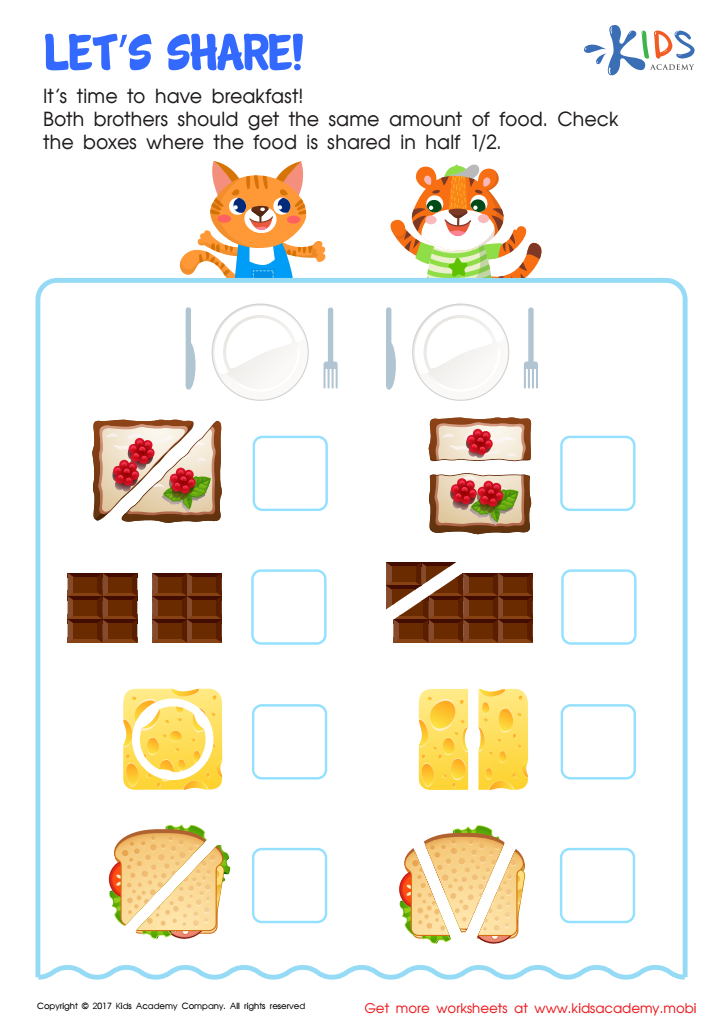
Let's Share Worksheet
 Assign to My Students
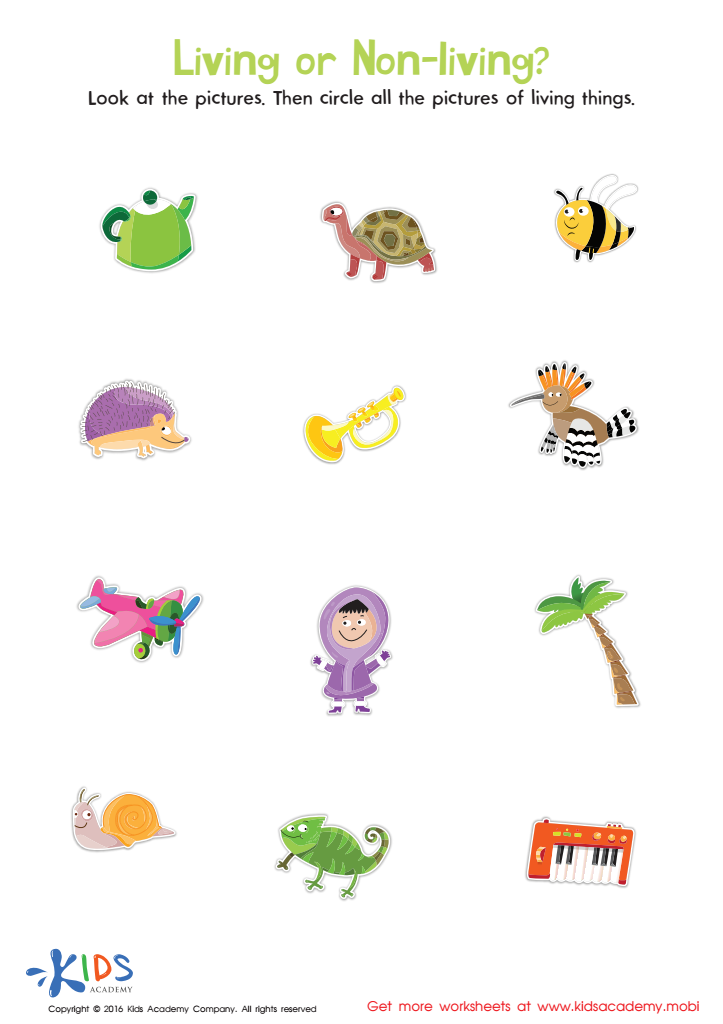
Identifying Living and Non–living Things Sorting Worksheet
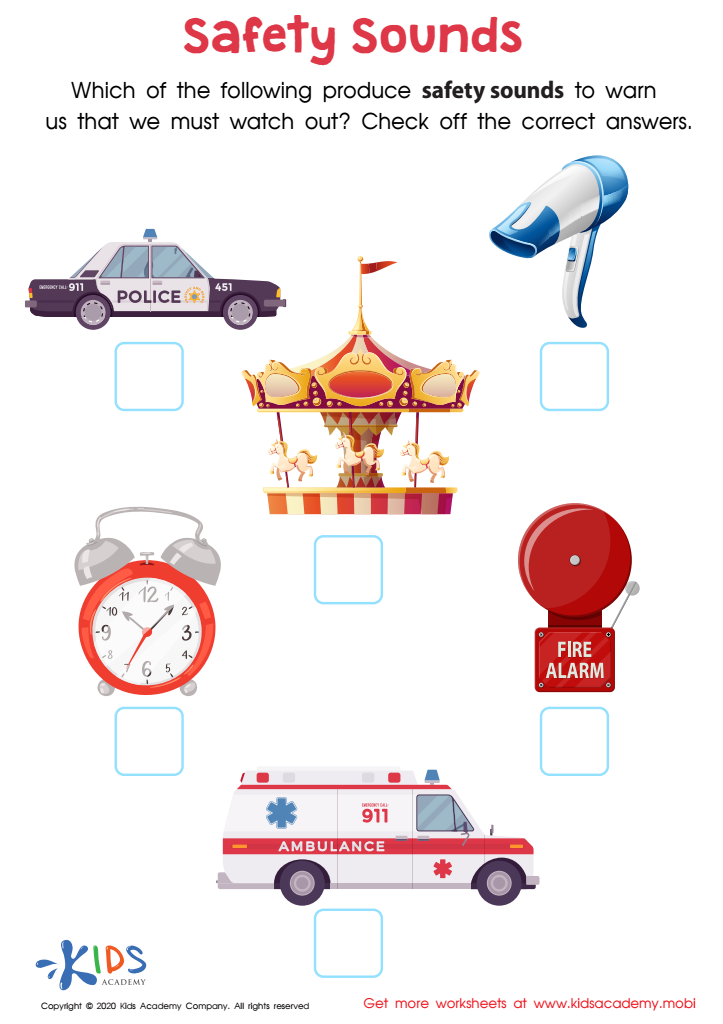
Safety Sounds Worksheet

What is a Citizen? Worksheet
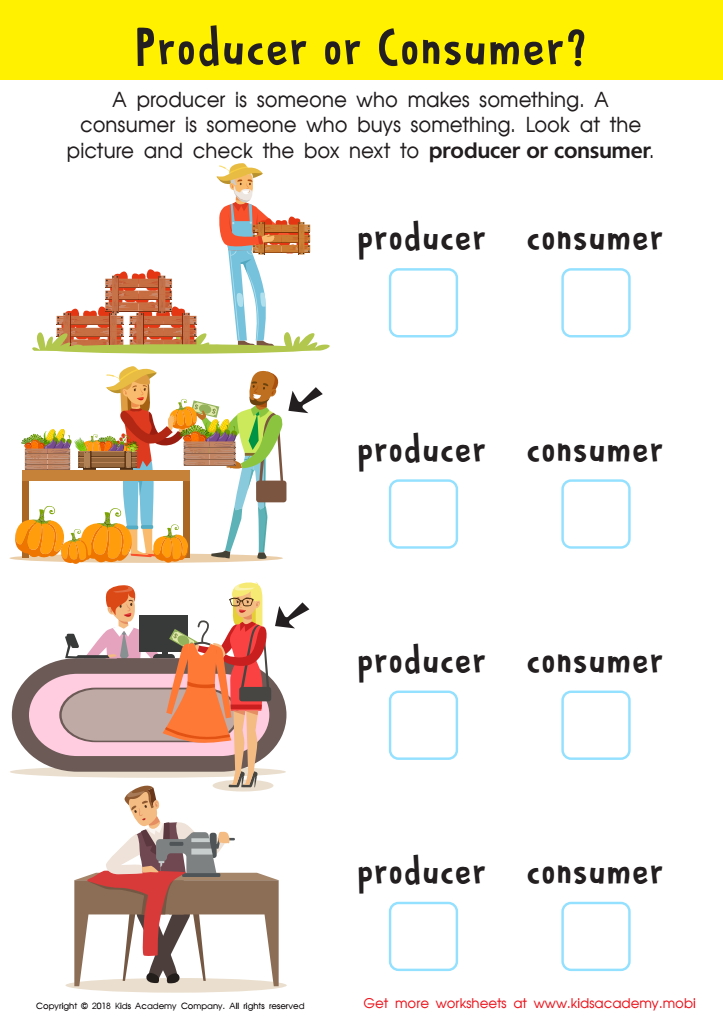
Producer or Consumer? Worksheet
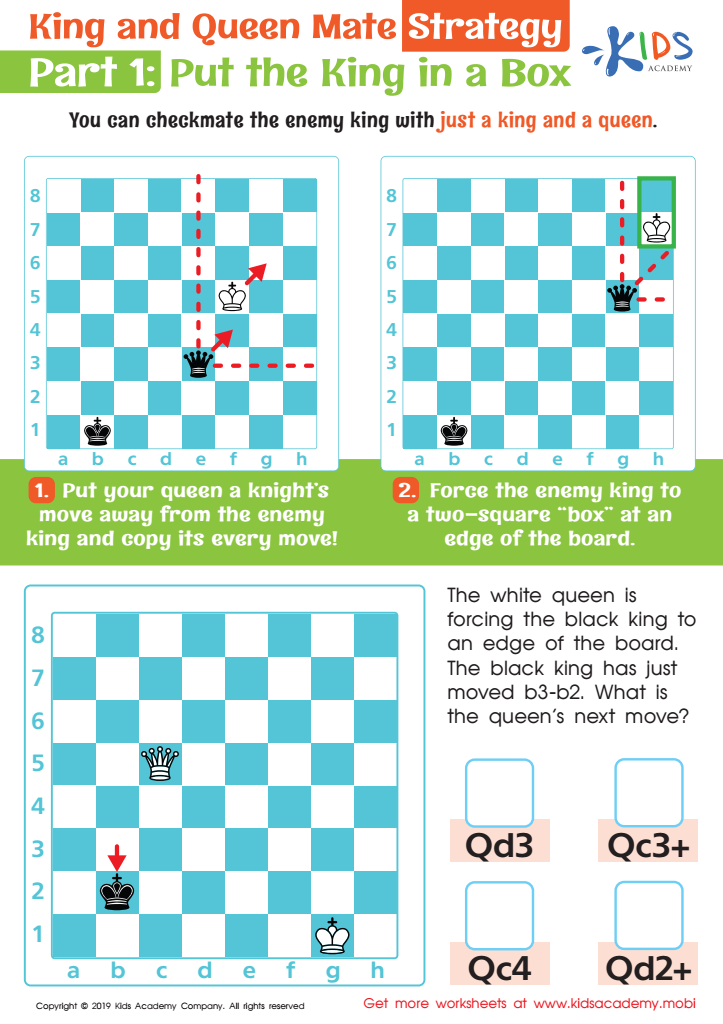
King and Queen Mate Strategy: Part 1 Worksheet
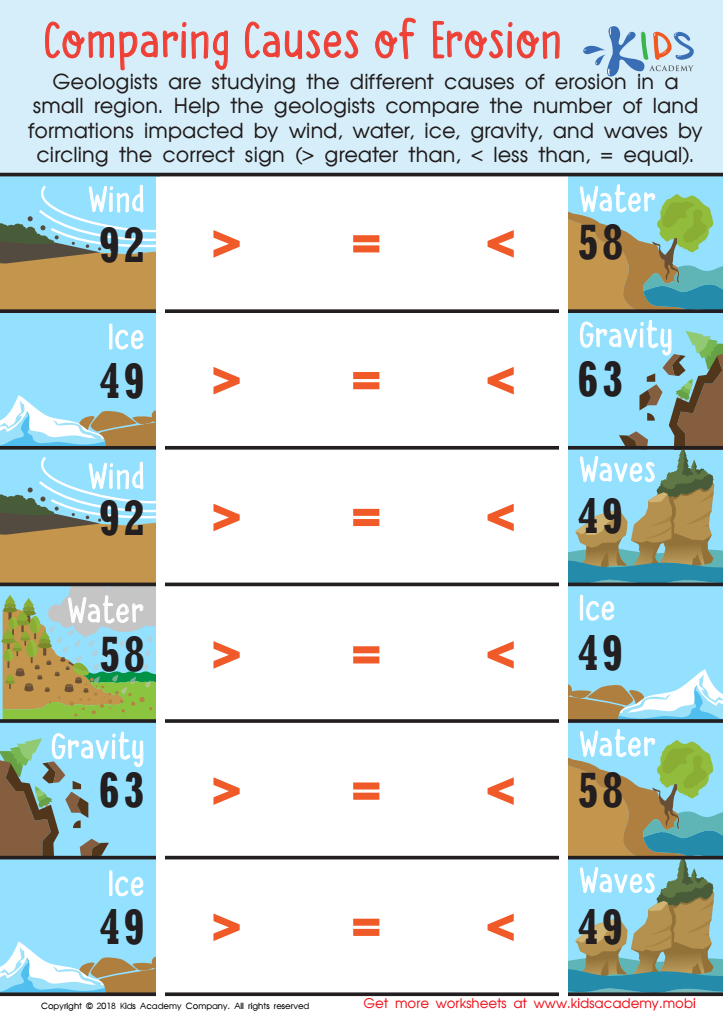
Comparing Causes of Erosion Worksheet
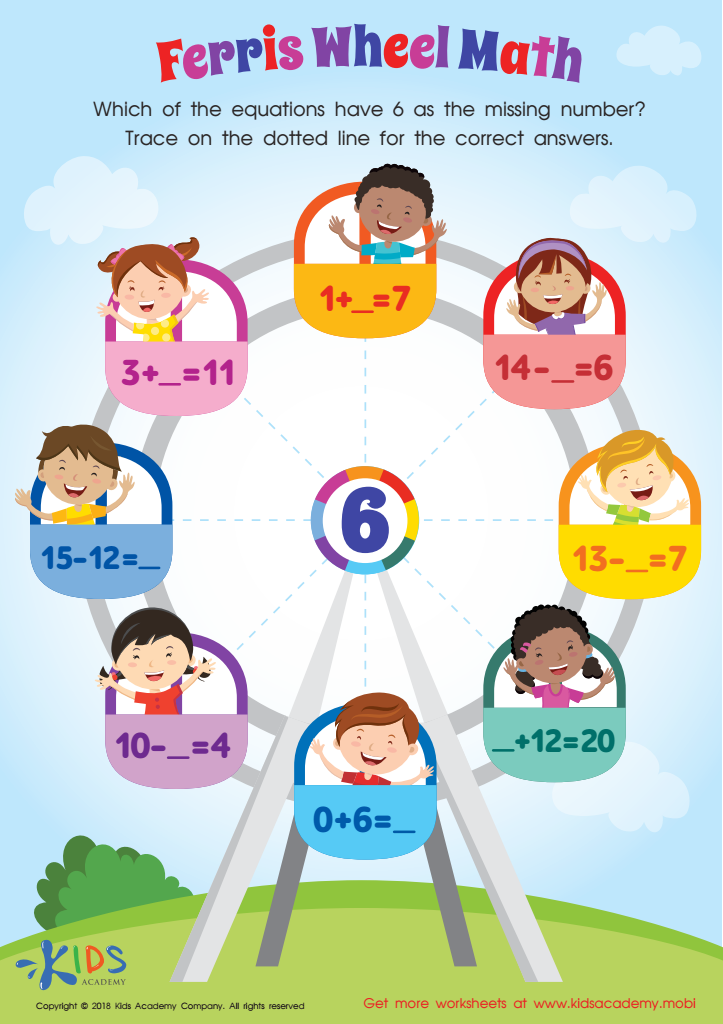
Missing Number: Ferris Wheel Math Worksheet
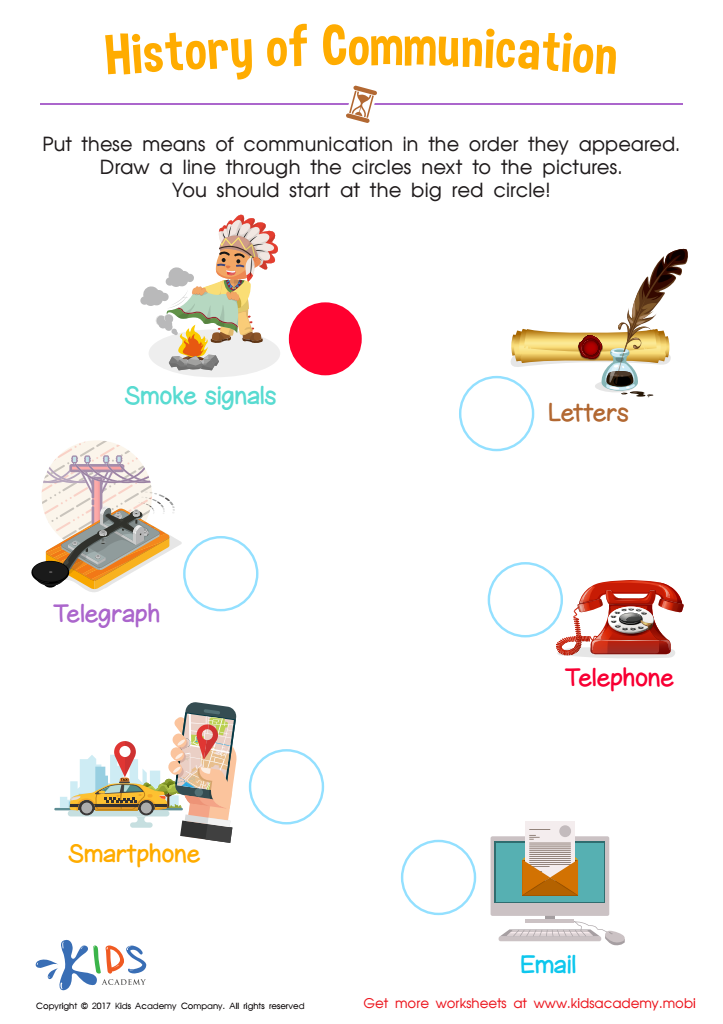
History of Communication Worksheet
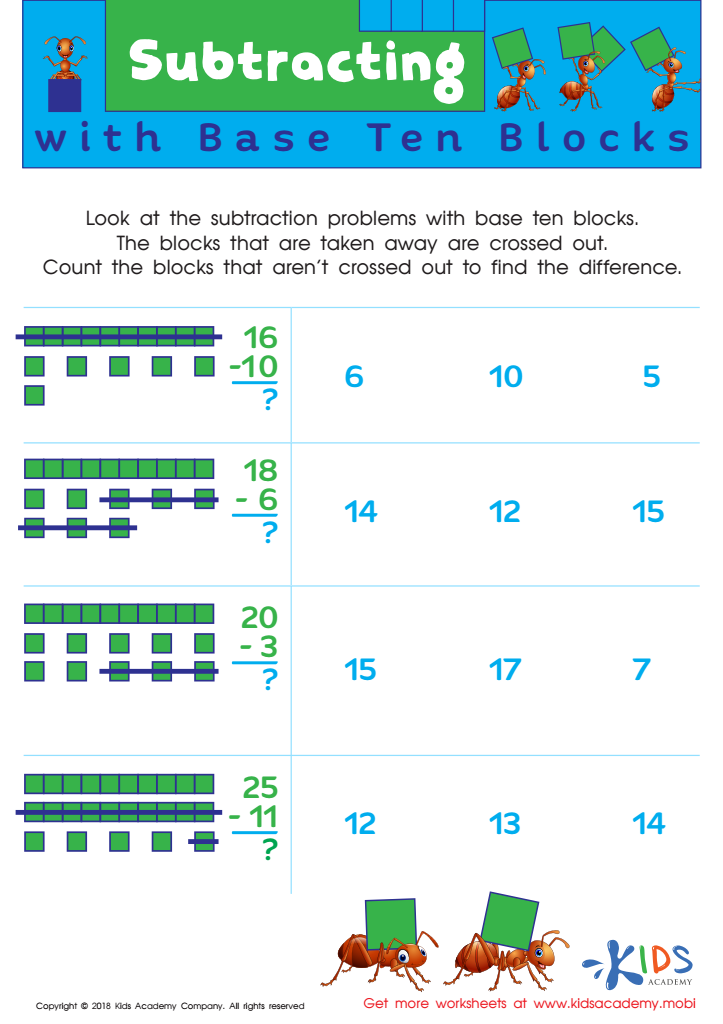
Subtracting with Base Blocks Worksheet
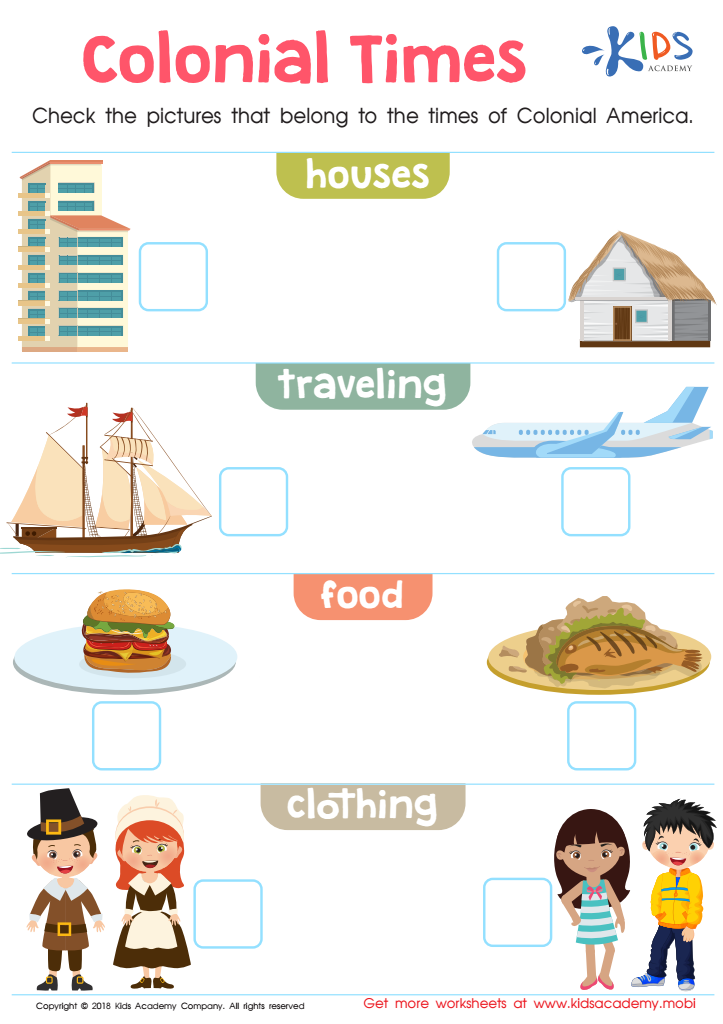
Colonial Times Worksheet
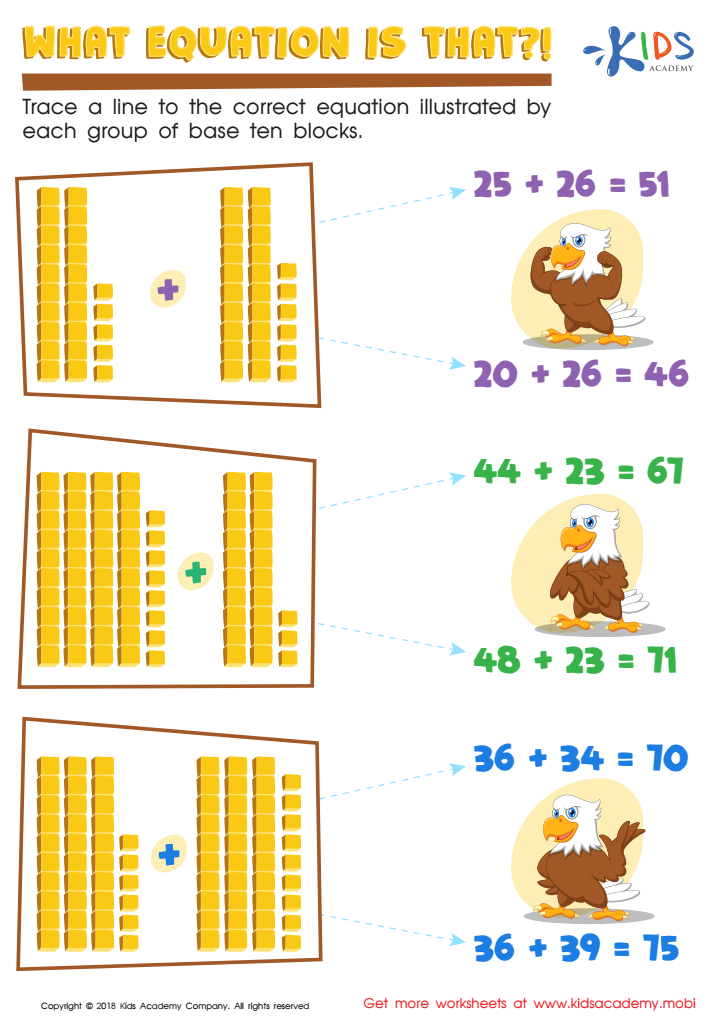
What Equation Is That? Worksheet
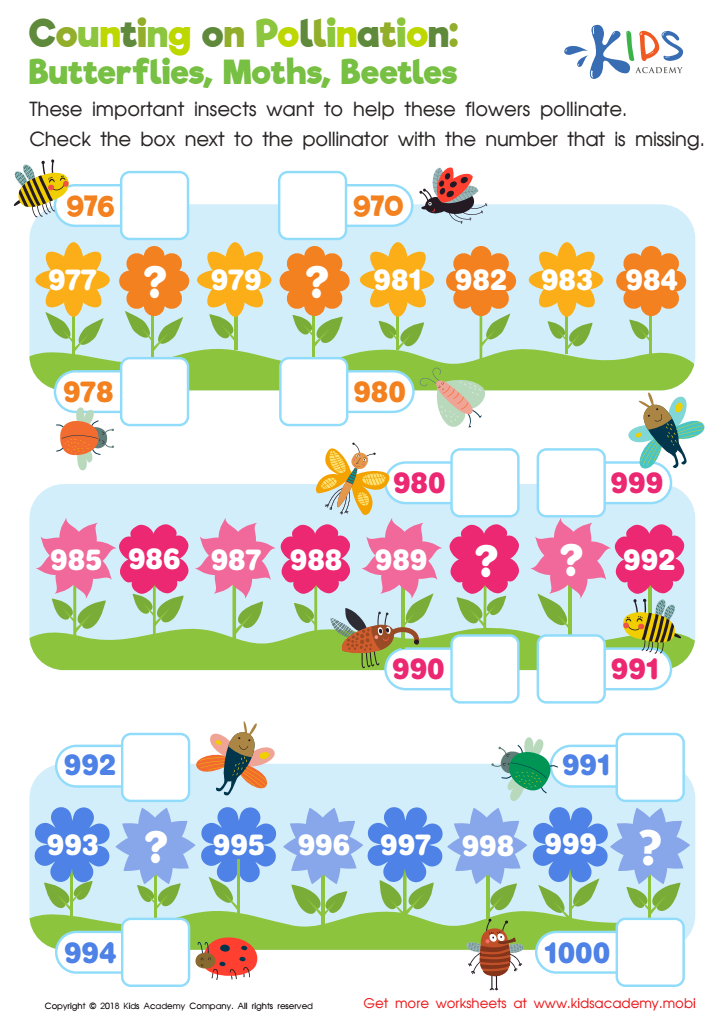
Counting on Pollination: Butterflies, Moths, Beetles Worksheet








Fostering critical thinking in children aged 6-7 is paramount for their cognitive and personal development. At this formative stage, young minds are rapidly absorbing information and learning to navigate the world around them. Enhancing critical thinking equips them with the skills to analyze, evaluate, and understand this information rather than passively accepting it. This early training helps children develop problem-solving abilities that are essential for academic success and everyday situations.
Critical thinking encourages curiosity and a love for learning by prompting children to ask questions, explore different perspectives, and make connections between ideas. This not only makes learning more engaging and enjoyable but also helps build a strong foundation for later educational pursuits.
In addition to cognitive benefits, critical thinking nurtures essential social and emotional skills. Children learn to articulate their thoughts clearly, listen to others, and respect differing viewpoints. These abilities foster empathy, cooperation, and effective communication, vital components for healthy relationships and working environments.
For parents and teachers, encouraging critical thinking from a young age means more than academic excellence; it cultivates independent, reflective, and innovative individuals who can make informed decisions. Ultimately, this sets the stage for them to become thoughtful, responsible, and active participants in their communities and the larger world.








