Boost your child's attention to detail with our "Enhancing Observational Skills Worksheets for Ages 6-7." Designed to sharpen focus and improve visual perception, these engaging, printable worksheets challenge young minds through fun activities like spotting differences, matching pairs, and identifying odd objects. Easy to integrate into daily routines, our expertly crafted resources target critical developmental milestones and keep learning both effective and enjoyable. Ideal for parents and educators, our worksheets not only support academic growth but also encourage kids to explore their world with a keen eye for detail. Foster your child's observation skills today!

Check out this FREE "Enhancing observational skills" Trial Lesson for age 6-7!

Animal World

Favorites
With answer key
Interactive
  • 6-7
  • Enhancing observational skills
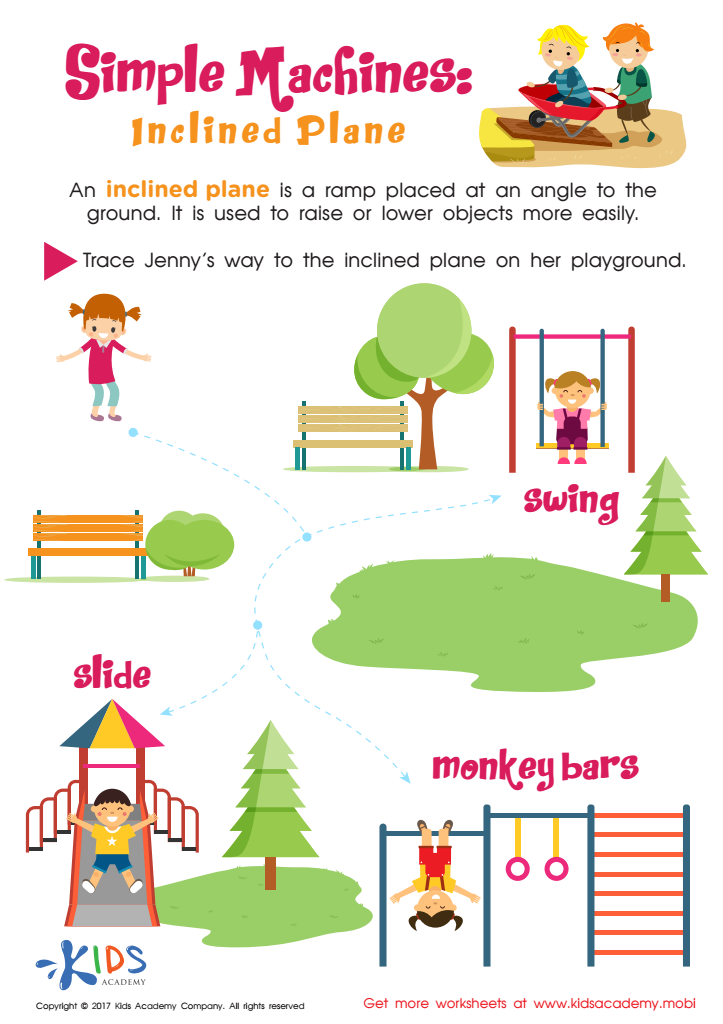
Simple machines inclined plane worksheet

Simple Machines Inclined Plane Worksheet

This fun worksheet will help them increase their science skills while they have fun.
Simple Machines Inclined Plane Worksheet
Worksheet
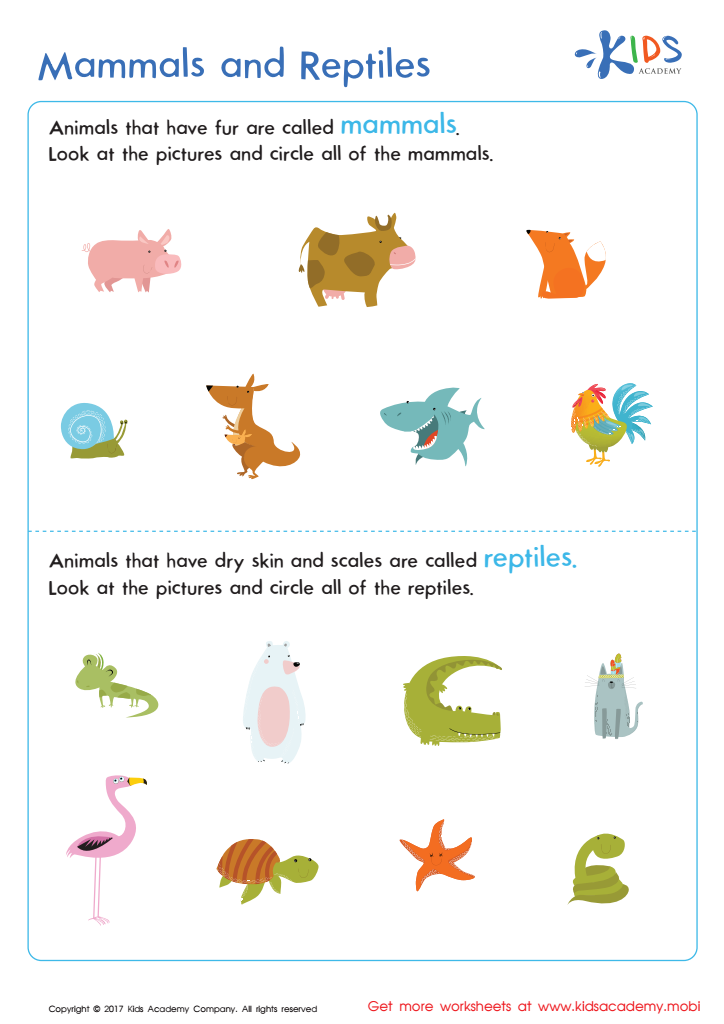
Mammals and Reptiles Worksheet

Mammals and Reptiles Worksheet

Challenge your child to identify mammals and reptiles with this worksheet. It's a great way to help them recognize the differences between these two types of animals.
Mammals and Reptiles Worksheet
Worksheet
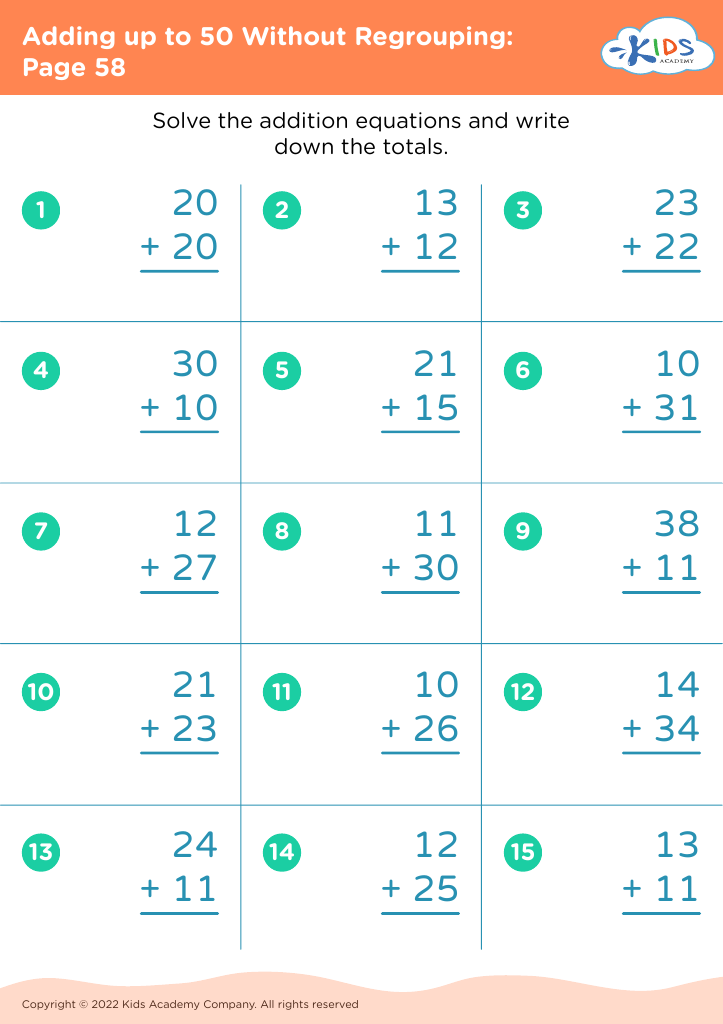
Adding up to 50 Without Regrouping: Page 58
Worksheet
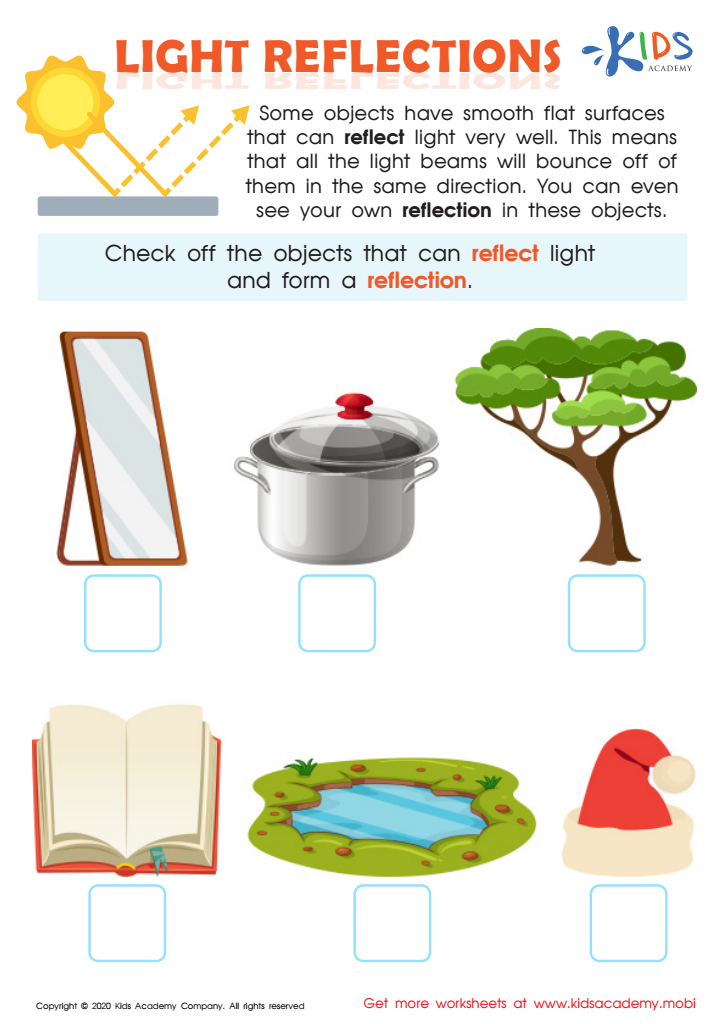
Light Reflections Worksheet

Light Reflections Worksheet

Teach your students that some objects reflect light and form a reflection. Ask them to name examples, then look at pictures and check off which objects can do this. Have them note how the light bounces off these surfaces, and observe their own reflections.
Light Reflections Worksheet
Worksheet
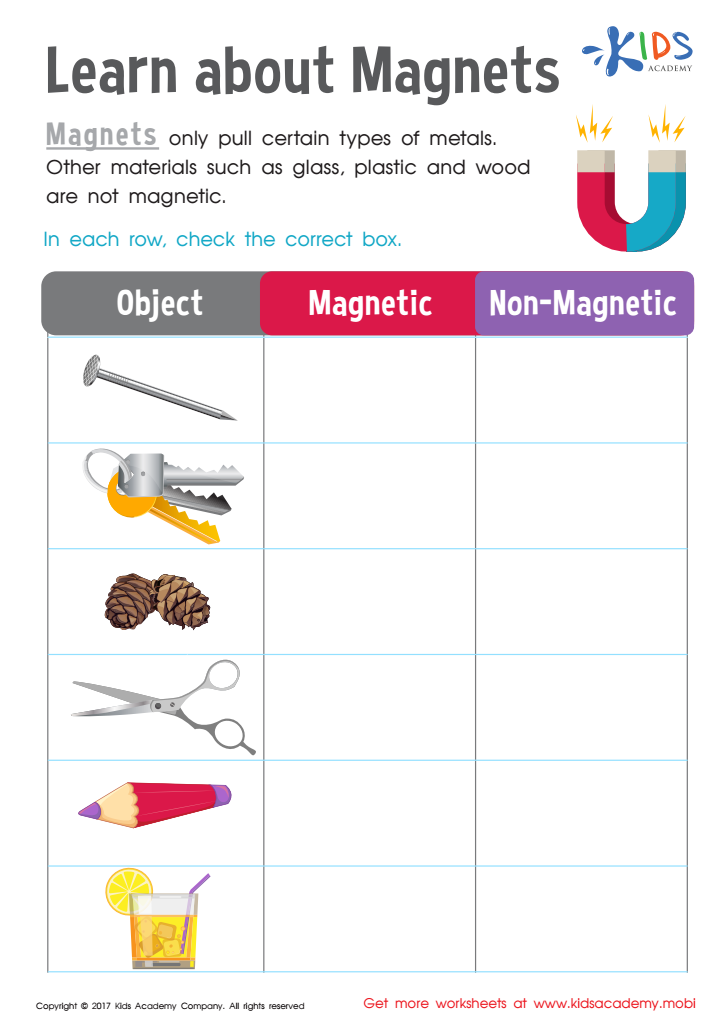
Magnetic or not worksheet

Magnetic Or Not Worksheet

Kids will love discovering the magical power of magnetism with this fun worksheet. Uncover the magic of magnetism with this fun worksheet! Kids will love identifying objects that are magnetic and those that are not. Objects made of metal and those that aren't can be identified, helping your child to gain valuable practice and explore the mysterious power of magnetism!
Magnetic Or Not Worksheet
Worksheet
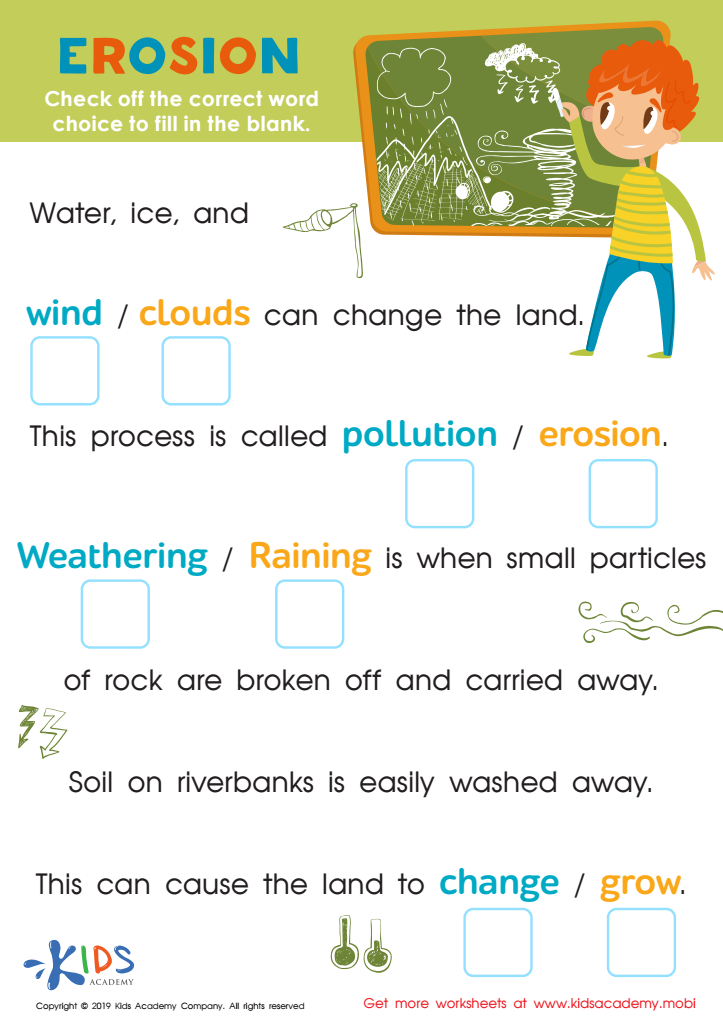
Erosion Worksheet
Erosion Worksheet

Erosion Worksheet

Erosion is when land is washed or crumbled away; it is caused by water, wind, or man. Teach kids its damaging impact, and how to prevent it. Check out this science worksheet to help them learn more. Read each sentence, then help them fill in the blanks with the correct words.
Erosion Worksheet
Worksheet
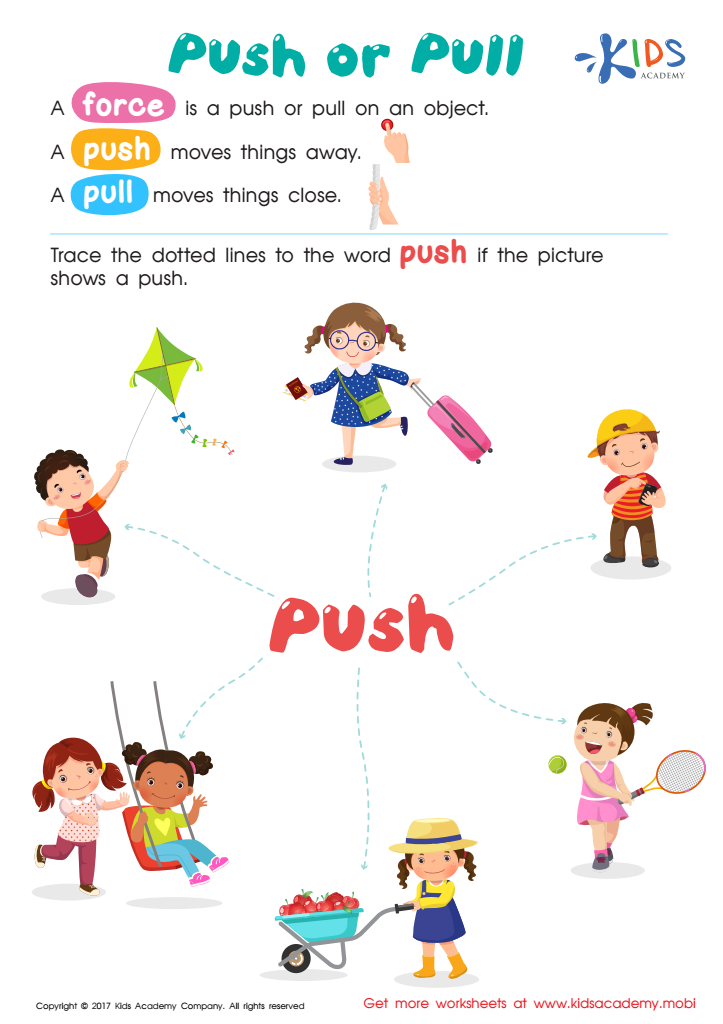
1st grade worksheet: Push or Pull

Push or Pull Worksheet

and which involve pulling! With this fun worksheet, your child will learn about force and its simple application in everyday activities. Get them started with Push or Pull! (80 words)
Push or Pull Worksheet
Worksheet
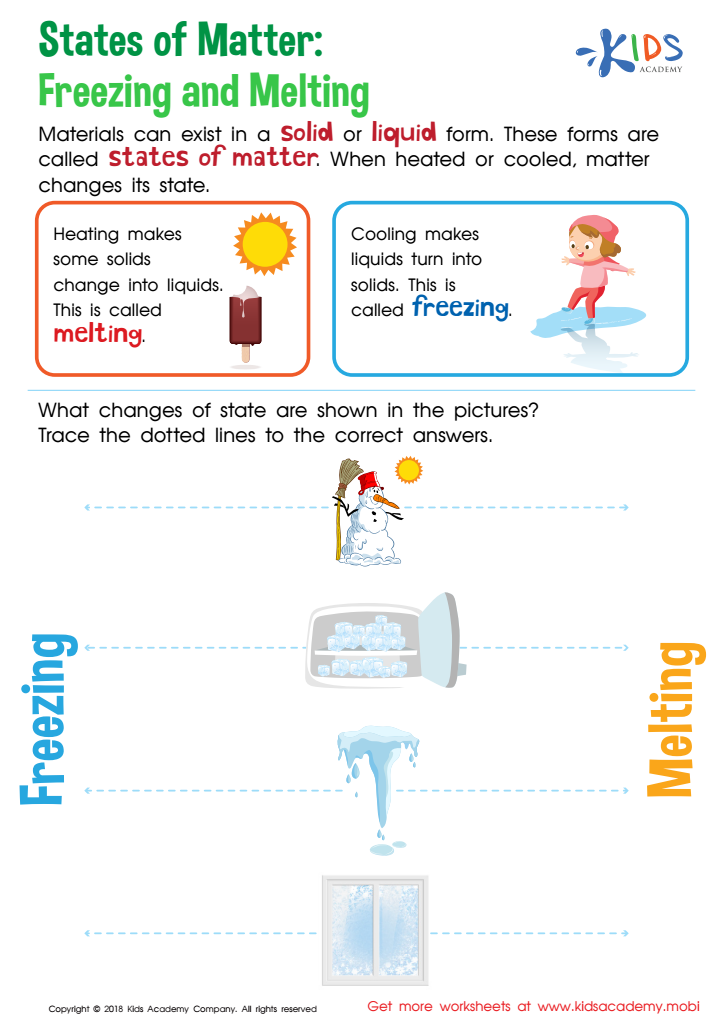
States of Matter: Freezing and Melting Worksheet

States of Matter: Freezing and Melting Worksheet

Have students look through the pics in the worksheet. Ask them what changes of state are shown, then trace the lines to the right answers. Matter can come in liquid or solid form, and changes between the two when heated or cooled (melting/freezing).
States of Matter: Freezing and Melting Worksheet

Worksheet
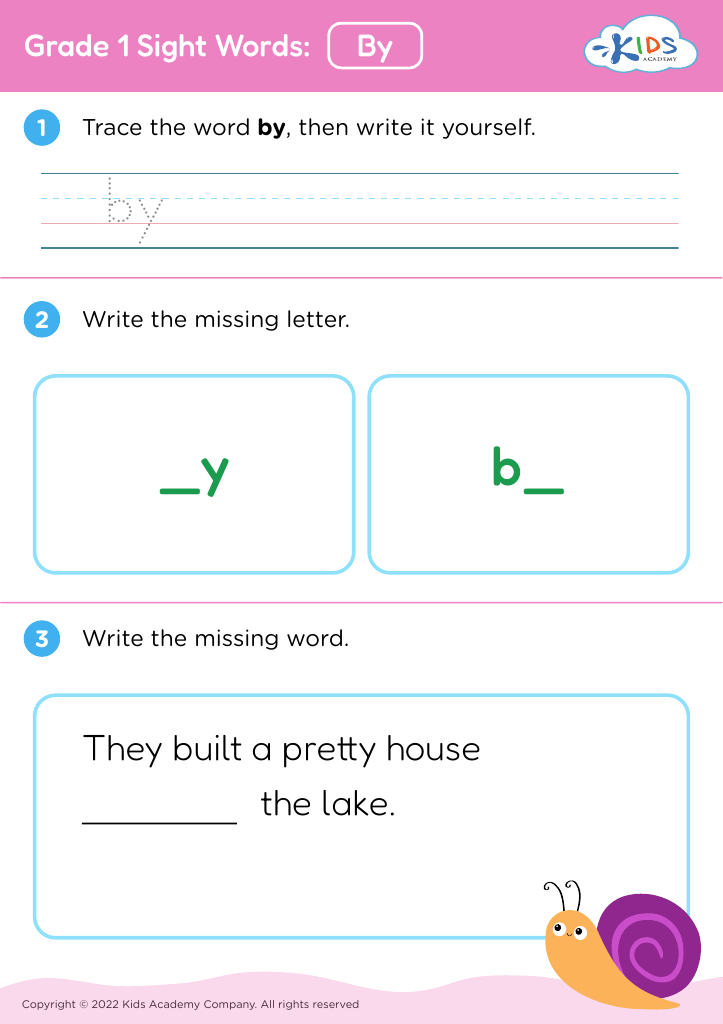
Grade 1 Sight Words: By

Grade 1 Sight Words: By

Grade 1 Sight Words: By
Worksheet


Enhancing observational skills for ages 6-7 is crucial for children’s cognitive, social, and academic development. At this age, kids are naturally curious and begin to make sense of the world around them. Nurturing their ability to observe can hugely benefit their learning process. Observational skills form the foundation for critical thinking and problem-solving, enabling children to notice details, understand patterns, and make connections between different pieces of information.

Academically, improved observational skills help children excel in subjects such as science, where noticing changes in an experiment can lead to significant discoveries. In reading and writing, observing details aids in comprehension and enhances descriptive skills.

Socially, good observational skills help students understand and empathize with others by noticing facial expressions, body language, and social cues. This socio-emotional intelligence fosters better communication and strengthens relationships with peers.

Moreover, enhancing observational skills can boost creativity and imagination in artistic pursuits. Drawing, for example, requires keen observation of shapes, colors, and proportions.

For parents and teachers, creating an environment rich in varied stimuli—like nature, art, and interactive activities—is essential. Encouraging mindful observation through playful exploration ensures kids not only absorb knowledge but also become active learners, setting a strong foundation for lifelong learning and apt interpersonal relationships.