Handwriting practice Worksheets for Ages 6-7 - Page 4
88 filtered results
-
From - To
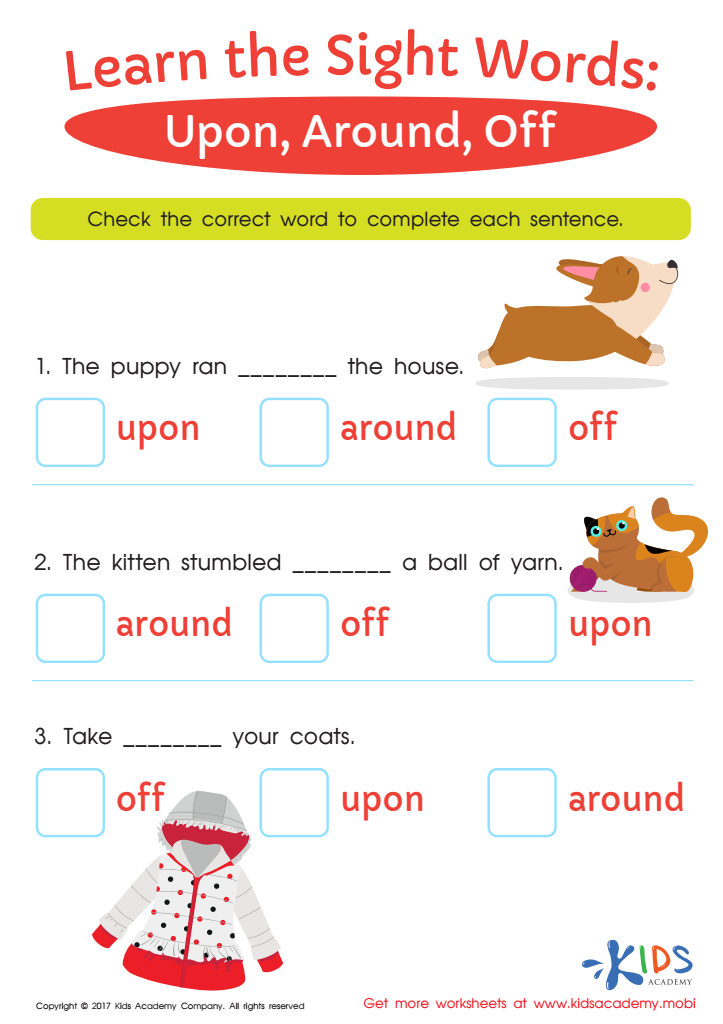
Upon, Around, Off Sight Words Worksheet
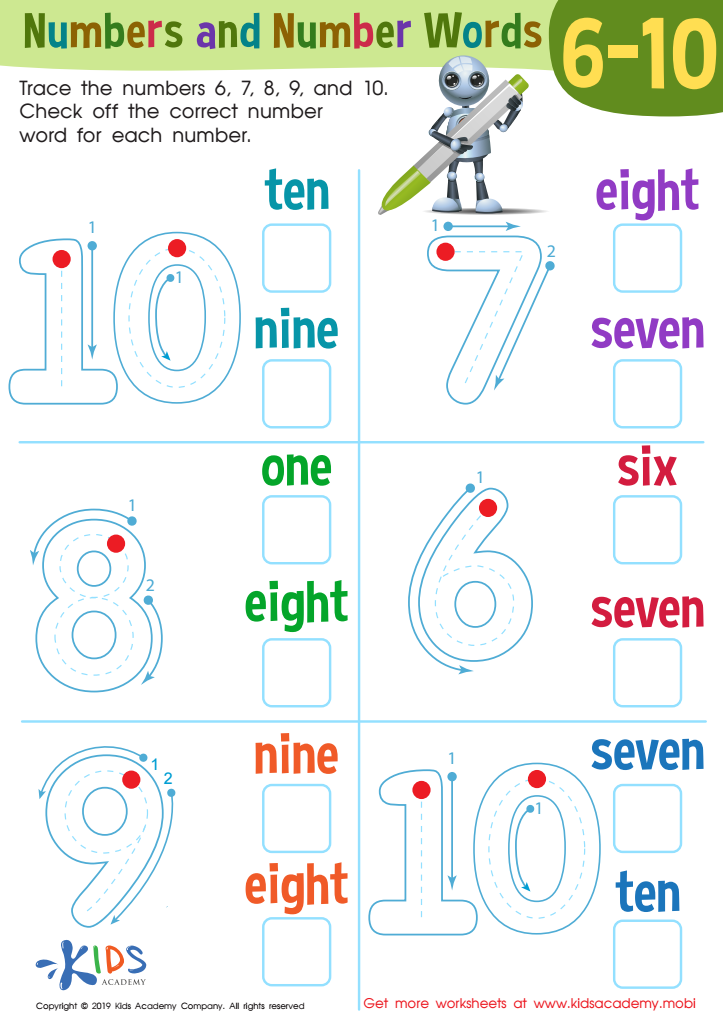
Numbers and Number Words 6–1 Worksheet
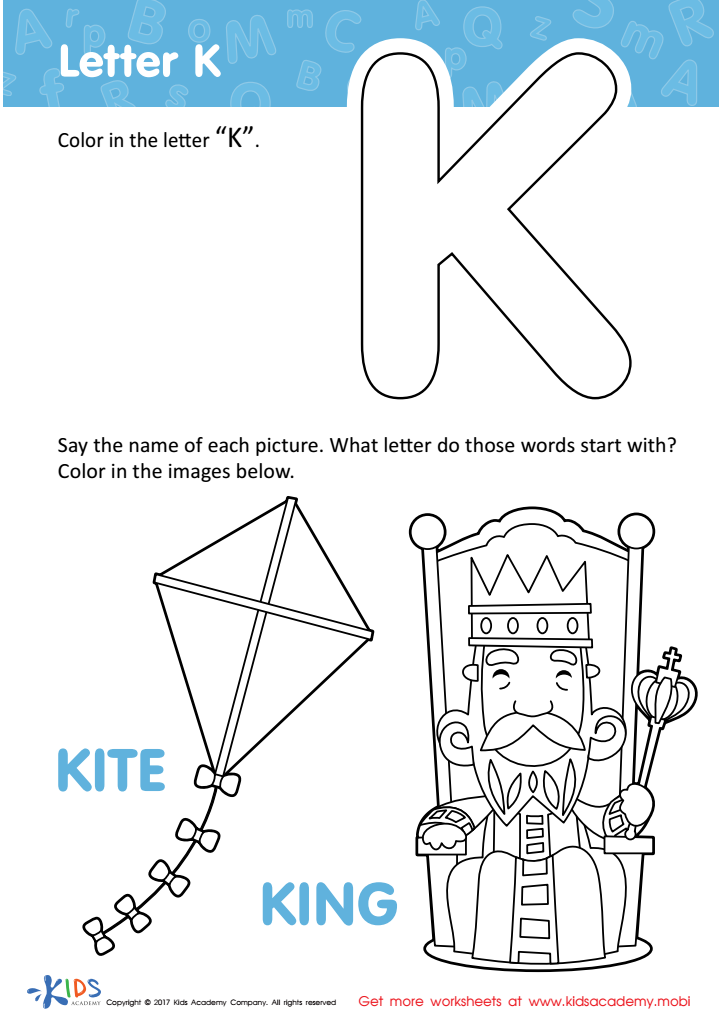
Letter K Coloring Sheet
 Assign to My Students
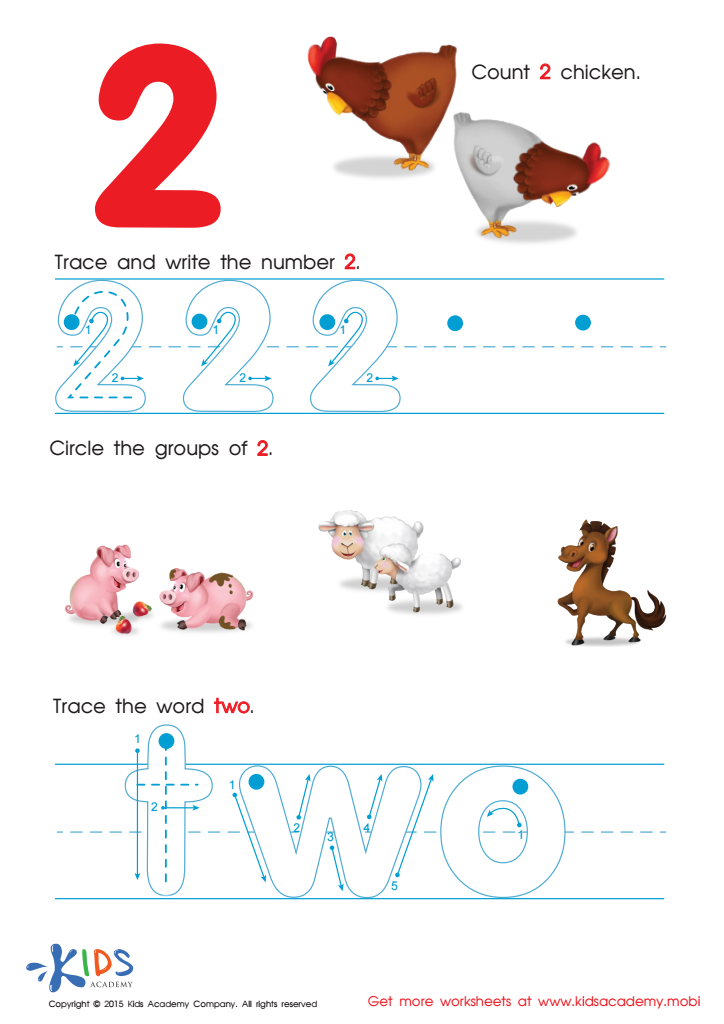
Learn to Write the Number 2 Worksheet

Count the Mushrooms and Trace the Number 3 Printable
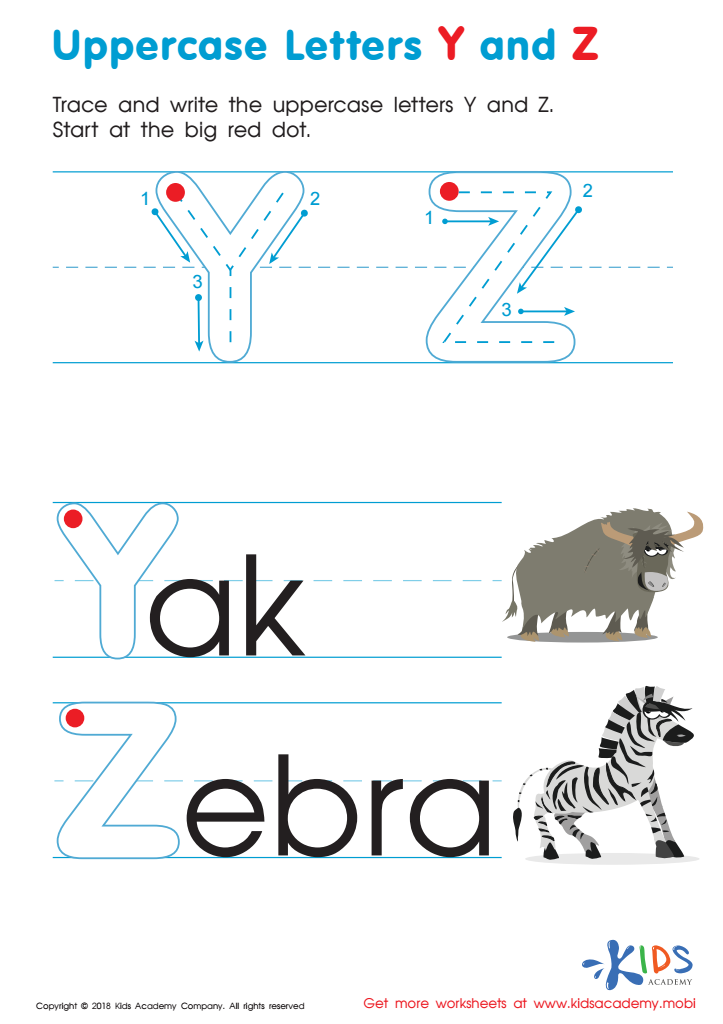
Uppercase Letters Y Z Worksheet
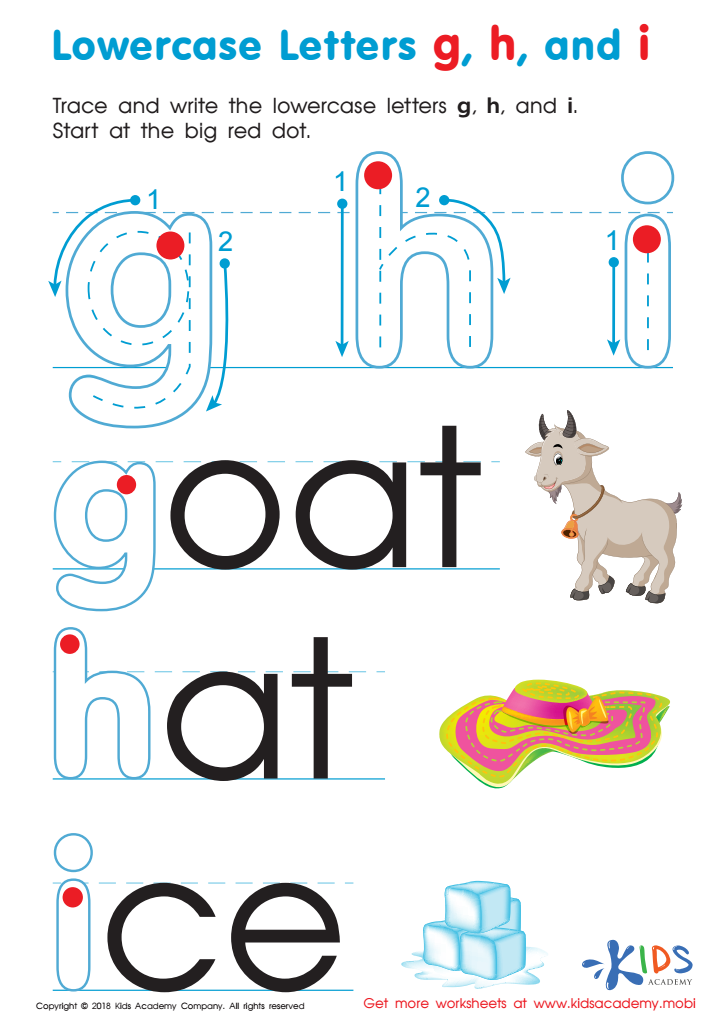
Lowercase Letters g h i Worksheet
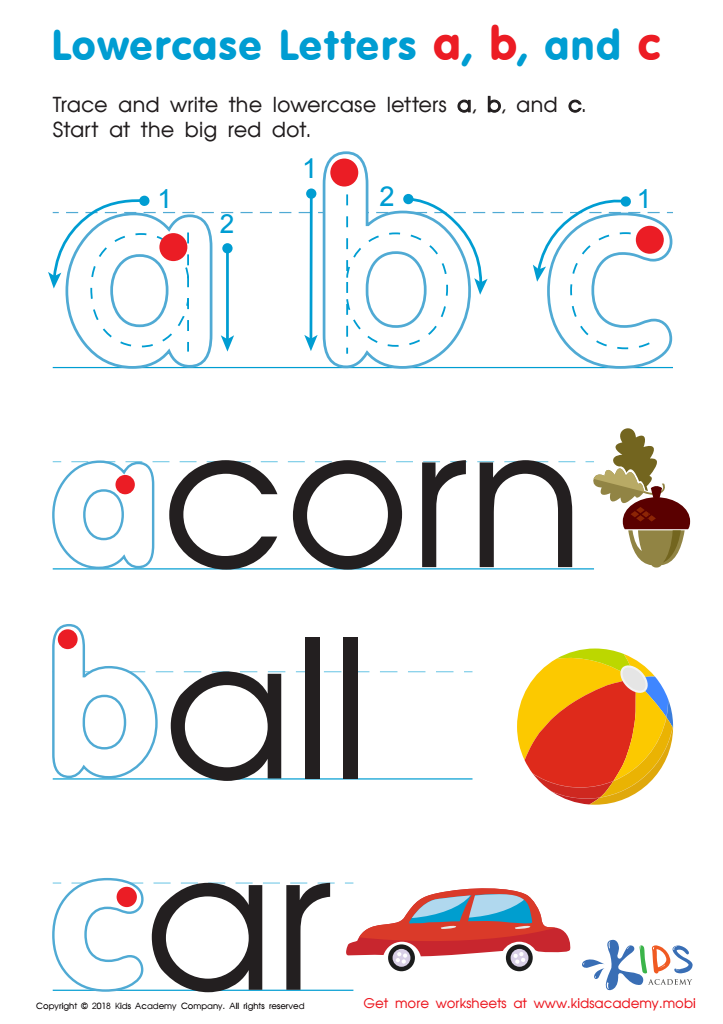
Lowercase Letters a b c Worksheet
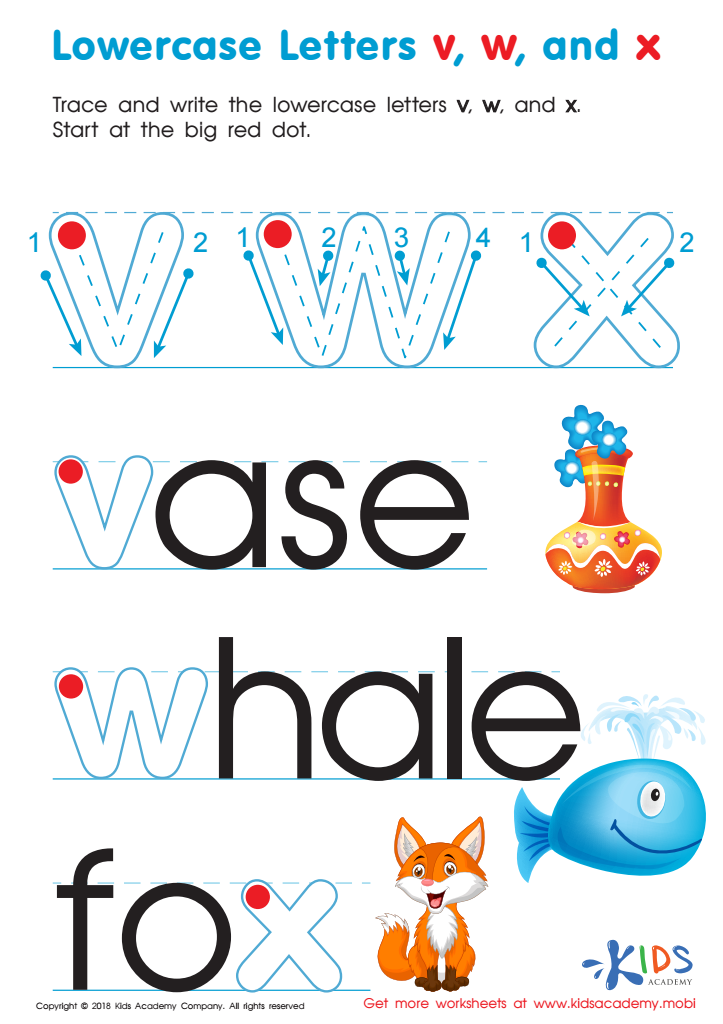
Lowercase Letters v w x Worksheet
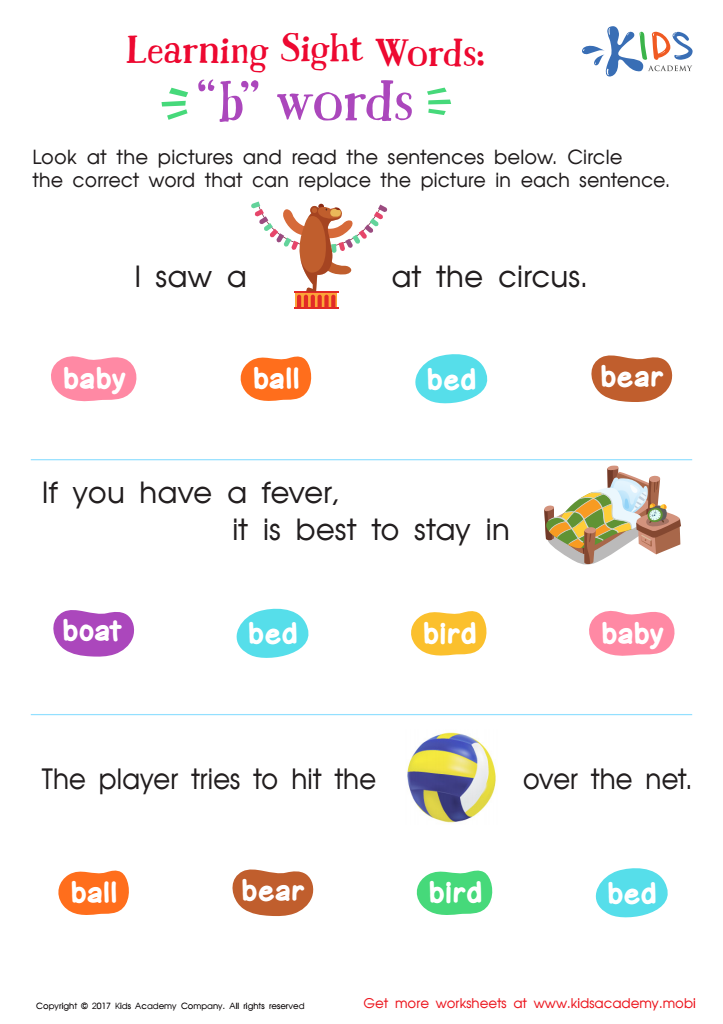
"B" Words Printable Sight Words Worksheet
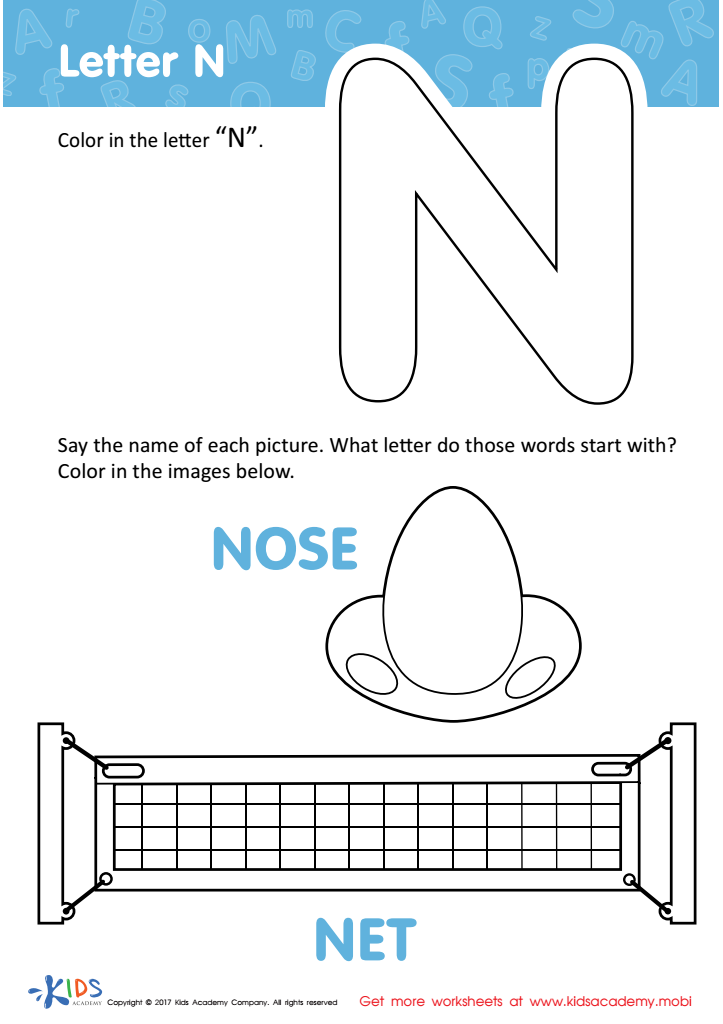
Letter N Coloring Sheet
Assign to My Students
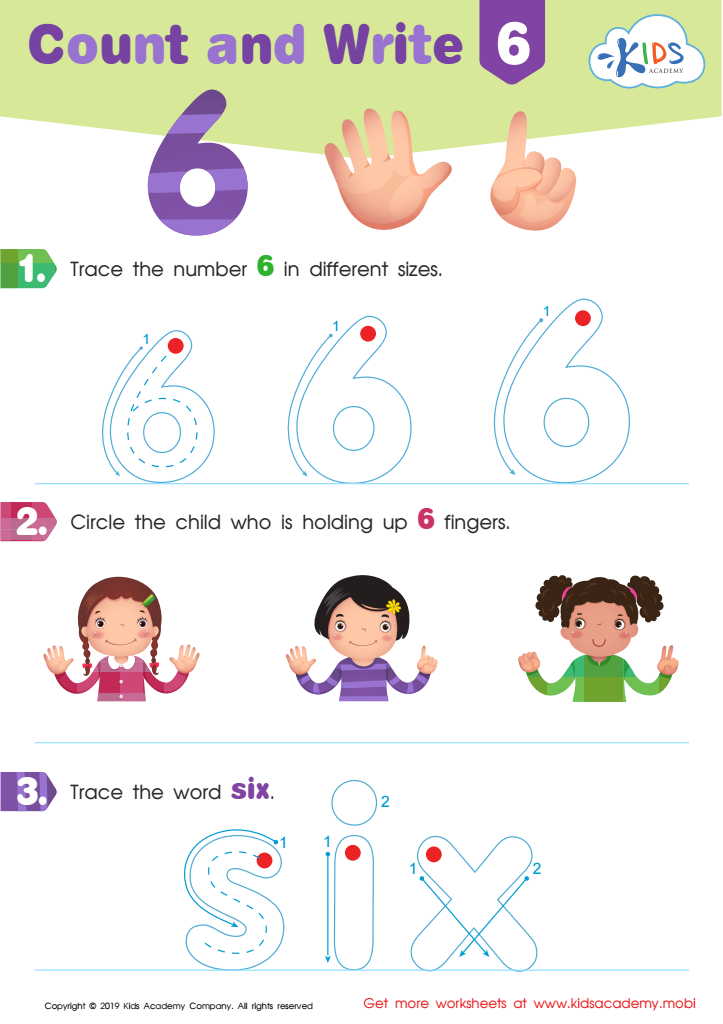
Count and Write 6 Worksheet
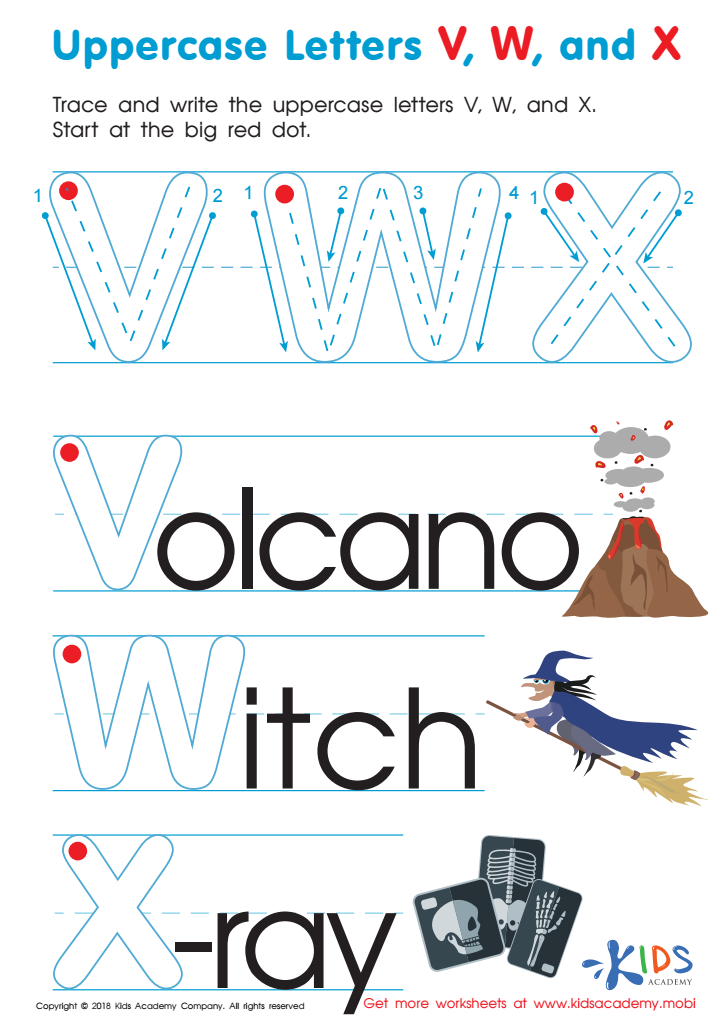
Uppercase Letters V, W, and X Worksheet
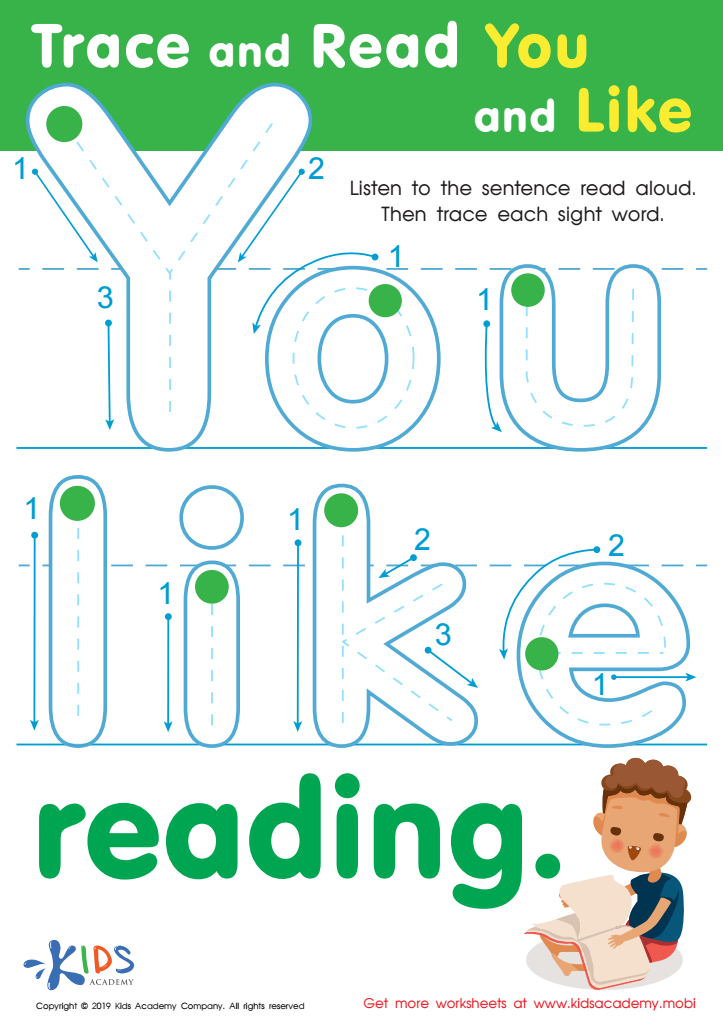
Trace Read You Like Worksheet
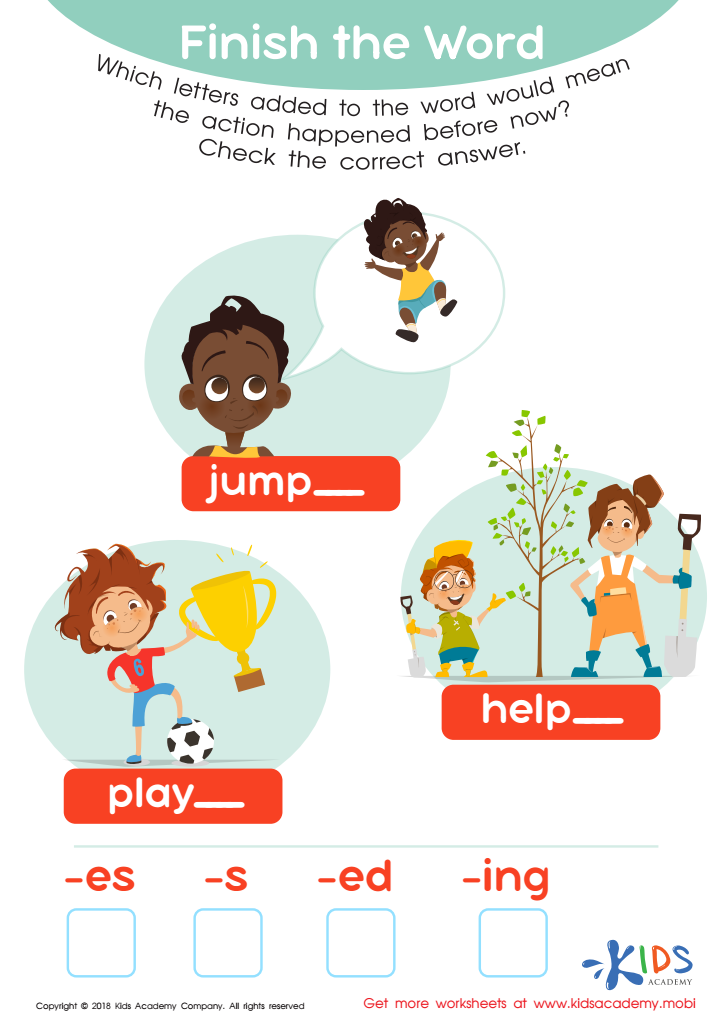
Finish the Word Worksheet








Handwriting practice for children ages 6-7 is crucial for several reasons. Firstly, this period is foundational for developing fine motor skills, which are essential for a variety of daily tasks beyond writing, such as buttoning shirts or using utensils. The act of forming letters helps to strengthen the muscles in the hand and improve dexterity, which supports other academic and life skills.
Secondly, handwriting proficiency fosters better cognitive development. Writing by hand can enhance memory retention and understanding because it engages different areas of the brain compared to typing or printing. As children write letters and words, they develop an understanding of phonetics and language structure, reinforcing their reading skills.
Additionally, clear and legible handwriting boosts a child's confidence. Proudly presenting neat work can instill a sense of accomplishment and promote a positive attitude toward learning. With increased emphasis on digital forms of communication, it is still vital that children learn proper handwriting techniques, ensuring they can communicate effectively in diverse situations.
Lastly, handwriting can be a creative outlet, allowing young learners to express their thoughts and ideas uniquely. For these reasons, parents and teachers should prioritize handwriting practice in early education.








