Improving calculation skills Worksheets for Ages 6-7
7 filtered results
-
From - To
Unlock your child's math potential with our "Improving Calculation Skills Worksheets" designed specifically for ages 6-7. These engaging and interactive worksheets foster a strong foundation in essential math concepts, featuring addition, subtraction, and number sense exercises. Each worksheet is crafted to make learning fun while reinforcing key skills through colorful graphics and relatable themes. Whether at home or in the classroom, our resources will enhance your child's confidence and proficiency in calculating. Perfect for sparking a love for math, these worksheets encourage practice at a manageable pace. Begin your child's journey towards mastery in mathematics today!
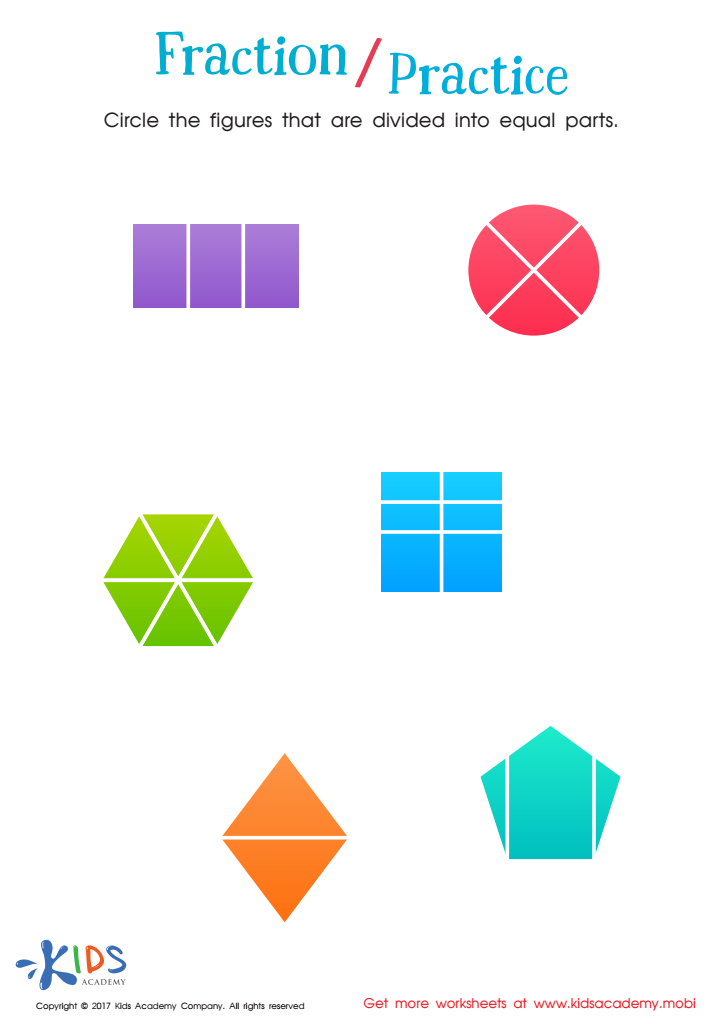
Fractions: Shapes Worksheet
 Assign to My Students
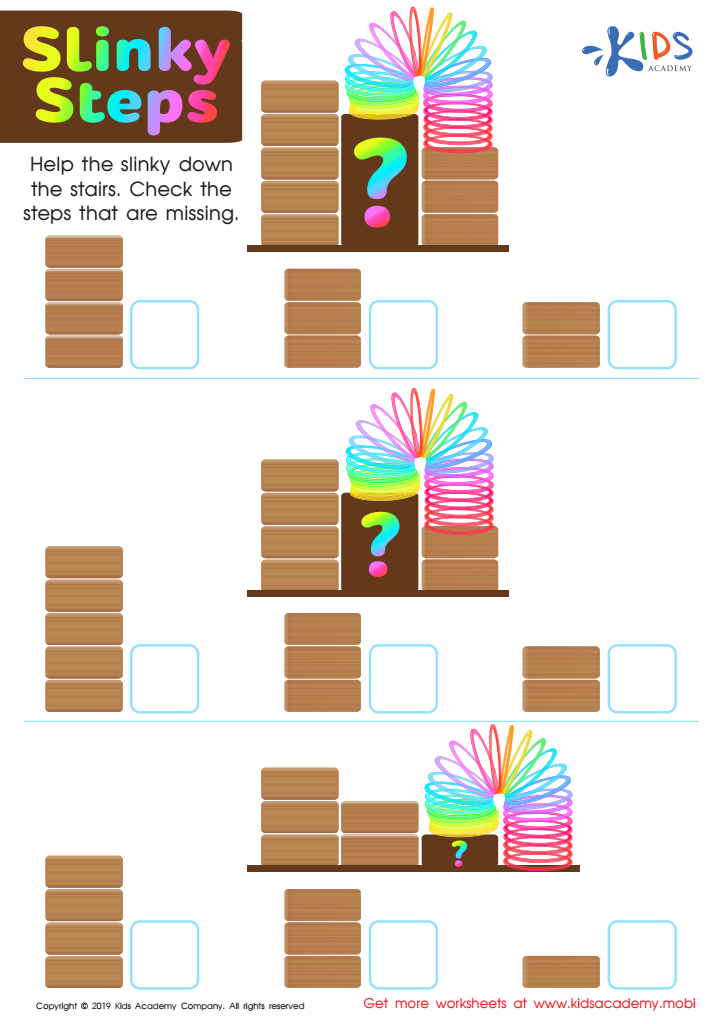
Slinky Steps Worksheet
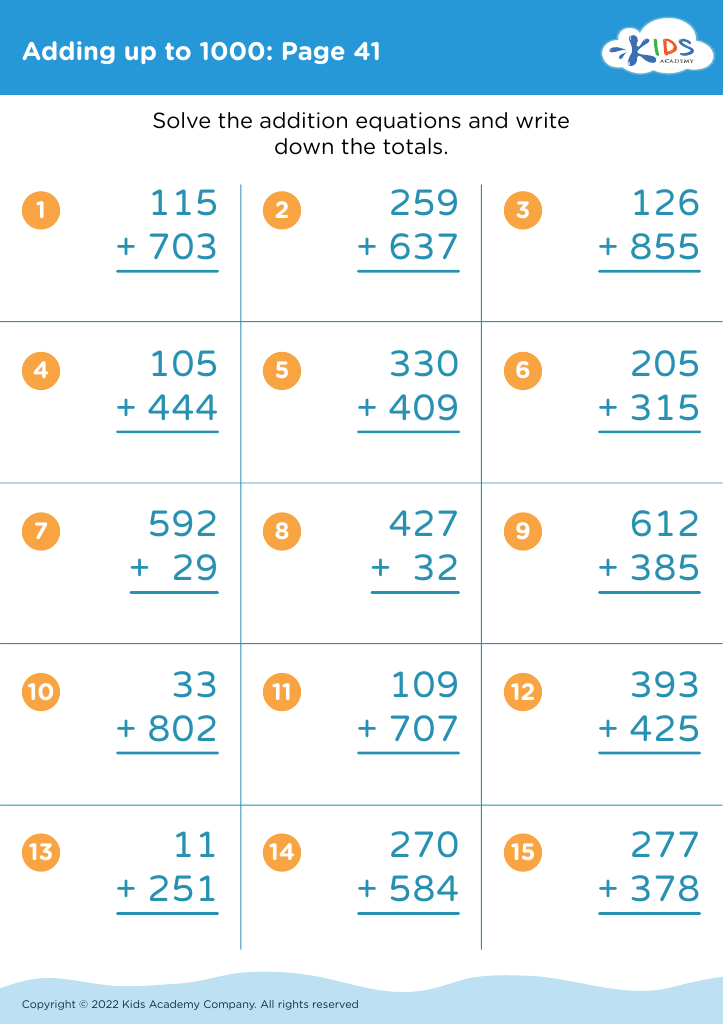
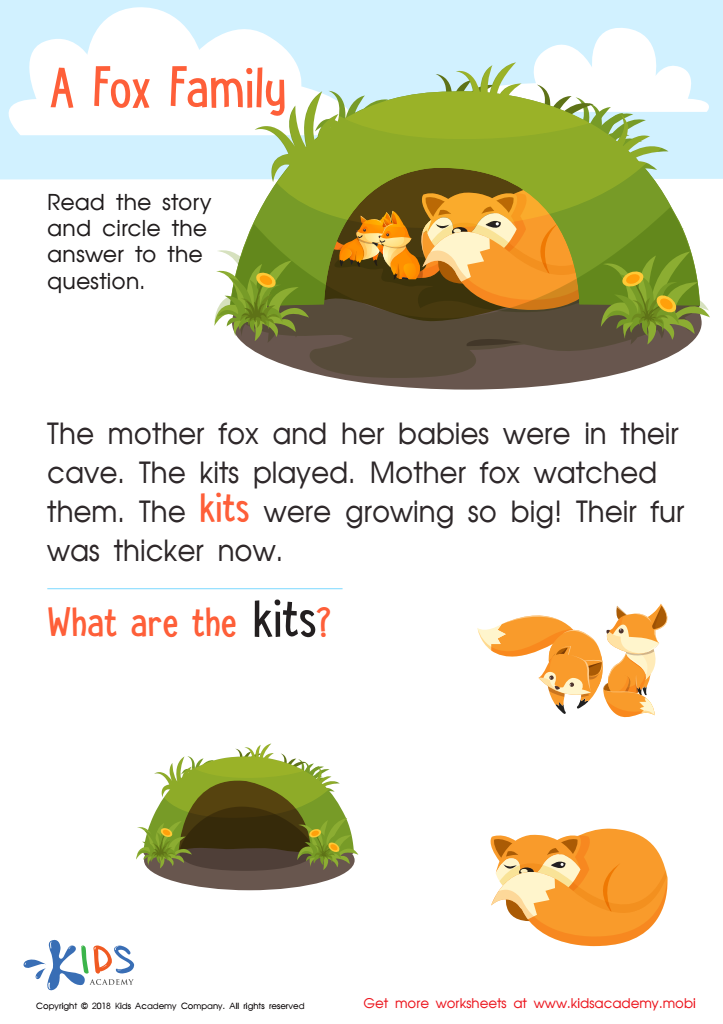
A Fox Family Worksheet
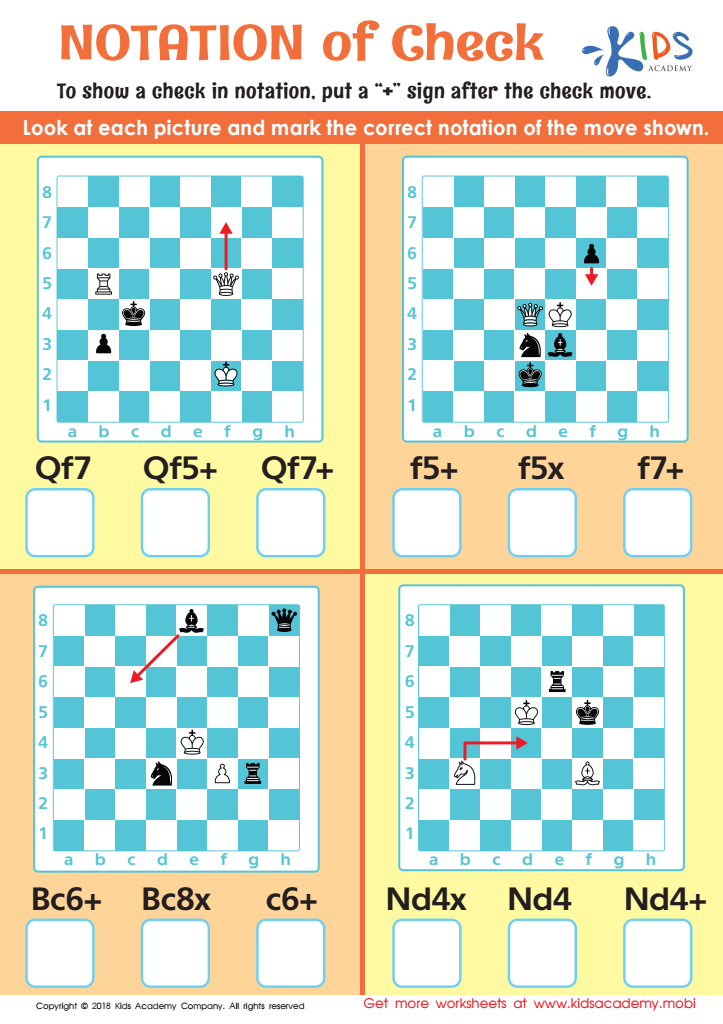
Notation of Check Worksheet
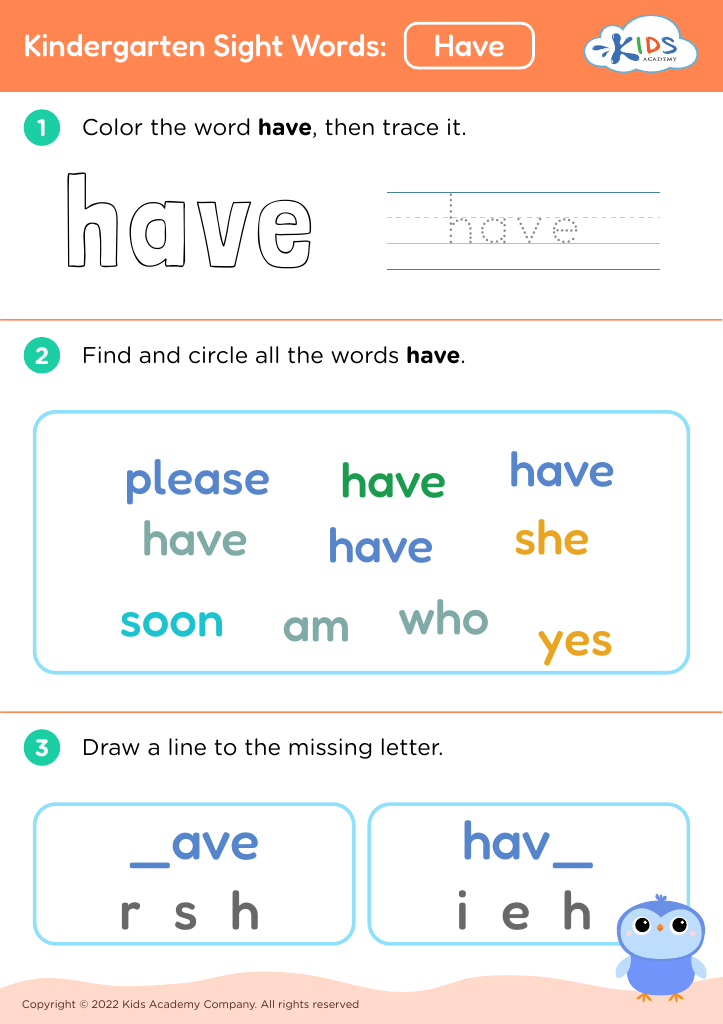







Improving calculation skills in children aged 6-7 is crucial for their overall cognitive and academic development. During this formative stage, children develop foundational skills that impact their future mathematical understanding and problem-solving abilities. Strong calculation skills not only facilitate comprehension of basic arithmetic, but also cultivate critical thinking and analytical skills essential in everyday life and future learning.
Parents and teachers should prioritize improving calculation skills because these abilities empower children to approach various situations with confidence. Fluency in addition, subtraction, and number recognition allows young learners to engage constructively with more complex concepts later on, such as multiplication and division. Additionally, the mastery of these skills contributes to building a positive math identity, reducing anxiety associated with mathematics.
Moreover, children learn valuable life skills through improving calculation skills, including perseverance, logical reasoning, and the ability to tackle challenges. These skills are applicable beyond math and contribute to success in other subjects and real-life scenarios. By fostering a supportive environment that prioritizes calculation practice, parents and teachers can instill a love for mathematics, encouraging children to explore, inquire, and flourish academically. Ultimately, strong calculation skills serve as the building blocks for lifelong learning and successful futures.








