Letter-sound correlation Worksheets for Ages 6-7
5 filtered results
-
From - To
Boost your child's phonemic awareness with our engaging Letter-Sound Correlation Worksheets designed for ages 6-7. These worksheets help young learners connect letters to their corresponding sounds through fun activities and exercises. Each worksheet offers a variety of interactive tasks, including matching, filling in blanks, and more, making the learning process enjoyable and effective. Perfect for reinforcing classroom lessons or as extra practice at home, our resources support early literacy development and boost confidence in reading. Explore our vibrant collection of worksheets today and give your child the tools they need to succeed in their reading journey!
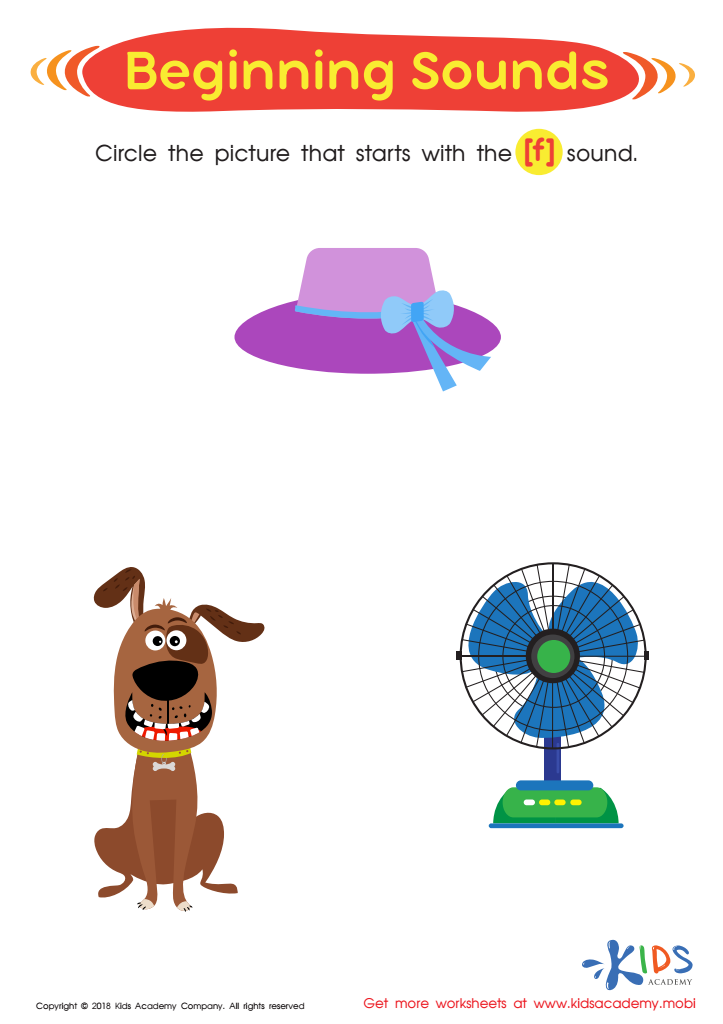
Beginning Sounds Assessment Printable
 Assign to My Students
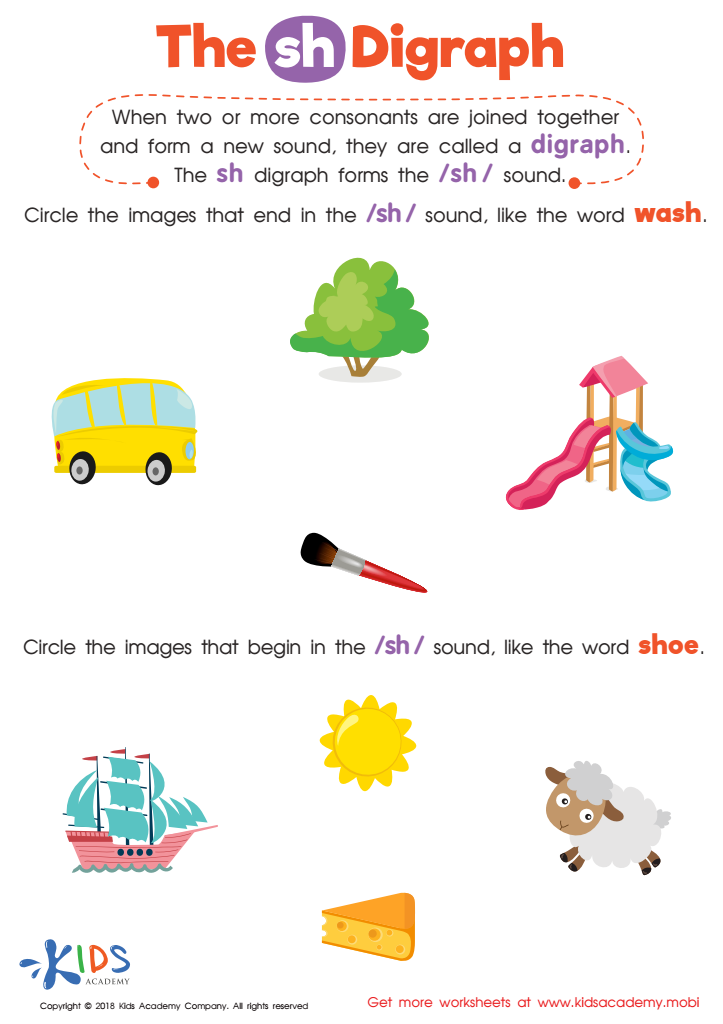
The SH Digraph Worksheet
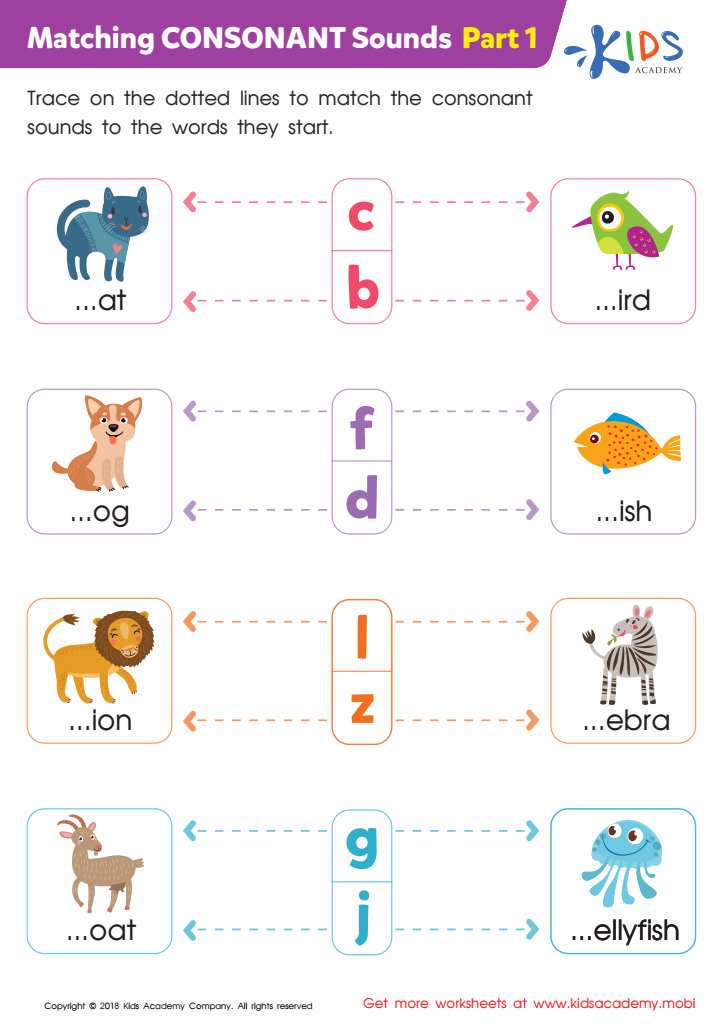
Matching Consonant Sounds: Part 1 Worksheet
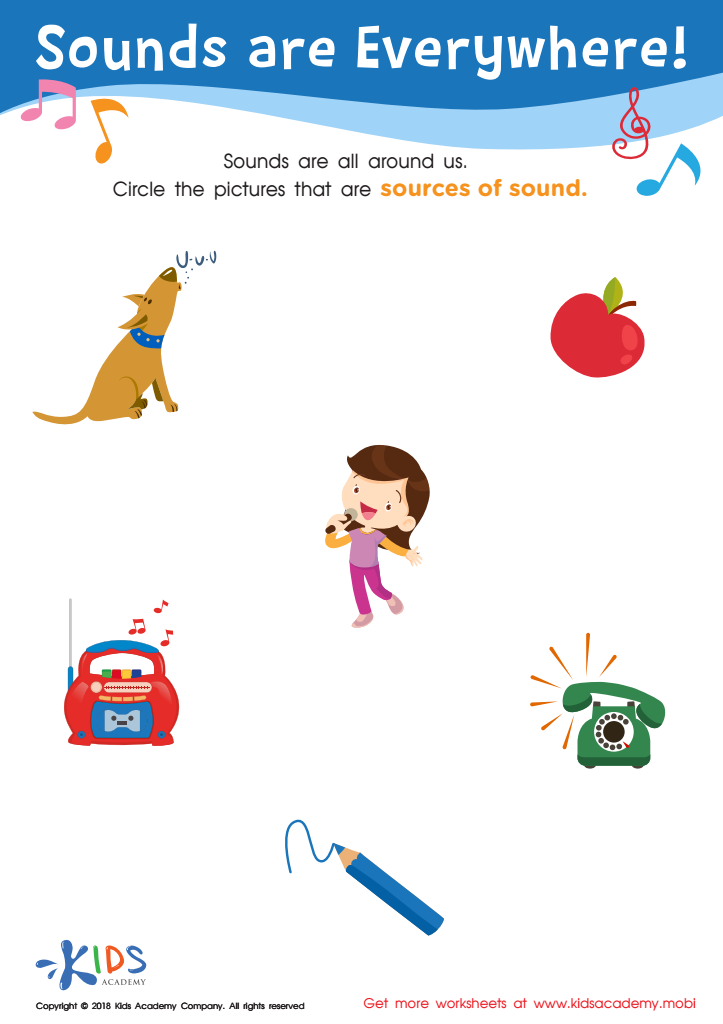
Sounds Are Everywhere! Worksheet
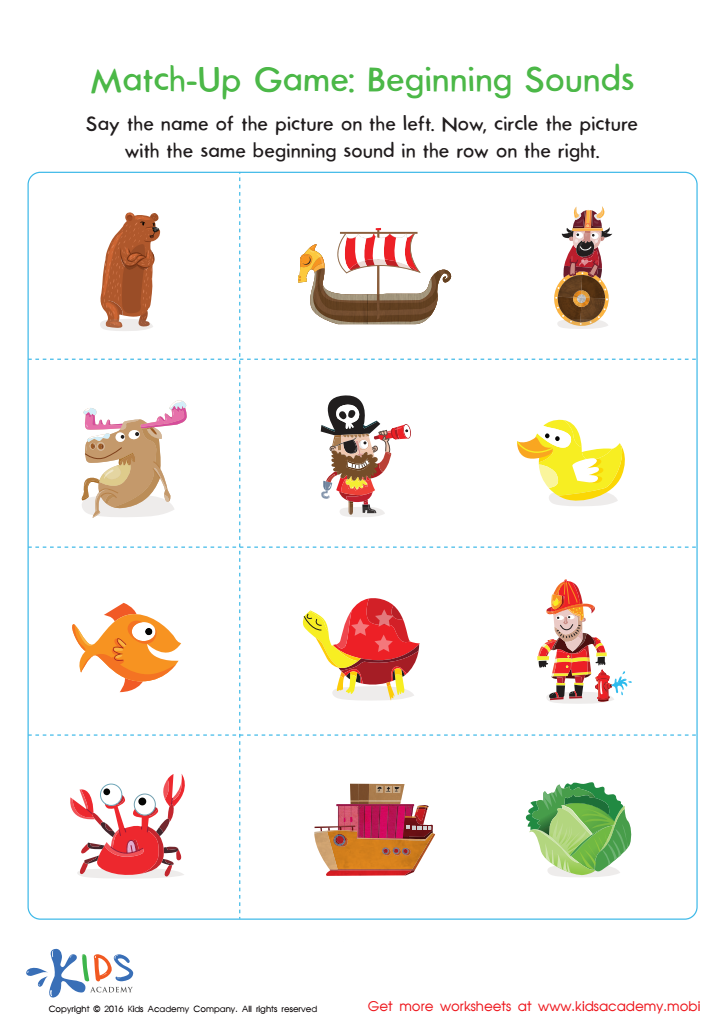
Match–Up Game: Beginning Sounds Worksheet


.jpg)





Parents and teachers should prioritize letter-sound correlation for children aged 6-7 because it is fundamental to early literacy development. This correlation, which refers to the relationship between letters and their associated sounds, is essential for decoding words in reading. When children understand how letters correspond to sounds, they gain the ability to sound out unfamiliar words, enhancing their reading fluency and comprehension.
Additionally, mastering letter-sound correlation supports spelling. Knowing the sounds that letters produce helps children encode words accurately, allowing them to express their thoughts and ideas through writing. This skill is also crucial for vocabulary development, as children who read more tend to encounter new words and concepts, enriching their language acquisition.
Moreover, a solid foundation in letter-sound relationships helps boost children's confidence in their reading abilities, fostering a more positive attitude toward learning. Consequently, parents and teachers play a vital role in modeling and reinforcing these skills through engaging activities like phonics games, reading together, and providing thoughtful feedback.
In essence, by nurturing letter-sound correlation, adults contribute significantly to children’s literacy journey, paving the way for academic success and a lifelong love of learning.








