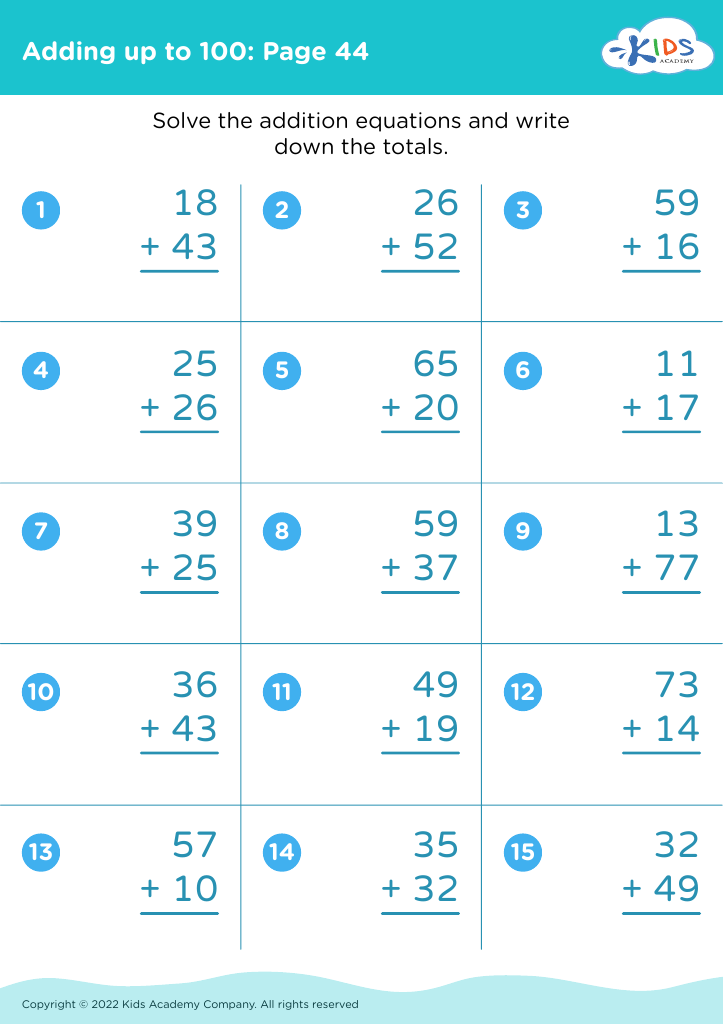







Recognizing patterns is fundamental for children aged 6-7, providing a critical foundation for their cognitive development and problem-solving skills. For parents and teachers, emphasizing this skill holds numerous benefits. Firstly, pattern recognition fosters critical thinking. Children learn to observe, predict, and make logical connections, which prepares them for more complex mathematical concepts like addition, subtraction, and eventually algebra. Additionally, it bolsters memory and attention to detail, enhancing overall academic performance.
In literacy, patterns help kids understand the structure of stories, recognize word families, and improve phonemic awareness, which contributes to successful reading development. In science, spotting patterns can spark curiosity about the natural world, from understanding the life cycle of plants to observing weather changes.
Furthermore, pattern recognition promotes creativity and artistic skills. Children can express creativity through art and music, noticing rhythmic patterns and symmetrical designs, which boosts self-expression and emotional well-being.
Socially and emotionally, recognizing routines and sequences provides children with a sense of stability and predictability, crucial for regulating emotions and understanding their environment. This foundational skill, therefore, benefits a child's mathematical, linguistic, artistic, and social domains of learning. Recognizing patterns is not merely an academic skill but a vital life skill that nurtures holistic development.








