
Understanding sequence Worksheets for Ages 6-7
8 filtered results
Difficulty Level
Grade
Age
-
From - To
Subject
Activity
Standards
Explore our engaging "Understanding Sequence Worksheets for Ages 6-7," designed to develop your child's comprehension of order and pattern recognition. These thoughtfully crafted worksheets help young learners grasp the concept of sequences through interactive activities, such as arranging events and identifying patterns in fun illustrations. With colorful visuals and age-appropriate challenges, your child will enhance critical thinking skills while enjoying the learning process. Ideal for home or classroom use, our worksheets nurture creativity and problem-solving abilities in a playful manner. Dive into the world of sequences and watch your child's confidence soar as they master this essential foundational skill!
Favorites
With answer key
Interactive
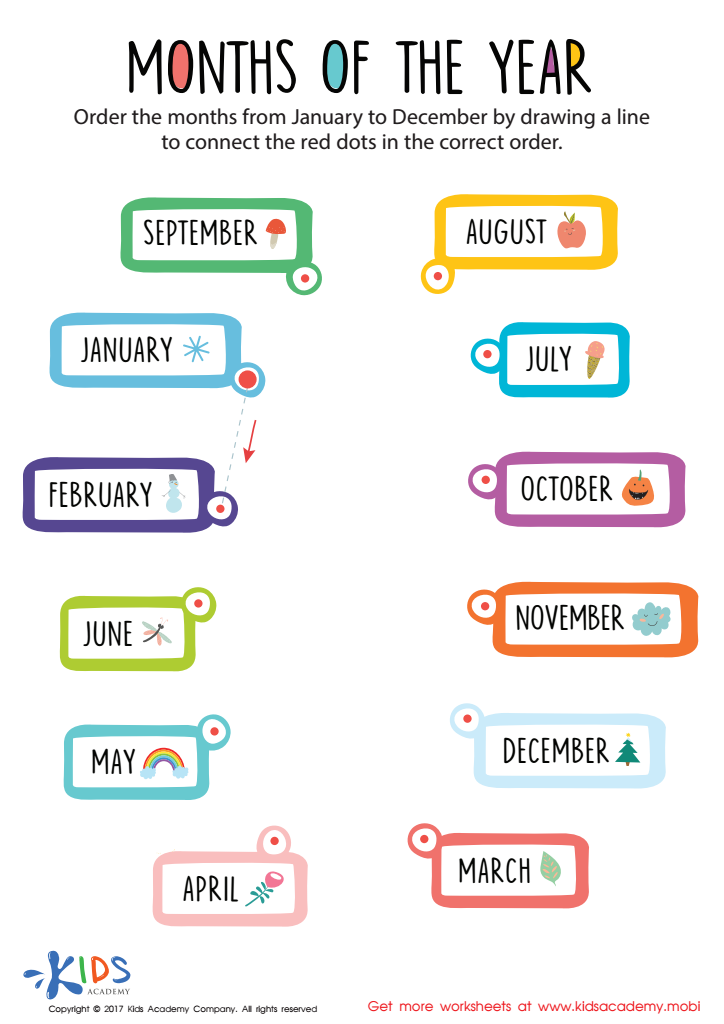
Months of the Year Worksheet
Challenge your child with this months of the year worksheet! Help them remember the yearly calendar by having them connect the dots from January to December. It's a fun way to test their knowledge of the twelve months and sharpen their memory!
 Assign to My Students
Months of the Year Worksheet
Worksheet
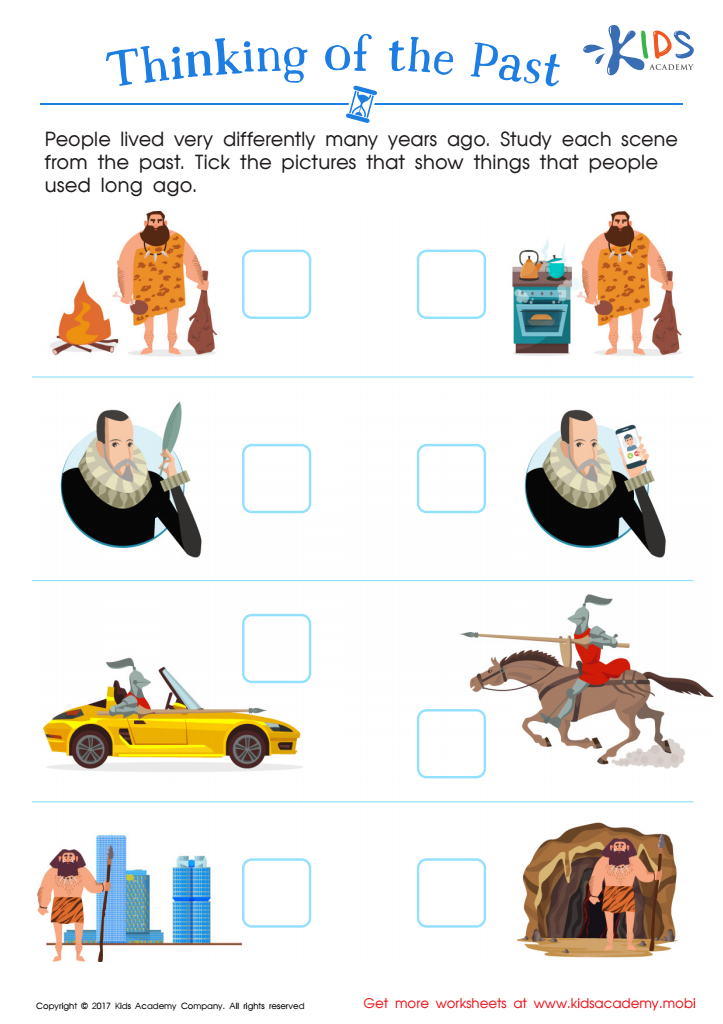
Thinking Past Printable
Bring the past to life for your kid with this fun worksheet! They'll use logic to choose the right answer, learning about different eras and how people lived in them. With a colorful caveman and modern skyscraper side by side, they won't even realize they're building historical knowledge.
Thinking Past Printable
Worksheet
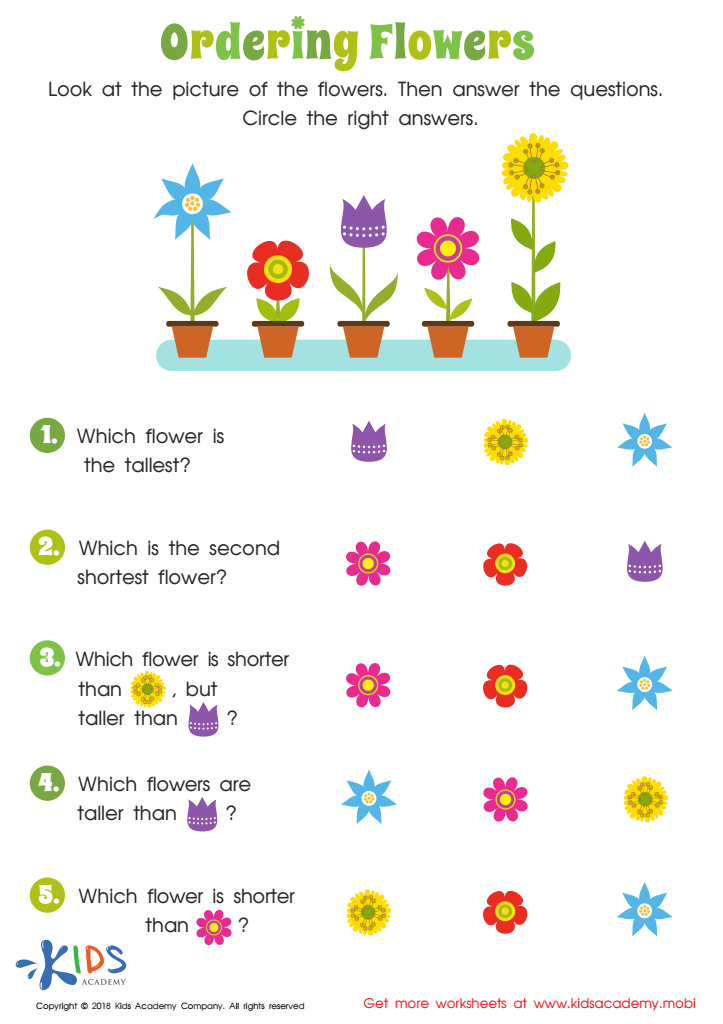
Ordering Flowers Worksheet
Preschoolers can start learning measurement with visuals! This worksheet uses colorful flowers of different heights. Ask your learner to observe the flowers, then help them compare/answer which is taller/shorter. It's an easy way for them to begin learning about measurement.
Ordering Flowers Worksheet
Worksheet
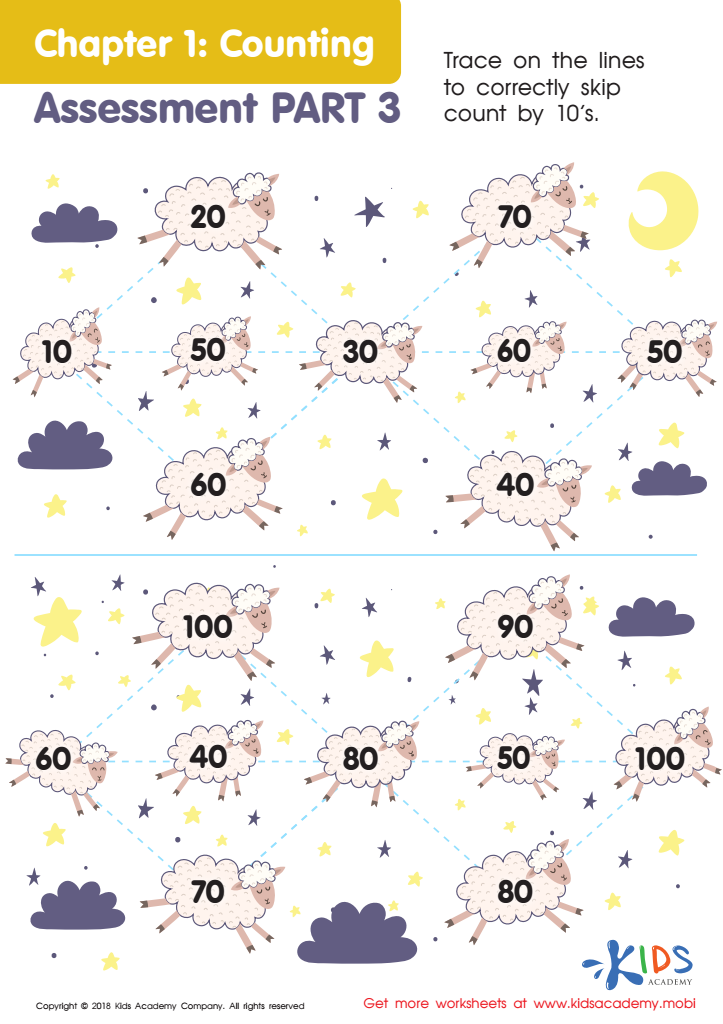
Counting: Assessment 3 Worksheet
This worksheet is great for assessing your child's counting skills. It's a bit more challenging than the usual 'count to fifty' exercises. Have them trace the lines and skip count by 10's to help them learn counting in tens.
Counting: Assessment 3 Worksheet
Worksheet
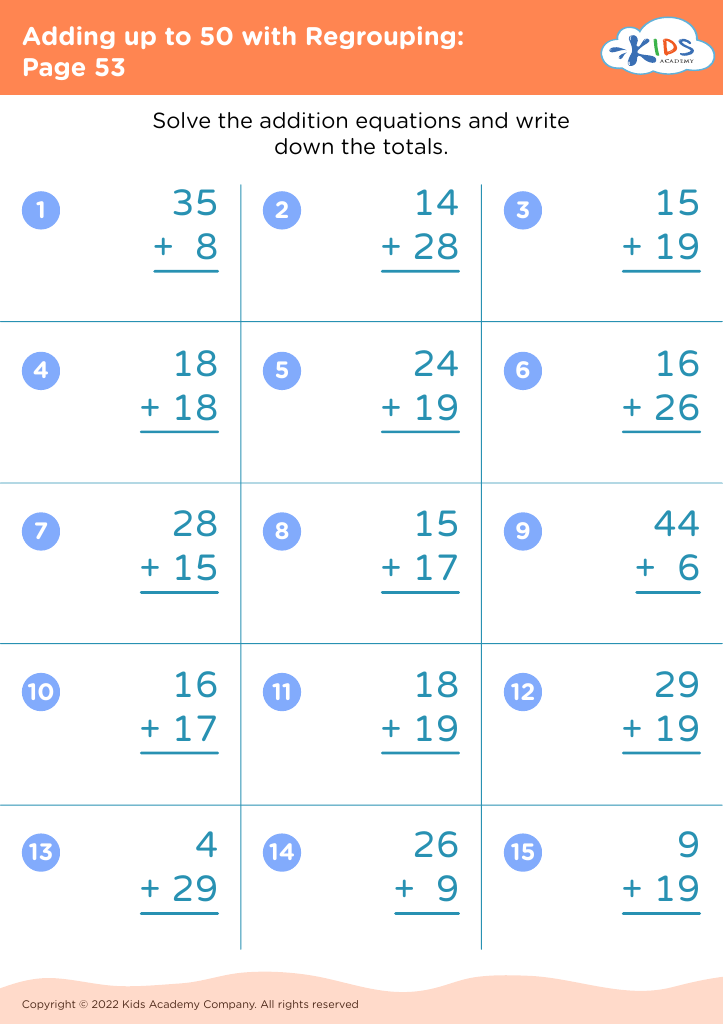
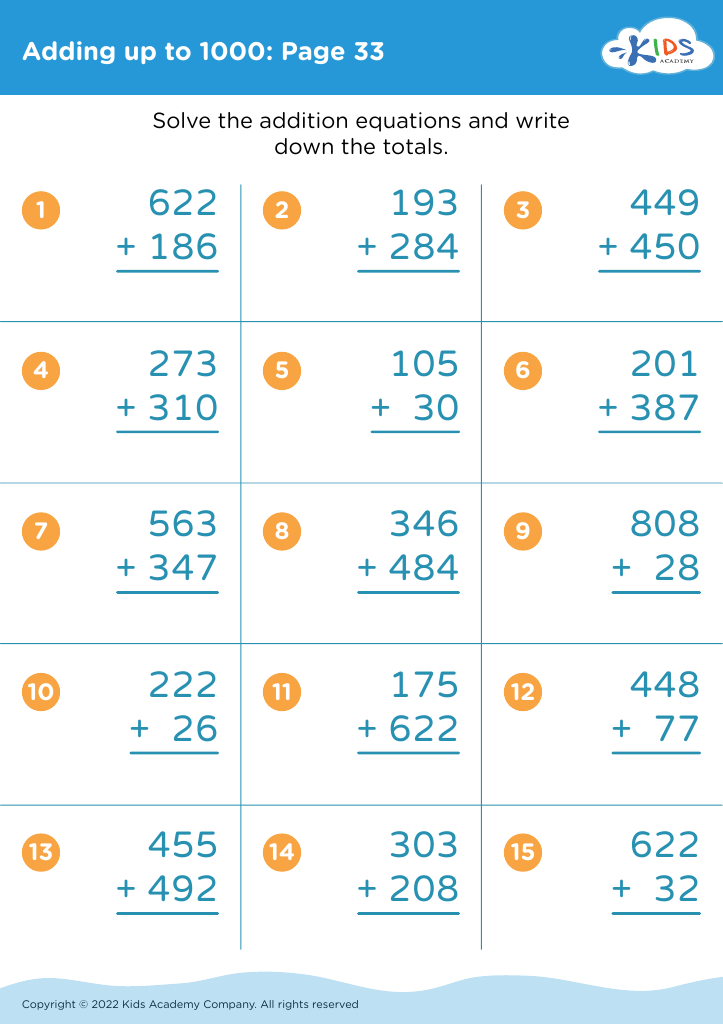
Join Kids Academy for Free
Who is primarily going to use this learning content?





Understanding sequence is crucial for children aged 6-7 as it lays the foundation for various cognitive and academic skills. At this age, children begin to develop their reading and writing abilities, and recognizing the sequence helps them comprehend stories and texts more effectively. When kids understand the order of events, they can predict outcomes, make inferences, and organize their thoughts logically, which enhances critical thinking.
Moreover, sequencing skills are vital in mathematics, where operations such as addition, subtraction, and problem-solving often rely on a clear understanding of step-by-step processes. Mastery of sequence also aids in daily tasks and routines, fostering independence in children as they learn to navigate daily life more effectively, like following a recipe or completing homework systematically.
For parents and teachers, nurturing these skills means encouraging lifelong learnings, such as planning and prioritizing. Engaging children in activities like storytelling, sequencing games, and chronological events will not only make learning fun but also reinforce the importance of organization. As sequence comprehension progresses, children become better communicators and problem solvers, setting the stage for academic success and personal growth. Prioritizing sequencing at this formative stage ensures children build essential skills for their future endeavors.








