Understanding symmetry Worksheets for Ages 6-7
35 filtered results
-
From - To
Explore our engaging "Understanding Symmetry Worksheets" designed specifically for ages 6-7! These thoughtfully crafted worksheets introduce young learners to the concept of symmetry through fun and interactive activities. Children will develop their analytical skills by identifying symmetrical shapes, completing patterns, and examining nature’s symmetry in animals and objects. Our resources encourage creativity and critical thinking while making learning enjoyable. With various exercises tailored to different learning styles, these worksheets are perfect for both classroom and home environments. Enhance your child's mathematical foundation and visual perception skills with our symmetry worksheets, making mathematics a delightful adventure! Visit us to download and start learning today!
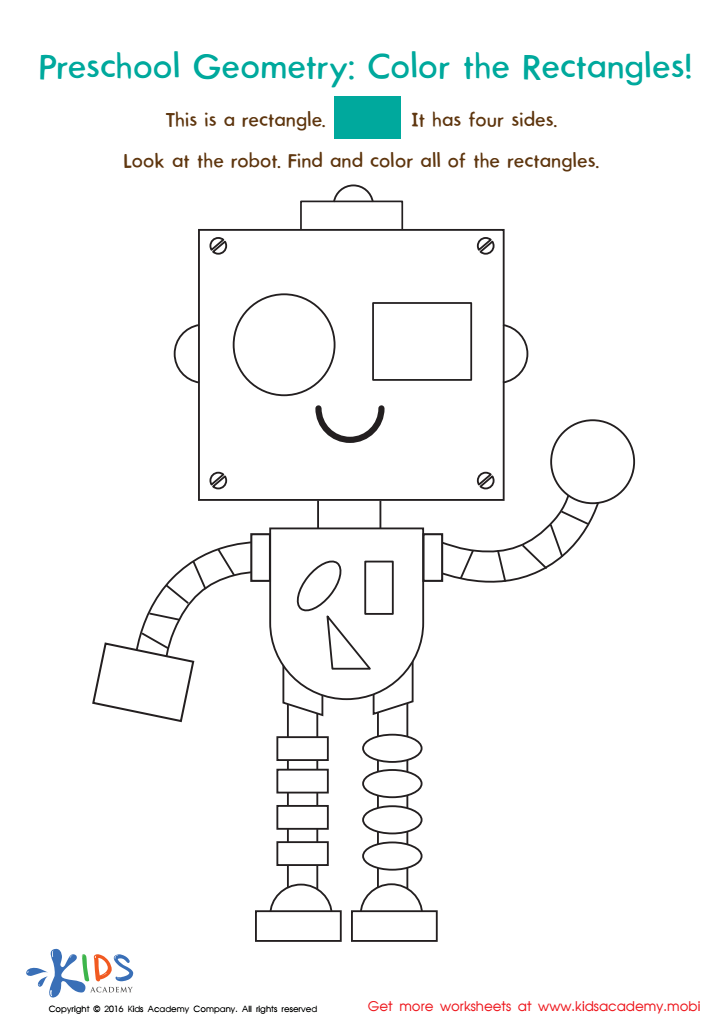
Geometry Worksheet
 Assign to My Students
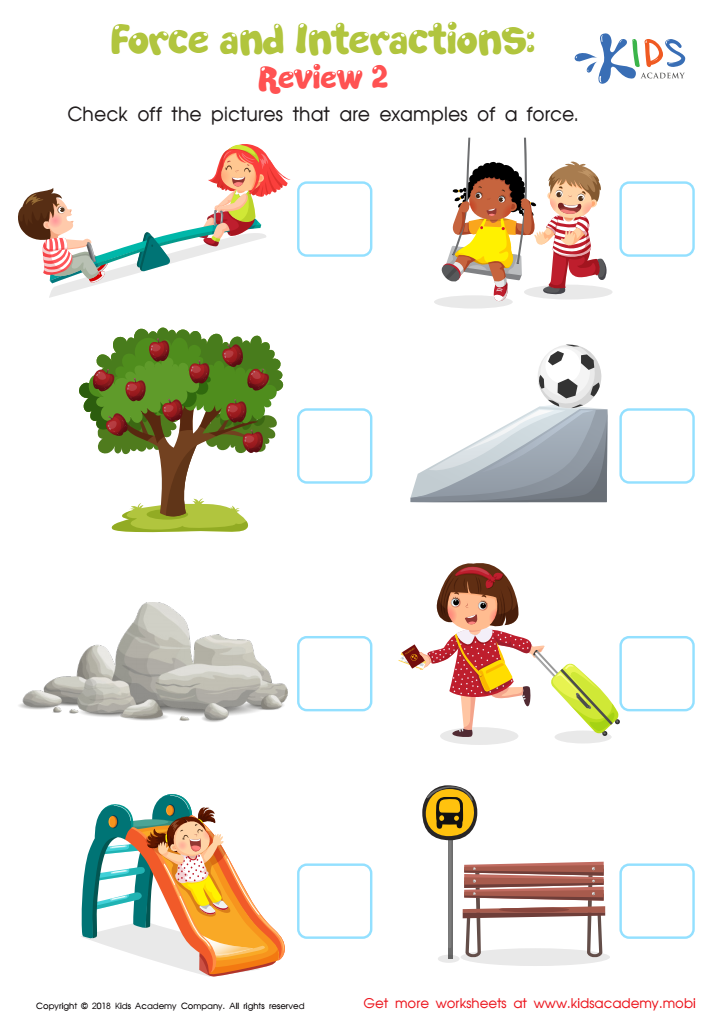
Force and Interactions: Review 2 Worksheet
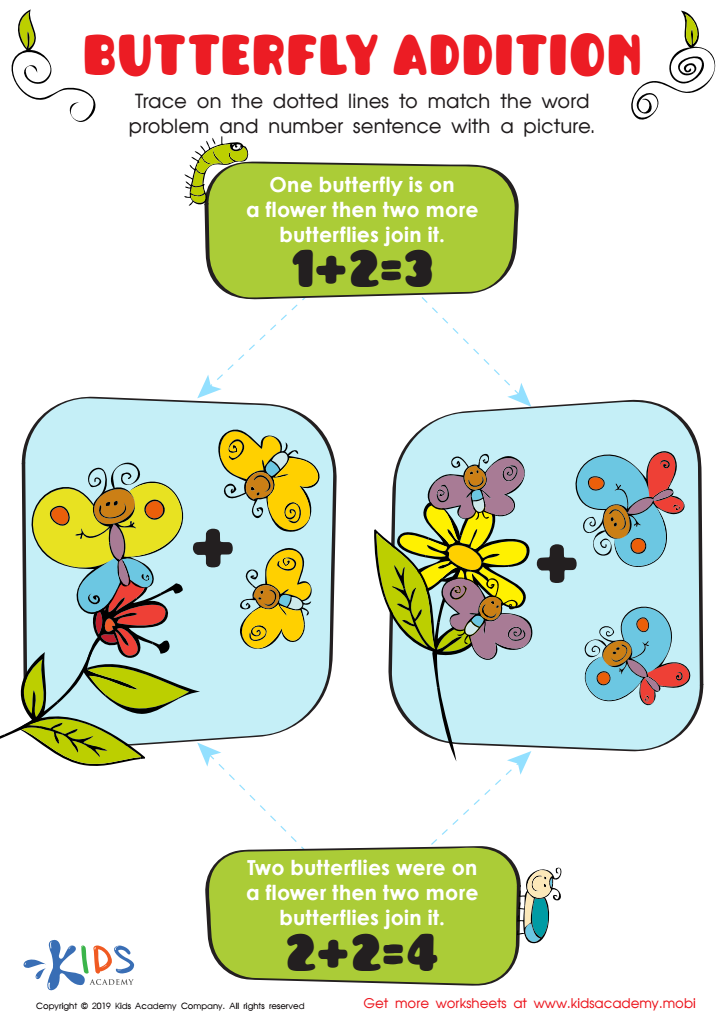
Butterfly Addition Worksheet
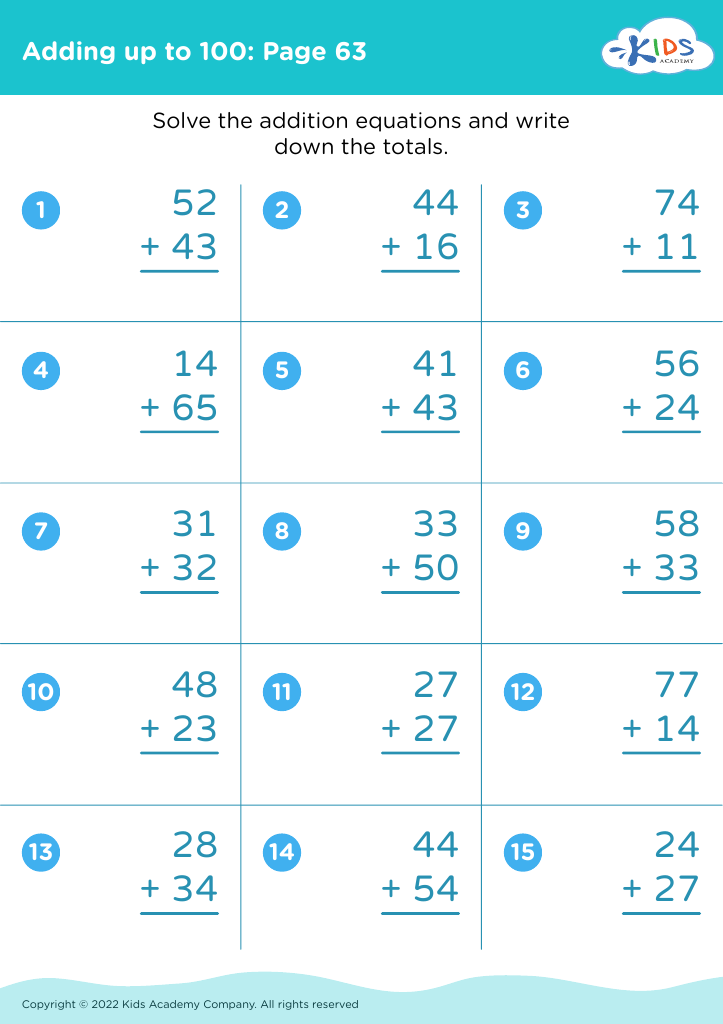
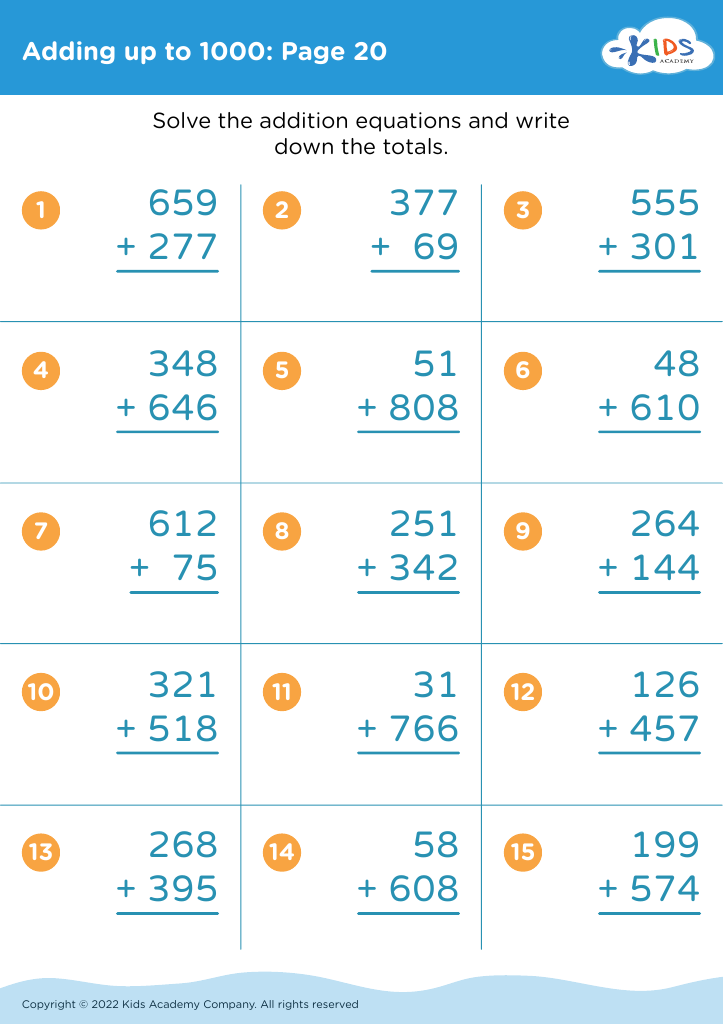
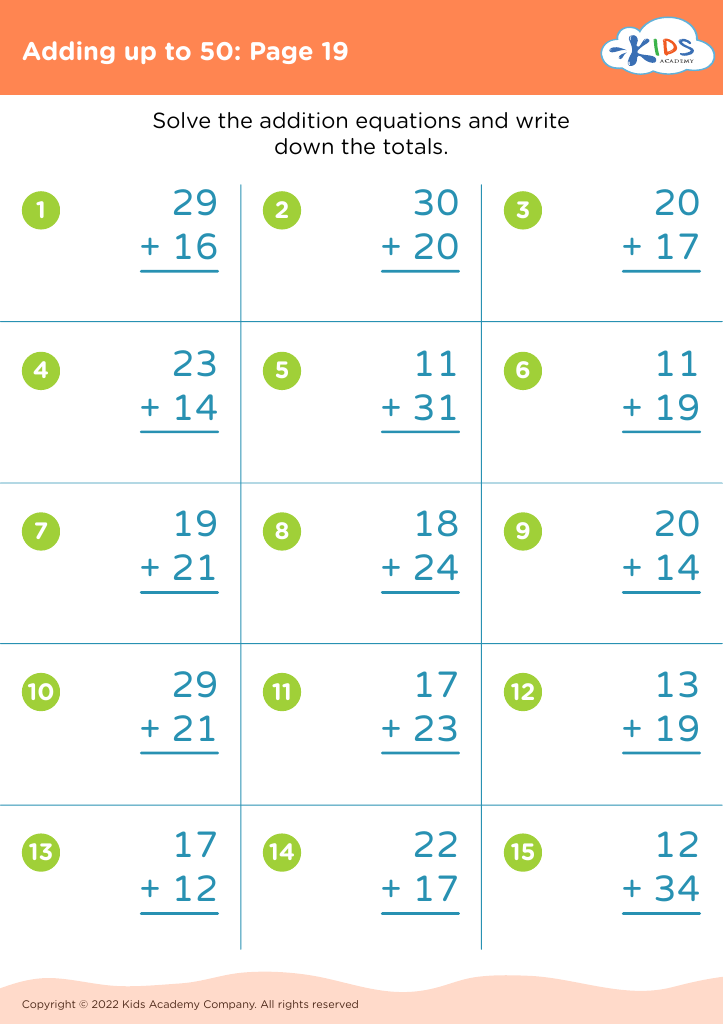
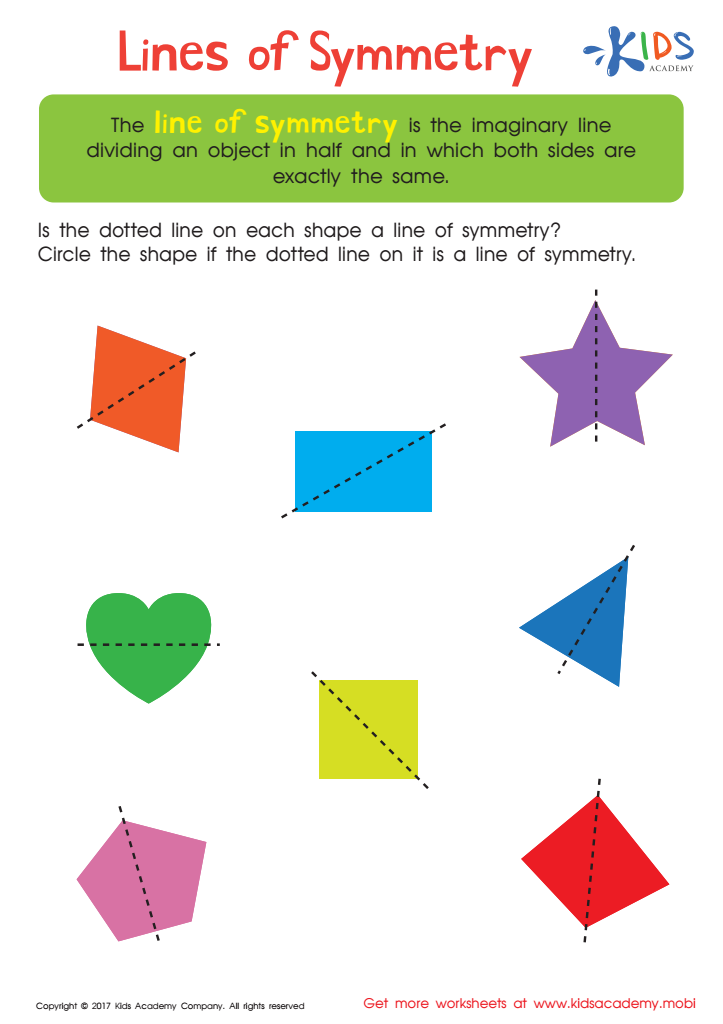
Lines of Symmetry Printable
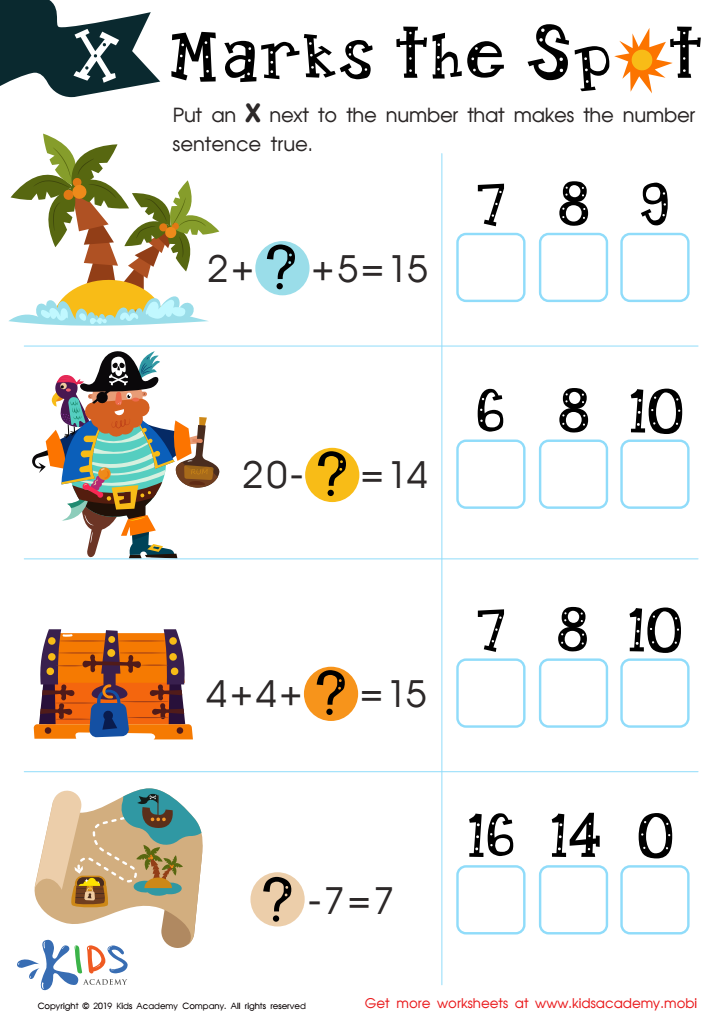
X Marks the Spot Worksheet
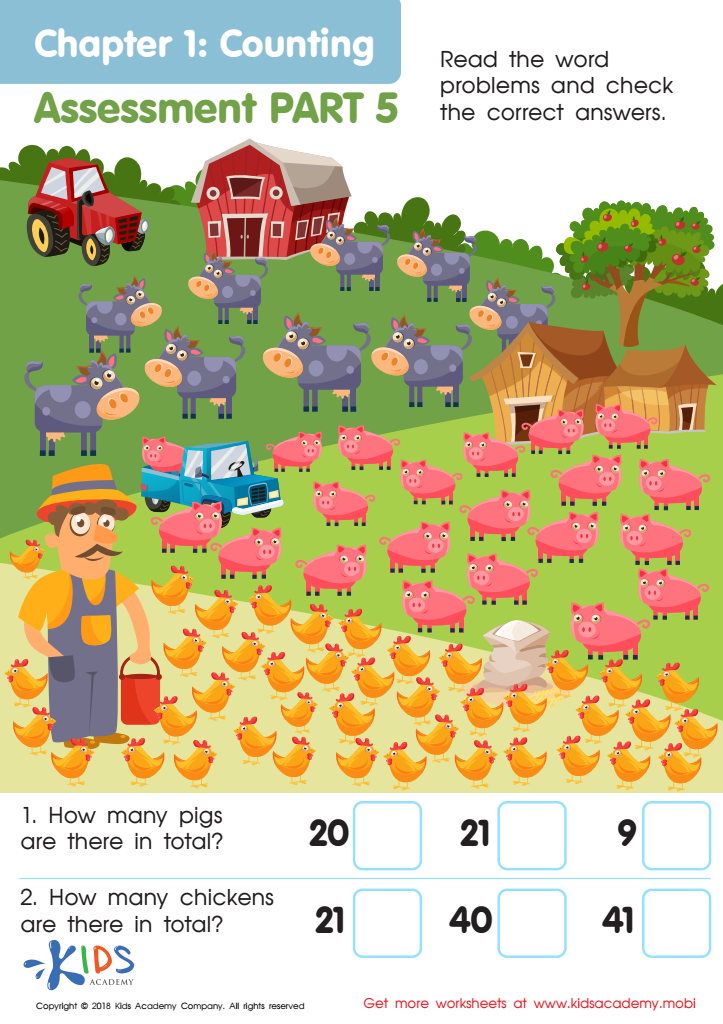
Counting: Assessment 5 Worksheet
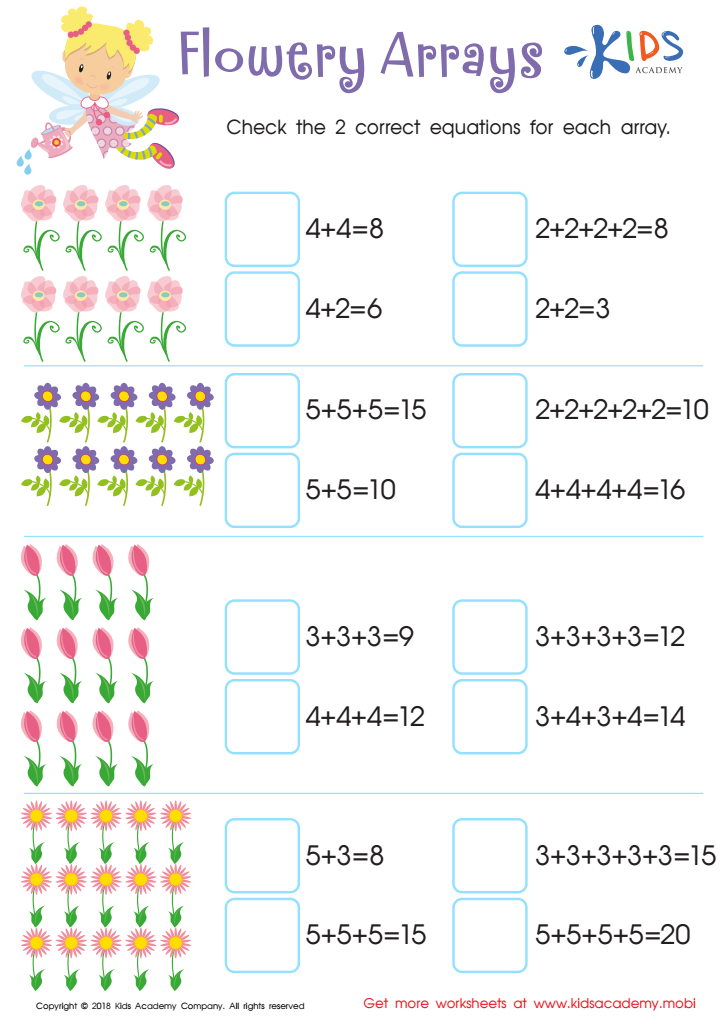
Flowery Arrays Worksheet






Understanding symmetry is crucial for children aged 6-7 as it lays the foundation for critical cognitive skills and enhances their appreciation of the world around them. At this age, children are naturally curious and are beginning to notice patterns and shapes in their environment. By exploring symmetry, parents and teachers can engage students in observation and analytical thinking. Recognizing symmetrical objects promotes spacial awareness and helps in the development of geometry skills, which are essential for math proficiency.
Furthermore, symmetry is present in art, nature, and architecture, making it an interdisciplinary concept that connects mathematics with other subjects. This exploration not only fosters creativity but also encourages children to express themselves through art projects that involve symmetrical designs.
By understanding symmetry, children enhance their problem-solving skills, as they learn to identify, manipulate, and compare shapes. Encouraging this understanding at such a formative age helps set the stage for advanced mathematical concepts in later years. Ultimately, a grasp of symmetry enriches children's education, builds their confidence, and nurtures their ability to think logically and critically. This makes it an important focus for both parents and educators in early childhood development.








