Explore our Understanding Time worksheets for ages 6-7, designed to turn learning about clocks and time into an engaging experience! With colorful illustrations and interactive exercises, these worksheets help young learners grasp essential concepts like telling time, differentiating between AM and PM, and understanding time durations. Whether measuring hours and minutes or solving fun time-related problems, our resources foster critical thinking and allow children to build confidence in their skills. Perfect for both classroom use and home practice, these worksheets support early math proficiency while making learning enjoyable. Join us in making time understanding a fun adventure for your little ones!

Check out this FREE "Understanding time" Trial Lesson for age 6-7!

Years

Favorites
With answer key
Interactive
  • 6-7
  • Understanding time
Years Worksheet
Years Worksheet

Years Worksheet

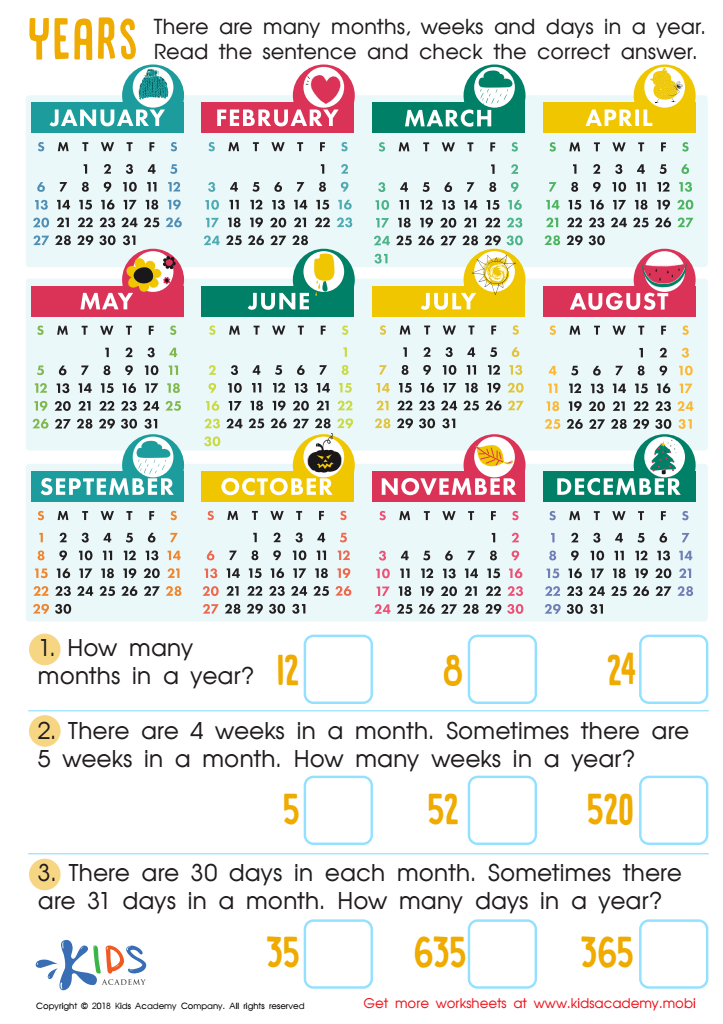
This worksheet is a great way to test your children's knowledge of the calendar. Ask them if they can name the days of the week and months in a year. Read and discuss the questions with them and help them find the right answers. Encourage them to check their answers.
Years Worksheet
Worksheet
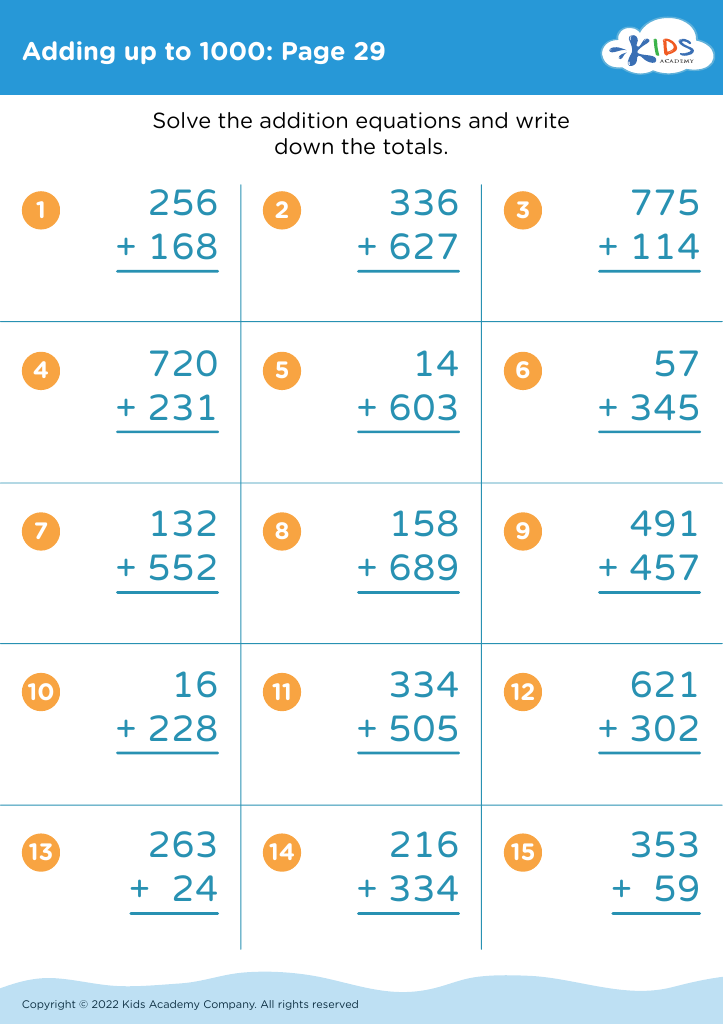
Adding up to 1000: Page 29

Adding up to 1000: Page 29

Adding up to 1000: Page 29
Worksheet
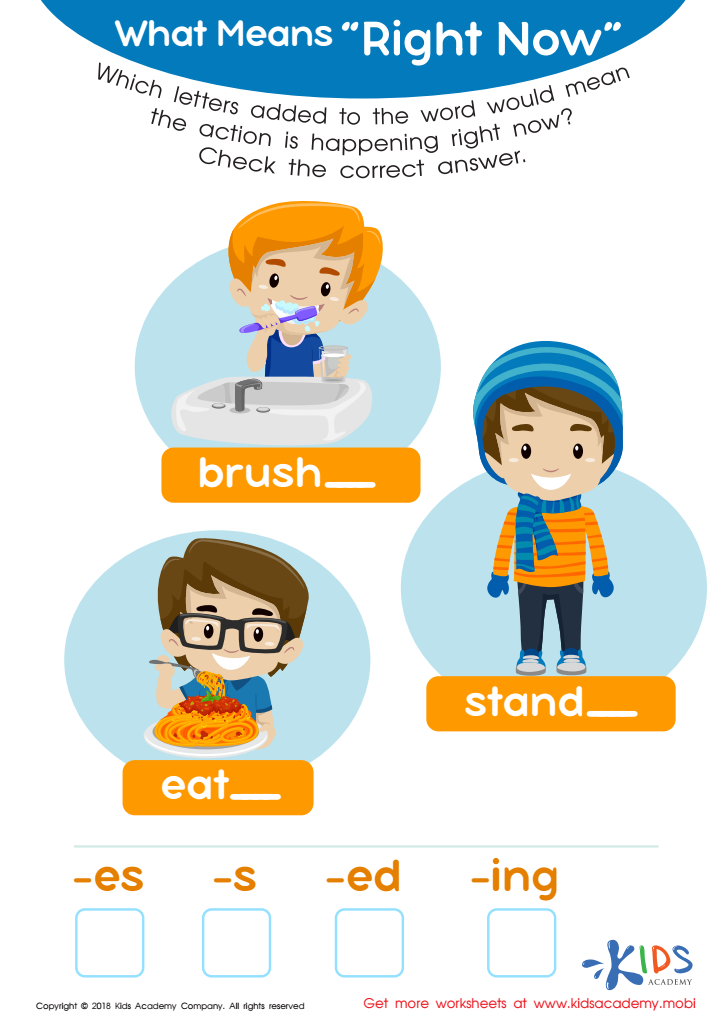
What Means "Right Now" Worksheet

What Means "Right Now" Worksheet

Explain present/past tense verbs to your kids, giving them simple examples. Ask which letters make a verb present tense; read the words aloud and help them check the correct answers.
What Means "Right Now" Worksheet
Worksheet
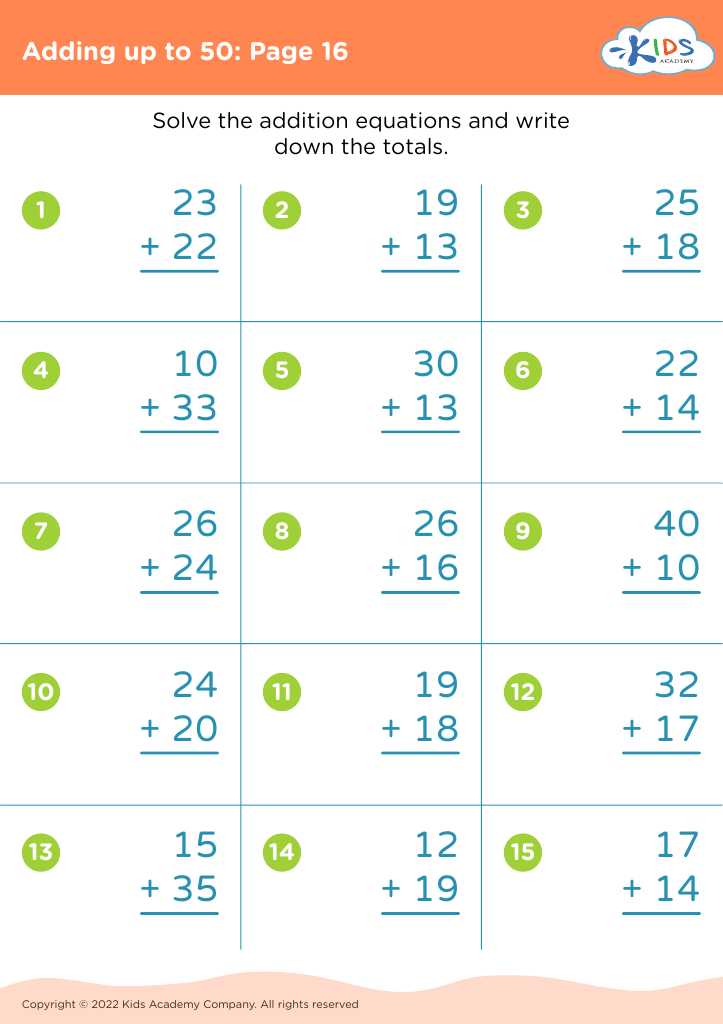
Adding up to 50: Page 16

Adding up to 50: Page 16

Adding up to 50: Page 16
Worksheet
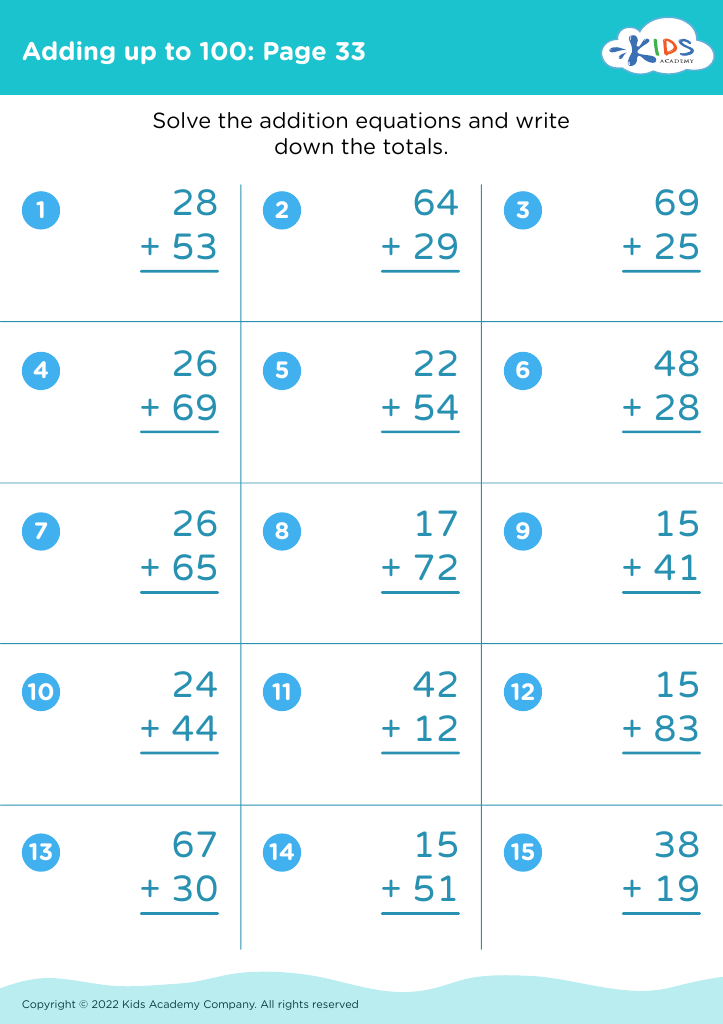
Adding up to 100: Page 33

Adding up to 100: Page 33

Adding up to 100: Page 33
Worksheet
What Time Is it? Minute Hands Worksheet

What Time Is it? Minute Hands Worksheet

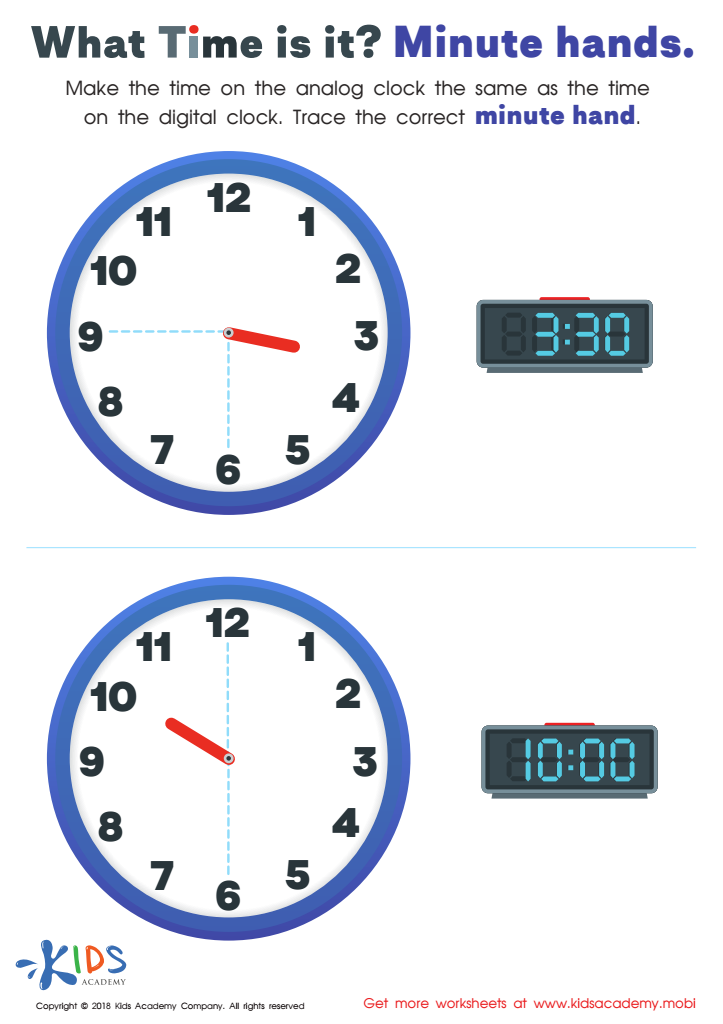
Help your kids telling time with the minute hand correctly with this tracing sheet. Trace the correct minute hand to make the time on the analog clock the same as the time on the digital clock. Give them a pictured demonstration of how to do it and you'll be all set!
What Time Is it? Minute Hands Worksheet
Worksheet
Dinner Time! Worksheet

Dinner Time! Worksheet

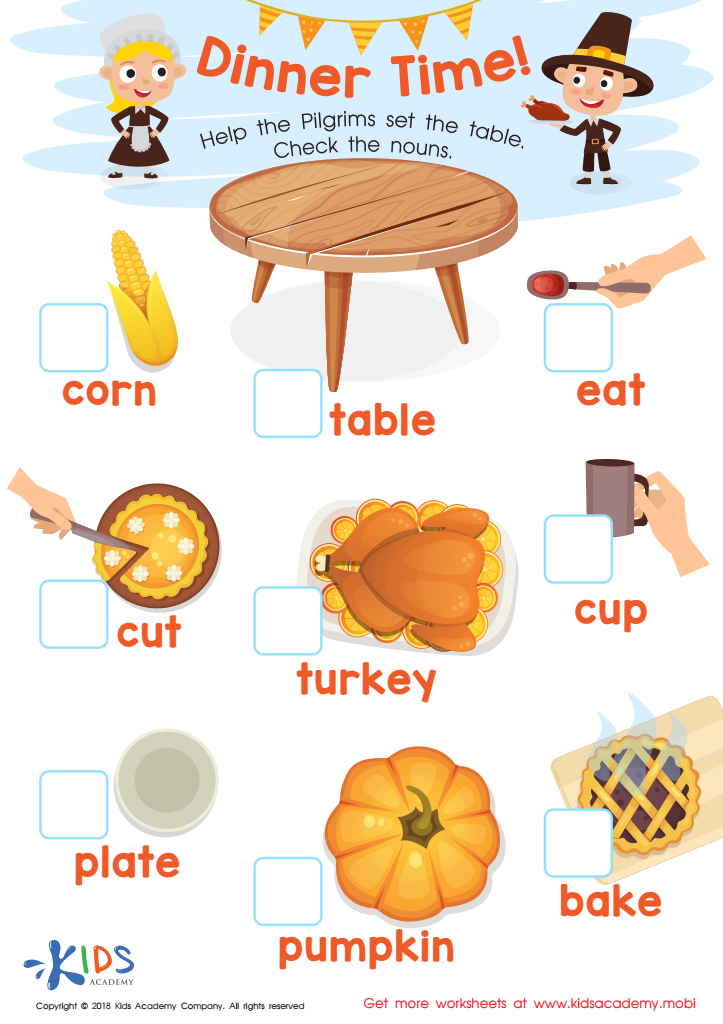
Help your child learn about the Pilgrims by completing this worksheet! The Pilgrims set sail on the Mayflower in 1620 and colonized America, meeting the Native Americans already living there and picking up some of their traditions, like Thanksgiving dinner. Check the nouns in the picture and help your child set the table with the celebratory turkey!
Dinner Time! Worksheet
Worksheet
Place Value: Assessment 2 Worksheet
Place Value: Assessment 2 Worksheet
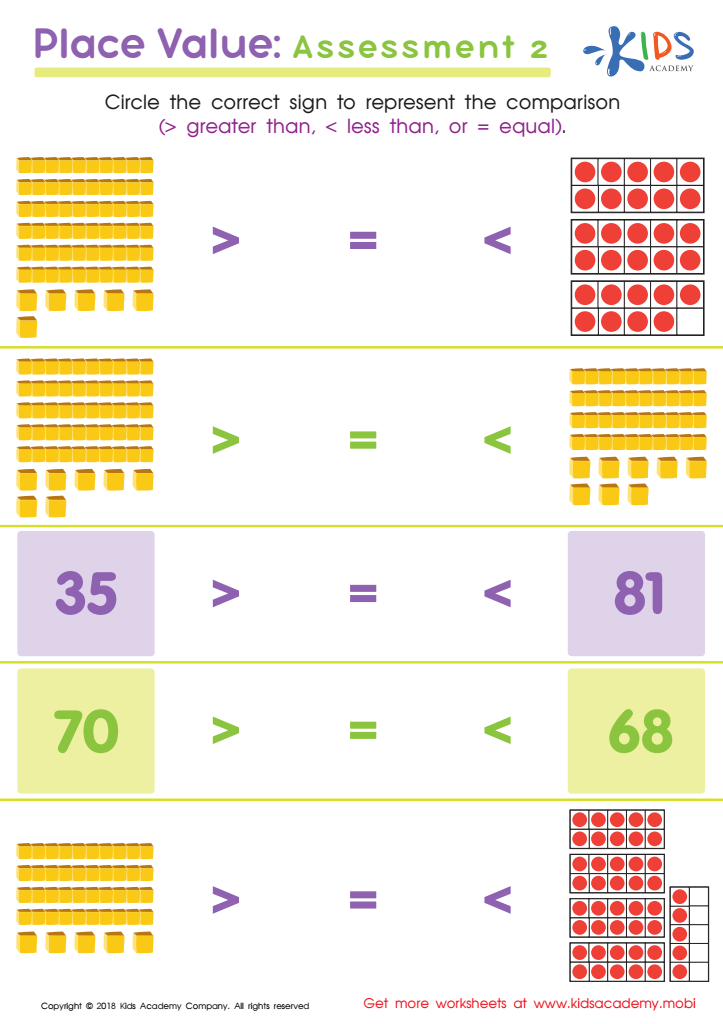
Children must learn to recognize the value of numbers and break them into chunks of ten. They must also be able to compare numbers to know if one is greater, less than or equal to another. The Place Value Assessment PDF is a great tool to assess their skills and identify what requires more practice.
Place Value: Assessment 2 Worksheet
Worksheet
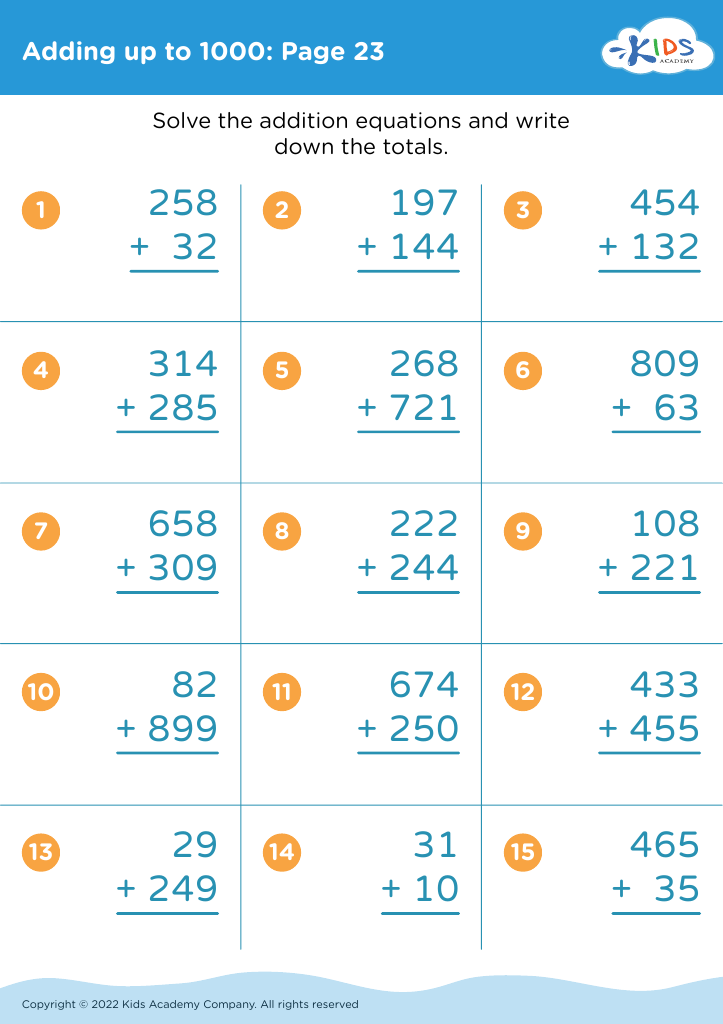
Adding up to 1000: Page 23

Adding up to 1000: Page 23

Adding up to 1000: Page 23
Worksheet
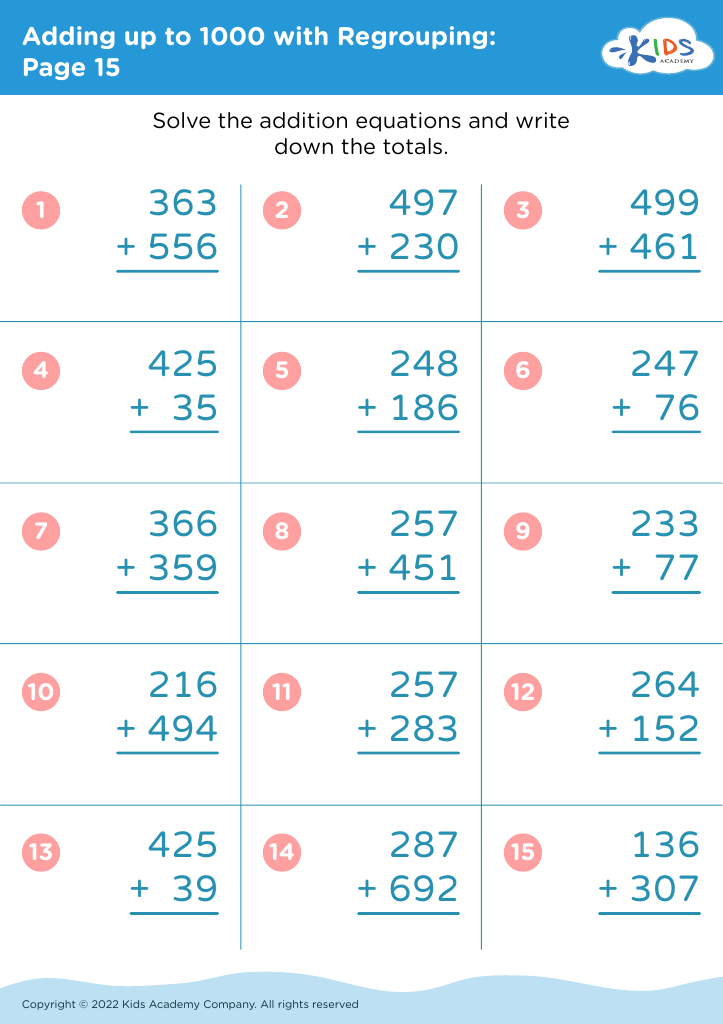
Adding up to 1000 with Regrouping: Page 15
Worksheet
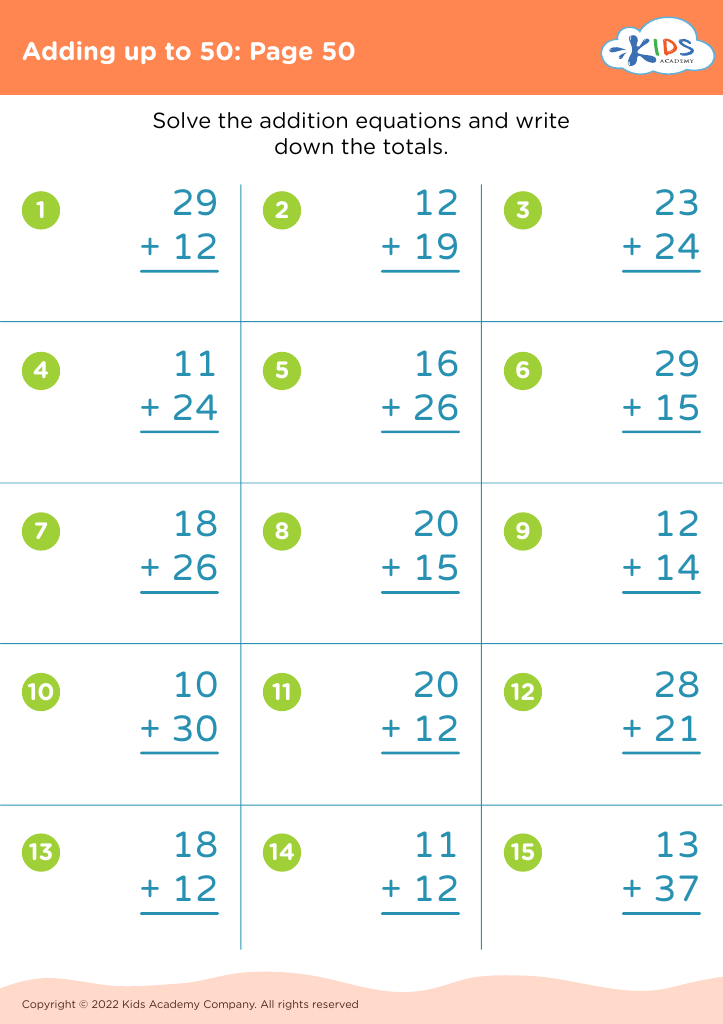
Adding up to 50: Page 50

Adding up to 50: Page 50

Adding up to 50: Page 50
Worksheet
My Day Worksheet
My Day Worksheet

My Day Worksheet

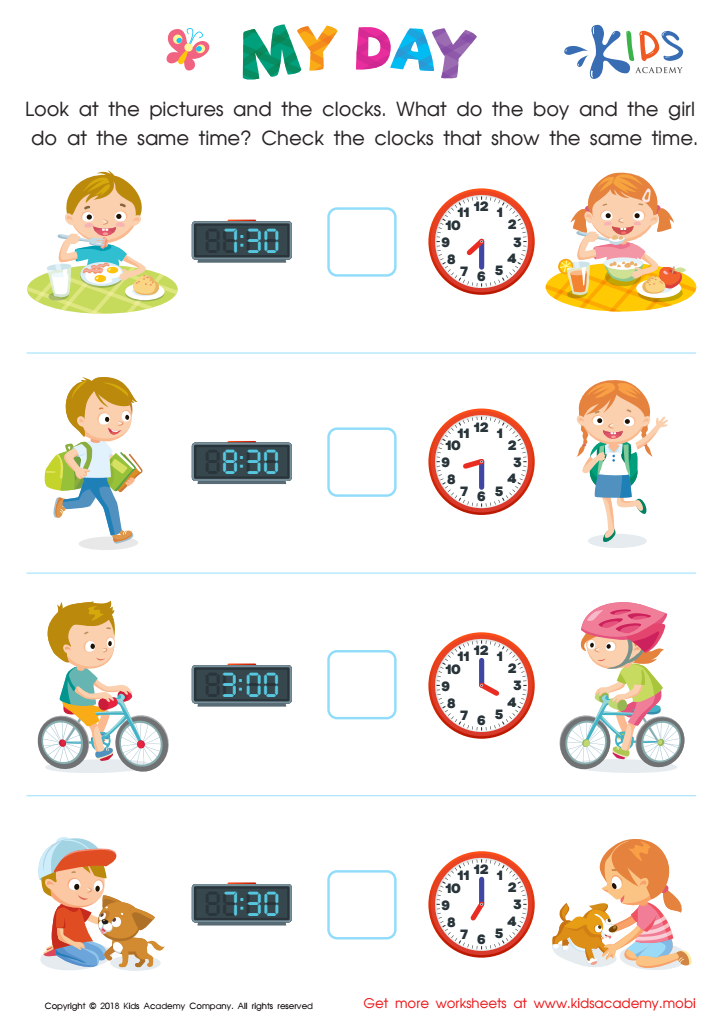
Show your students the pictures and clocks in the colorful worksheet. Ask what the boy and girl are doing in each, then what time the clocks show. Finally, ask what activities they both do at the same time. Help them check the clocks showing the same time in both pictures.
My Day Worksheet
Worksheet


Understanding time is a crucial skill for children aged 6-7, as it lays the foundation for their daily routines and decision-making abilities. At this developmental stage, children begin to shift from a sensory-based understanding of the world to a more structured perception, where time becomes an essential concept.

Teaching children how to read clocks, understand routines, and grasp the passage of time helps them develop responsibility and independence. This skill fosters self-regulation, allowing them to manage their activities better, such as completing homework, attending playdates, or participating in scheduled events.

Moreover, an understanding of time enhances cognitive skills, as children learn to associate durations with different activities, improving their organizational skills. It also serves as a framework for future learning; concepts in mathematics, science, and even history often involve time-based understanding.

Parents and teachers play a vital role in this learning process. By integrating time-related activities, such as calendars, timers, and interactive games, they can establish a more engaging intellectual environment. Ultimately, supporting children in mastering time management skills nurtures their confidence and prepares them for the classroom and beyond, making it an invaluable focus for adults guiding their educational journeys.