Matching skills 2D Shapes Worksheets for Ages 6-7
5 filtered results
-
From - To
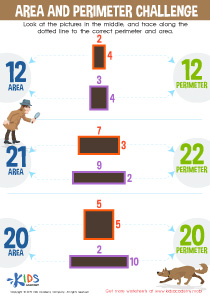
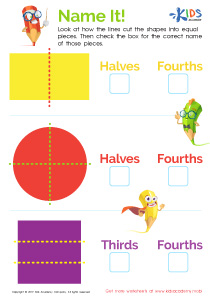
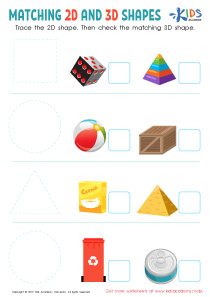
Enhance your child's understanding of 2D shapes with our engaging matching skills worksheets designed for ages 6-7. These printable activities encourage young learners to match various 2D shapes, reinforcing their recognition and categorization abilities. Each worksheet is tailored to provide a mix of fun and educational challenges, helping children build essential foundational skills in geometry. With colorful illustrations and interactive exercises, children will enjoy learning while developing critical thinking and observational skills. Perfect for classroom use or at-home learning, these worksheets make mastering 2D shapes an enjoyable experience for budding mathematicians! Keep learning fun and effective with our resources!
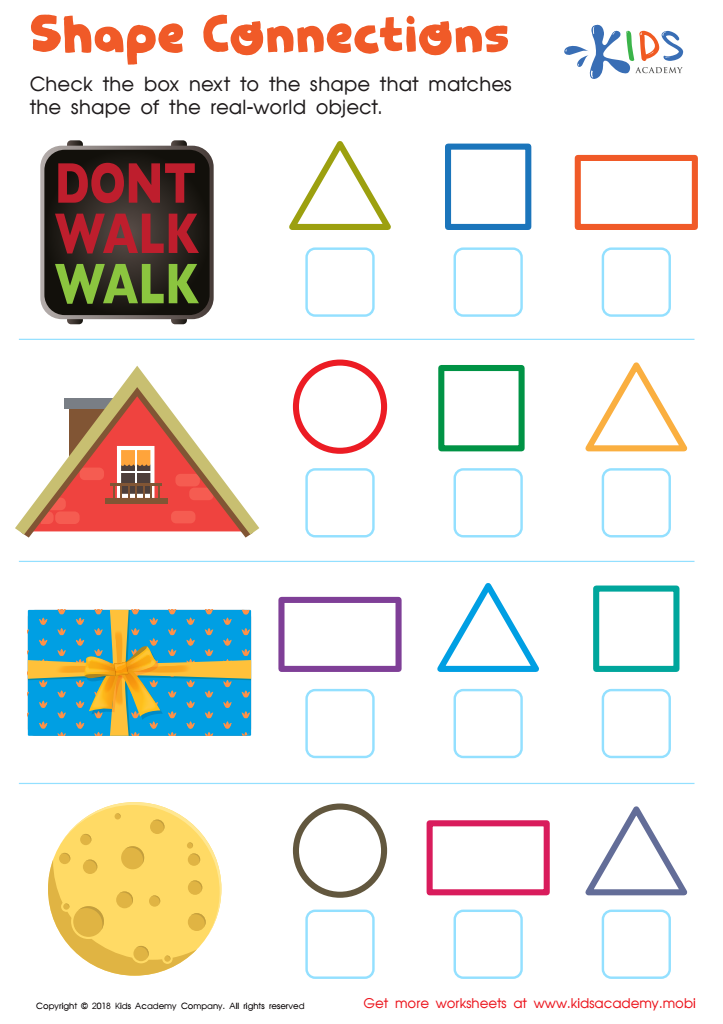
Shape Connections Worksheet
 Assign to My Students


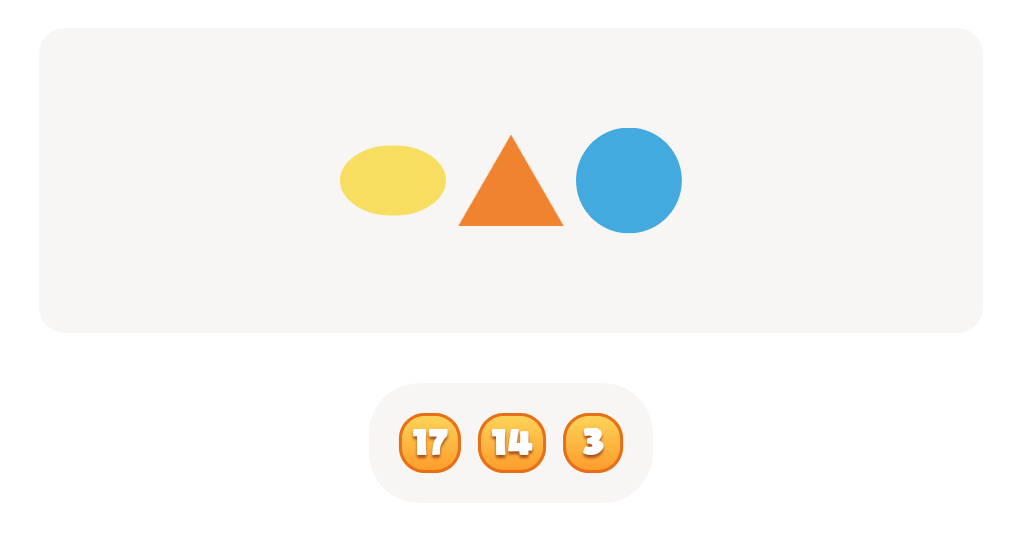
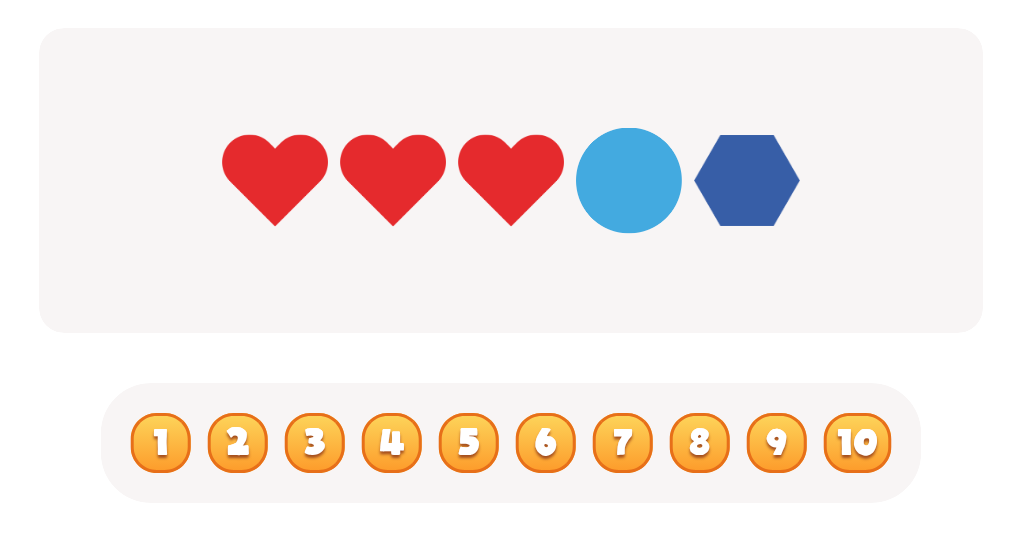
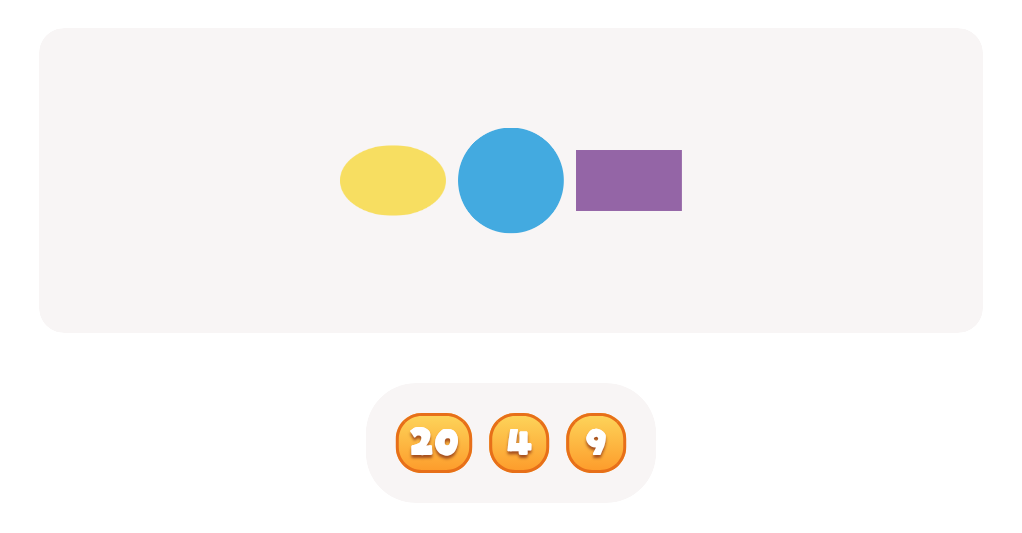
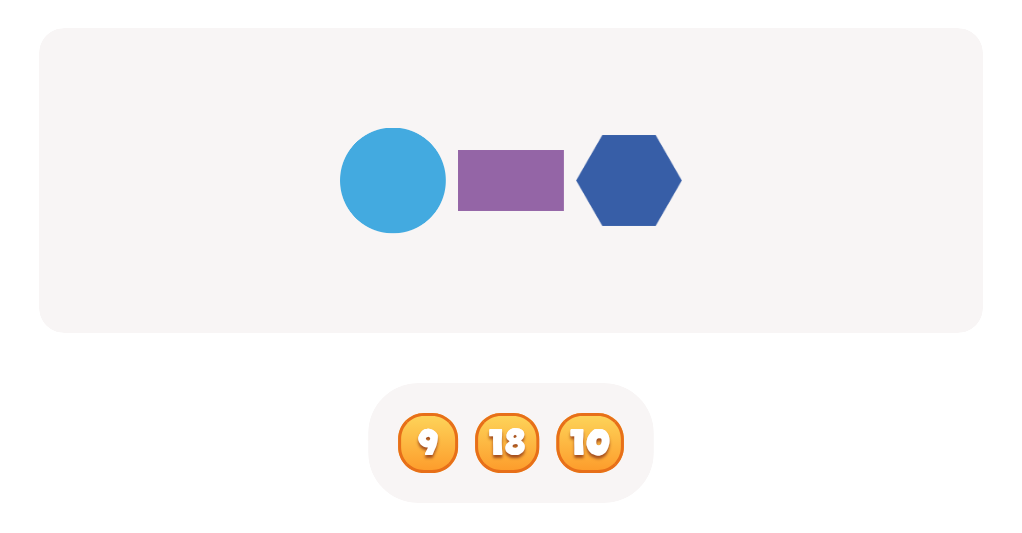
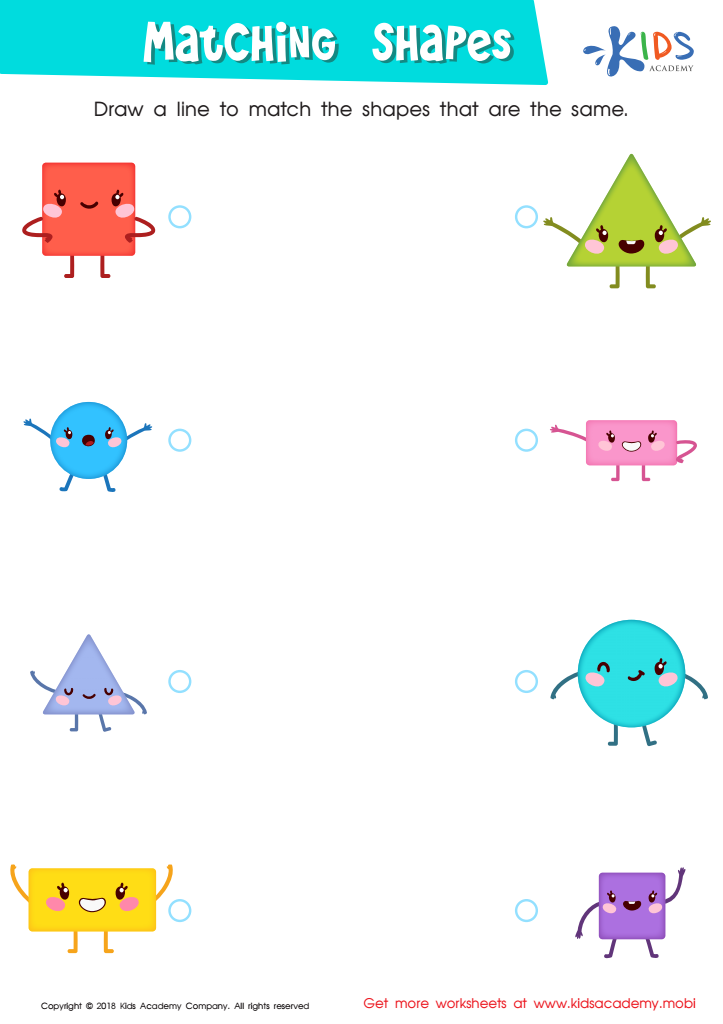
Matching Shapes Worksheet
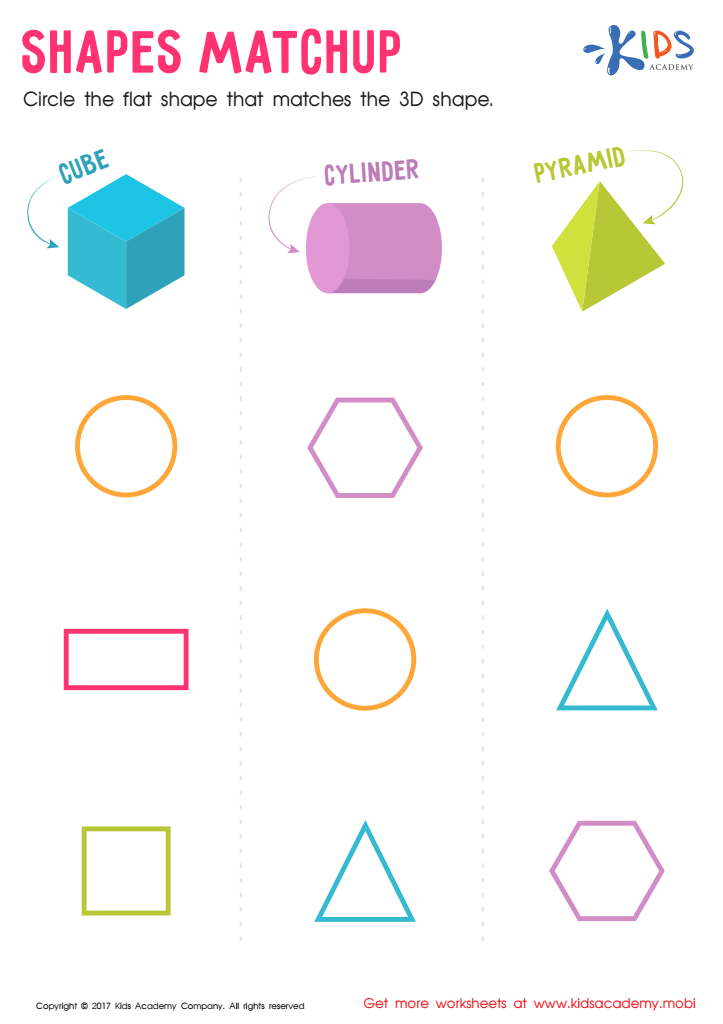
Shapes Matchup Worksheet
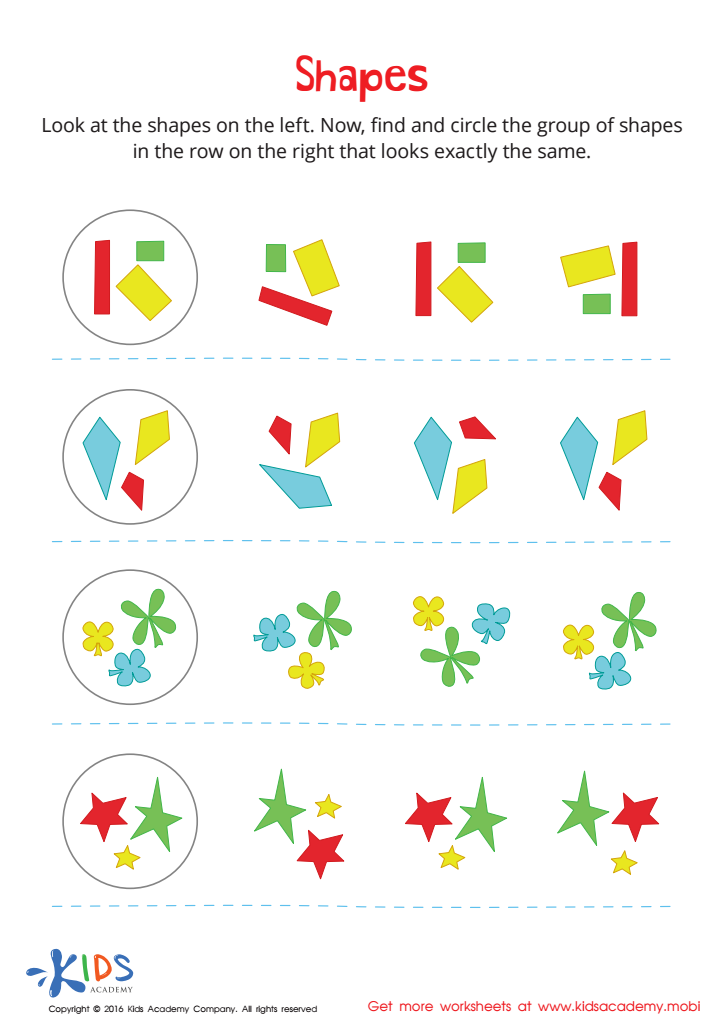
Shapes Worksheet
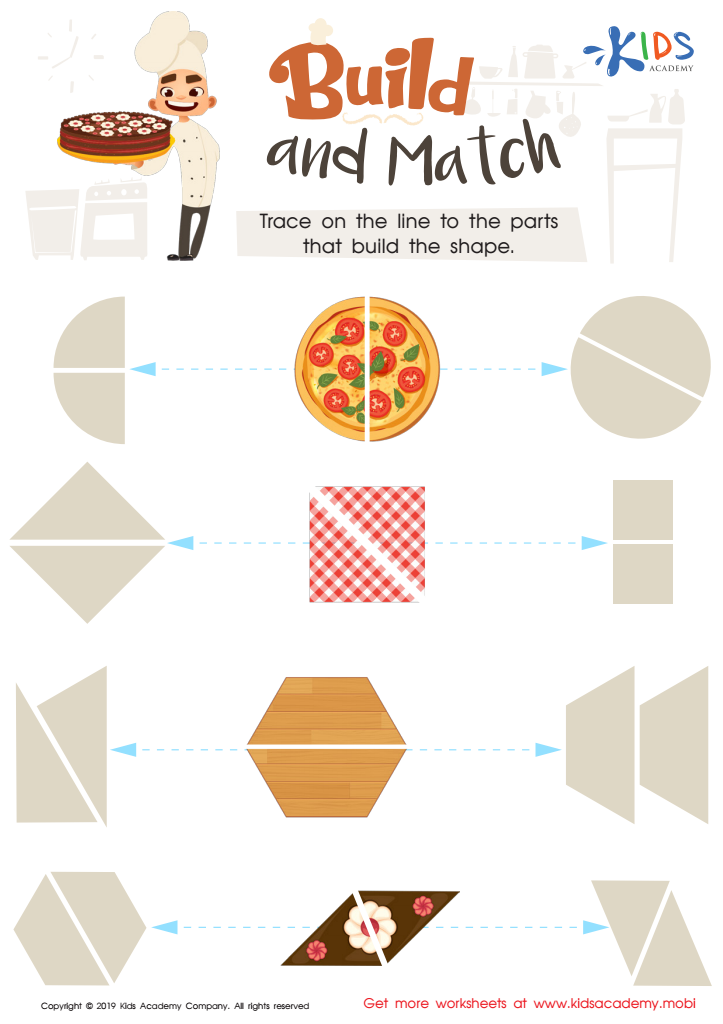
Build and Match Worksheet








Matching skills with 2D shapes is crucial for children aged 6-7, as it lays the groundwork for their mathematical and cognitive development. At this age, kids are increasingly engaged with their environment and begin to recognize patterns, which are essential for grasping more complex concepts later on. Proficiency in identifying and matching 2D shapes enhances their spatial awareness, critical for subjects like geometry and geography.
Additionally, mastering shape recognition bolsters problem-solving abilities and boosts confidence in handling mathematical tasks. As children learn to match shapes, they enhance their fine motor skills through activities like drawing and manipulating objects, connecting physical activities with cognitive tasks.
For parents and teachers, recognizing and supporting this skill can lead to more enriching educational experiences. Engaging children in activities involving 2D shapes fosters creativity as they experiment with patterns and designs. Moreover, it lays the groundwork for essential life skills, as architecture, engineering, and technology frequently rely on understanding and manipulating shapes.
In summary, focusing on matching 2D shapes equips children with foundational skills that benefit their ongoing education and everyday problem-solving, preparing them for future academic challenges in a hands-on, engaging way.