Fraction identification Addition & Subtraction Worksheets for Ages 6-7
5 filtered results
-
From - To
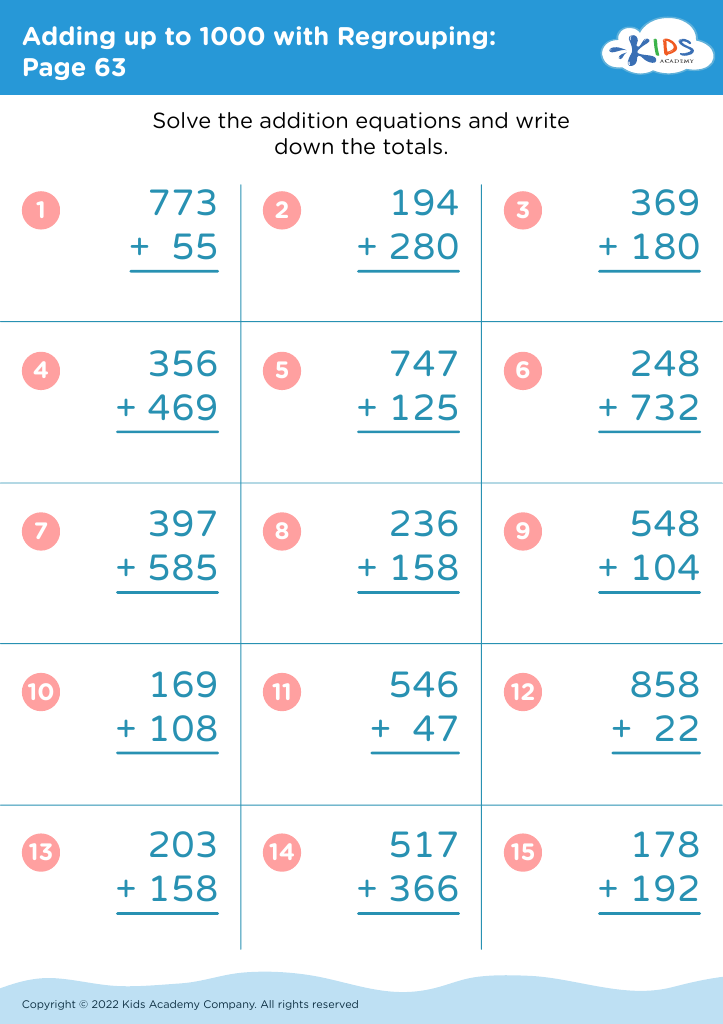
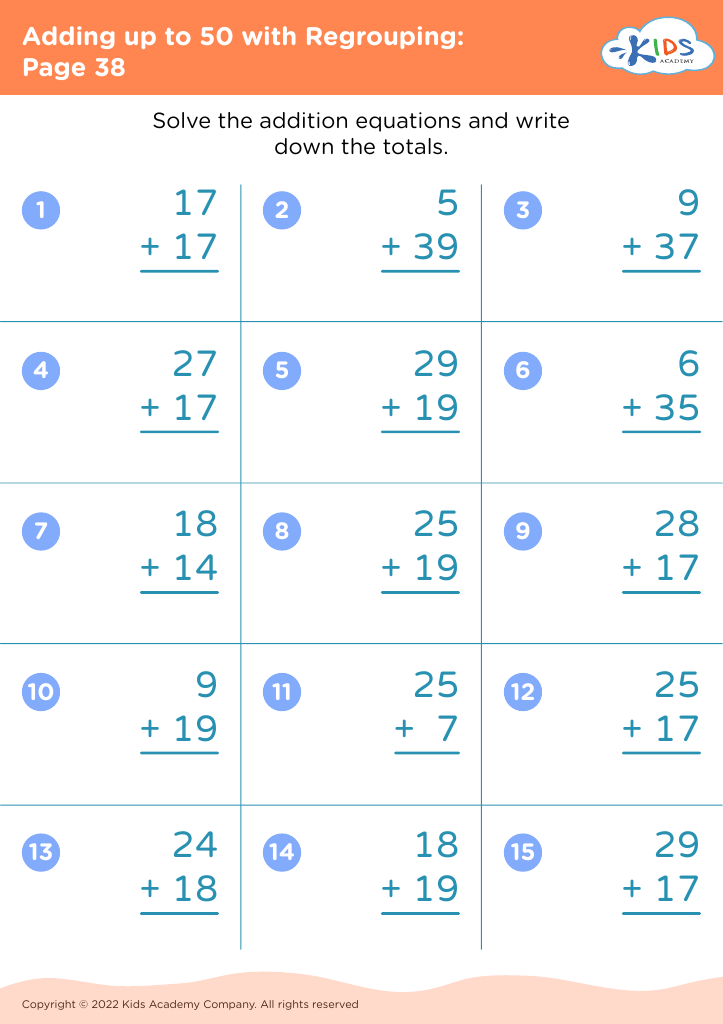
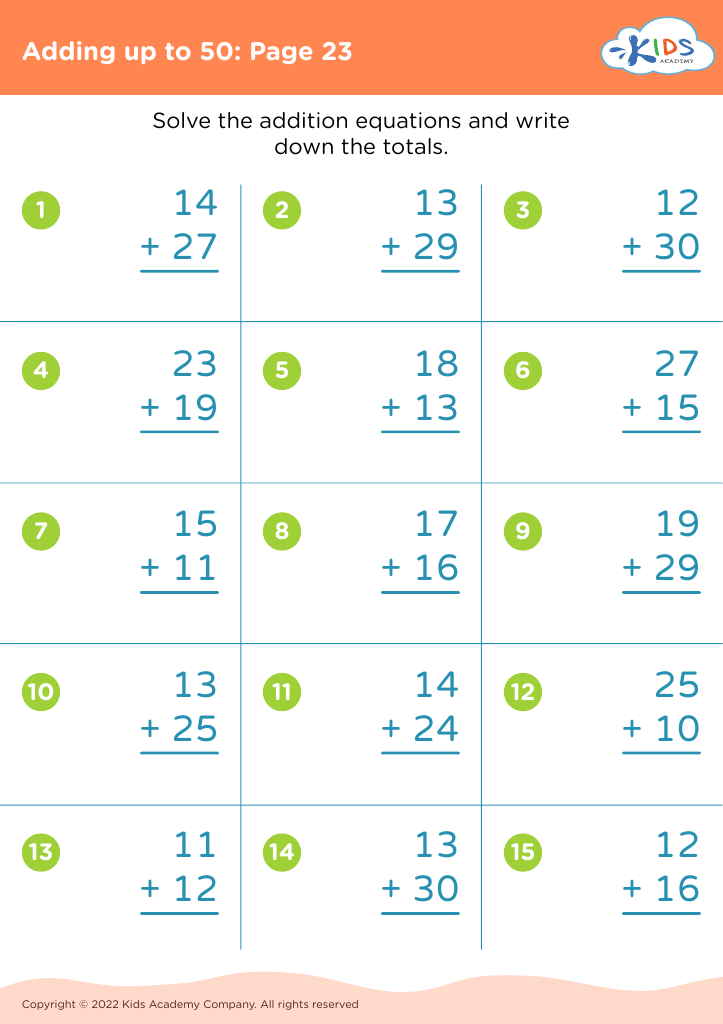
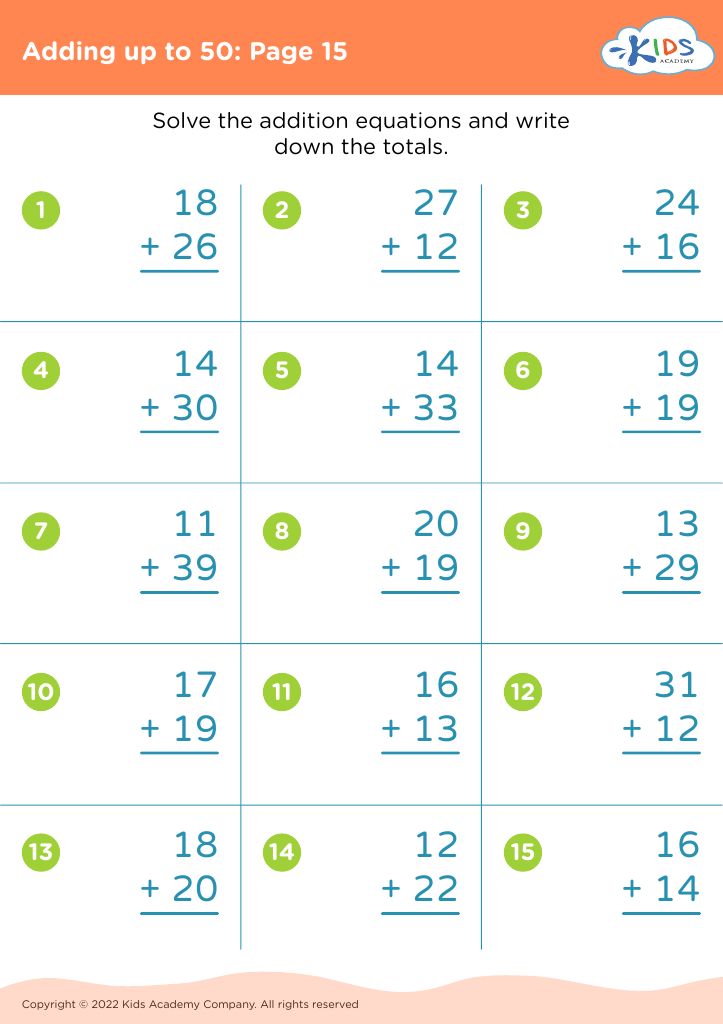
Enhance your child's math skills with our "Fraction Identification Addition & Subtraction Worksheets for Ages 6-7". Designed for young learners, these engaging worksheets simplify complex concepts by breaking them down into manageable tasks. Through colorful illustrations and interactive activities, kids effortlessly grasp fraction identification alongside basic addition and subtraction. These worksheets not only improve numerical fluency but also build a strong foundation in understanding fractions, making math fun and accessible. Perfect for classroom and home use, they boost confidence and promote a love for math from an early age. Full of challenges and fun, they cater to different learning paces and styles.
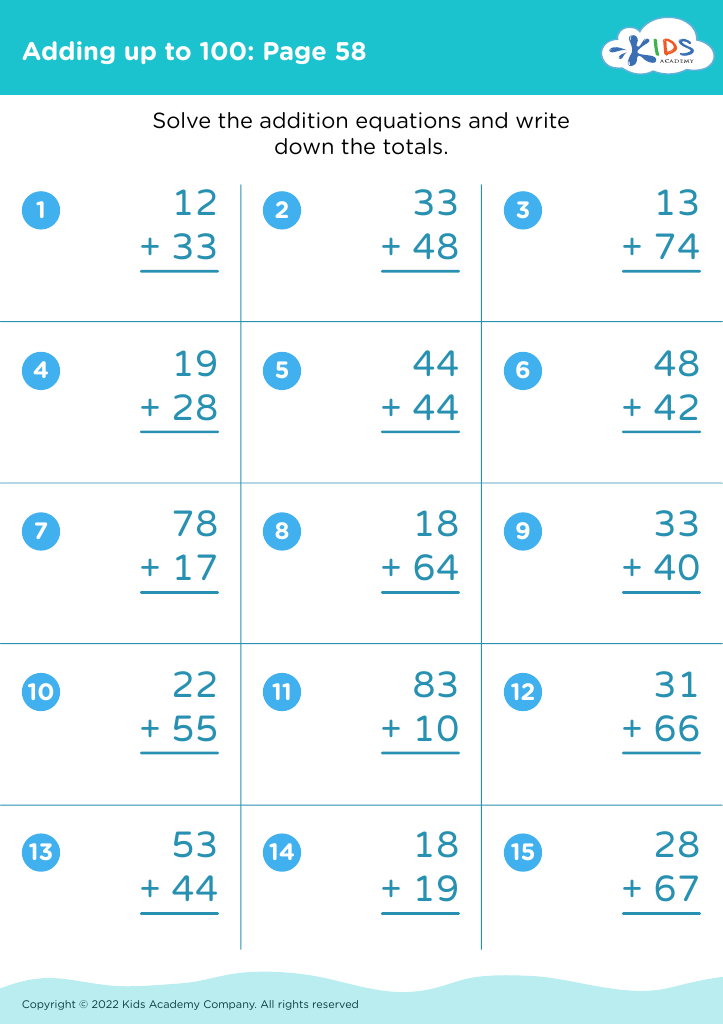








Understanding fractions is a key foundational skill in mathematics, critical for academic success at higher levels. For children ages 6-7, learning to identify and manipulate fractions through addition and subtraction helps develop strong numerical sense and problem-solving skills. At this early stage, fractions teach kids the concept of parts and wholes, which is fundamental not just in math but in real-life situations, like dividing a pizza among friends or measuring ingredients for a recipe.
Parents and teachers should ensure kids grasp these basics because it builds confidence and reduces future anxiety about math. Early mastery of fractions contributes to broader math comprehension, influencing future topics like algebra, geometry, and even science subjects. Interactive fraction activities, using visual aids like fraction circles or real-life items, make learning engaging and concrete for young minds.
Moreover, integrating fractions with addition and subtraction at such a formative age fosters a deeper conceptual understanding as opposed to rote memorization. It develops critical thinking and flexibility in approaching problems, skills that are valuable in all areas of learning and daily life. In essence, fostering fraction literacy equips children with the essential tools for academic achievement and practical life skills.








