Logical Reasoning Addition & Subtraction Worksheets for Ages 6-7
14 filtered results
-
From - To
Discover our engaging Logical Reasoning Addition & Subtraction Worksheets tailored for ages 6-7! These worksheets provide fun and challenging exercises designed to enhance children's critical thinking and problem-solving skills while mastering basic math operations. Each activity encourages young learners to analyze, reason, and apply addition and subtraction concepts in real-world scenarios. Ideal for classroom use or at-home practice, our worksheets support your child's cognitive development and boost their confidence in math. Explore a variety of vibrant, age-appropriate designs that make learning enjoyable and effective. Help your child build a solid math foundation with our expertly crafted resources today!
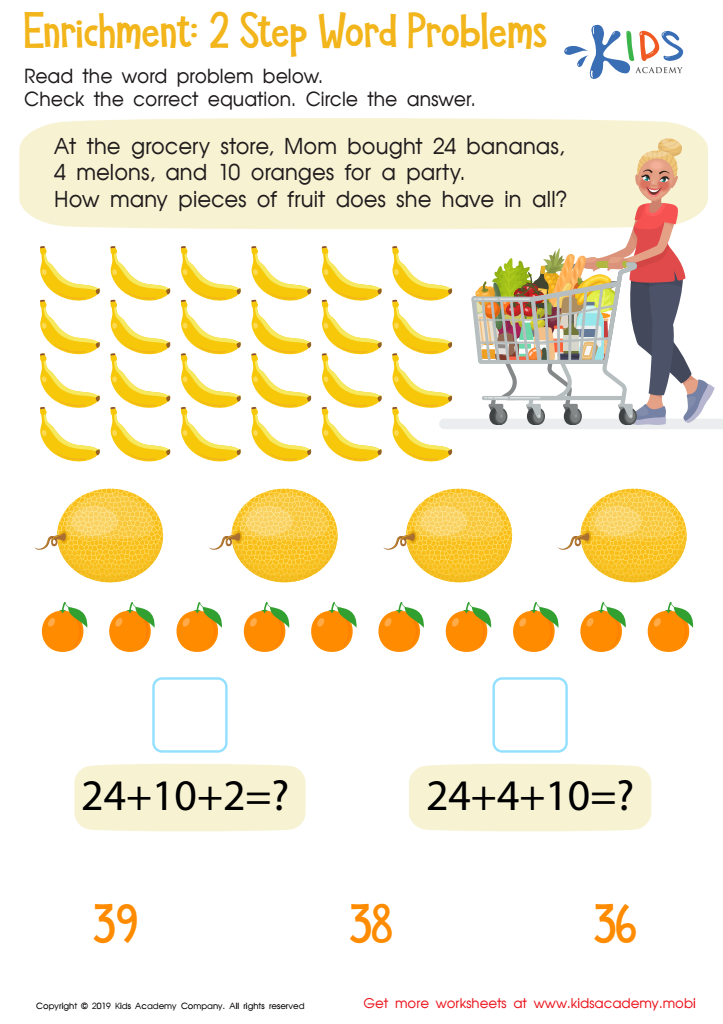
Enrichment -2 Step Word Problems Worksheet
 Assign to My Students
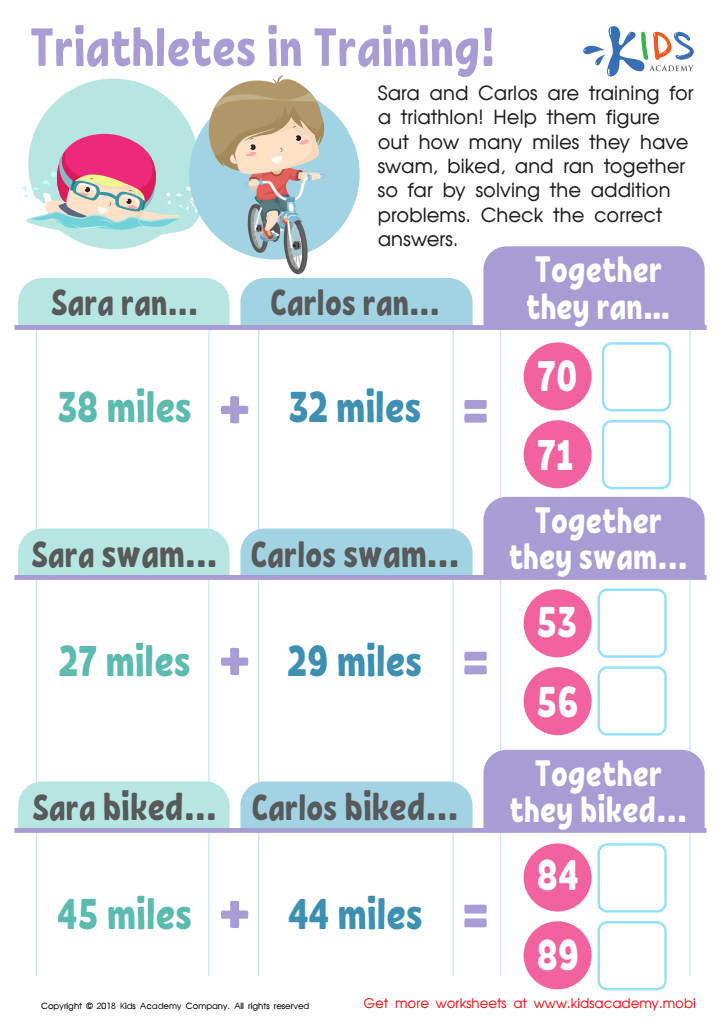
Triathletes in Training Worksheet
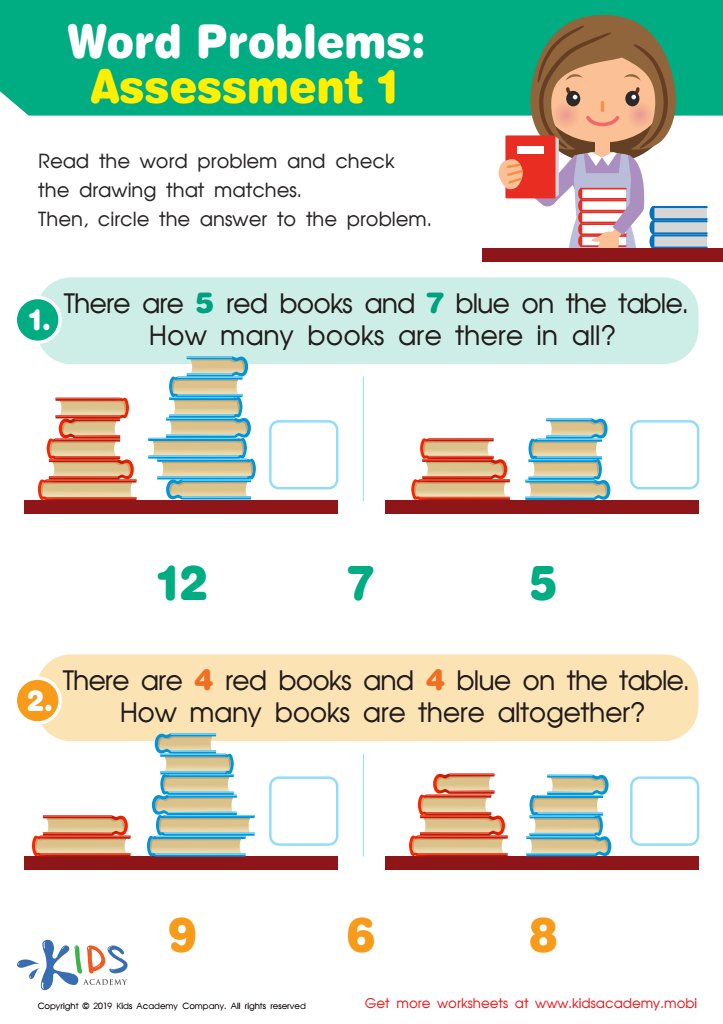
Word Problems: Assessment 1 Worksheet
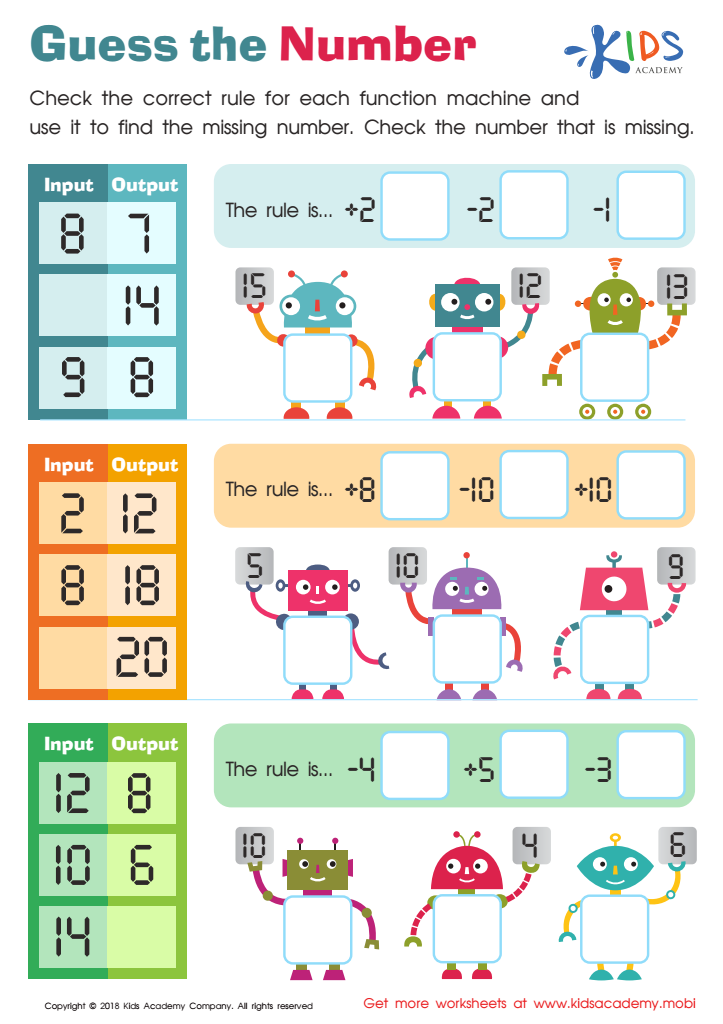
Guess the Number Worksheet
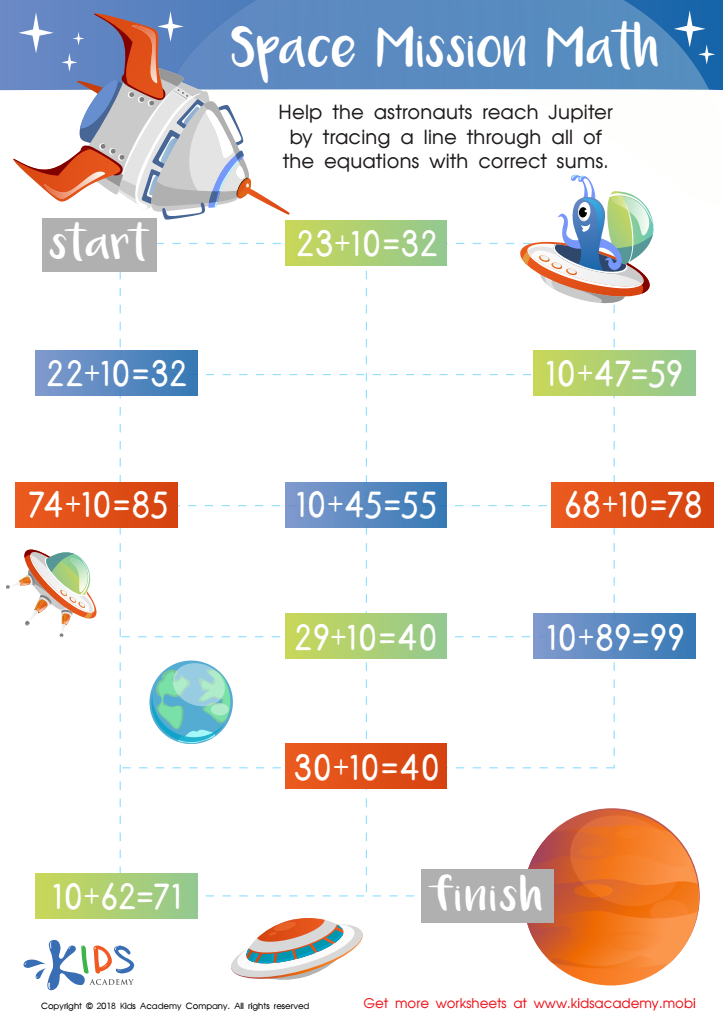
Space Mission Math Worksheet
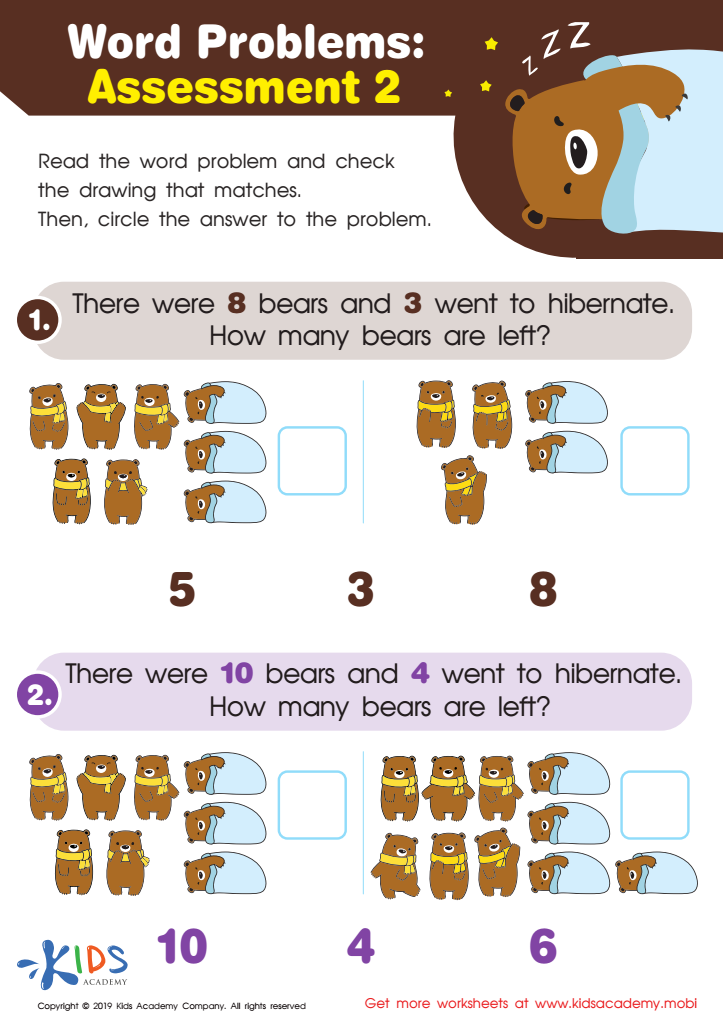
Word Problems: Assessment 2 Worksheet
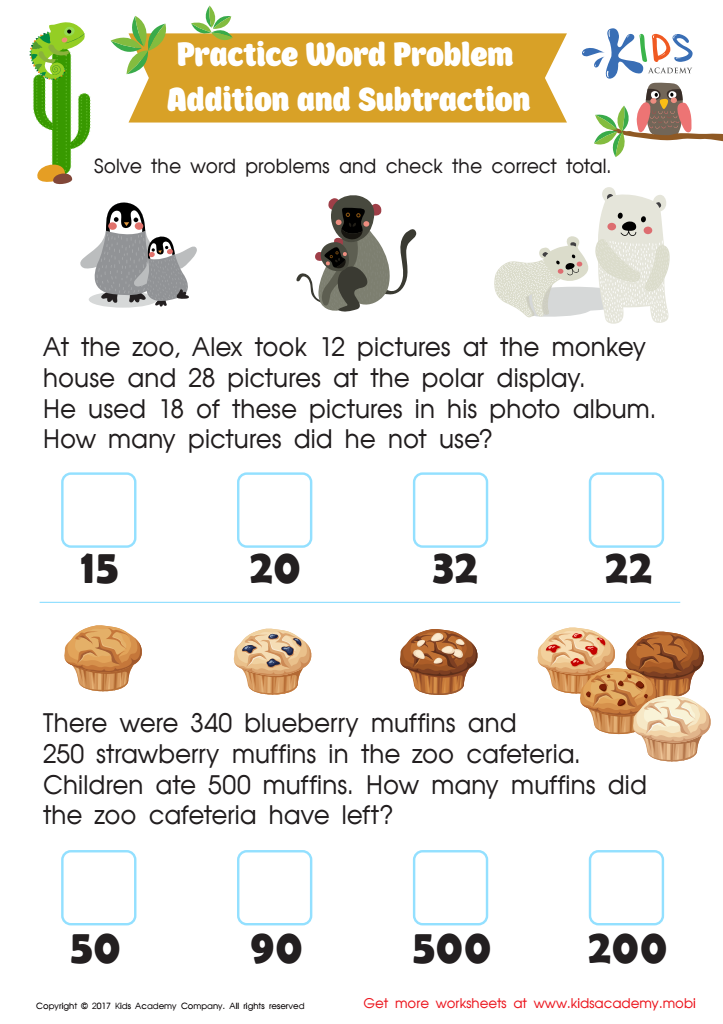
Addition and Subtraction: Word Problems Worksheet
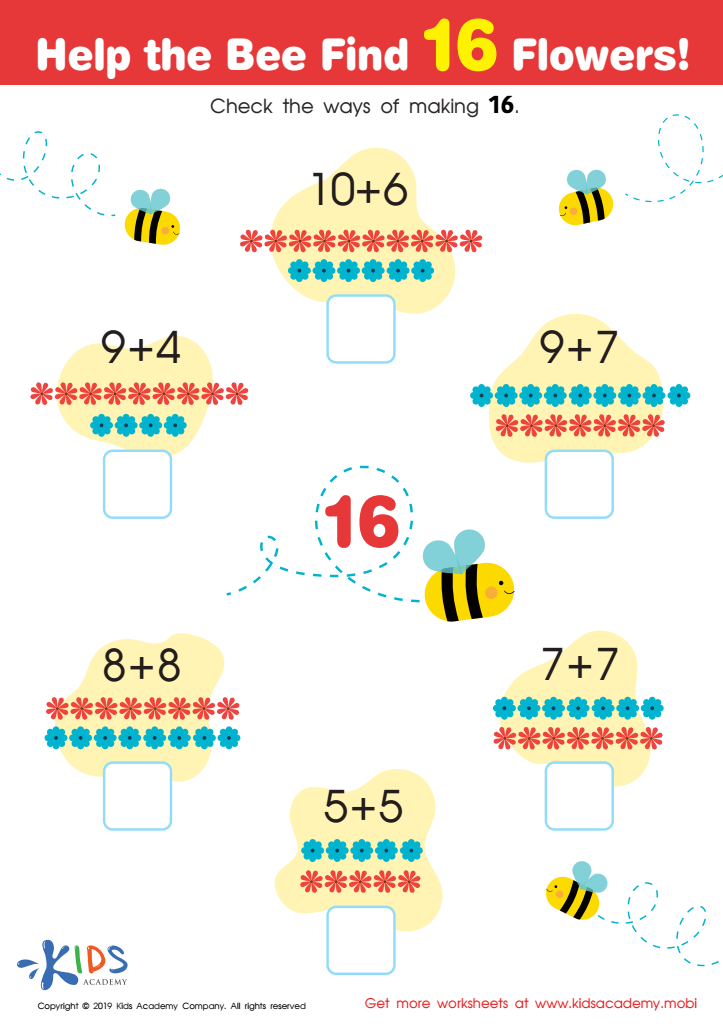
Help the Bee Find 16 Flowers Worksheet
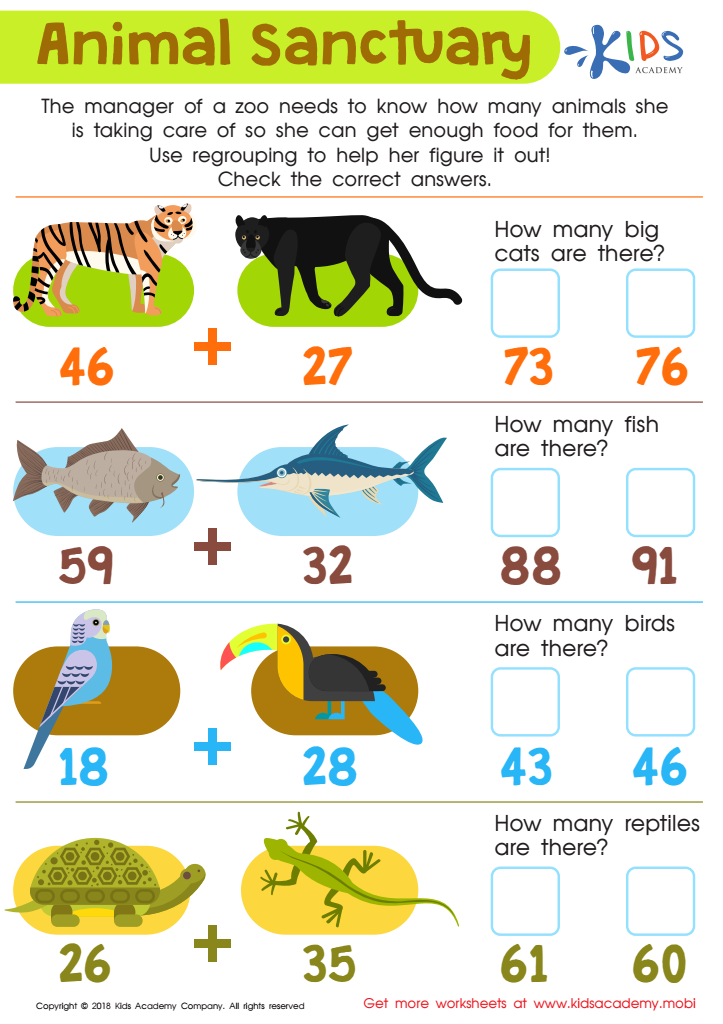
Animal Sanctuary Worksheet








Parents and teachers should prioritize logical reasoning involving addition and subtraction for children aged 6-7, as it forms a foundational skill critical for lifelong learning. At this age, children transition from concrete understanding of numbers to more abstract reasoning. Integrating logical reasoning with arithmetic helps them develop problem-solving skills, which are applicable in various scenarios beyond mathematics.
Engaging in activities that emphasize reasoning encourages children to understand the 'why' behind math operations, moving them beyond rote memorization. This deepened understanding fosters confidence and independence, enabling them to tackle more complex math problems in the future. Additionally, students learn to approach problems systematically, improving their critical thinking and analytical skills, which are vital in today’s information-rich world.
Moreover, enhancing logical reasoning through addition and subtraction cultivates persistence and resilience, as children learn to approach challenges methodically and develop strategies for overcoming obstacles. This holistic approach aligns with many educational standards, promoting not just academic success, but also thorough mathematical fluency and readiness for future learning. Support and engagement from parents and teachers in this formative stage sets the groundwork for students’ overall success in mathematics and other disciplines.








