Basic Math Skills Addition Worksheets for Ages 6-7 - Page 3
52 filtered results
-
From - To
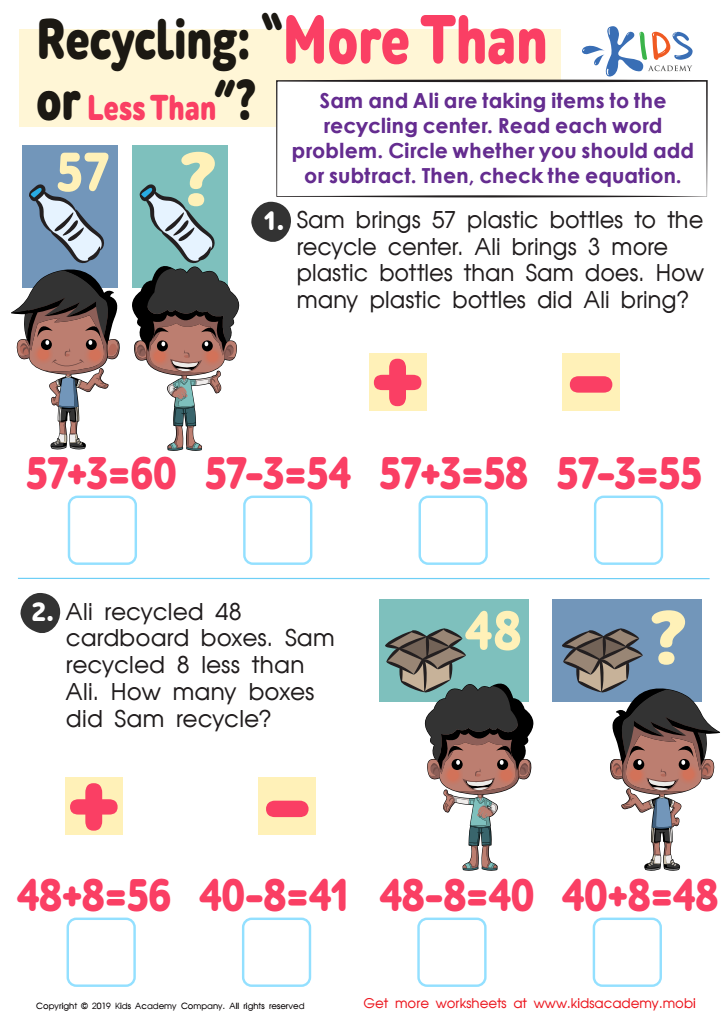
Recycling - More or Less Worksheet
 Assign to My Students
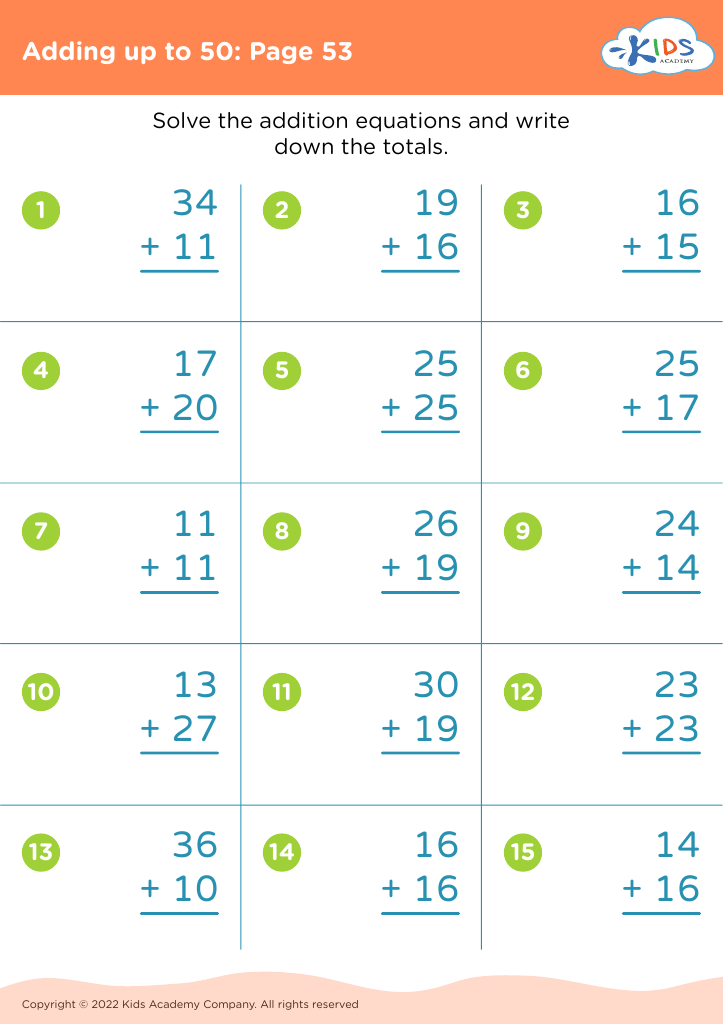
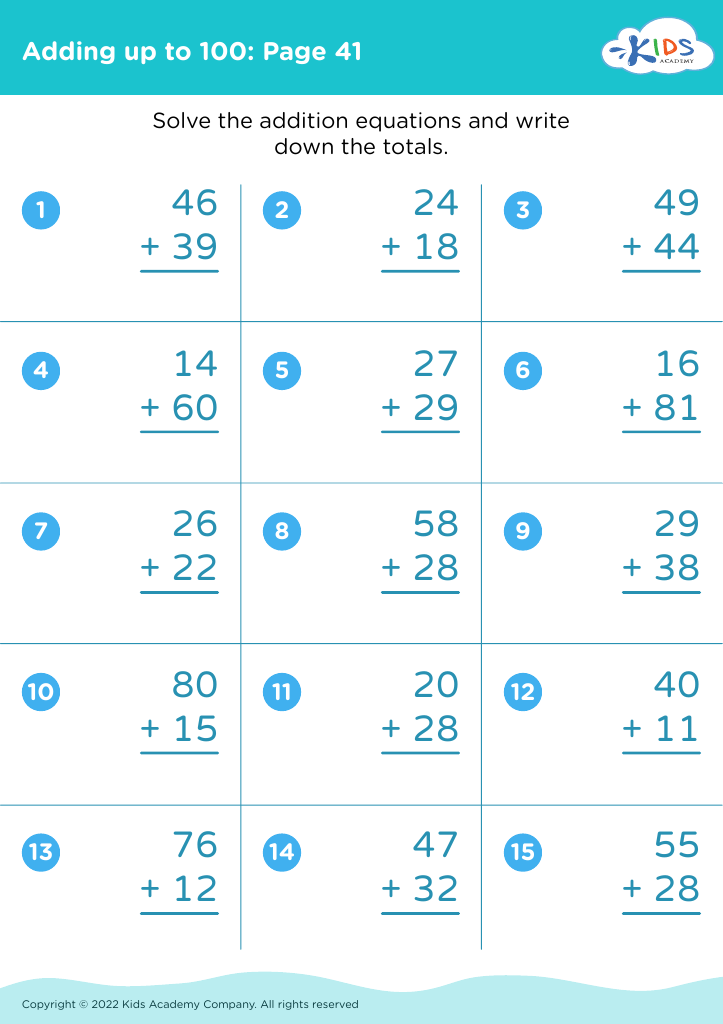
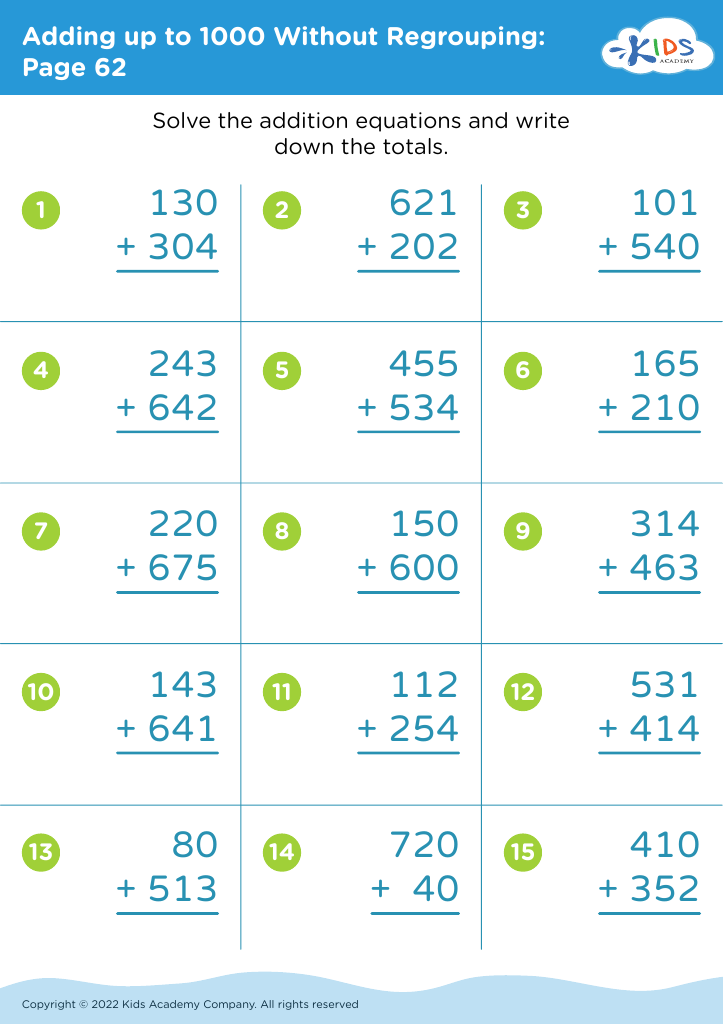


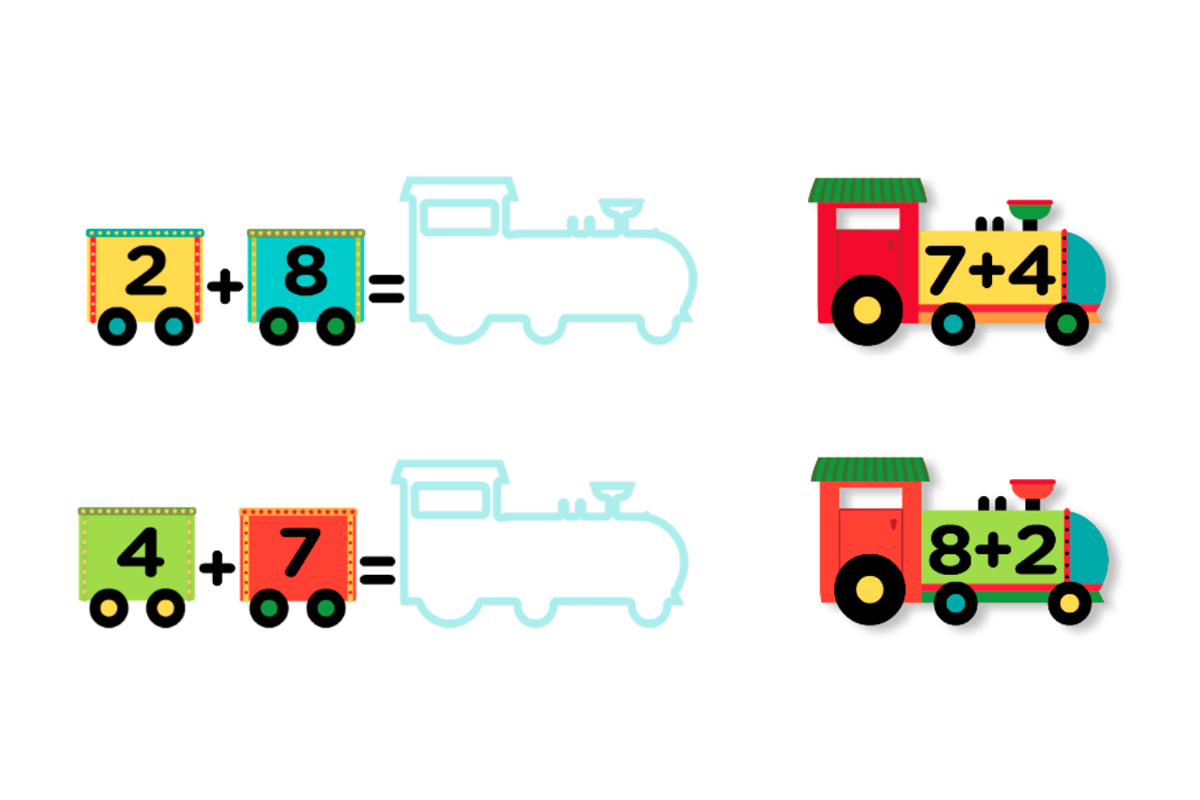





Parents and teachers must prioritize basic math skills, such as addition, for children aged 6-7 because it sets a strong foundation for future academic success and everyday problem-solving abilities. Mastering addition at this age improves numerical literacy, making it easier for children to grasp more complex concepts in later grades, such as subtraction, multiplication, and division. This foundational knowledge facilitates confidence and reduces math anxiety, fostering a positive attitude towards the subject.
Moreover, early proficiency in addition enhances logical thinking and promotes cognitive development. By working with numbers, children learn how to think critically, recognize patterns, and develop strategies for problem-solving, skills that are crucial across various disciplines beyond math.
Developing strong addition skills also has practical everyday benefits. Whether calculating change, scheduling time, or understanding measurements, these skills directly apply to real-life scenarios, making children more independent and resourceful.
In short, focusing on basic addition nurtures essential cognitive skills, ensures academic readiness, and equips children with valuable life skills. Therefore, parents and teachers have a vested interest in the early development of math abilities to contribute to a child's well-rounded education and overall competence.








