Filters

31 filtered results

Clear all filters
Favorites
With answer key
Interactive

31 filtered results

Difficulty Level

Grade


Our Shape Recognition Addition Worksheets for ages 6-7 seamlessly combine math fundamentals with shape identification to create an engaging learning experience. Tailored for first graders, these worksheets enhance addition skills while familiarizing young learners with various geometric shapes. Each activity offers captivating exercises designed to strengthen critical thinking and boost shape recognition. With vibrant visuals and fun prompts, kids stay motivated and enjoy the learning process. Ideal for both classroom settings and home practice, our worksheets provide a solid foundation in both math and geometry, helping children develop essential skills for their academic journey. Download now to make learning fun and effective!
Check out this FREE Trial Lesson on Addition for age 6-7!

Exactly the Same, or Not

Favorites
With answer key
Interactive
  • 6-7
  • Shape Recognition
  • Addition
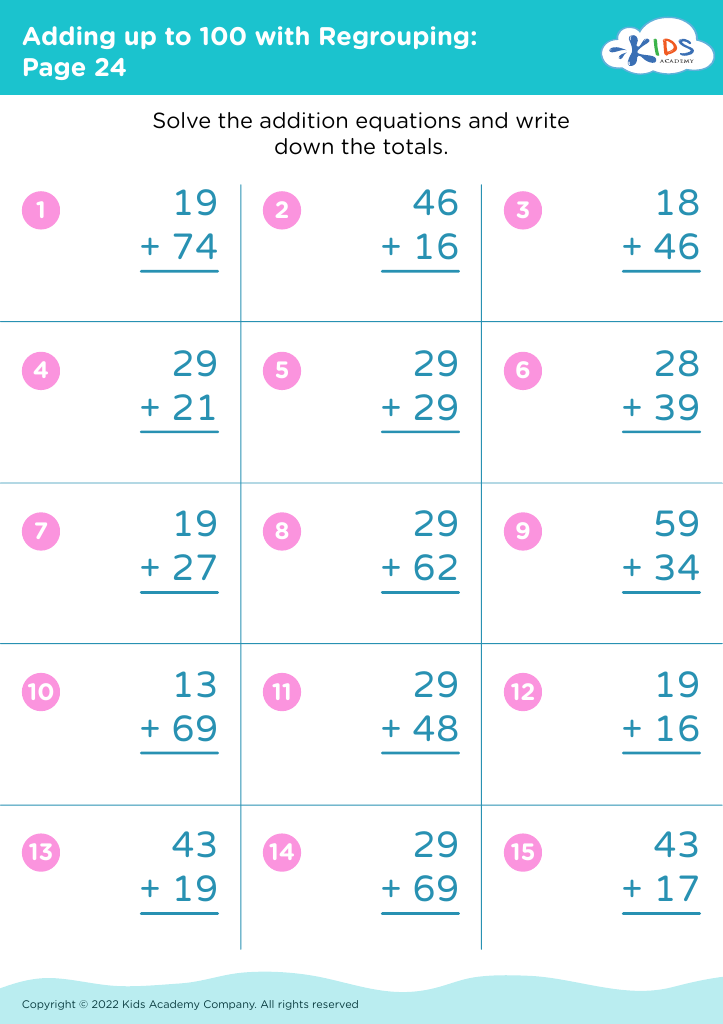
Adding up to 100 with Regrouping: Page 24
Worksheet
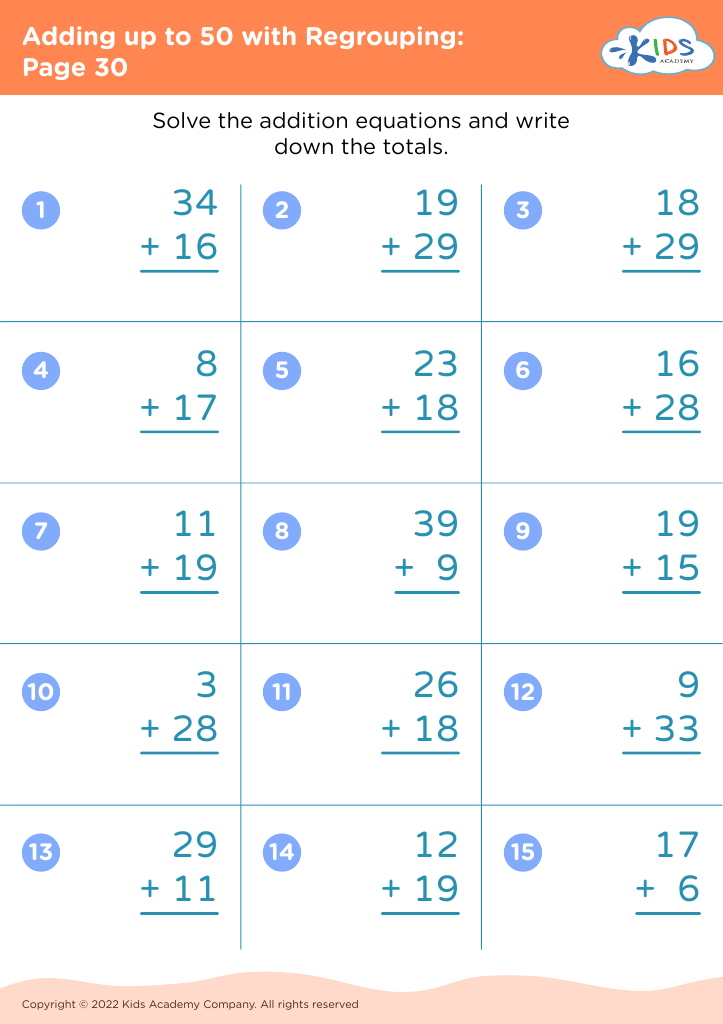
Adding up to 50 with Regrouping: Page 30
Worksheet
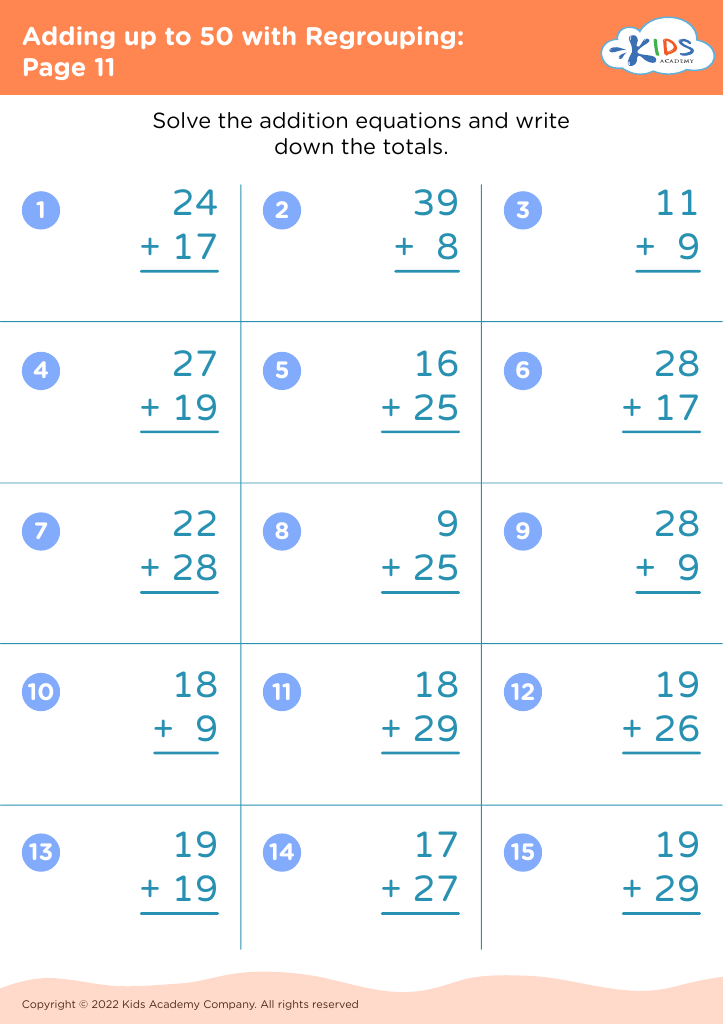
Adding up to 50 with Regrouping: Page 11
Worksheet
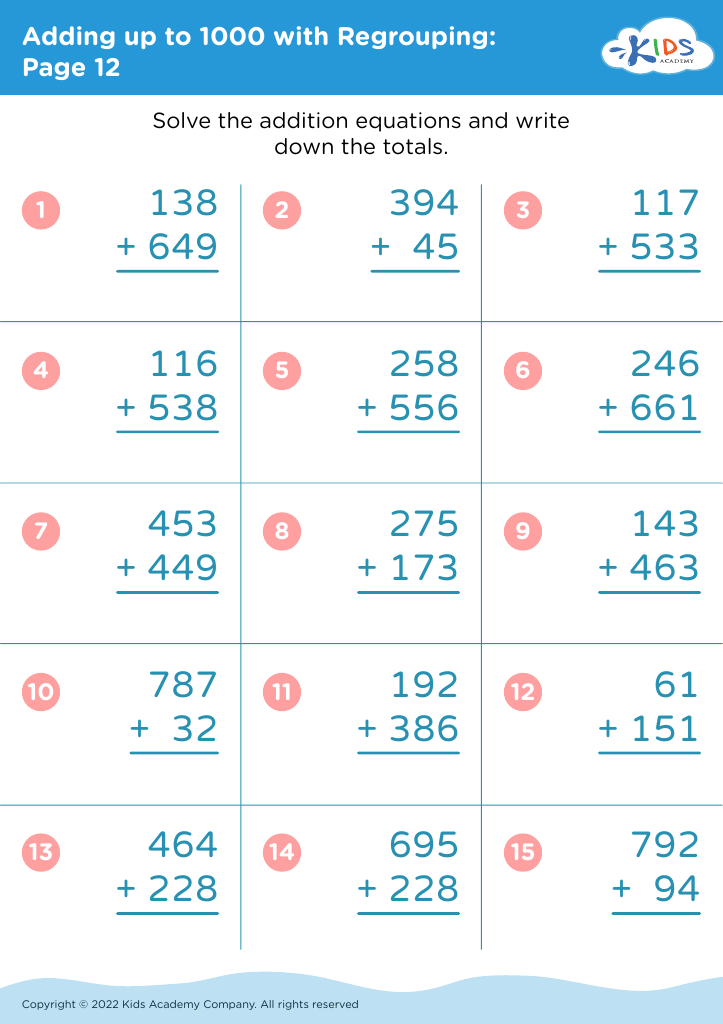
Adding up to 1000 with Regrouping: Page 12
Worksheet
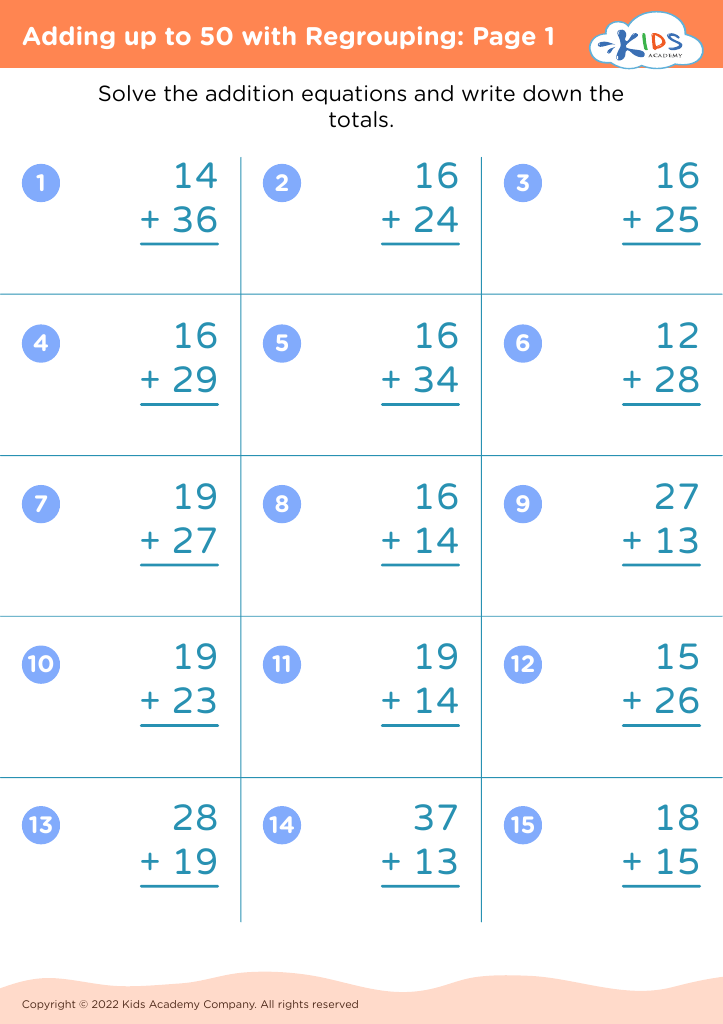
Adding up to 50 with Regrouping: Page 1
Worksheet
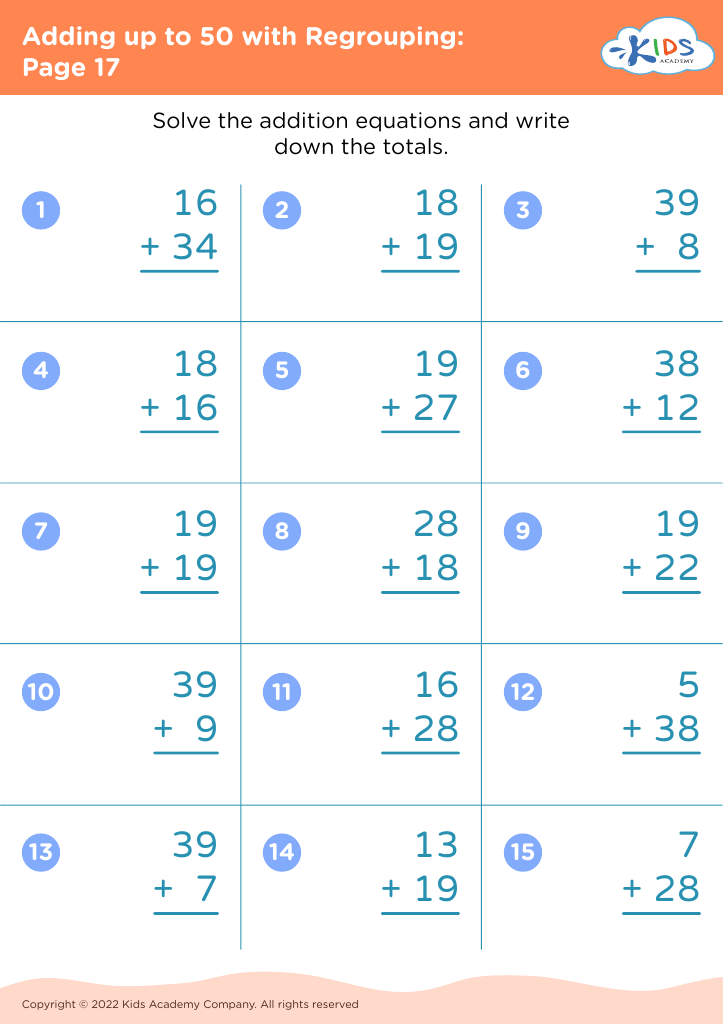
Adding up to 50 with Regrouping: Page 17
Worksheet
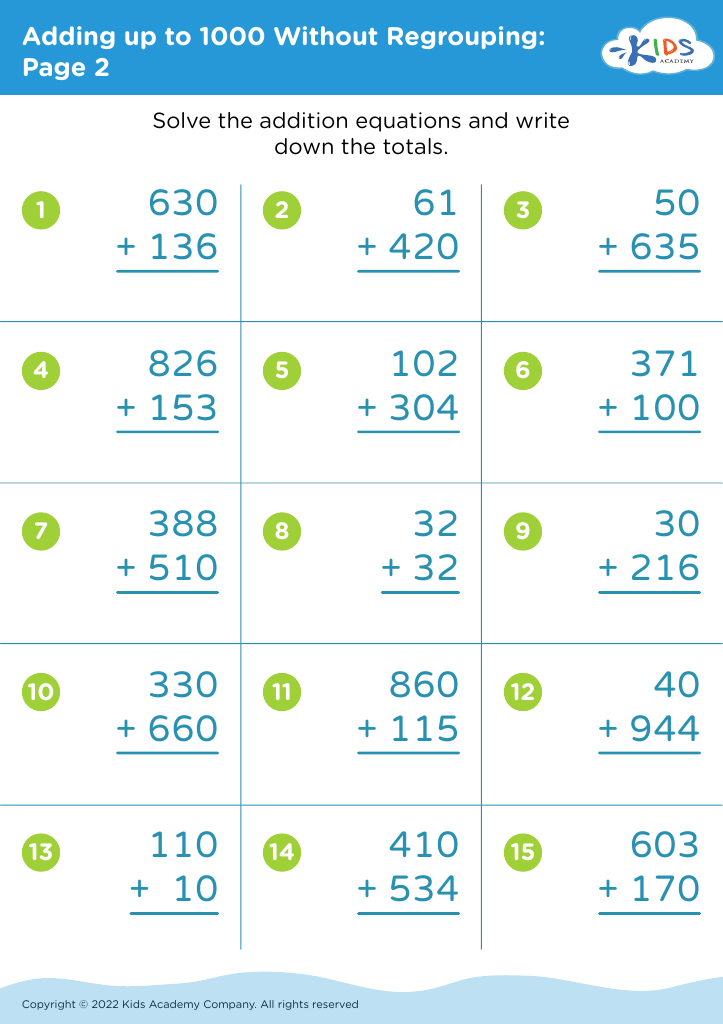
Adding up to 1000 Without Regrouping: Page 2
Worksheet
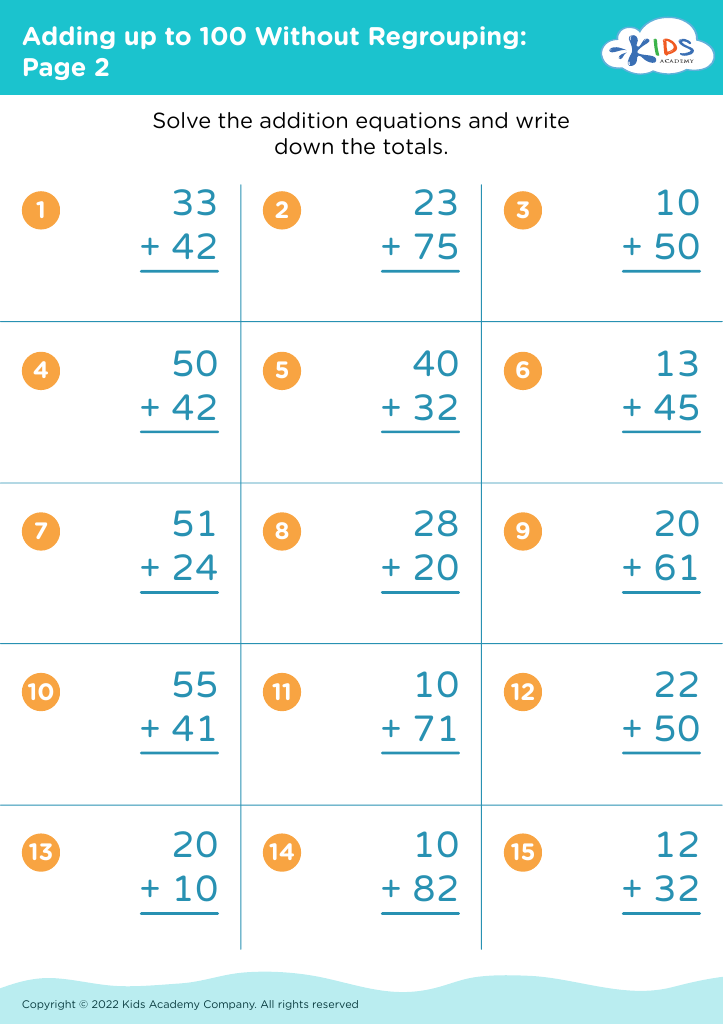
Adding up to 100 Without Regrouping: Page 2
Worksheet
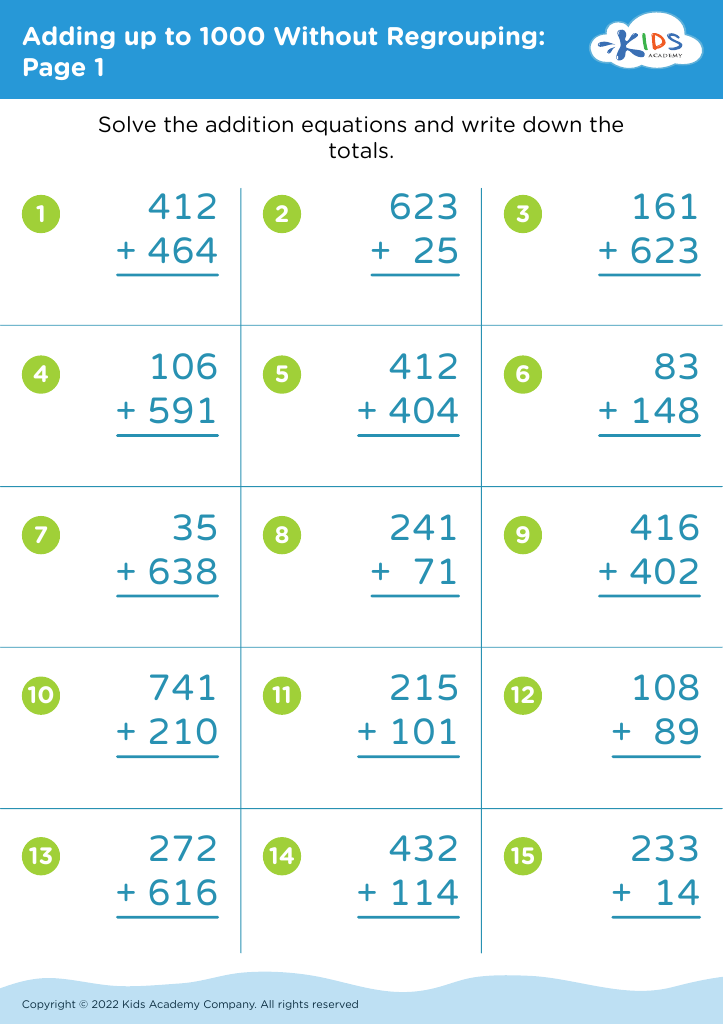
Adding up to 1000 Without Regrouping: Page 1
Worksheet
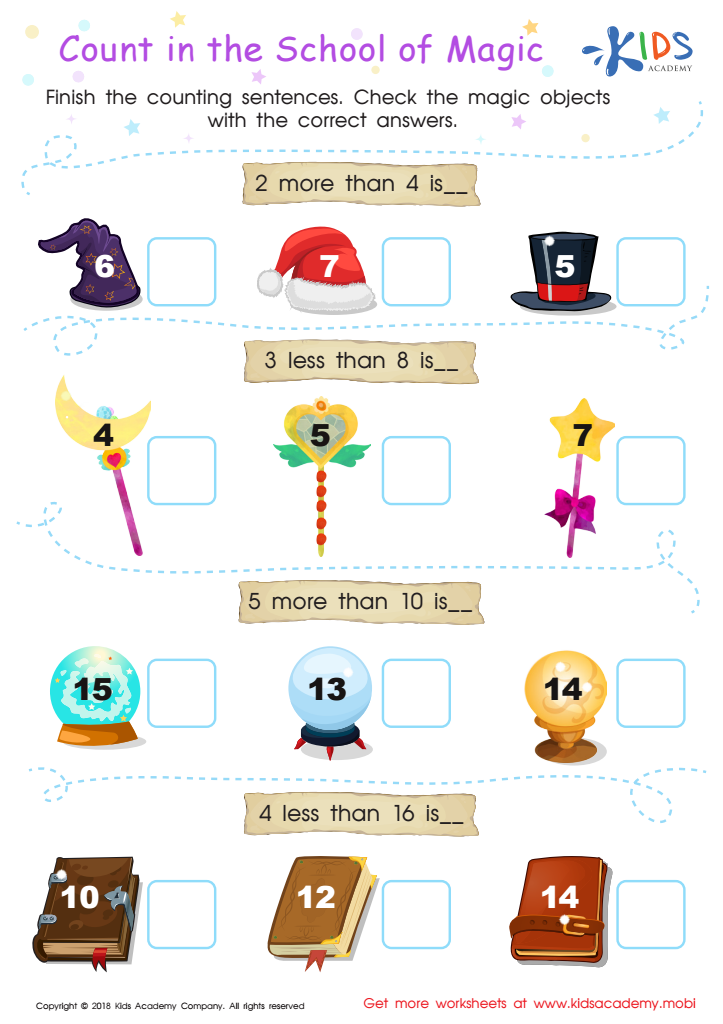
Count in the School of Magic Worksheet

Count in the School of Magic Worksheet

Your math learners can explore the School of Magic with this worksheet. They'll read equations with addition and subtraction numbers under 20, count back and forth to find the answer, then complete the counting sentences. Fun pictures and easy accuracy make it an enjoyable and successful learning experience.
Count in the School of Magic Worksheet
Worksheet
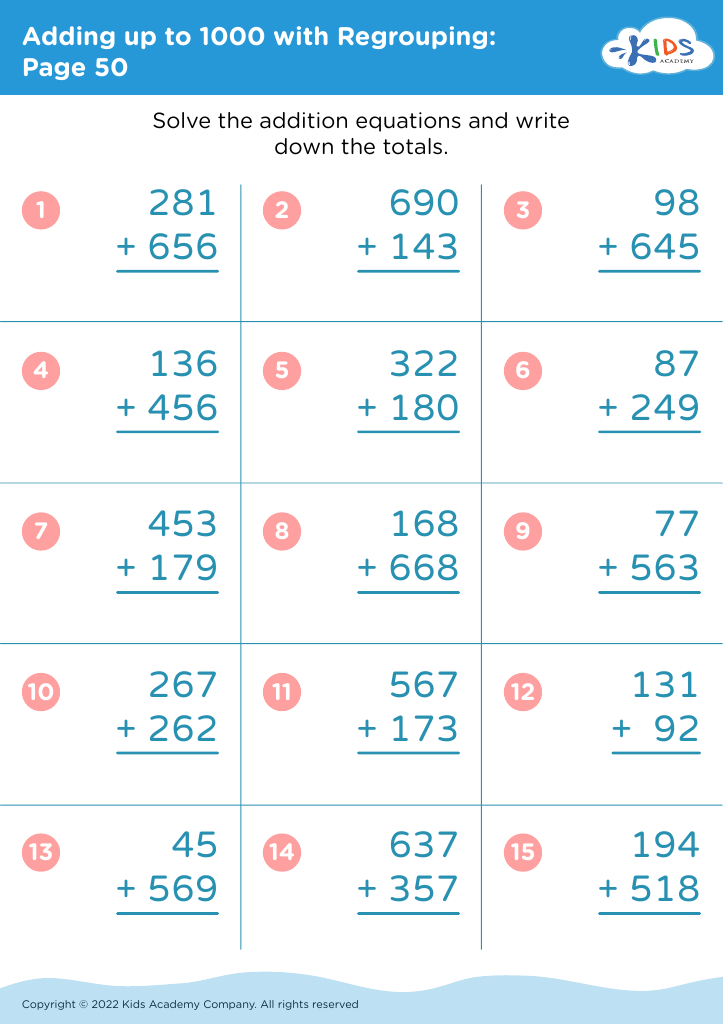
Adding up to 1000 with Regrouping: Page 50
Worksheet
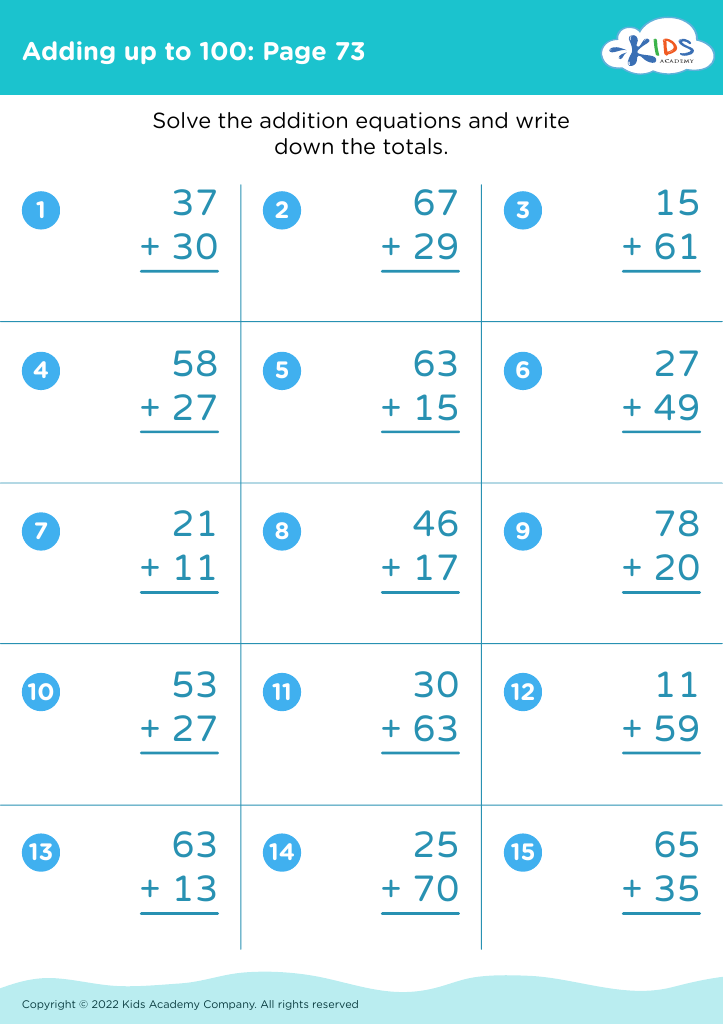
Adding up to 100: Page 73

Adding up to 100: Page 73

Adding up to 100: Page 73
Worksheet
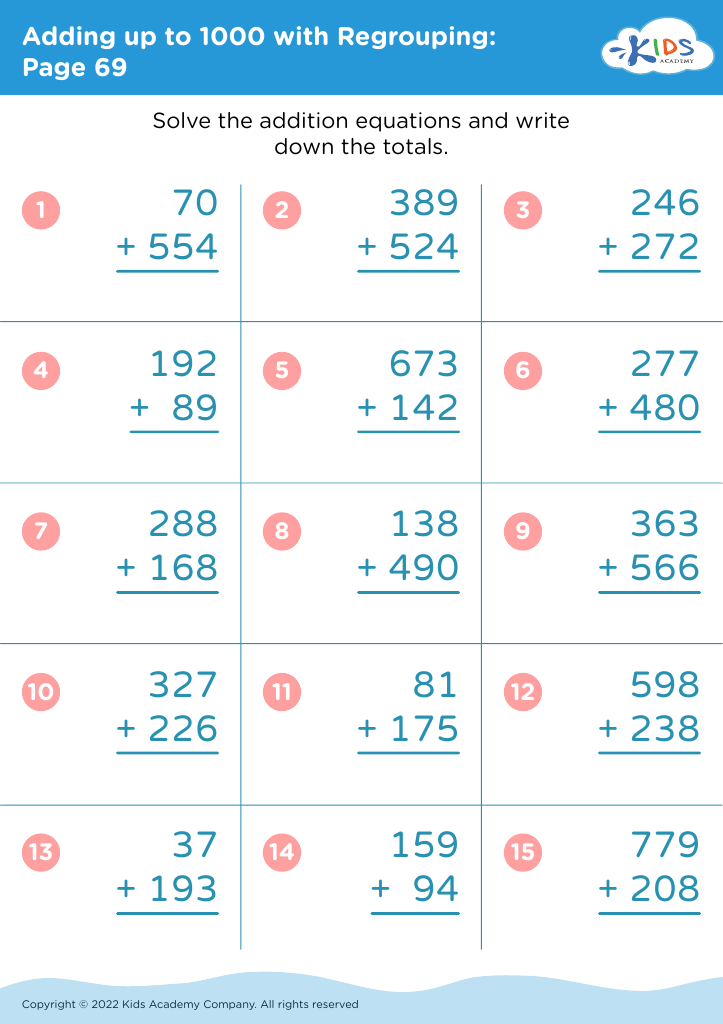
Adding up to 1000 with Regrouping: Page 69
Worksheet
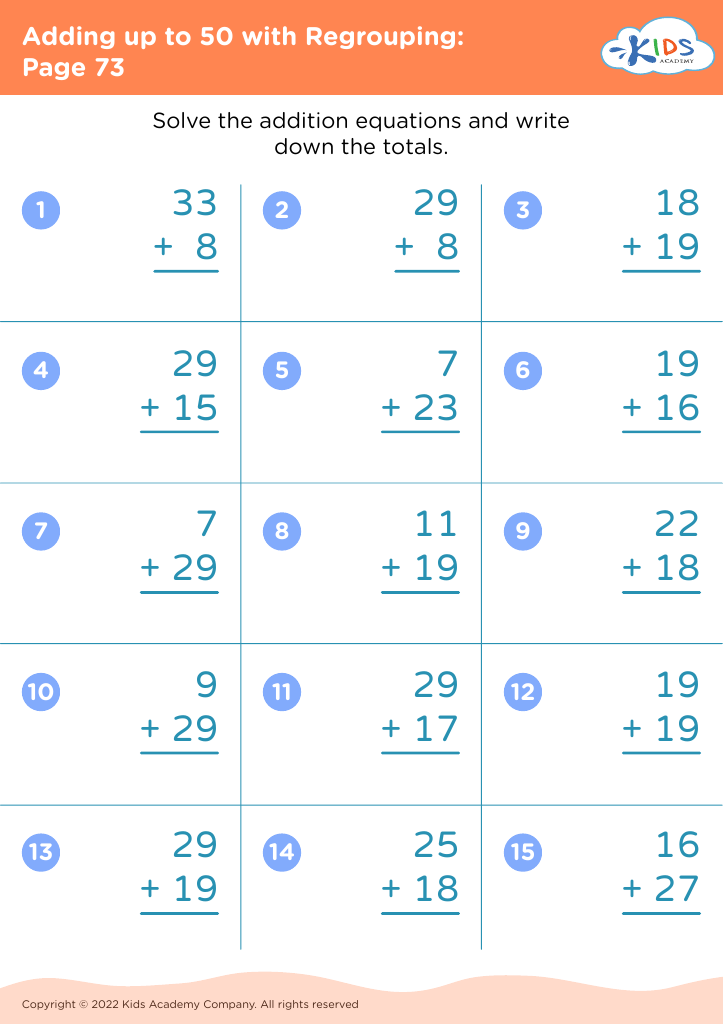
Adding up to 50 with Regrouping: Page 73
Worksheet
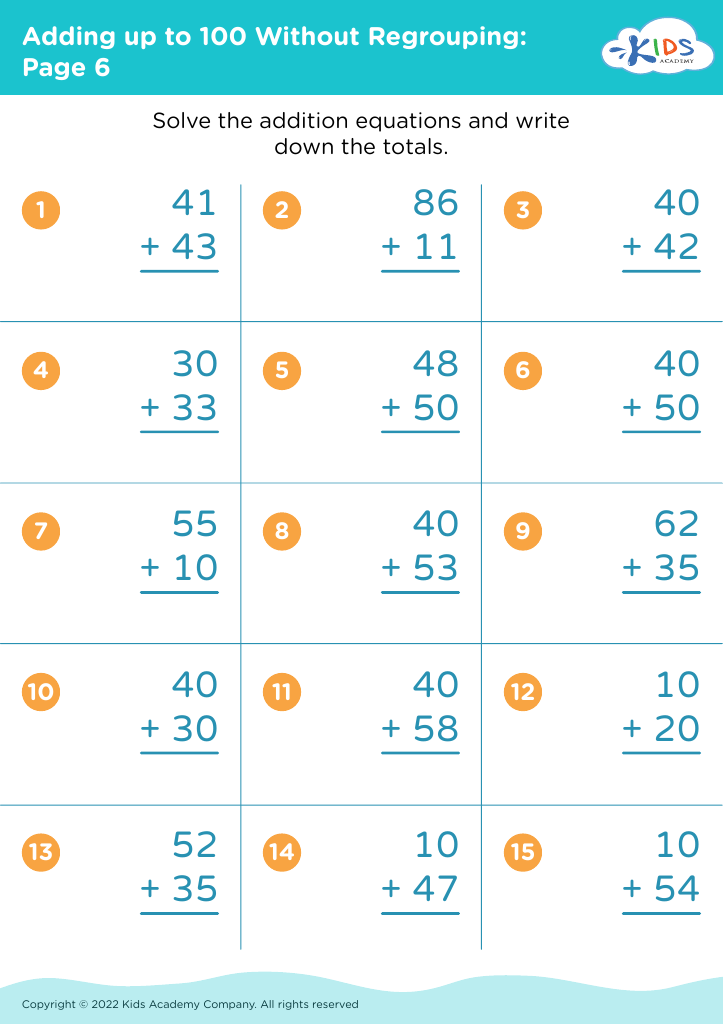
Adding up to 100 Without Regrouping: Page 6
Worksheet
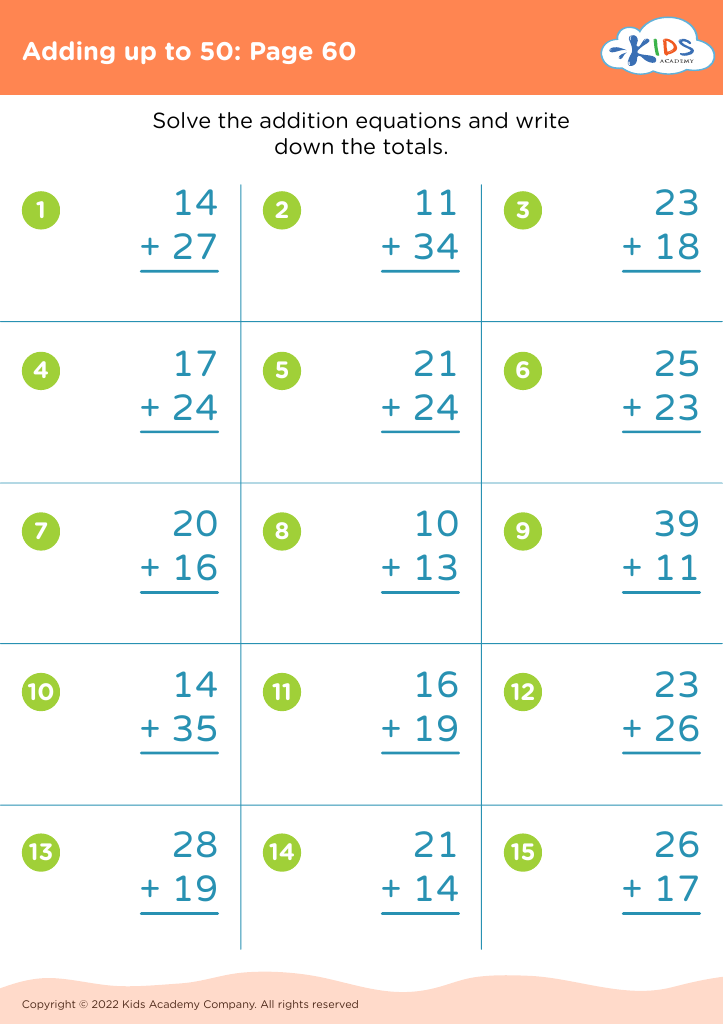
Adding up to 50: Page 60

Adding up to 50: Page 60

Adding up to 50: Page 60
Worksheet
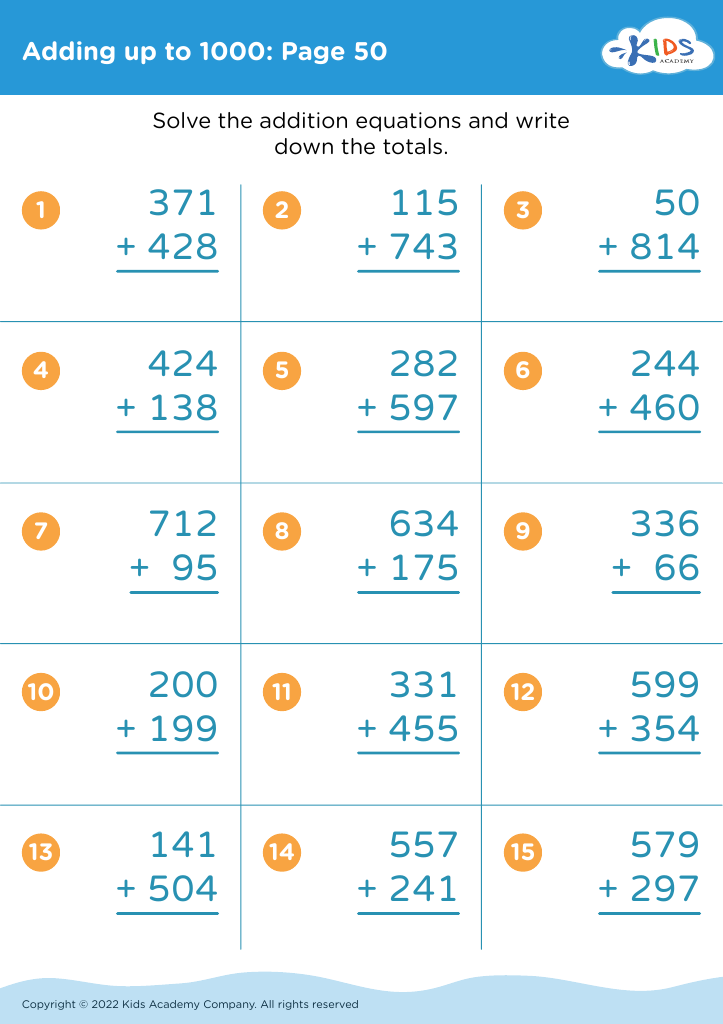
Adding up to 1000: Page 50

Adding up to 1000: Page 50

Adding up to 1000: Page 50
Worksheet
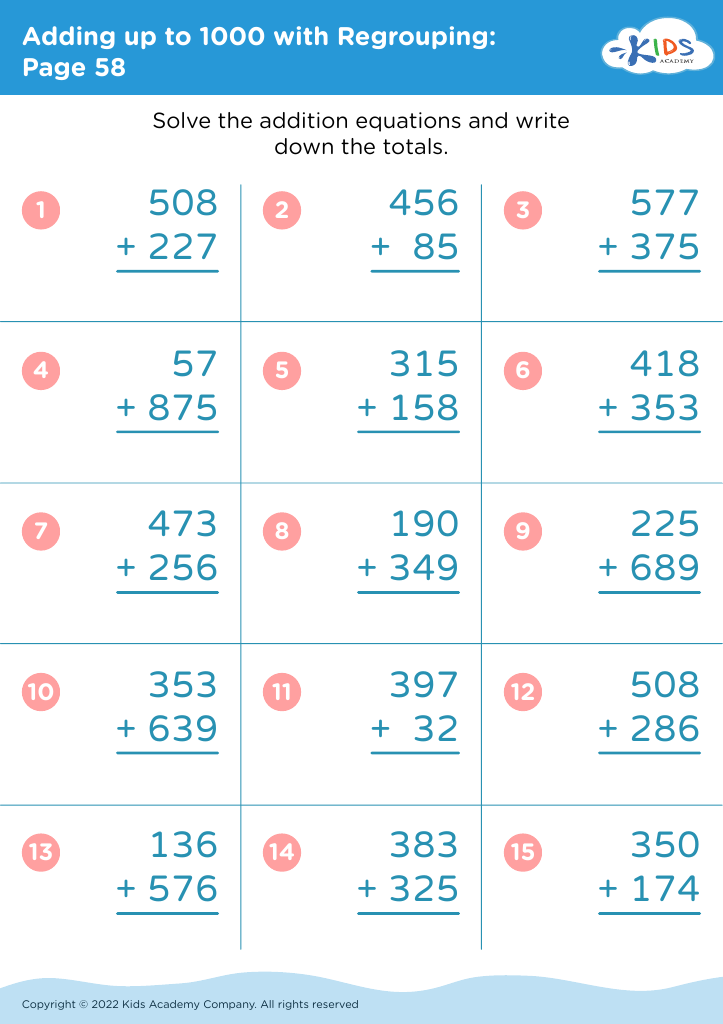
Adding up to 1000 with Regrouping: Page 58
Worksheet
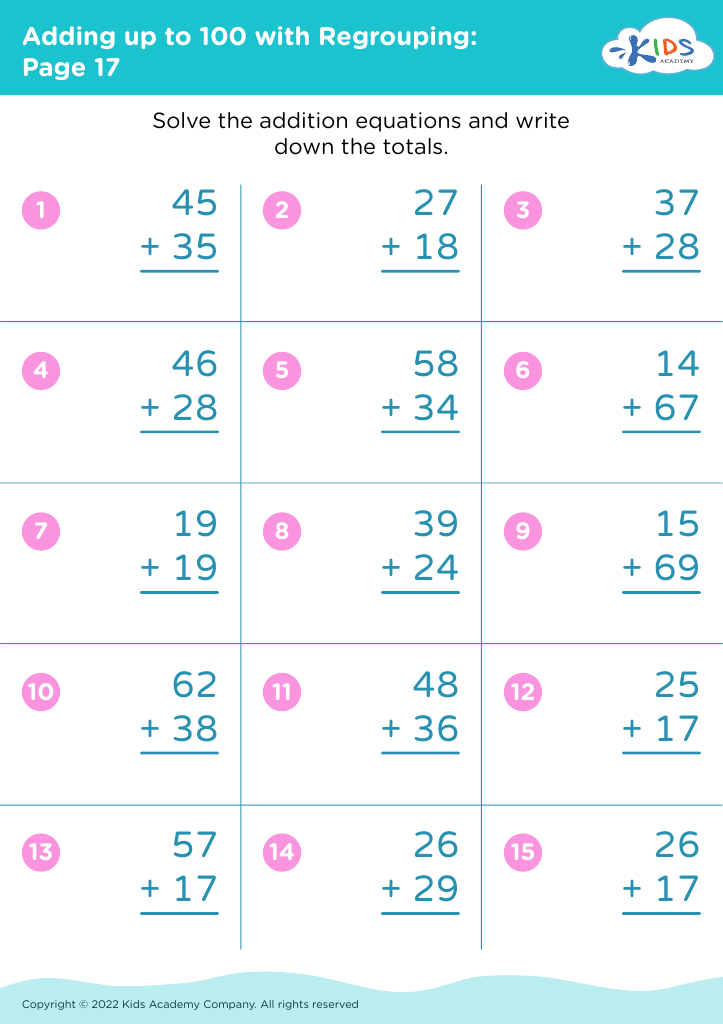
Adding up to 100 with Regrouping: Page 17
Worksheet
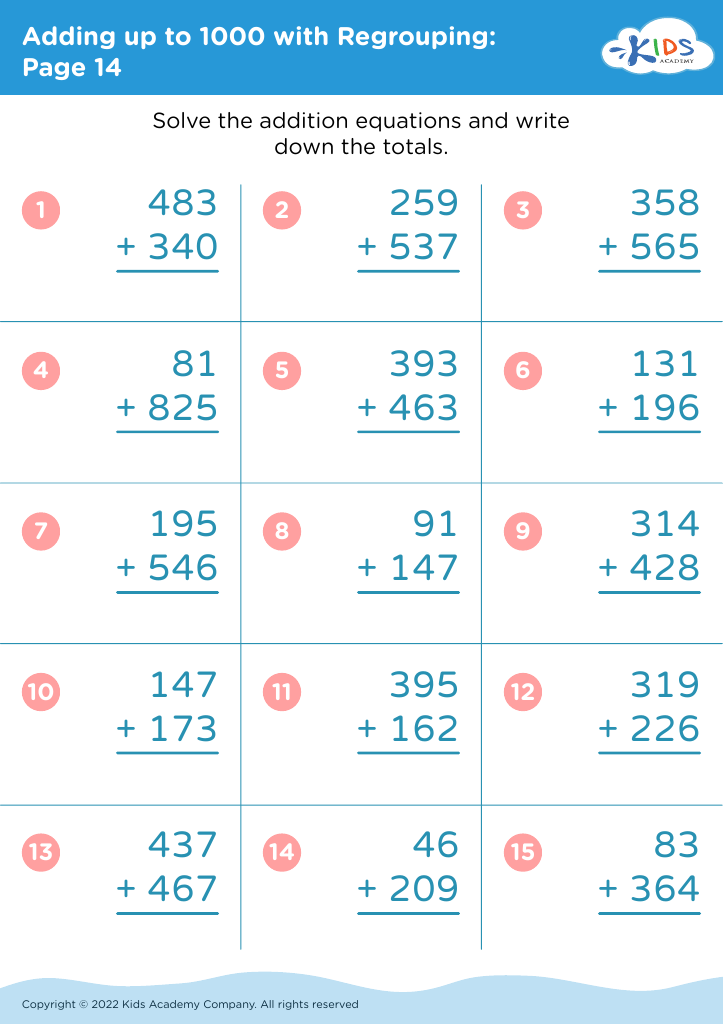
Adding up to 1000 with Regrouping: Page 14
Worksheet
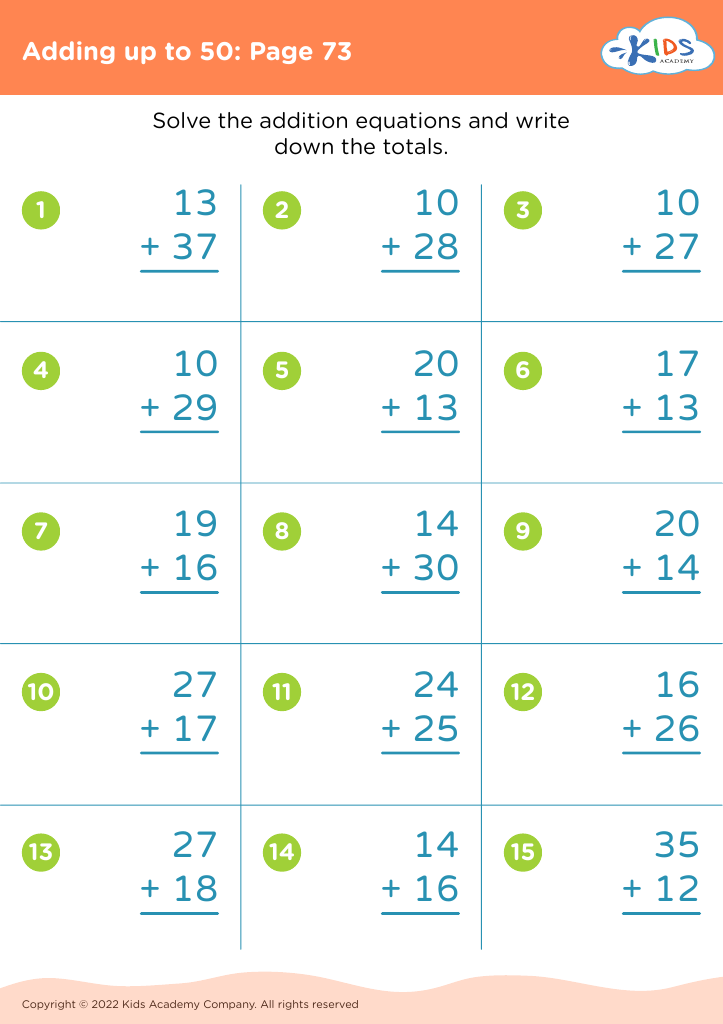
Adding up to 50: Page 73

Adding up to 50: Page 73

Adding up to 50: Page 73
Worksheet
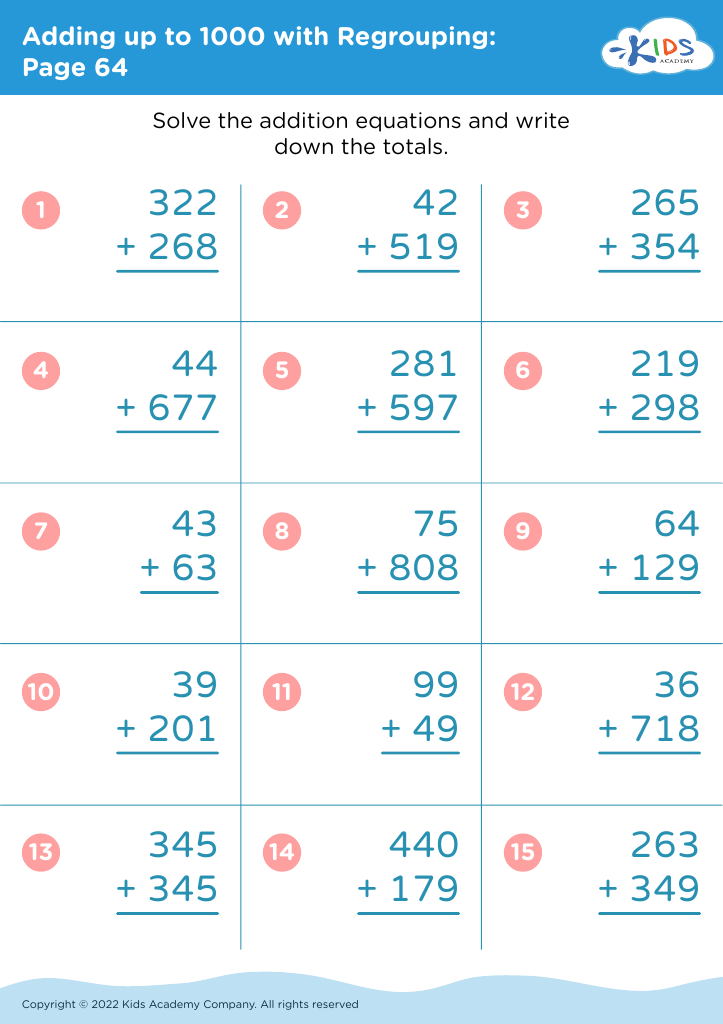
Adding up to 1000 with Regrouping: Page 64
Worksheet
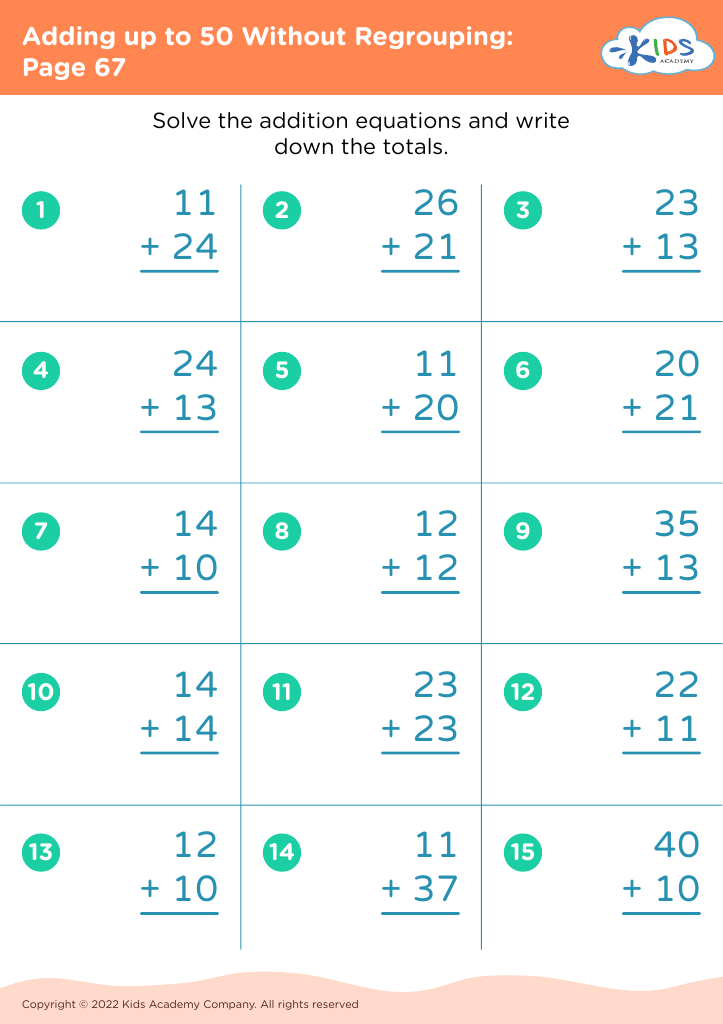
Adding up to 50 Without Regrouping: Page 67
Worksheet
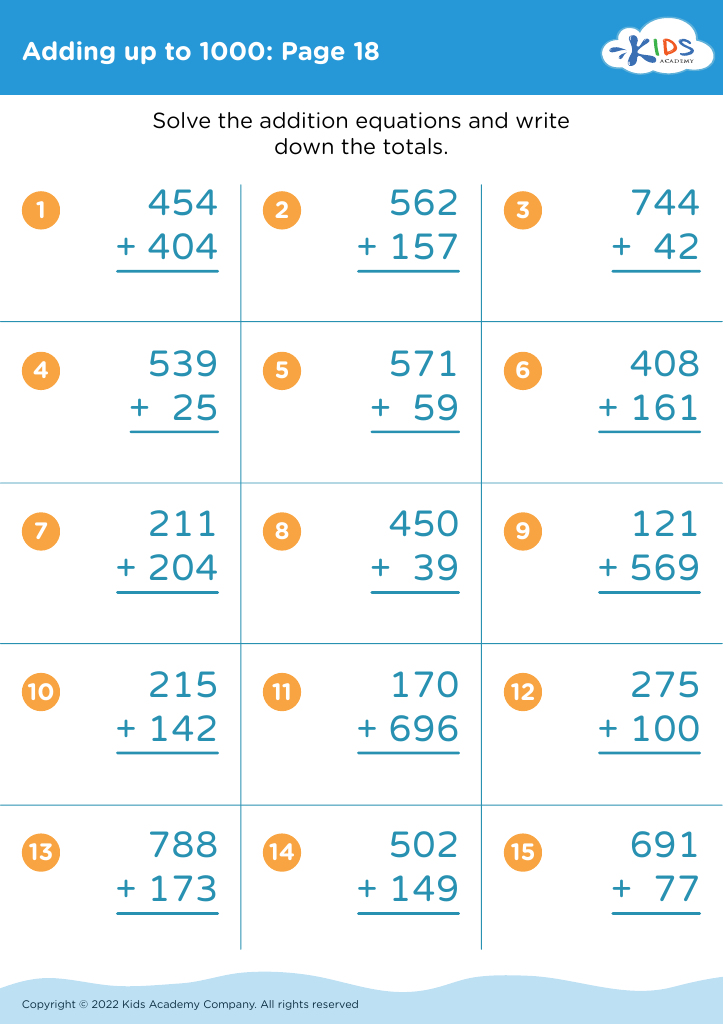
Adding up to 1000: Page 18

Adding up to 1000: Page 18

Adding up to 1000: Page 18
Worksheet


Shape recognition addition is a critical foundational skill for young learners, especially for children ages 6-7. Integrating shape recognition with addition helps reinforce multiple mathematical concepts simultaneously, making it a powerful educational tool. Firstly, shape recognition nurtures visual-spatial awareness, which is crucial for understanding geometric concepts and later, more complex structures. By identifying and distinguishing between shapes, children enhance their perceptive and cognitive abilities, laying the groundwork for advanced math skills.

Moreover, incorporating addition with shape recognition promotes a deeper understanding of numbers and calculations. Children learn to associate each shape with a numerical value, fostering an intuitive sense of quantity and numerical relationships. This integrated approach makes abstract concepts more tangible and enjoyable, as children often find visual and hands-on activities more engaging.

Teachers and parents who prioritize shape recognition addition are, therefore, helping to develop both critical thinking and problem-solving skills. This dual focus not only improves mathematical fluency but also boosts confidence, as children feel a sense of accomplishment mastering these concepts. Additionally, shape recognition is fundamental in everyday life, from reading maps to organizing space, making its practice beneficial beyond the classroom. By caring about shape recognition addition, educators and parents ensure that children build a solid, interconnected foundation in early math literacy.