Simplifying Fractions Addition Worksheets for Ages 6-7
18 filtered results
-
From - To
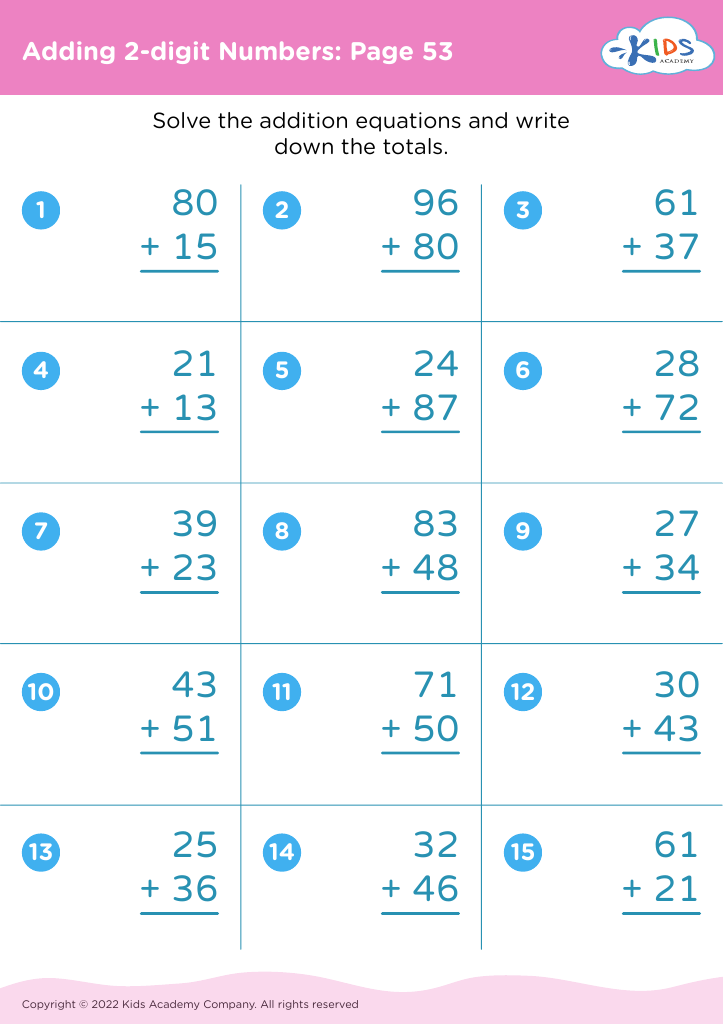
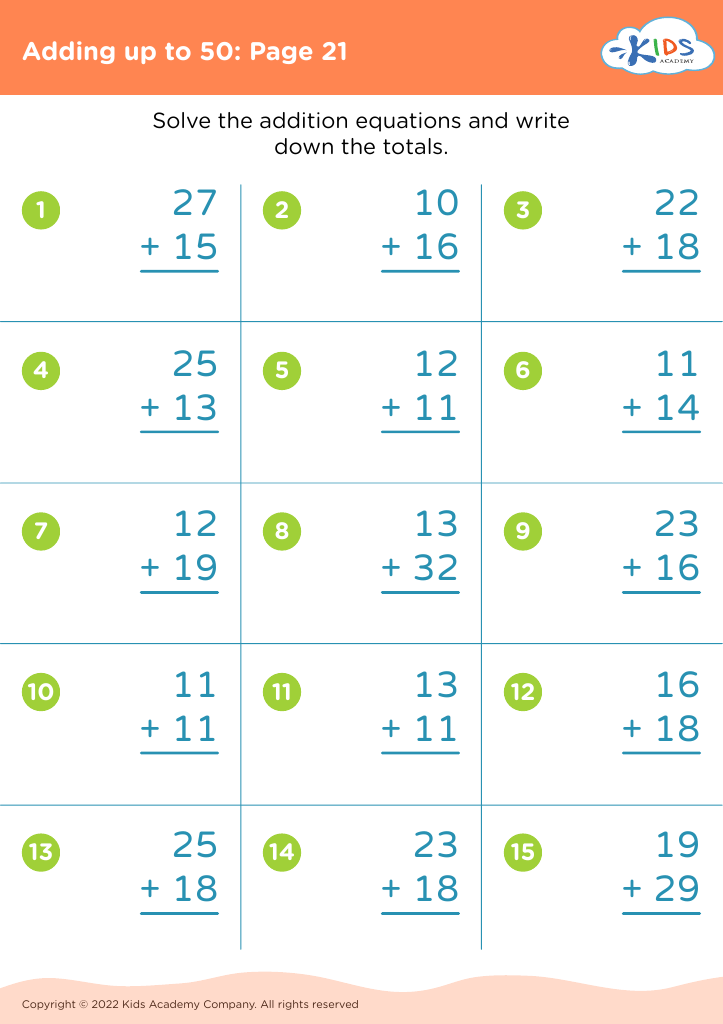
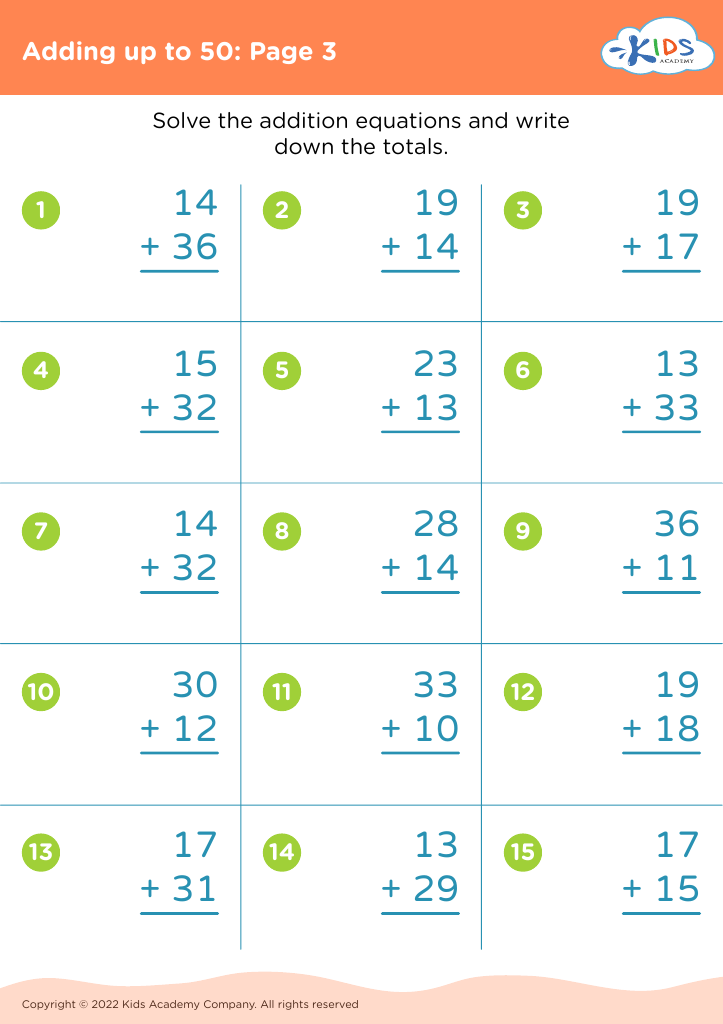
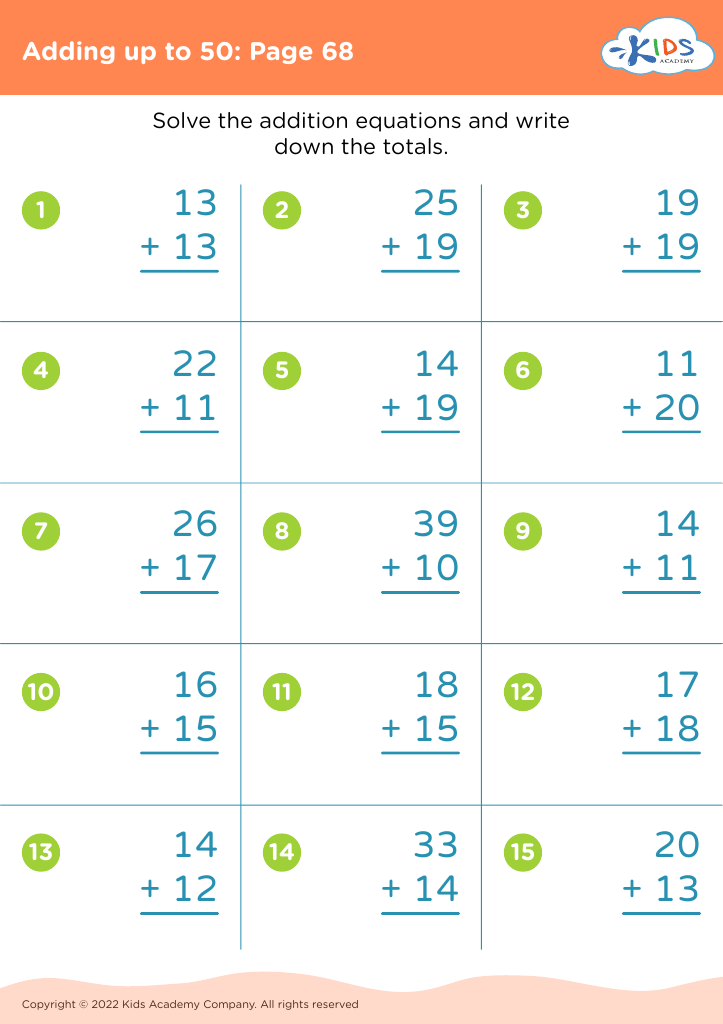
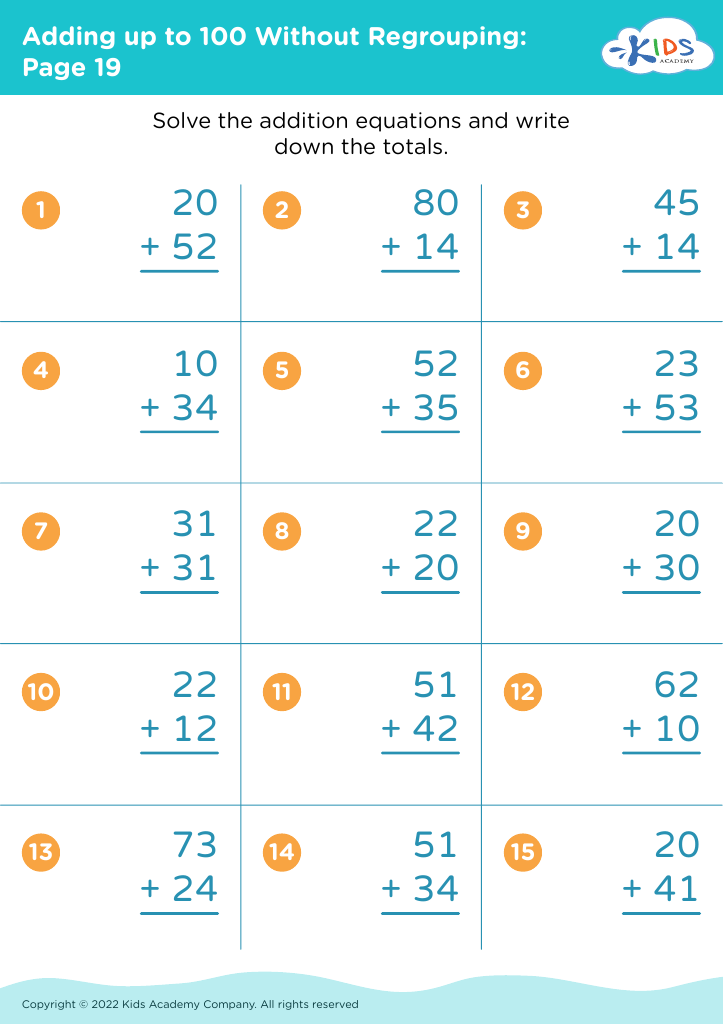
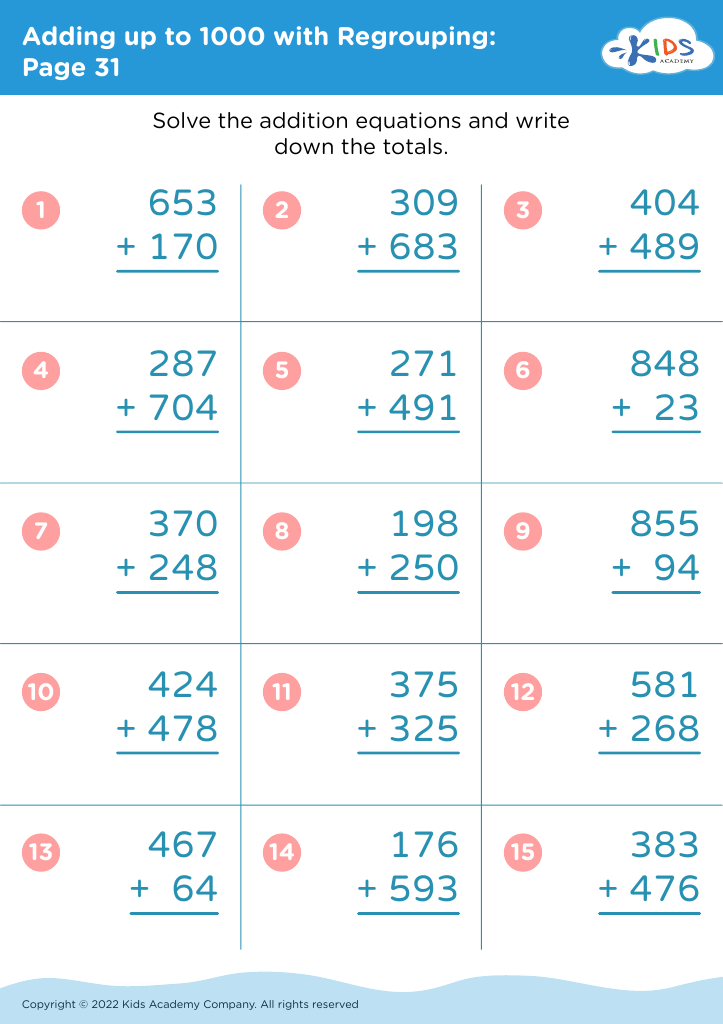
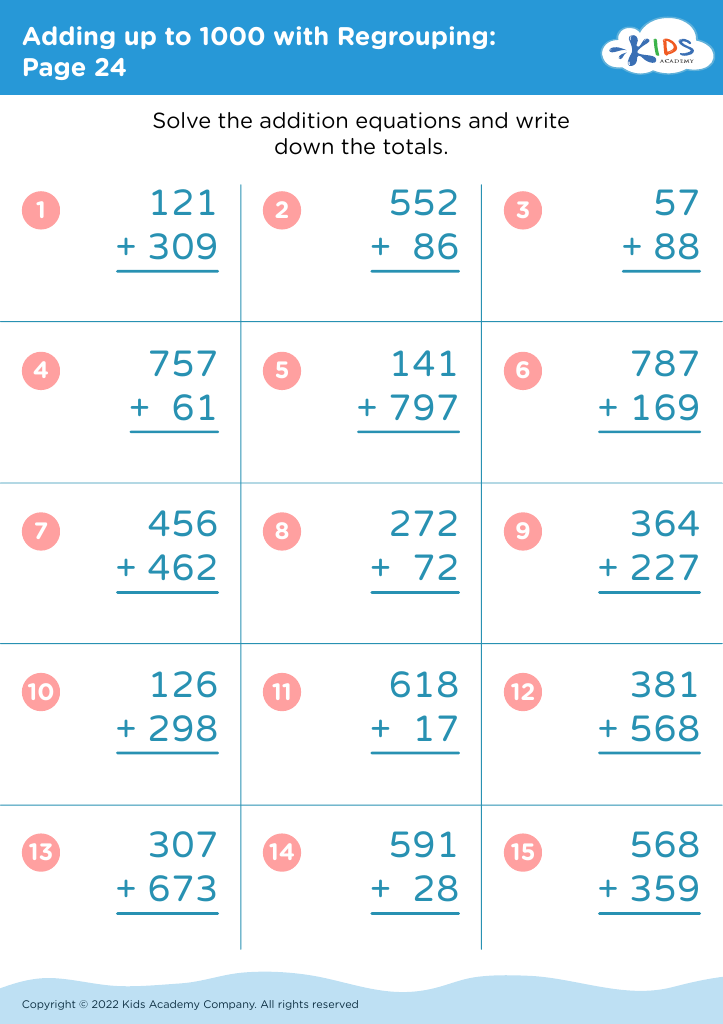
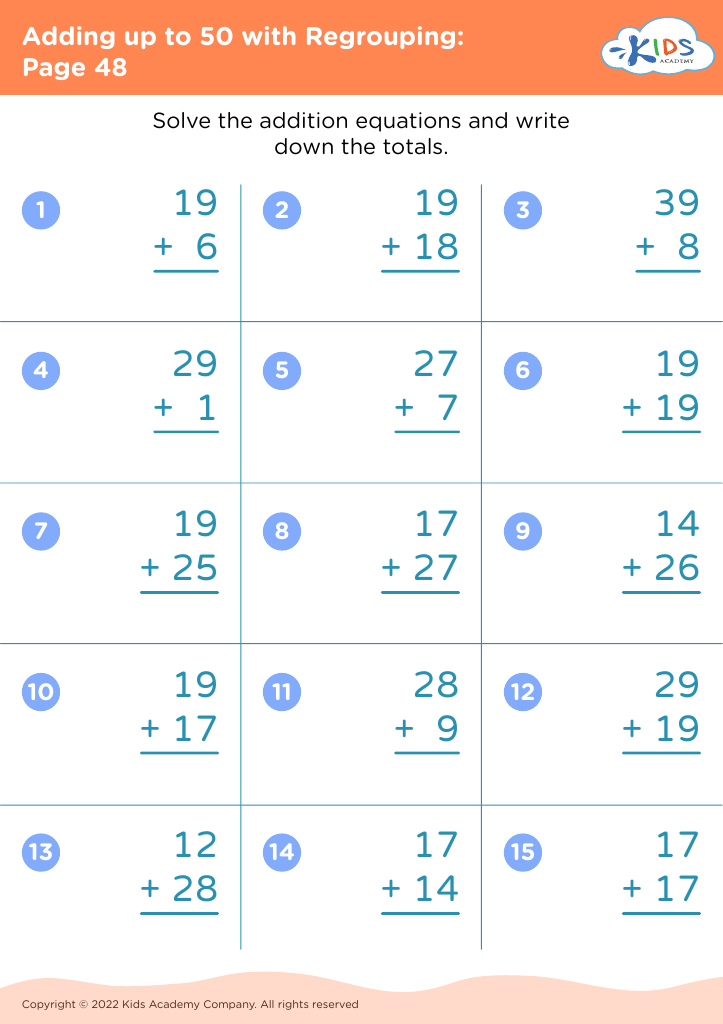
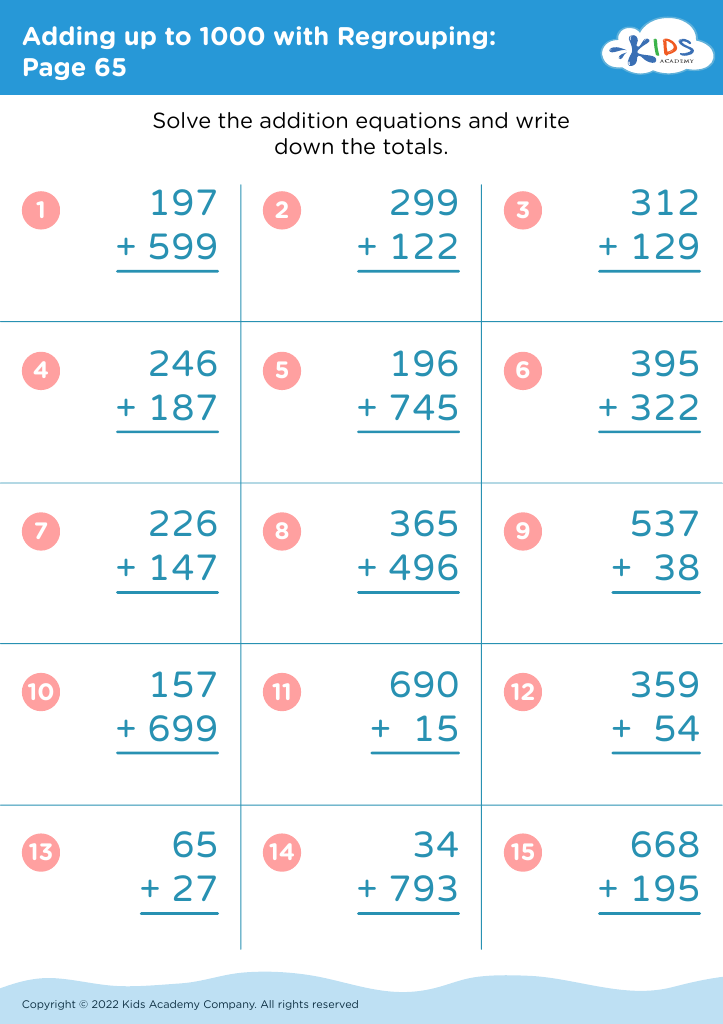
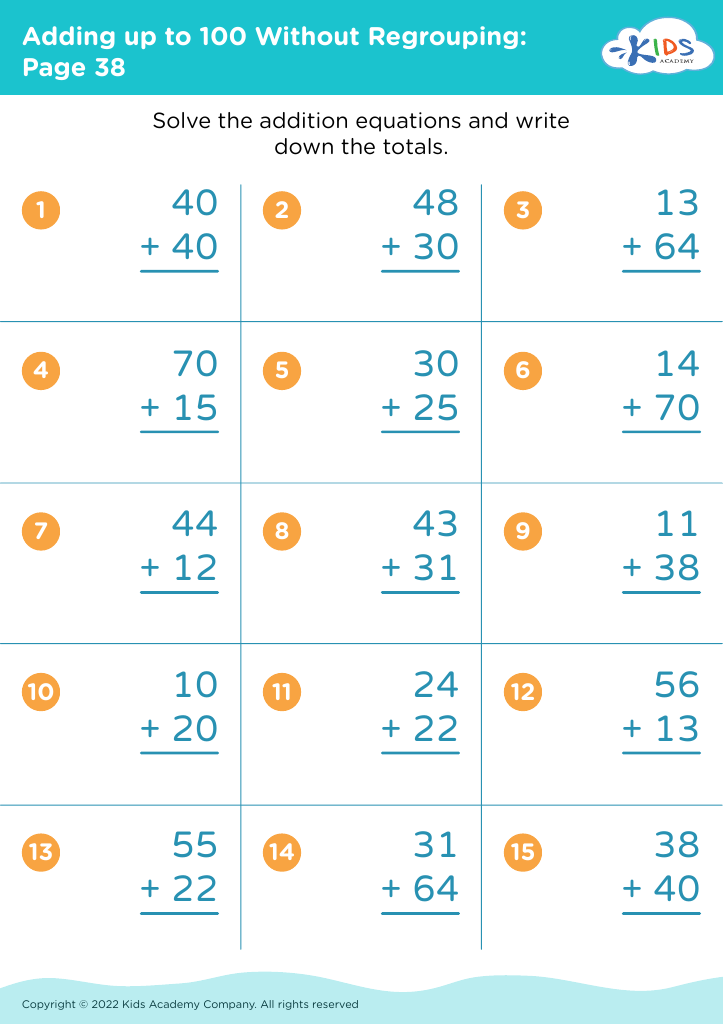
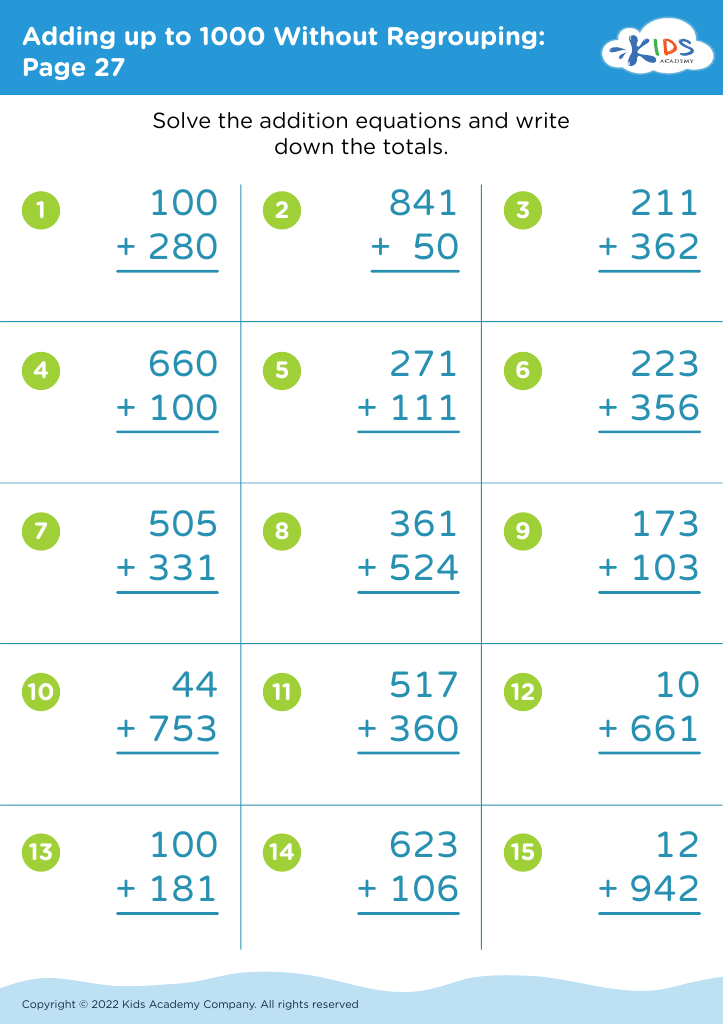
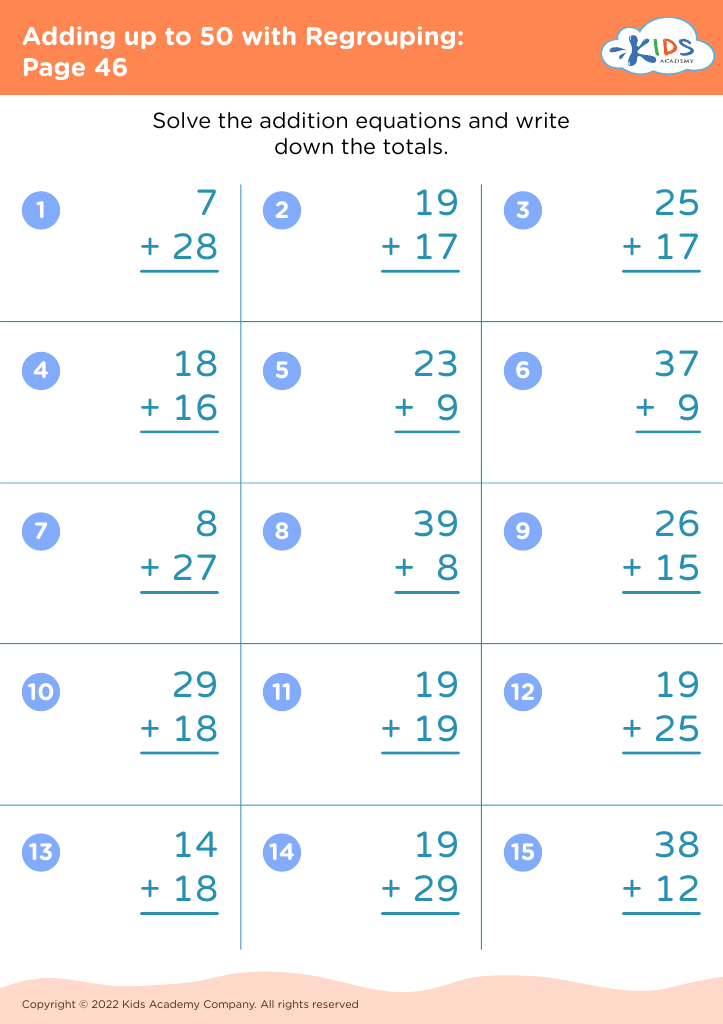
Unlock the world of fractions for your young learners with our "Simplifying Fractions Addition Worksheets" designed for ages 6-7. These engaging and interactive worksheets introduce children to the fundamentals of adding fractions, making learning both fun and effective. Each worksheet focuses on simplifying fractions, helping kids develop critical math skills crucial for their academic journey. With vibrant visuals and clear instructions, these resources foster a deeper understanding of fractions while enhancing problem-solving abilities. Perfect for at-home practice or classroom activities, our worksheets are curated to meet the needs of young mathematicians. Start building a strong foundation in math today!
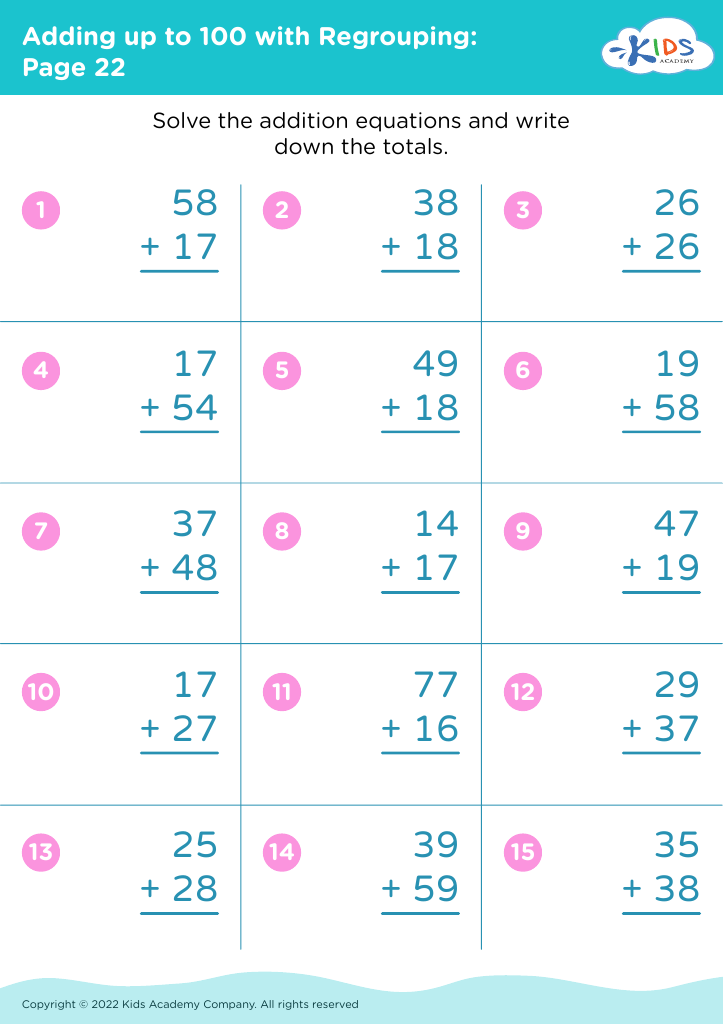
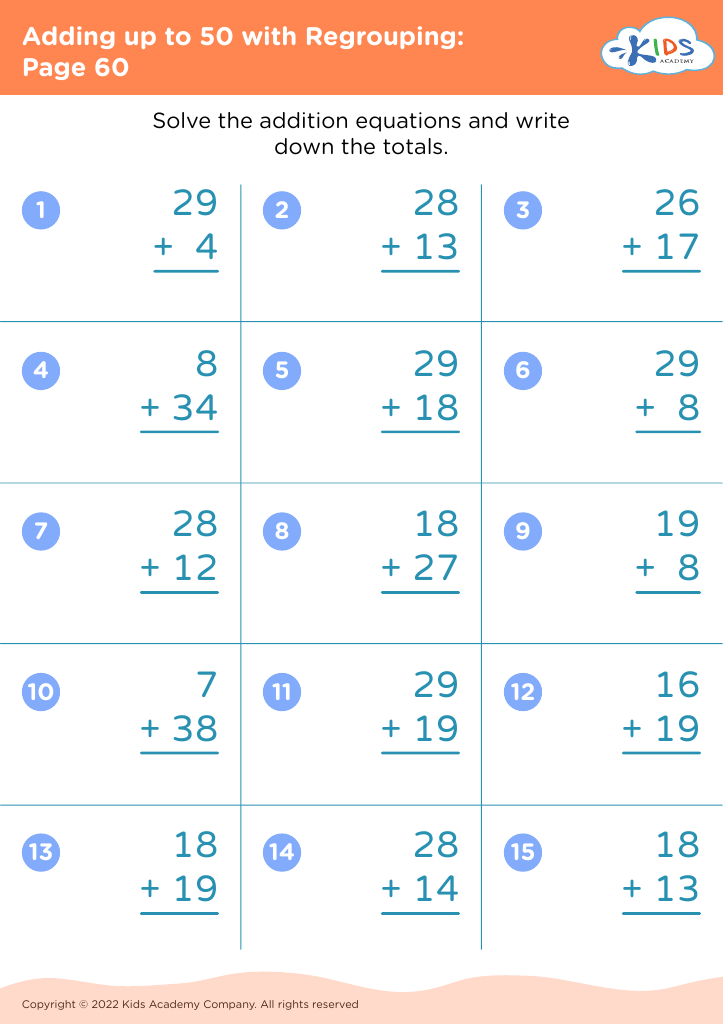
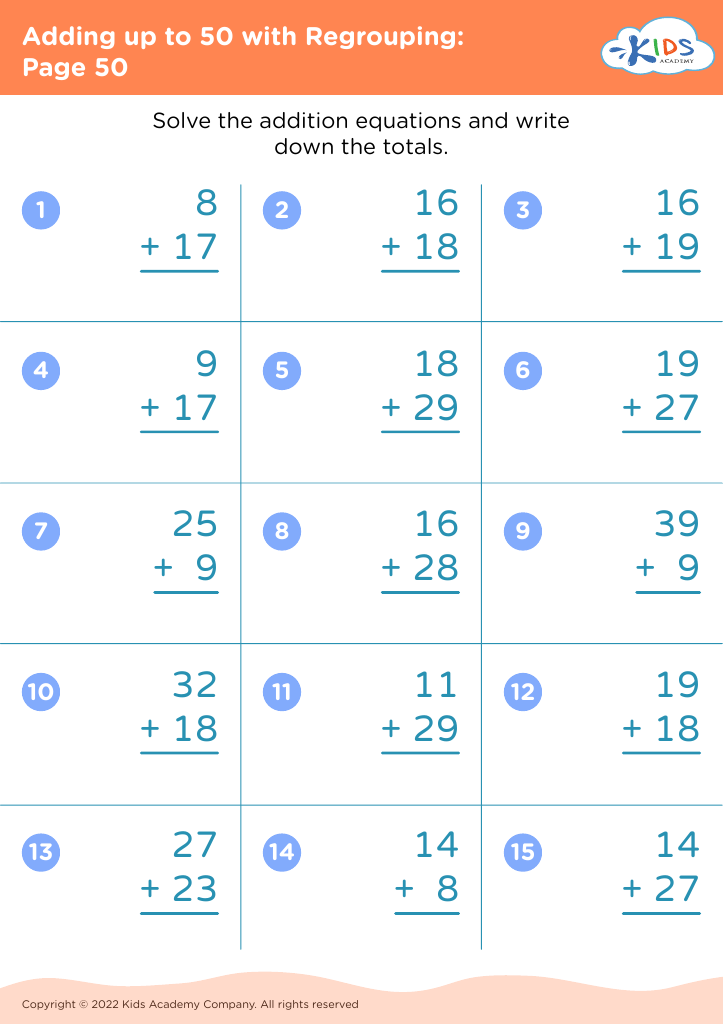
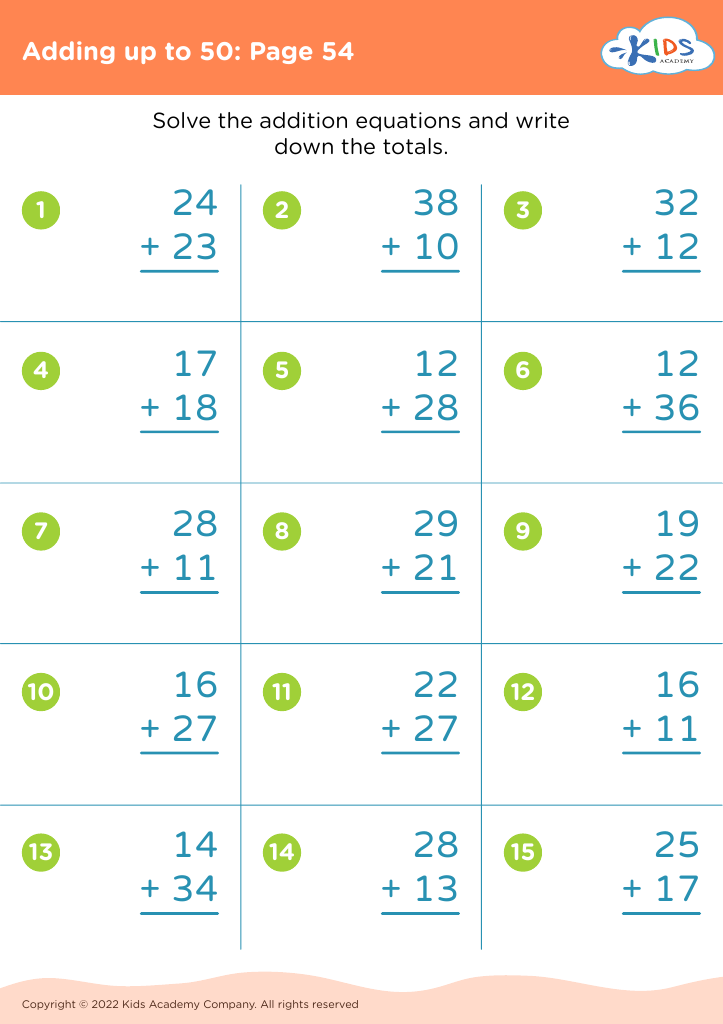







Simplifying fractions addition at an early age, particularly for children aged 6-7, is crucial for several reasons. Firstly, understanding fractions lays the foundation for more advanced mathematical concepts, such as ratios and proportions, which students will encounter later in their education. By introducing the idea of simplifying fractions early, parents and teachers help young learners develop number sense and promote mathematical fluency.
Secondly, fractions are prevalent in everyday life, from cooking measurements to sharing snacks. When children grasp how to add fractions and simplify them, they are better equipped to handle real-world situations, enhancing their problem-solving skills. This not only reinforces the practical application of math but also builds confidence in their abilities.
Moreover, the cognitive skills required for manipulate fractions—like critical thinking and analytical reasoning—are important across all academic subjects. By emphasizing simplification in fraction addition, educators encourage students to approach problems systematically, fostering a mindset that values clarity and efficiency.
Ultimately, investing time in teaching young learners about simplifying fractions addition cultivates a strong mathematical foundation. This early understanding helps demystify mathematics, making it more accessible and enjoyable, and prepares students for future academic success.








