Comparing lengths Comparing Numbers Worksheets for Ages 6-7
4 filtered results
Difficulty Level
Grade
Age
-
From - To
Subject
Activity
Standards
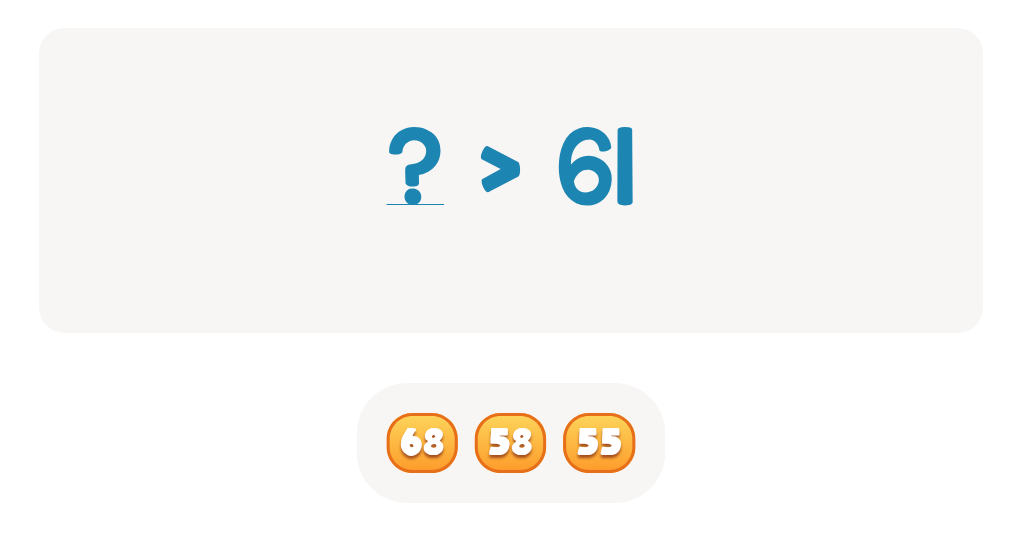
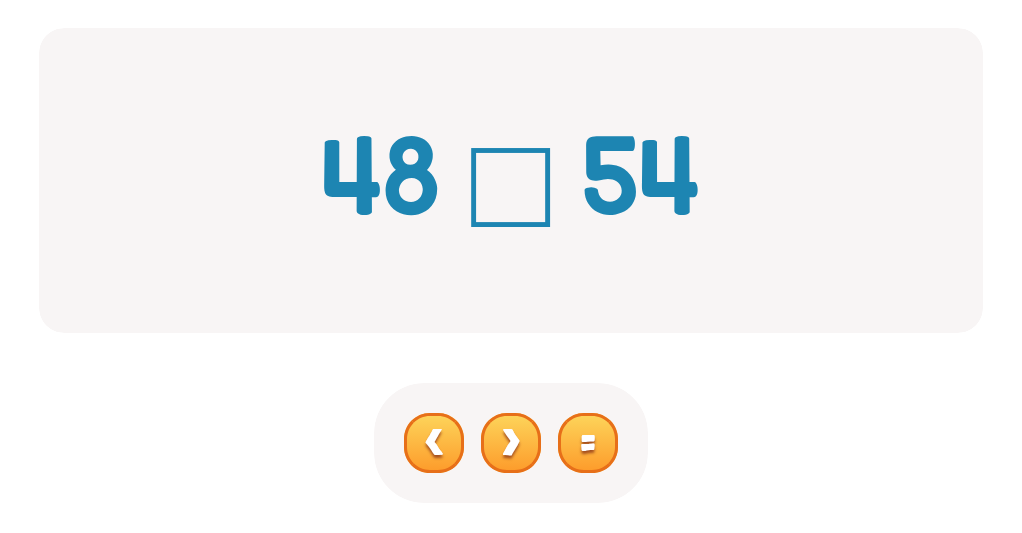
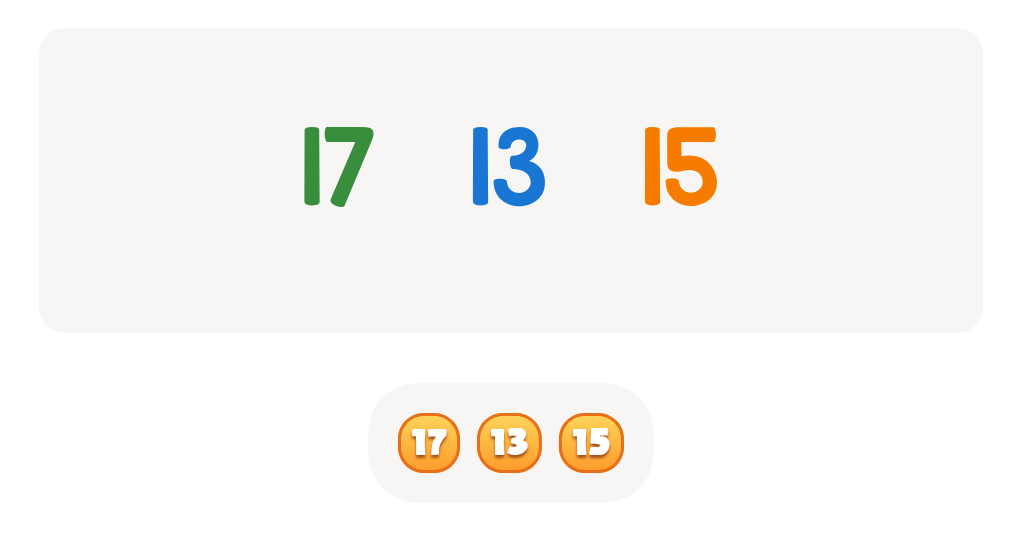
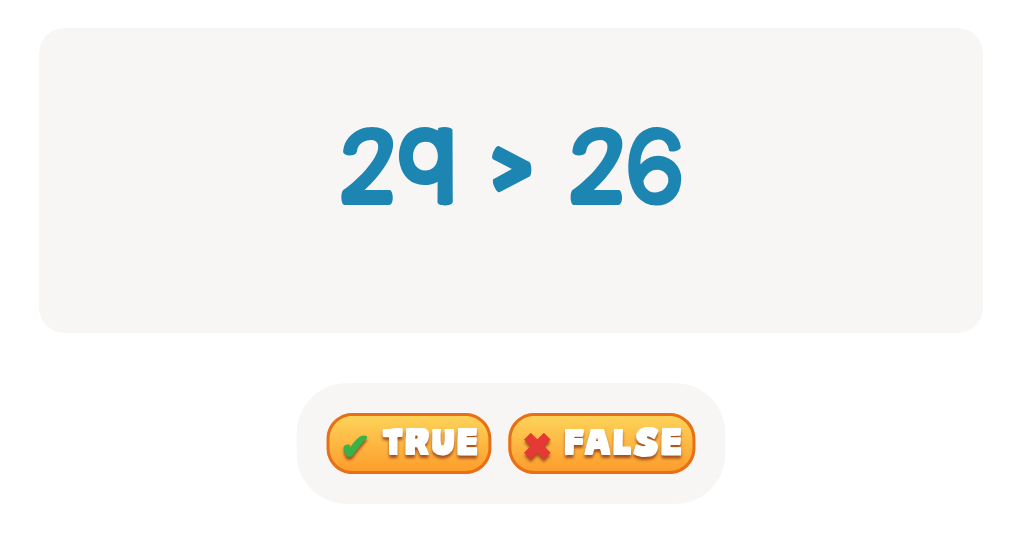
Discover fun and engaging Comparing Lengths Comparing Numbers Worksheets designed for children aged 6-7. These worksheets support early learners in developing essential math skills by helping them understand and compare different lengths effectively. With colorful visuals and age-appropriate exercises, children will enjoy identifying longer and shorter objects in their everyday surroundings. The activities are created to enhance critical thinking and problem-solving abilities while making learning about measurement an exciting adventure. Perfect for classroom use or at-home practice, these worksheets ensure that young learners build a solid foundation in math concepts while having fun. Download now and inspire a love for math!
Favorites
With answer key
Interactive
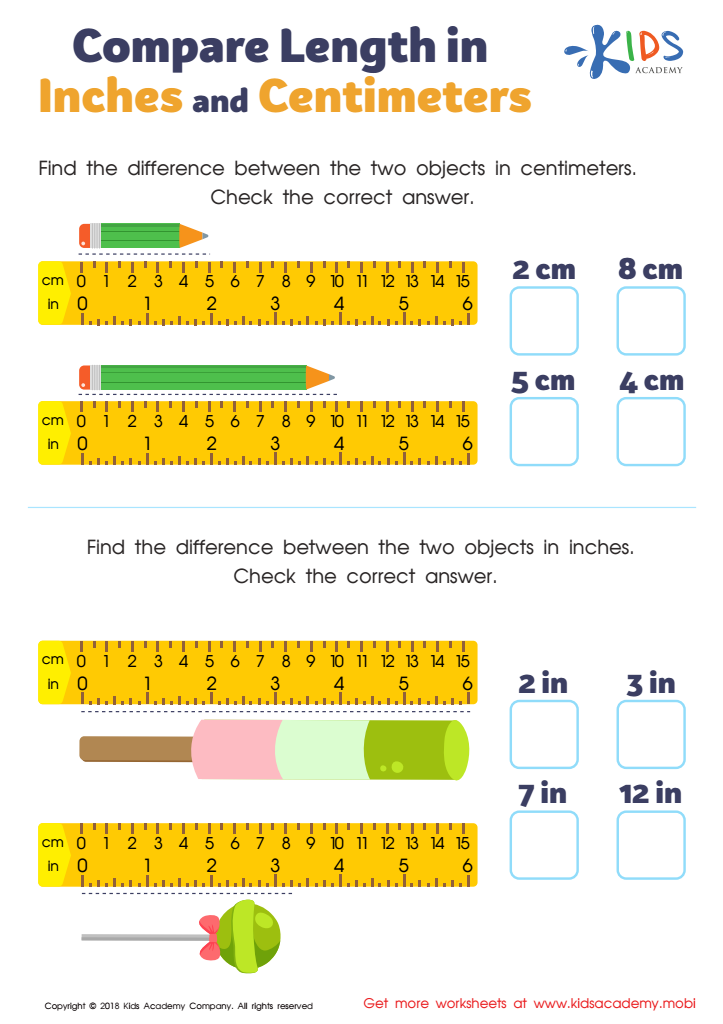
Compare Length in Inches and Centimeters Worksheet
This worksheet has your child measuring objects in both centimeters and inches. The first task requires measuring both objects in centimeters, then finding their difference. The second task is the same but in inches.
 Assign to My Students
Compare Length in Inches and Centimeters Worksheet
Worksheet

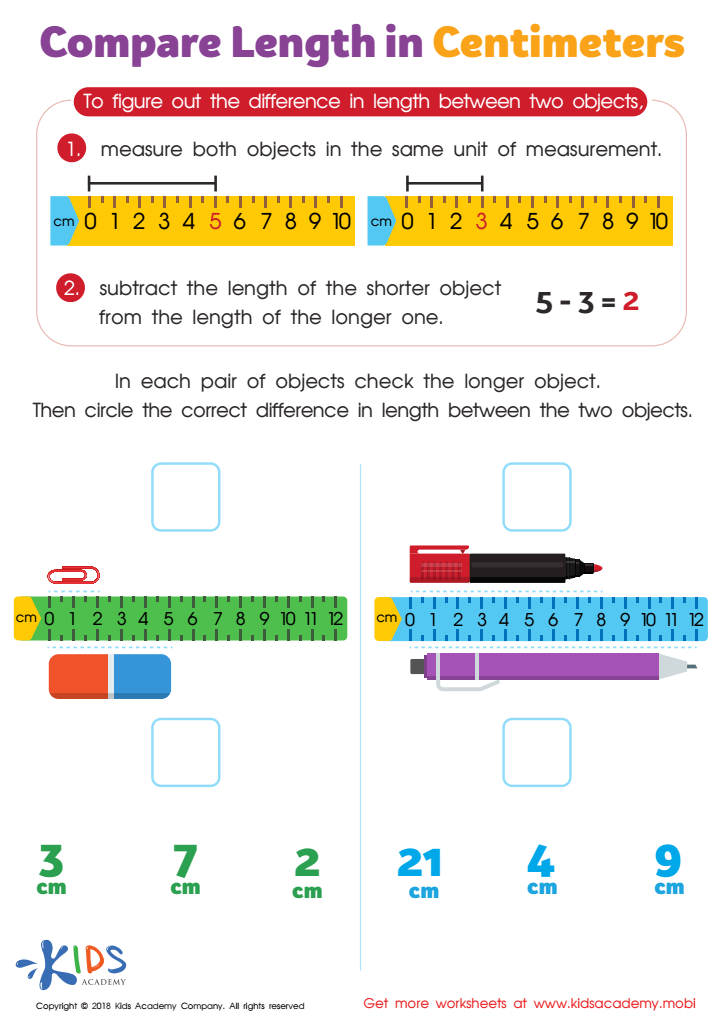
Compare Length in Centimeters Worksheet
To do this worksheet, your child needs to be able to measure accurately, add and subtract. They must measure both items and subtract the shorter from the longer to work out the difference in length.
Compare Length in Centimeters Worksheet
Worksheet
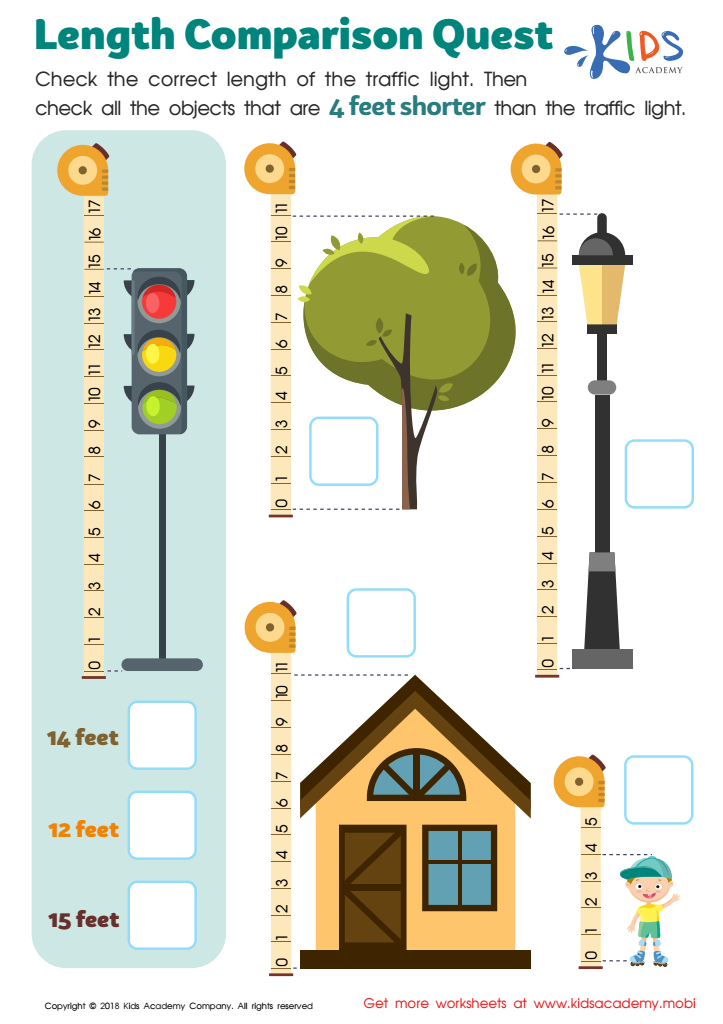
Length Comparison Quest Worksheet
Knowing measurement tools and how to use them is just the start. To be proficient, your kid must be able to accurately compare objects and their lengths. With the 'Length Comparison Quest' worksheet, they will check the correct length of the traffic light in the picture and then compare other objects to it, marking those that measure 4 feet shorter.
Length Comparison Quest Worksheet
Worksheet
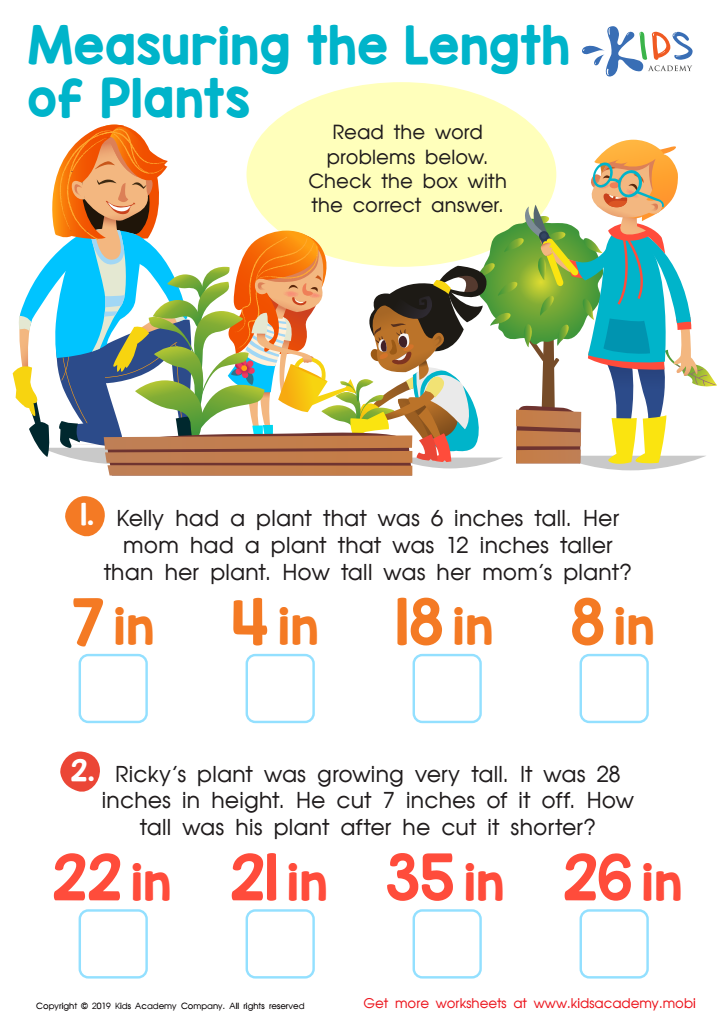
Measuring the Length of Plants Worksheet
Help your kids practice their math skills with this worksheet. Read the word problems in the picture and help them check the correct box. Word problems are equations written in sentence form, so they must be interpreted and understood to be solved correctly.
Measuring the Length of Plants Worksheet
Worksheet
Join Kids Academy for Free
Who is primarily going to use this learning content?






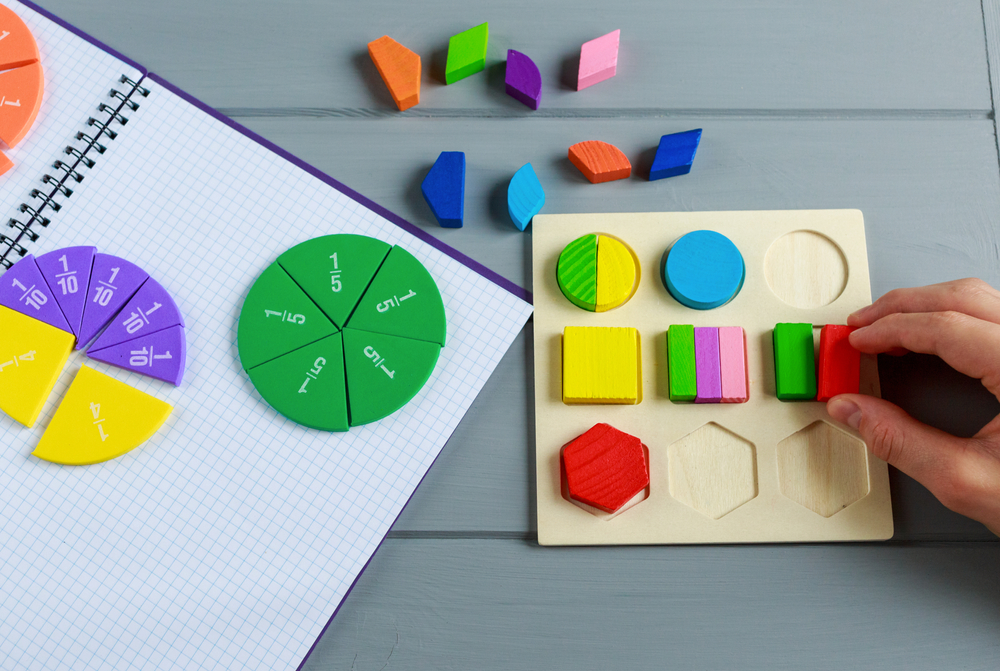

Comparing lengths and numbers is a foundational skill for children aged 6-7 that significantly impacts their mathematical development and critical thinking abilities. Understanding comparisons helps children identify relationships between objects and quantities, which is essential for everyday decision-making and problem-solving. When children engage in comparing lengths, they develop spatial awareness and the ability to estimate and measure, skills that are vital in both academic and real-life contexts.
For teachers and parents, supporting these skills fosters confidence and independence in young learners. Encouraging children to compare different objects or numbers deepens their understanding of numerical relationships and promotes logical reasoning. This practice not only enhances their math proficiency but also lays the groundwork for more complex concepts such as addition, subtraction, and understanding ratios as they progress in school.
Moreover, actively involving children in comparative discussions cultivates communication skills and improves their ability to articulate thoughts clearly. This engagement can also create enjoyable, hands-on learning experiences that strengthen the child-parent or teacher-child bond. Thus, focusing on comparing lengths and numbers at this age is vital for building a solid foundation for lifelong learning and critical thinking skills.