Understanding Quantities Numbers Worksheets for Ages 6-7
6 filtered results
-
From - To
Explore our "Understanding Quantities Numbers Worksheets" designed specifically for children ages 6-7. These engaging resources help young learners develop essential number sense through fun activities that focus on counting, comparison, and quantity recognition. Each worksheet encourages critical thinking and supports foundational math skills by integrating vibrant visuals and interactive elements. With a variety of exercises, children will practice identifying greater and lesser amounts, enhancing their comprehension of numerical concepts. Perfect for at-home learning or classroom use, our worksheets promote independent exploration and foster a love for math. Start your child’s journey to mastering quantities today!
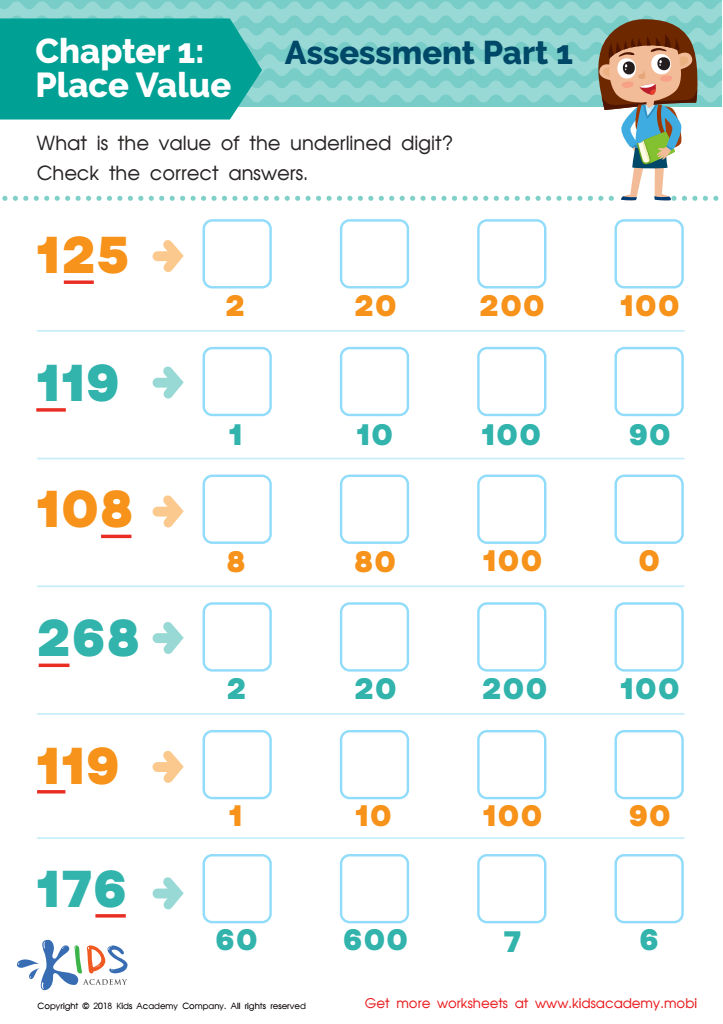
Place Value: Chapter 1 Worksheet
 Assign to My Students
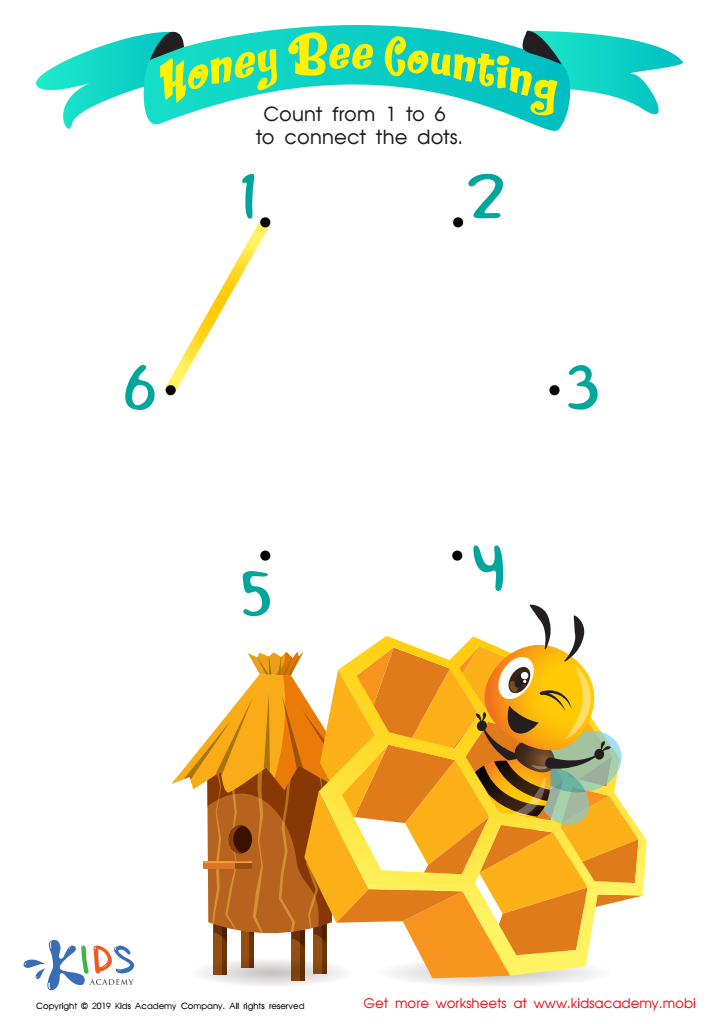
Honey Bee Counting Worksheet
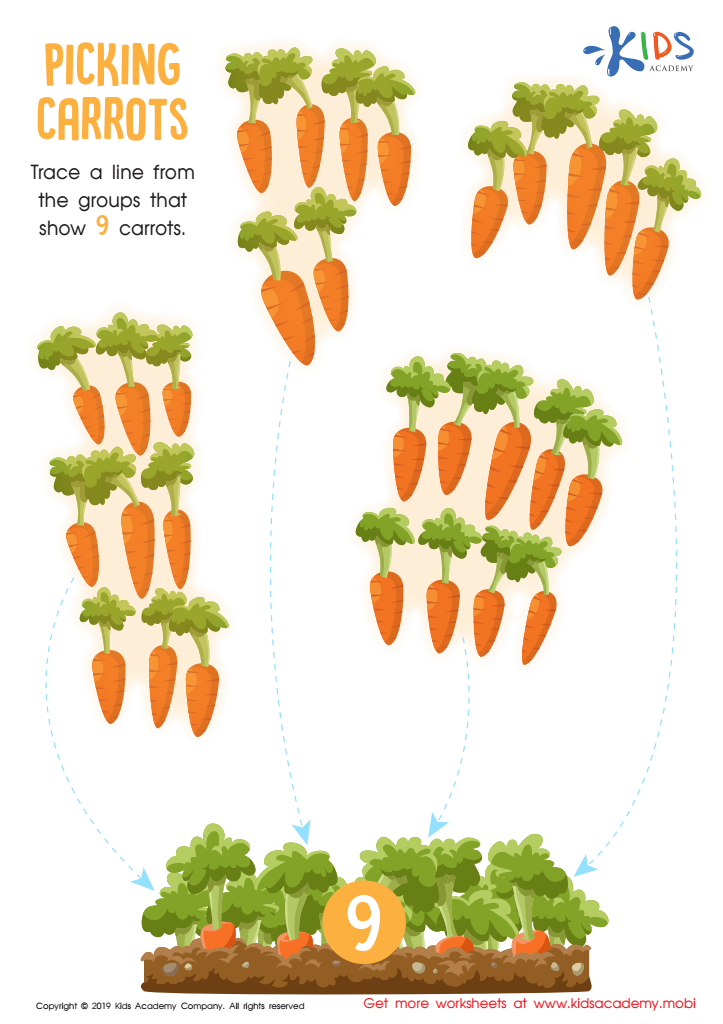
Picking Carrots Worksheet
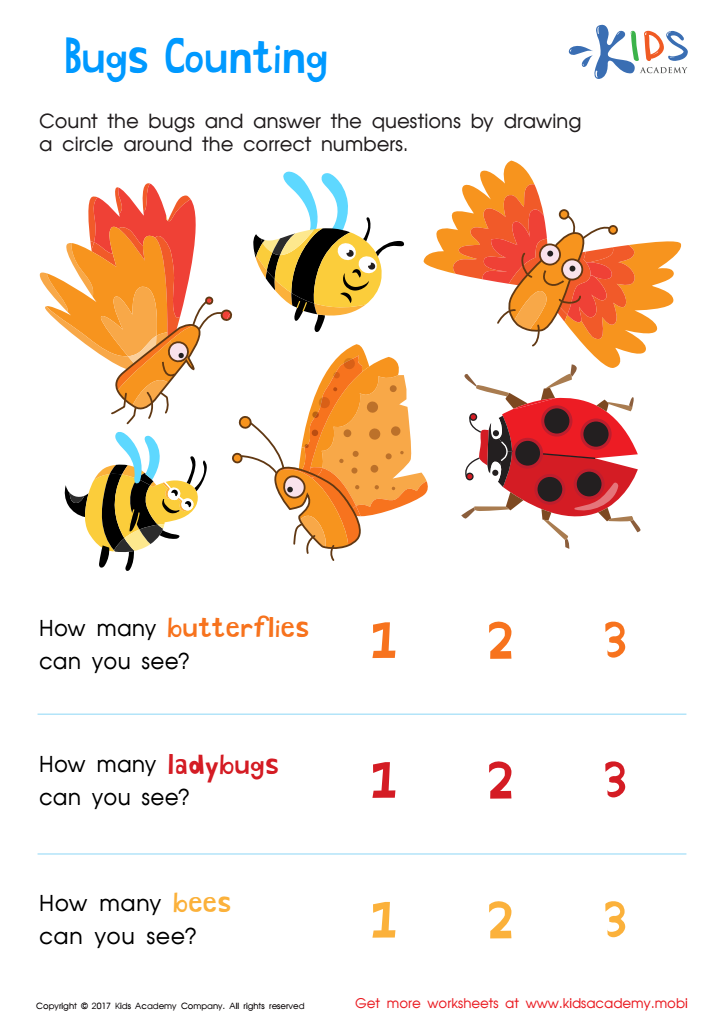
Bugs Counting Worksheet
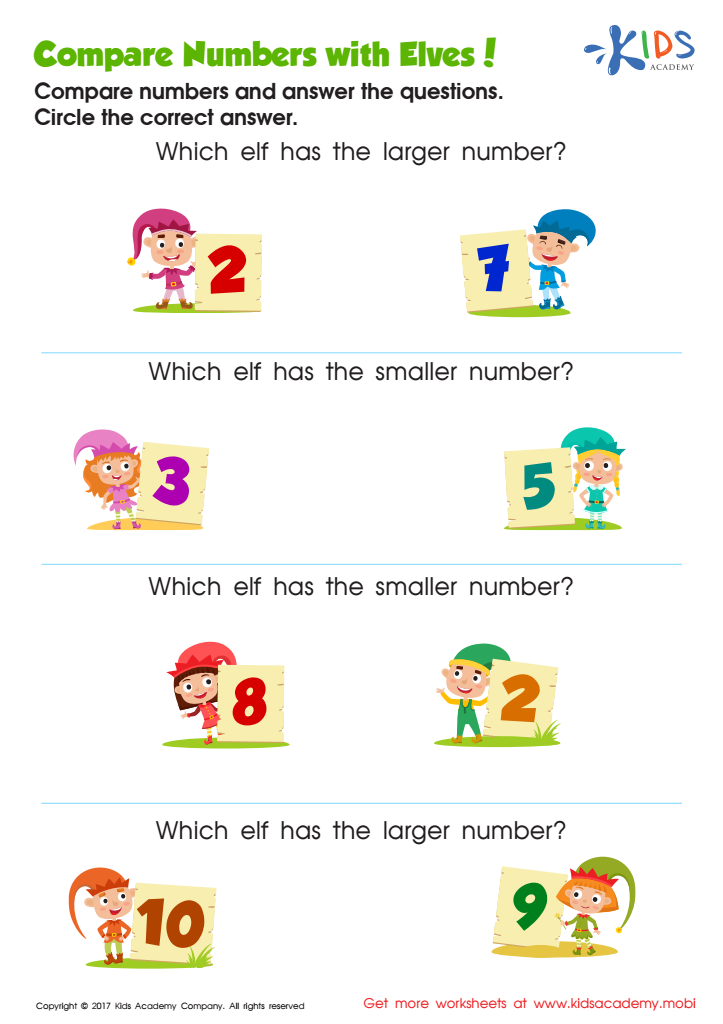
Comparing Numbers Worksheet for Kindergarten
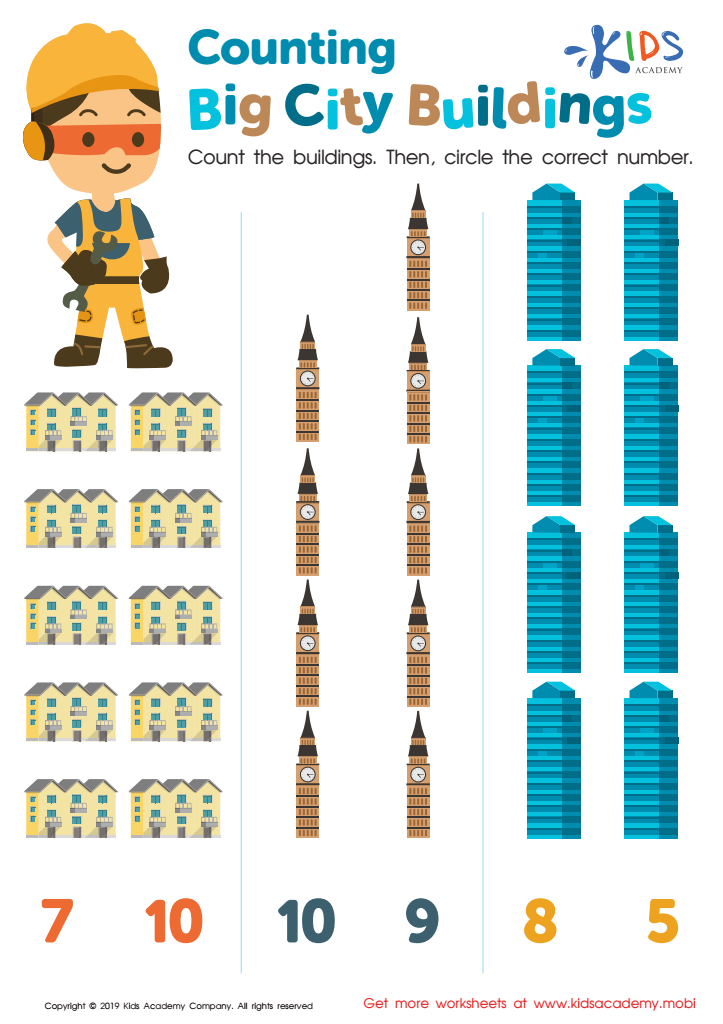
Counting Big City Buildings Worksheet








Understanding quantities and numbers is crucial for children aged 6-7 as it lays the foundation for their future mathematical skills. At this age, children begin to transition from concrete understanding to abstract concepts, making it an ideal time to enhance their numerical knowledge. This comprehension encourages critical thinking and problem-solving skills that they will rely on throughout their education.
Parents and teachers should care because a strong grasp of quantities and numbers fosters confidence in young learners. By understanding basic concepts such as addition, subtraction, and the relationship between numbers, children develop a positive association with math, mitigating the fear or reluctance many experience later. Engaging with quantities prepares children for real-life applications, from budgeting their allowance to measuring ingredients in cooking.
Moreover, understanding numbers aids in cognitive development. It helps improve memory, attention, and logical reasoning—not solely in mathematics, but across all subjects. Developing early math skills promotes collaboration and communication, as children discuss their reasoning and strategies with peers.
In summary, by prioritizing understanding quantities and numbers, parents and teachers can significantly impact students' academic journeys and overall life skills, setting them on a path to success.








