Understanding Sequences Numbers Worksheets for Ages 6-7
5 filtered results
-
From - To
Unlock the world of numbers with our "Understanding Sequences Numbers Worksheets" designed specifically for children aged 6-7. These engaging, interactive worksheets help young learners grasp the concept of numerical sequences through fun activities that promote recognition and ordering of numbers. Students will develop essential skills such as counting, pattern recognition, and logical reasoning while working with various sequences, from simple counting to more complex patterns. Ideal for home or classroom use, our worksheets foster a love for math and build a strong foundation for future learning. Dive in and help your child enhance their sequencing skills today!
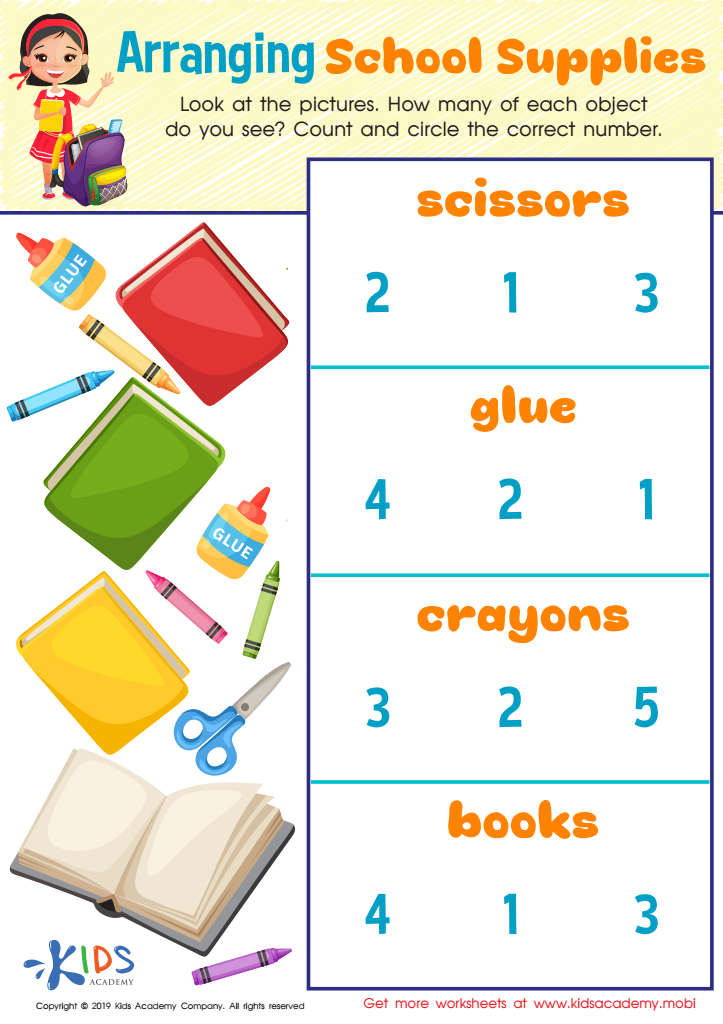
Arranging School Supplies Worksheet
 Assign to My Students
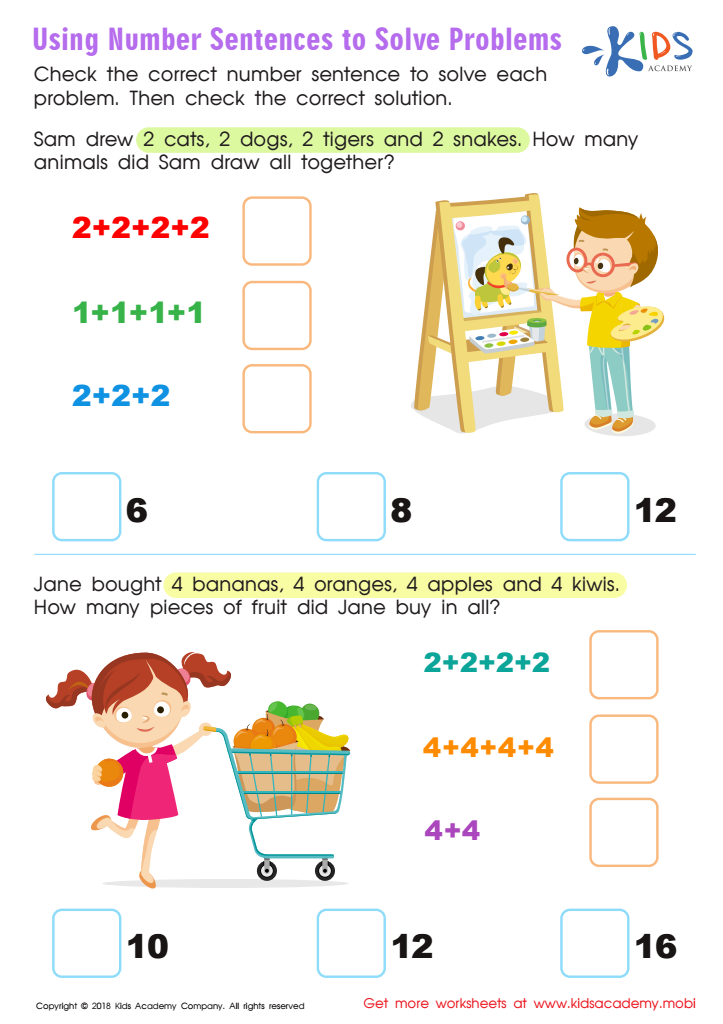
Using Number Sentences to Solve Problems Worksheet
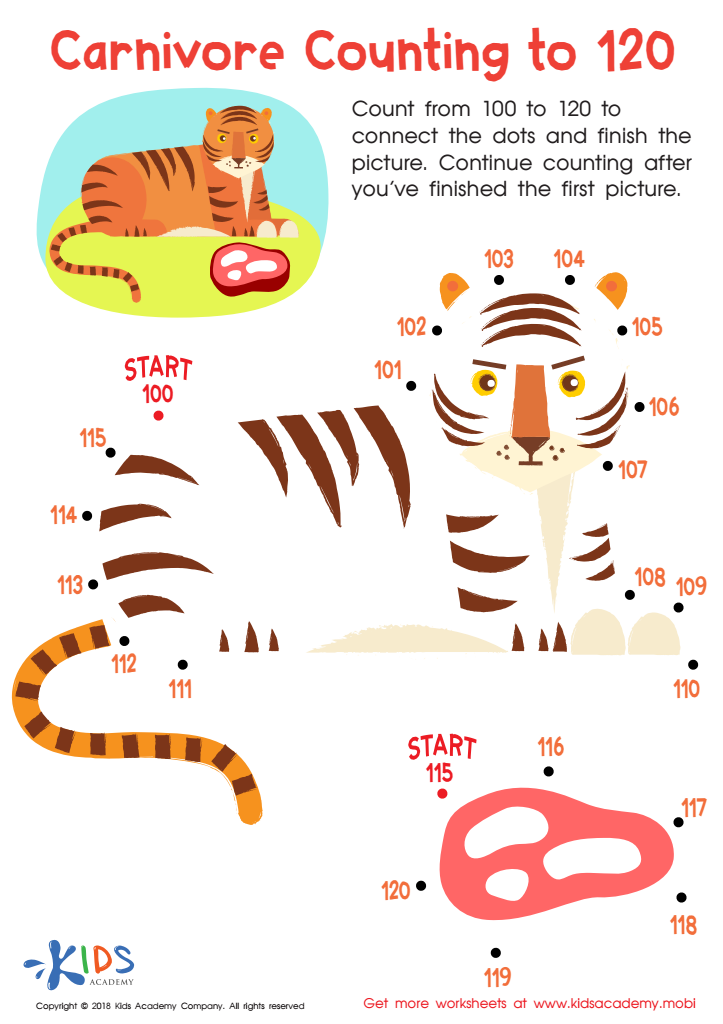
Carnivore Counting to 120 Worksheet
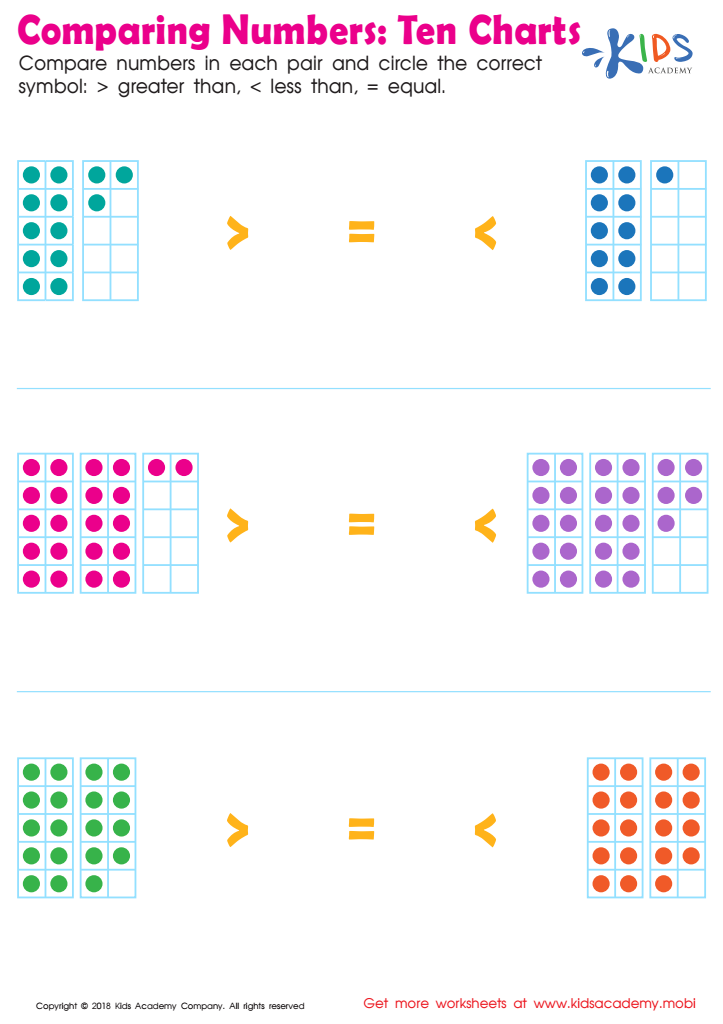
Ten Charts Worksheet
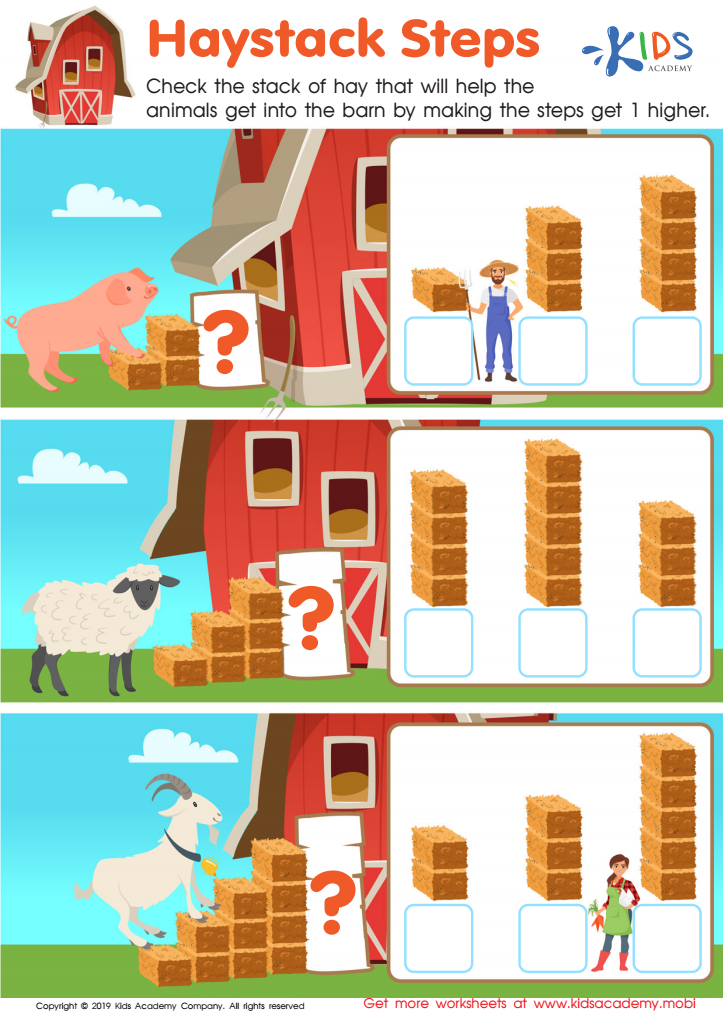
Haystack Steps Worksheet




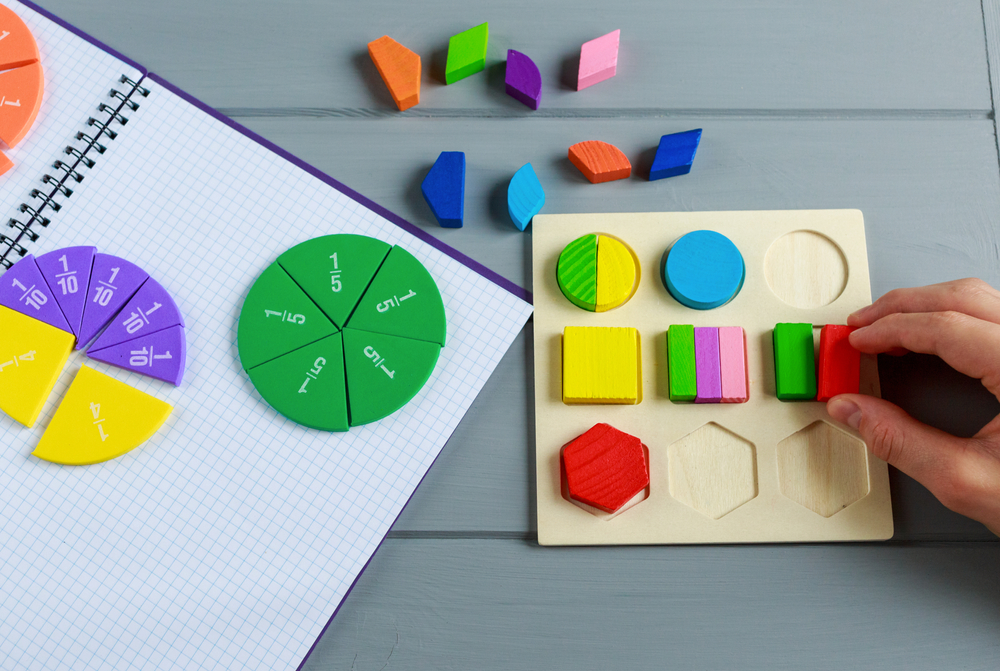



Understanding sequences of numbers is crucial for children aged 6-7, as it lays the foundation for many mathematical concepts they will encounter later in their education. When parents or teachers prioritize teaching sequences, they help children recognize patterns, which enhances logical thinking and problem-solving skills. For young learners, mastering number sequences promotes fluency in basic arithmetic operations, such as addition and subtraction.
Moreover, understanding sequences aids in developing number sense, allowing children to grasp concepts like ordinal numbers (1st, 2nd, 3rd) and skip counting, which are integral for understanding more complex mathematics in higher grades. This foundation is essential for concepts such as multiplication, fractions, and even basic algebra.
Additionally, number sequences are relevant in everyday life—whether counting objects, understanding routines, or telling time. When parents and teachers emphasize the significance of these skills, they not only enhance academic readiness but also build confidence and a positive attitude towards math.
In summary, fostering a strong understanding of number sequences at an early age equips children with critical skills for future learning, ensures they engage effectively in mathematical thinking, and prepares them for the challenges they may face in primary education and beyond.








