Color recognition Math Worksheets for Ages 6-7 - Page 2
33 filtered results
-
From - To
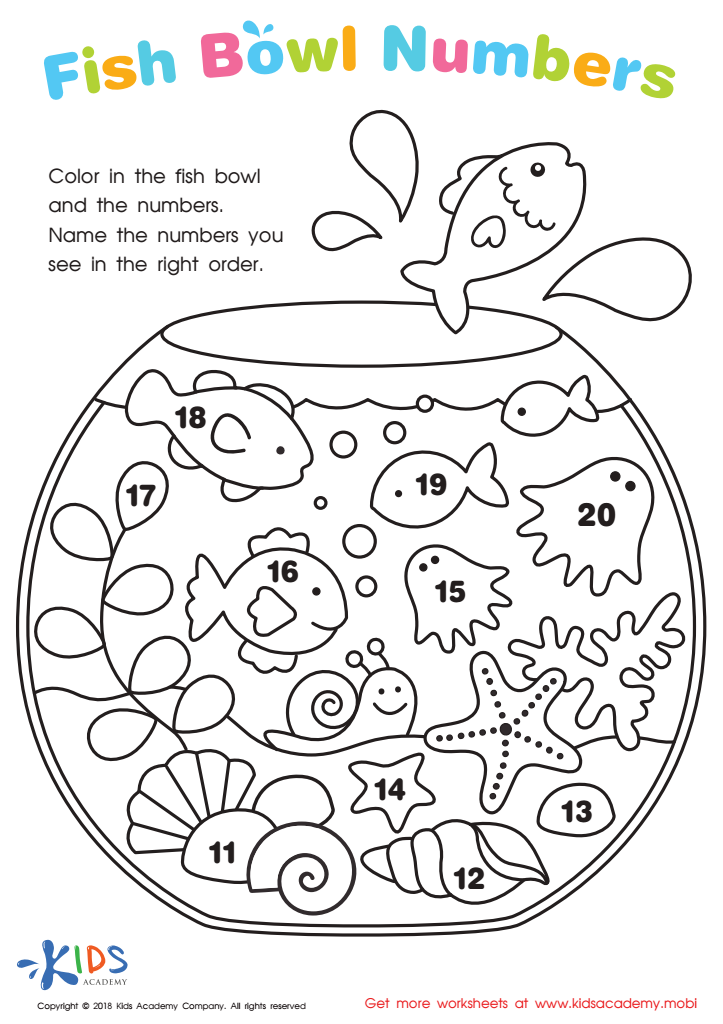
Fish Bowl Numbers Worksheet
 Assign to My Students
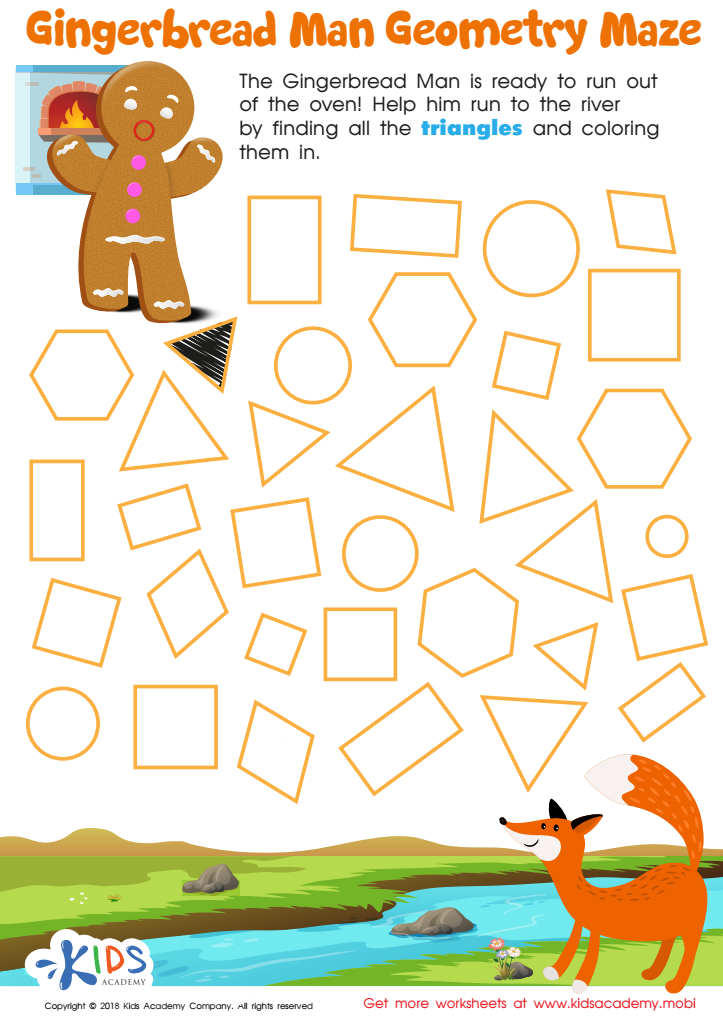
Gingerbread Man Geometry Maze Worksheet
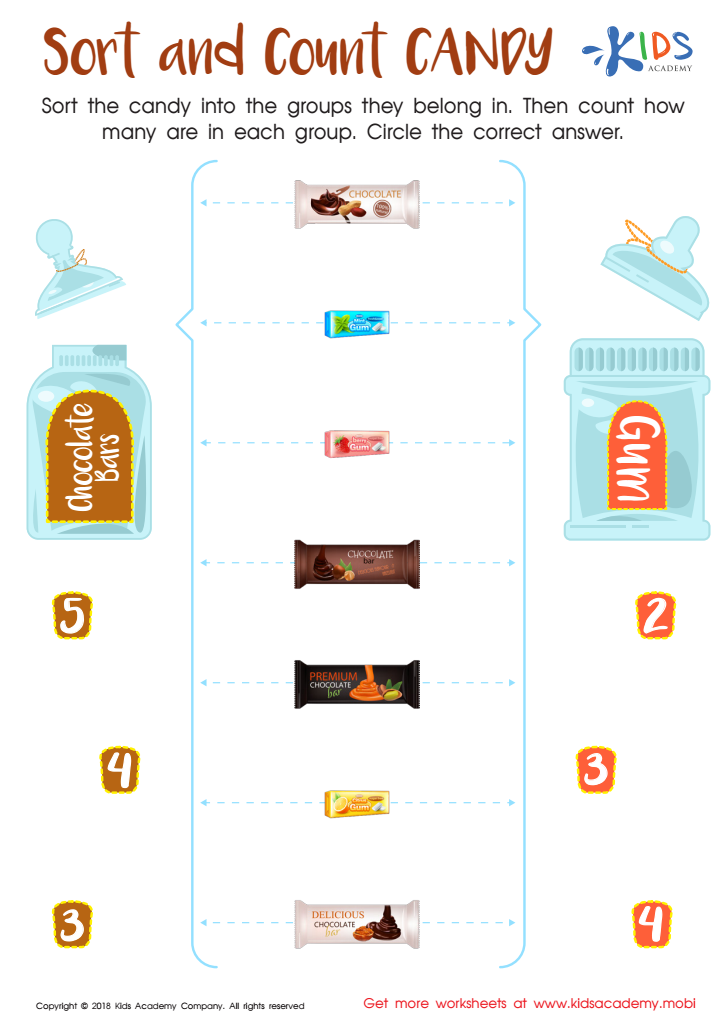
Sort and Count Candy Worksheet
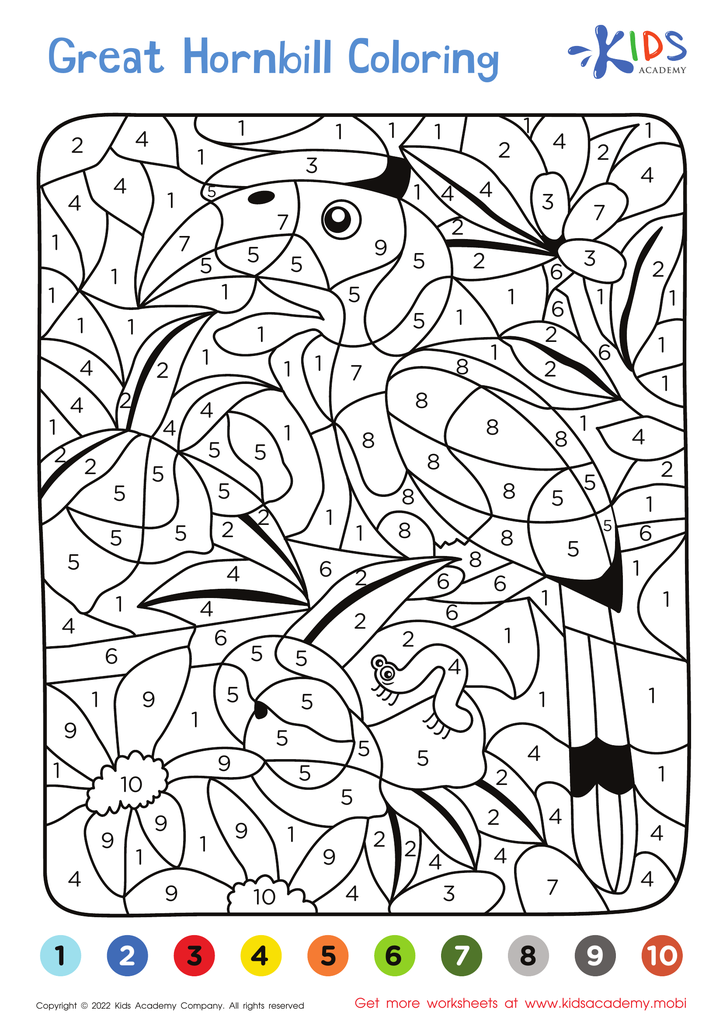
Great Hornbill – Coloring by Numbers
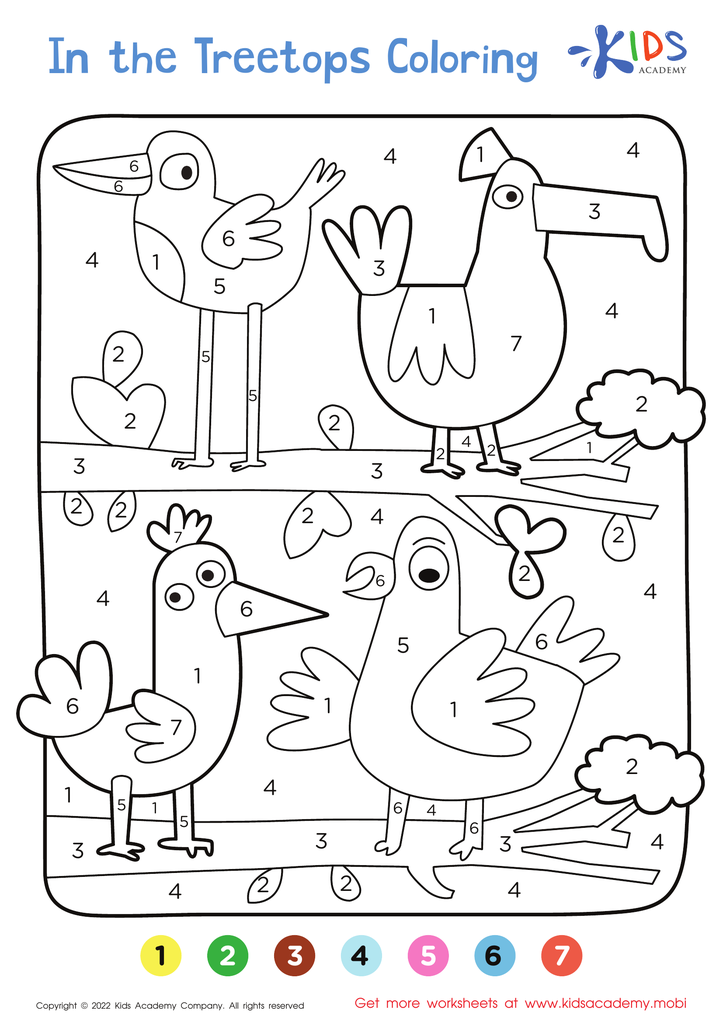
In the Treetops – Coloring Page
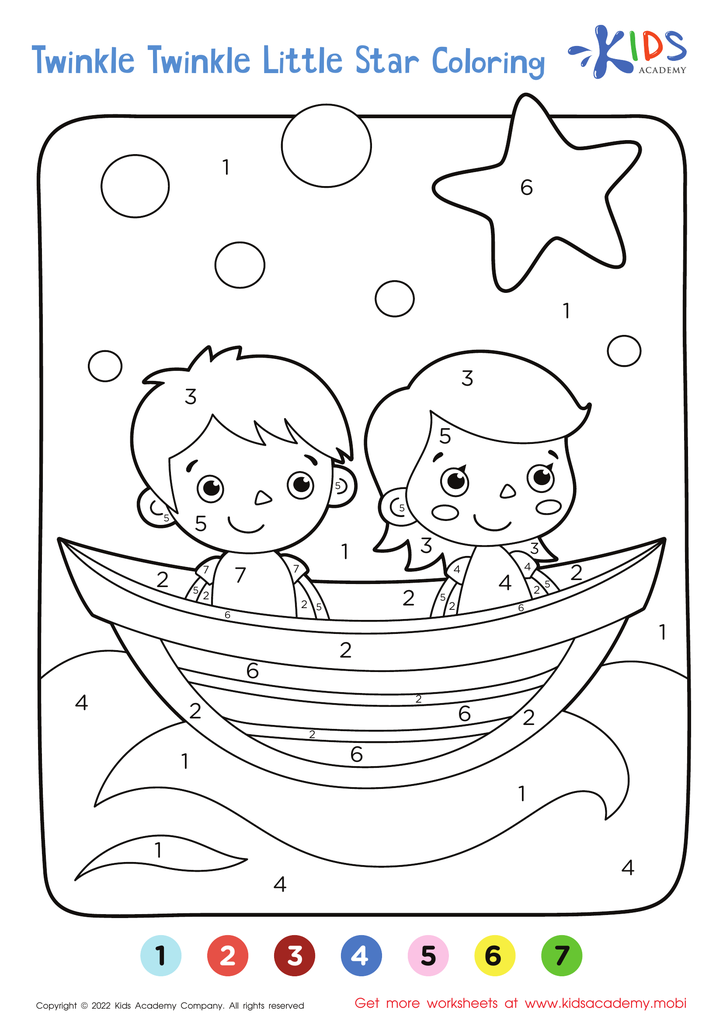
Twinkle, Twinkle, Little Star – Coloring by Numbers
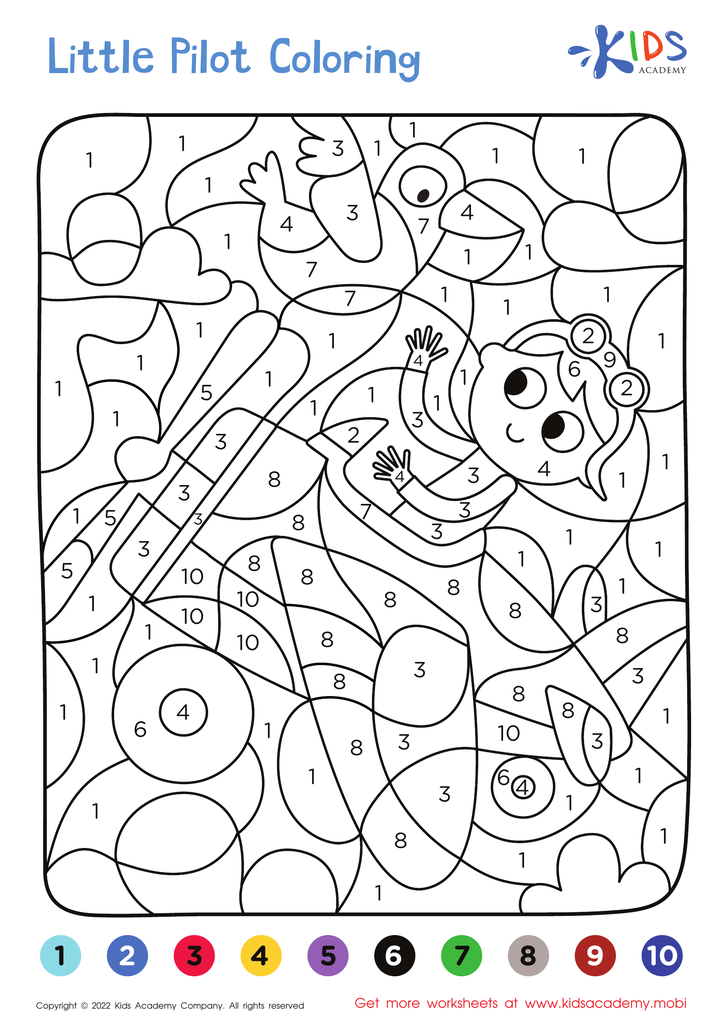
Little Pilot – Coloring by Numbers
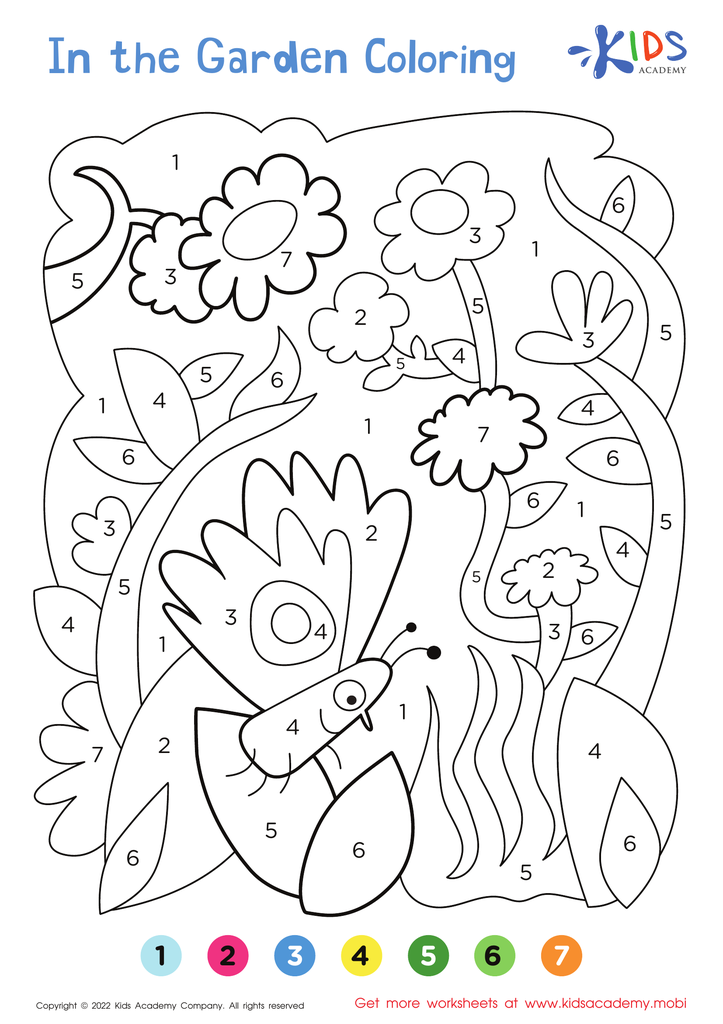
In the Garden – Coloring by Numbers
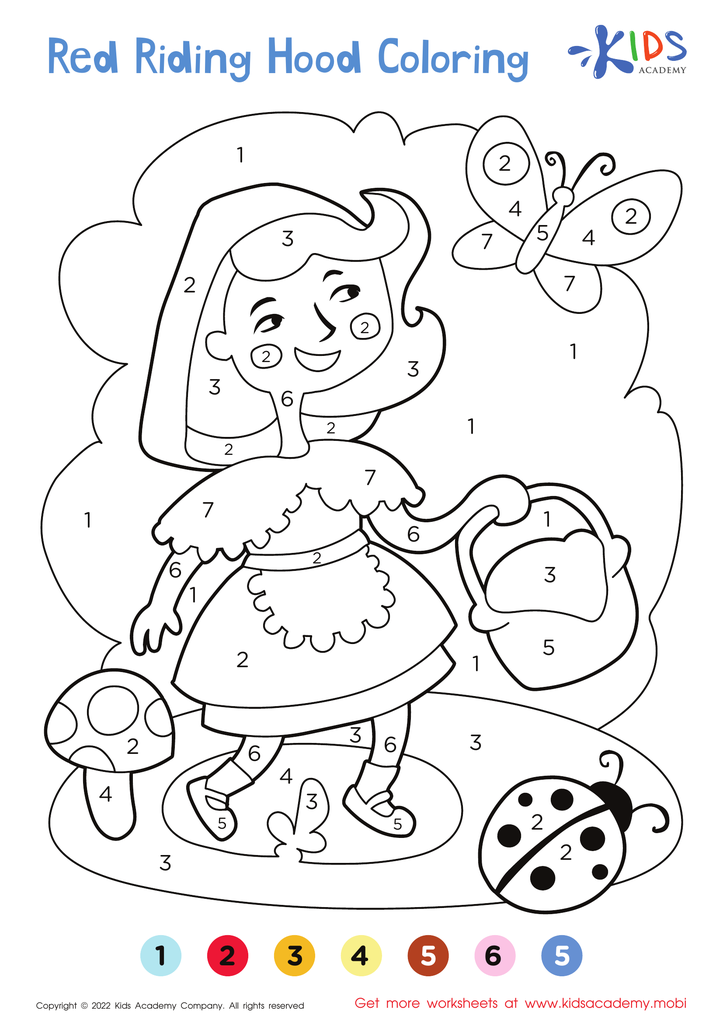
Little Red Riding Hood – Coloring by Numbers








Color recognition and math may seem distinct, but they are intricately connected in early childhood development, especially for ages 6-7. Mastering color recognition in tandem with mathematical concepts provides numerous cognitive and educational benefits, making it essential for both parents and teachers to prioritize.
First, color recognition enhances a child’s ability to categorize and organize information, key skills in understanding mathematical concepts. By classifying objects by color, children learn to identify patterns and sequences, foundational for principles like sorting, ordering, and establishing relationships between numbers.
Second, integrating colors with math activities cultivates visual learning and memory. Using vibrant manipulatives and color-coded representations can make abstract mathematical concepts more concrete and relatable, improving comprehension and retention. For example, using red blocks for units and blue blocks for tens in place value exercises helps children visualize and grasp otherwise difficult concepts.
Third, engaging with colors can significantly boost a child’s motivation and interest. Learning through playful, colorful activities makes math more enjoyable and less intimidating, fostering a positive attitude towards the subject.
Ultimately, parents and teachers who incorporate color recognition in math not only build a strong foundation for mathematical thinking but also stimulate overall cognitive development, fostering creativity and critical thinking skills in young learners.








