
Comparing Fractions Math Worksheets for Ages 6-7
93 filtered results
Difficulty Level
Grade
Age
-
From - To
Subject
Activity
Standards
Discover our engaging "Comparing Fractions Math Worksheets" designed specifically for children ages 6-7! These interactive worksheets help young learners understand the concept of fractions by comparing different values through fun, relatable activities. With clear visuals and simple explanations, these resources foster essential math skills and boost confidence in understanding fractions. Our worksheets feature a variety of exercises ranging from identifying greater or lesser fractions to visual comparisons using illustrations. Perfect for both classroom learning and at-home practice, our materials encourage a playful approach to mastering fractions. Help your child build a strong foundation in math with these invaluable worksheets!
Favorites
With answer key
Interactive
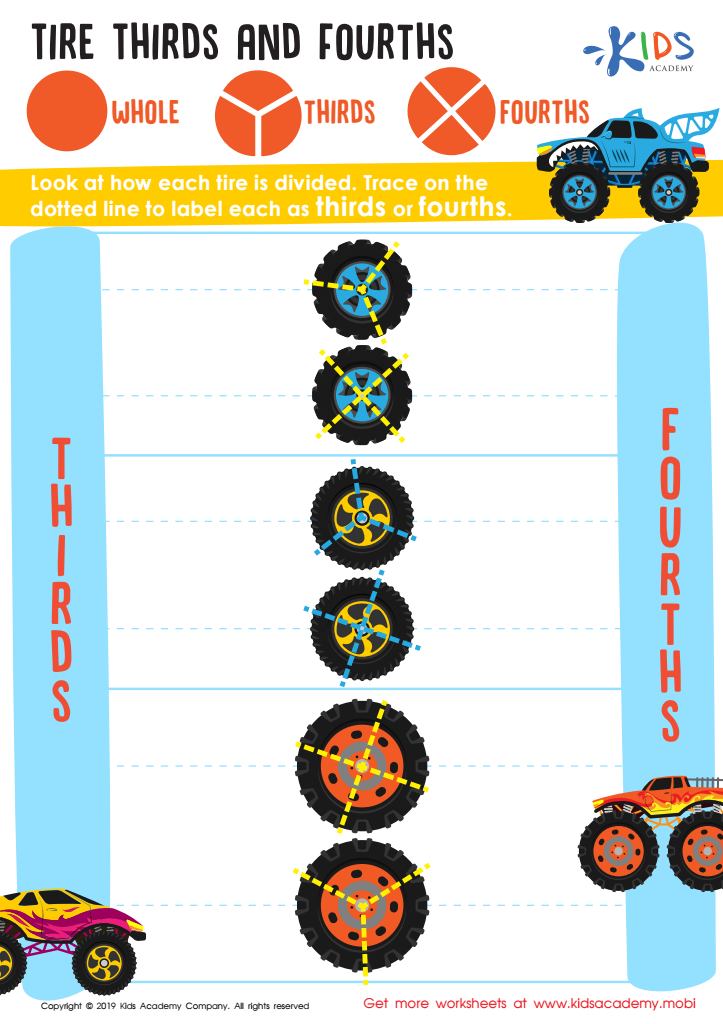
Tire Thirds and Fourths Worksheet
Learning geometry is key in your child's education. Have them identify and name shapes cut into 2, 3 and 4 parts. Test their knowledge with this worksheet - trace the dotted line to label each as third or fourth. Encourage them to keep learning!
 Assign to My Students
Tire Thirds and Fourths Worksheet
Worksheet
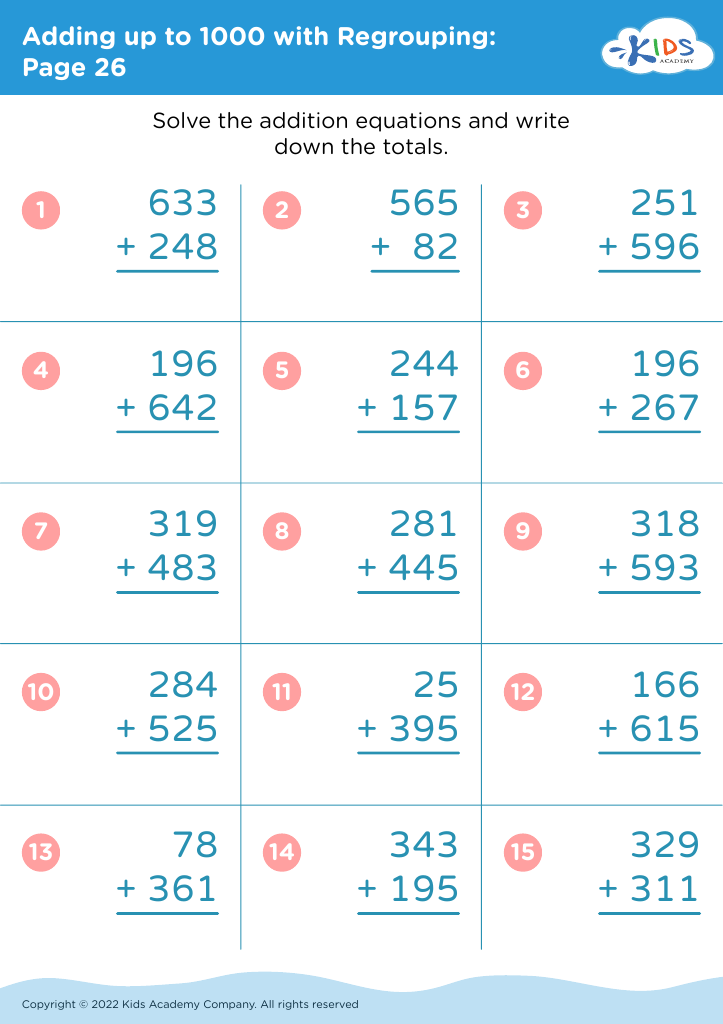
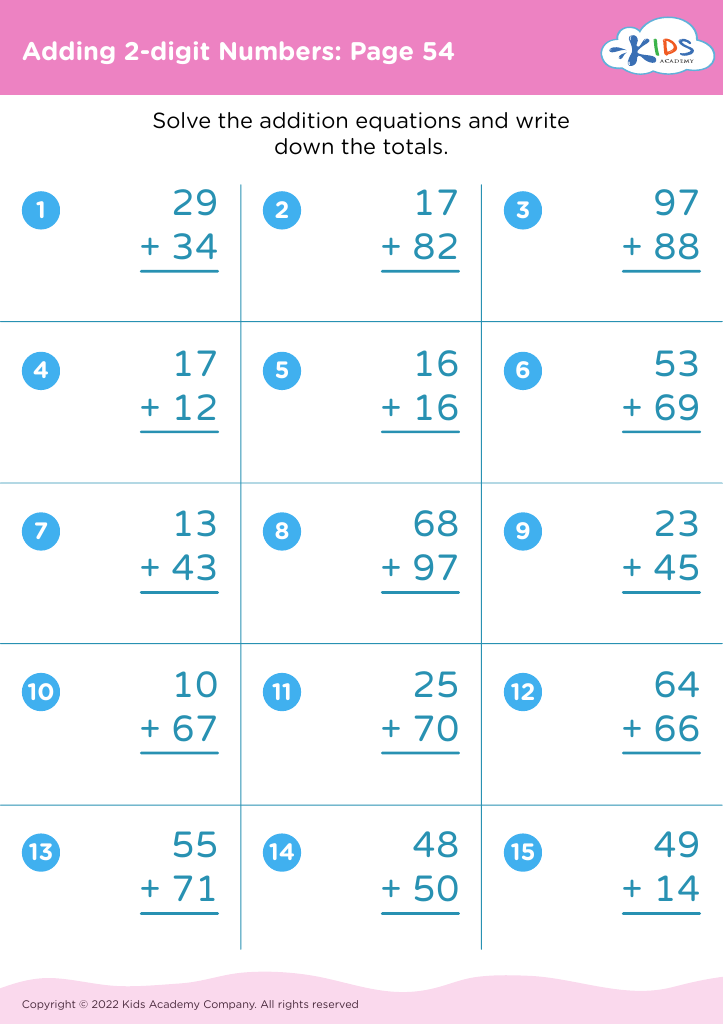
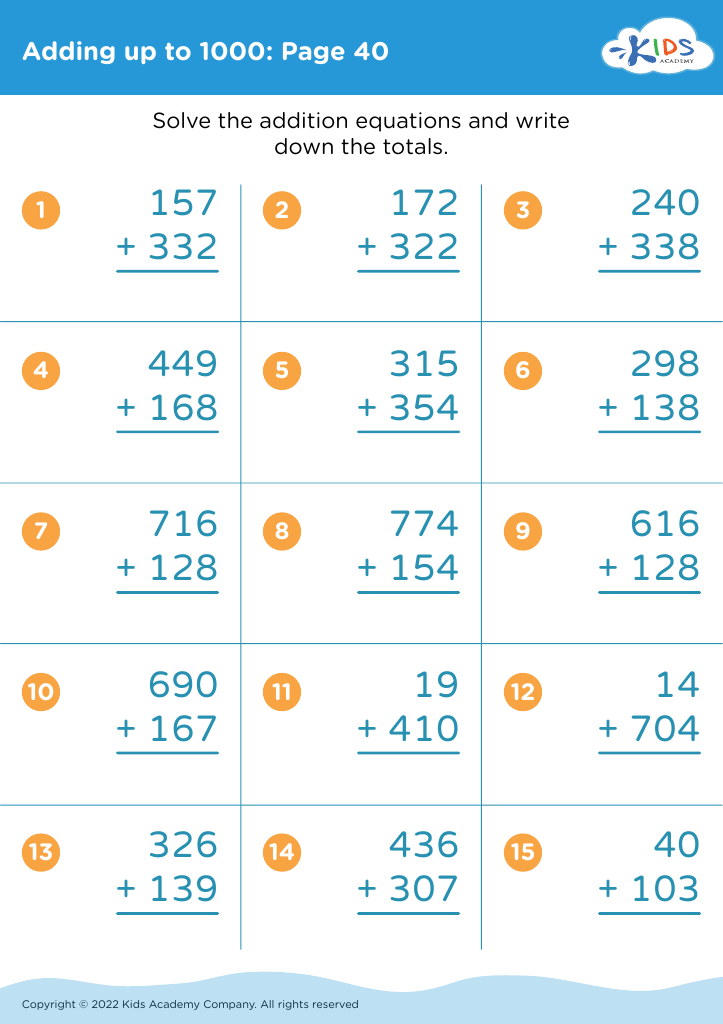
Fractions: Shapes Worksheet
Get your printable now.
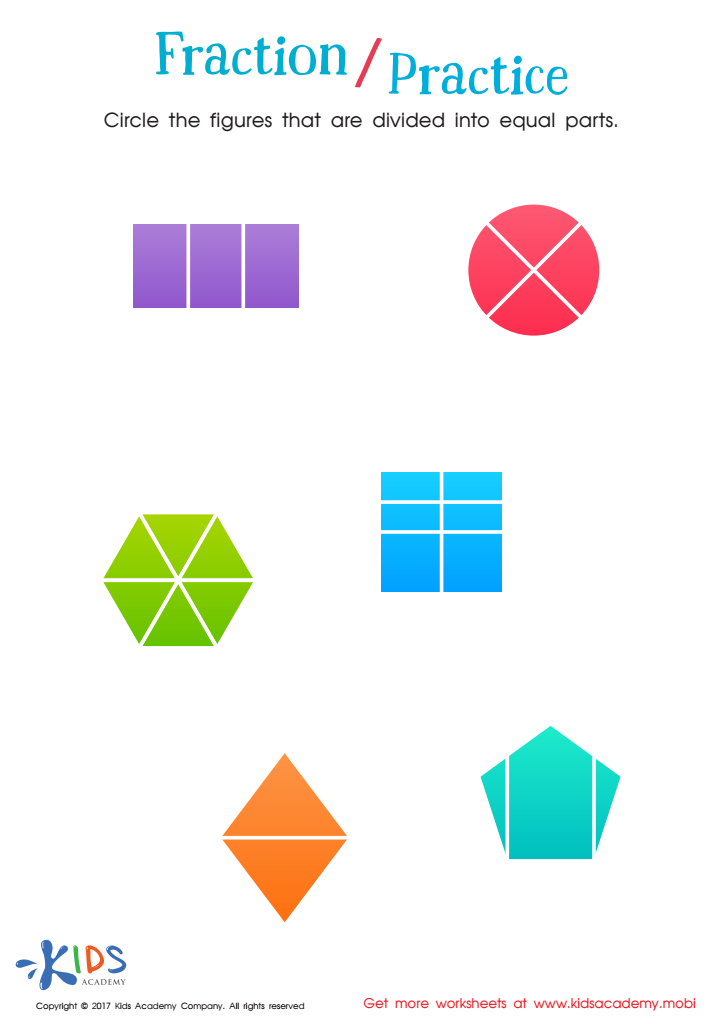
Kids learn math differently today than you did in school; understanding concepts rather than memorizing facts. Help your child understand fractions with this printable worksheet. It'll help your child recognize parts of a whole, identify equal parts and build a foundation for numeracy. A better understanding sets kids up for math success! Get your printable now.
Fractions: Shapes Worksheet
Worksheet
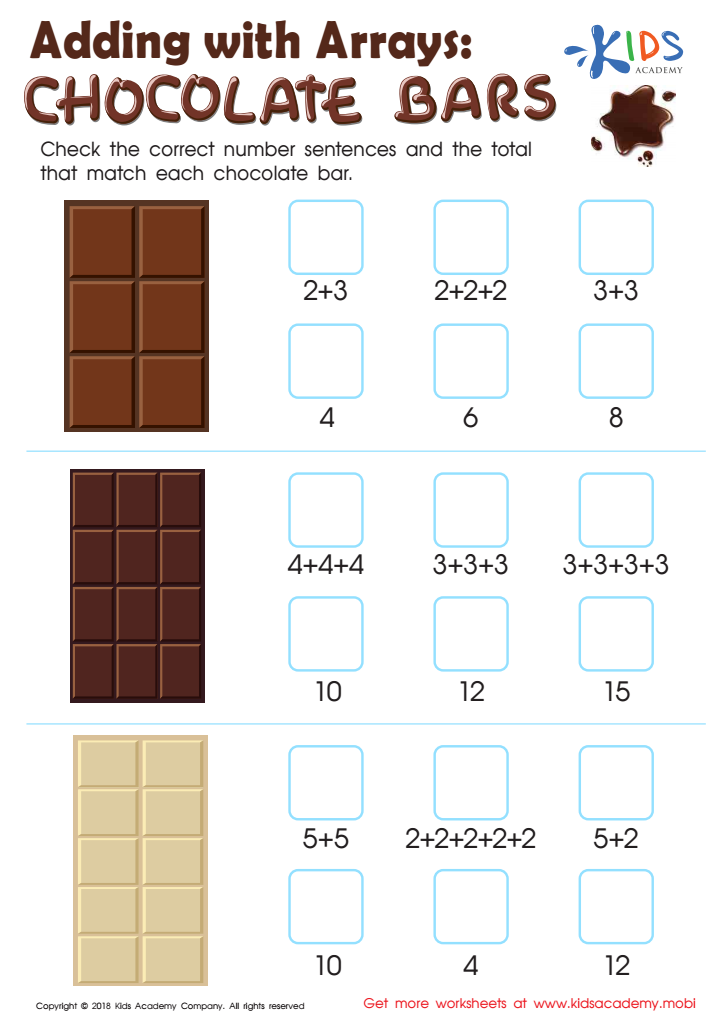
Adding with Arrays: Chocolate Bars Worksheet
Kids love chocolates! Gauge how enthused your kids get when you mention them. This worksheet is a fun exercise about chocolates - get your kids to check the correct number sentences and totals for each chocolate bar. Reward their hard work with some chocolates - extra incentive for a job well done!
Adding with Arrays: Chocolate Bars Worksheet
Worksheet
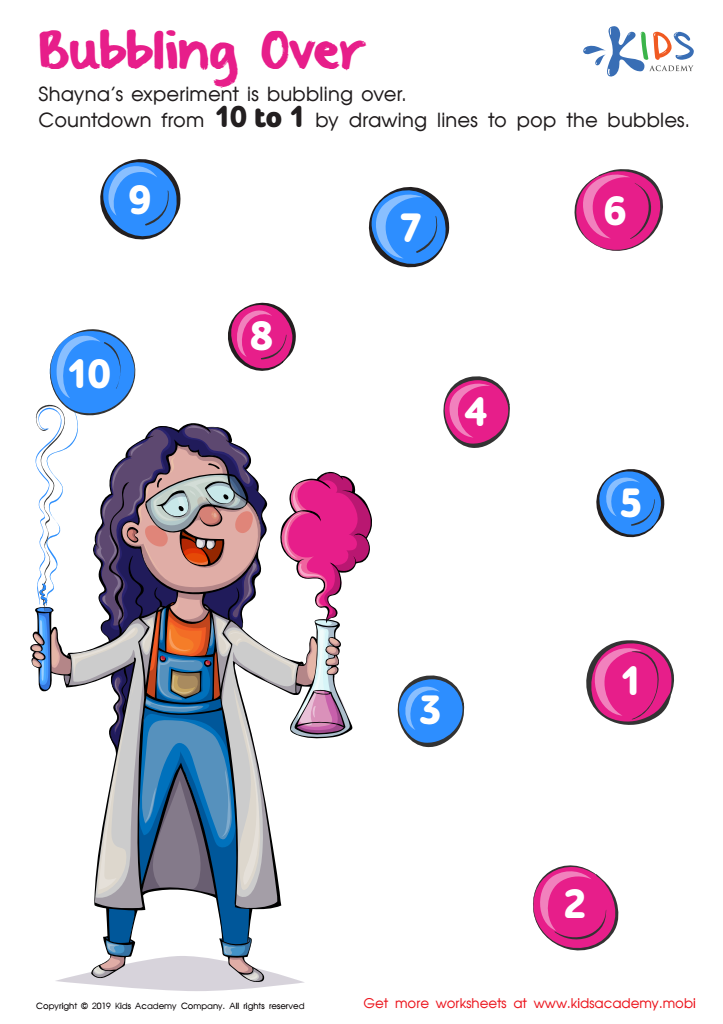
Bubbling Over Worksheet
Students love science experiments at the lab! They get to practice their counting skills while creating a masterpiece or an unexpected catastrophe! Ask them to count down from 10 to 1 by drawing lines to 'pop' the bubbles coming out of Shayna's experiment in the worksheet.
Bubbling Over Worksheet
Worksheet
Join Kids Academy for Free
Who is primarily going to use this learning content?







Comparing fractions is a fundamental concept in early mathematics education, especially for children ages 6-7. Parents and teachers should care deeply about this topic for several reasons.
Firstly, understanding how to compare fractions lays the groundwork for more complex mathematical concepts. It enhances logical thinking and allows children to make sense of parts versus wholes, which are essential in daily life situations, such as cooking or shopping.
Secondly, mastering fraction comparison fosters critical problem-solving skills. By learning to interpret visual models, like pie charts or number lines, children develop strong analytical abilities. Such skills will benefit them in later grades, making math more approachable and enjoyable.
Moreover, this knowledge promotes mathematical language development. When children discuss and communicate reasons behind their comparisons, they build vocabulary and cognitive connections across subjects.
Finally, encouraging children to understand fractions nurtures a positive attitude towards math as they gain confidence in their skills. Building a strong mathematical foundation early in their education empowers children to succeed in subsequent math challenges and nurtures a lifelong appreciation for learning. Therefore, investing time in teaching comparing fractions can have lasting benefits for children’s academic and personal growth.








