Enhance fine motor skills Math Worksheets for Ages 6-7
3 filtered results
-
From - To
Discover our engaging "Enhance Fine Motor Skills Math Worksheets" designed specifically for children aged 6-7. These worksheets not only promote essential early math concepts like counting, addition, and number recognition but also incorporate fun, hands-on activities that refine fine motor skills. As kids trace, color, and manipulate various math elements, they simultaneously develop coordination and control. Ideal for home or classroom use, these worksheets are perfect for fostering independence and confidence in young learners. Support your child's cognitive and motor skill development today with our thoughtfully crafted resources. Explore a variety of worksheets to make learning math an enjoyable adventure!
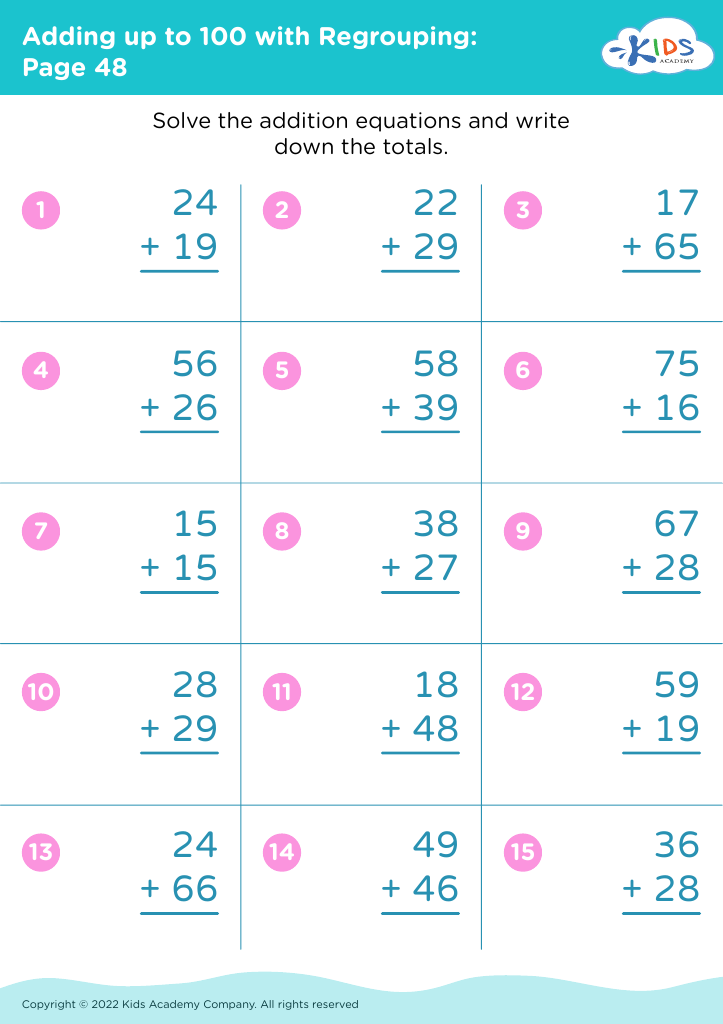
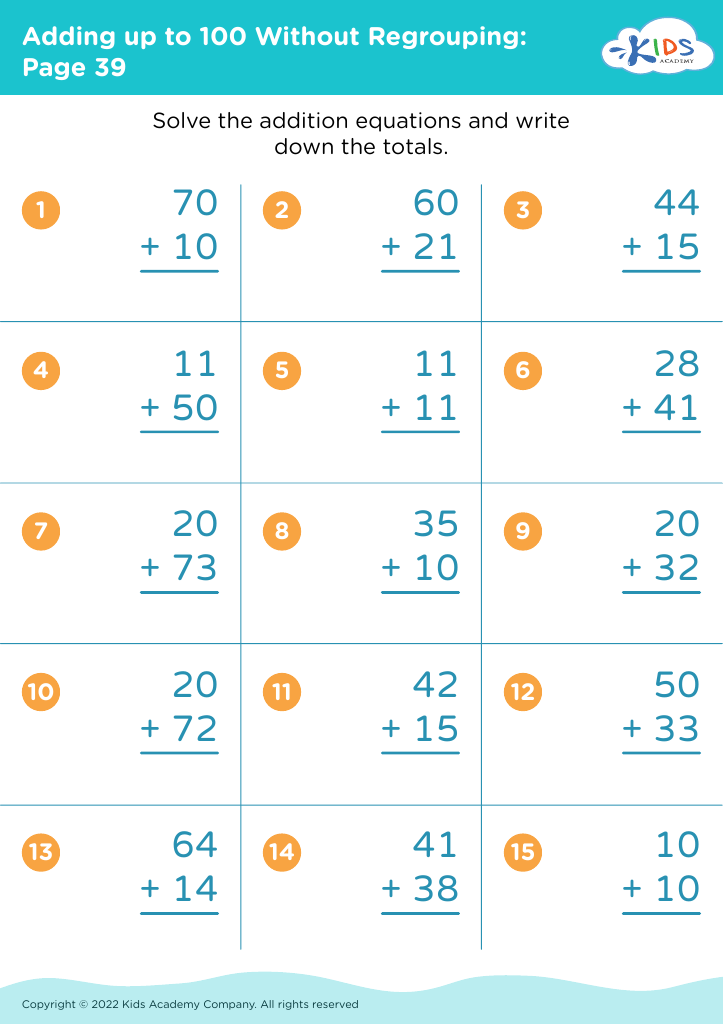
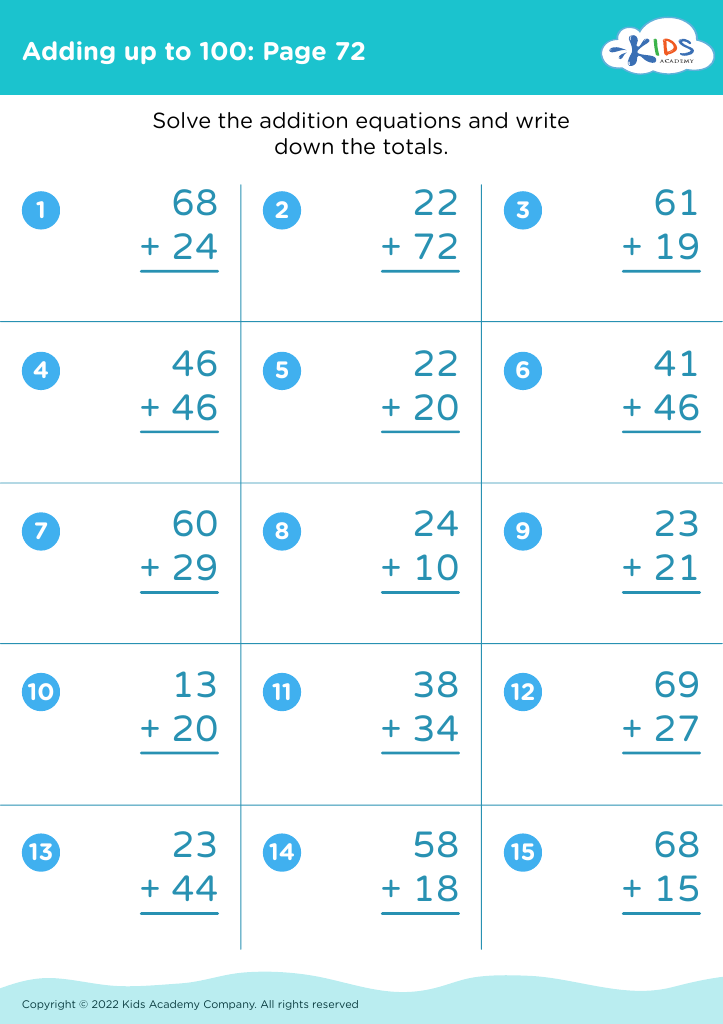








Fine motor skills, the small muscle movements in hands and fingers, are crucial for children aged 6-7, particularly in learning mathematics. As children develop these skills, they enhance their ability to perform tasks such as writing numbers, manipulating counting tools, and organizing materials—all foundational activities in math. Strengthening fine motor skills not only aids in children’s ability to write clearly and neatly but also helps them grasp mathematical concepts more effectively.
Parents and teachers should recognize that fine motor development is closely tied to cognitive development. Activities that promote dexterity, such as using scissors, playing with building blocks, or threading beads, can significantly support mathematical understanding, making concepts more tangible and interactive. Moreover, fine motor skills encourage problem-solving and critical thinking; as children manipulate objects, they learn to visualize and analyze patterns, shapes, and quantities.
By investing time in these skills, adults can provide children with the tools they need for both academic success and everyday problem-solving. The improvement in fine motor agility translates into greater confidence in math and increases overall engagement in learning. Ultimately, fostering fine motor development not only enables children to excel in math but also lays the foundational groundwork for future learning endeavors.








