Enhancing mental arithmetic Math Worksheets for Ages 6-7
4 filtered results
-
From - To
Welcome to our "Enhancing Mental Arithmetic Math Worksheets" specifically designed for ages 6-7. Our engaging and interactive worksheets are expertly crafted to boost young learners' confidence and proficiency in mental math skills. With a variety of fun exercises that incorporate addition, subtraction, and number patterns, children will enjoy honing their mathematical abilities in an exciting way. These worksheets aim to promote quick thinking and problem-solving, essential for building a solid math foundation. Perfect for classroom activities or home practice, our resources help children develop a love for math while enhancing their cognitive skills. Start your mental math journey today!
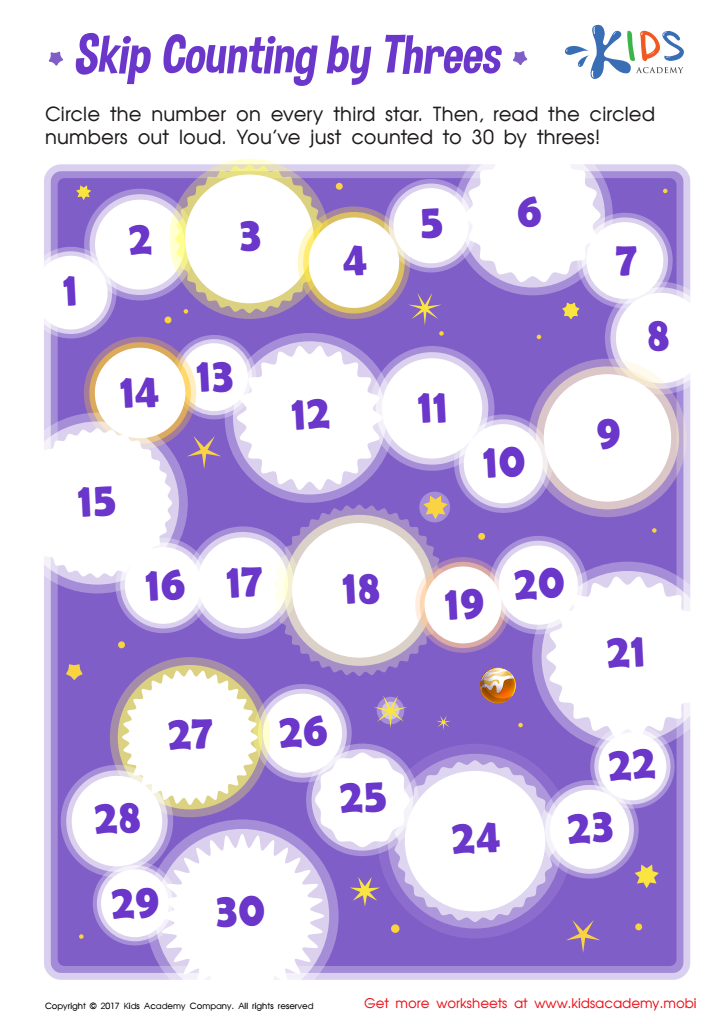
Skip Counting By Three Printable
 Assign to My Students
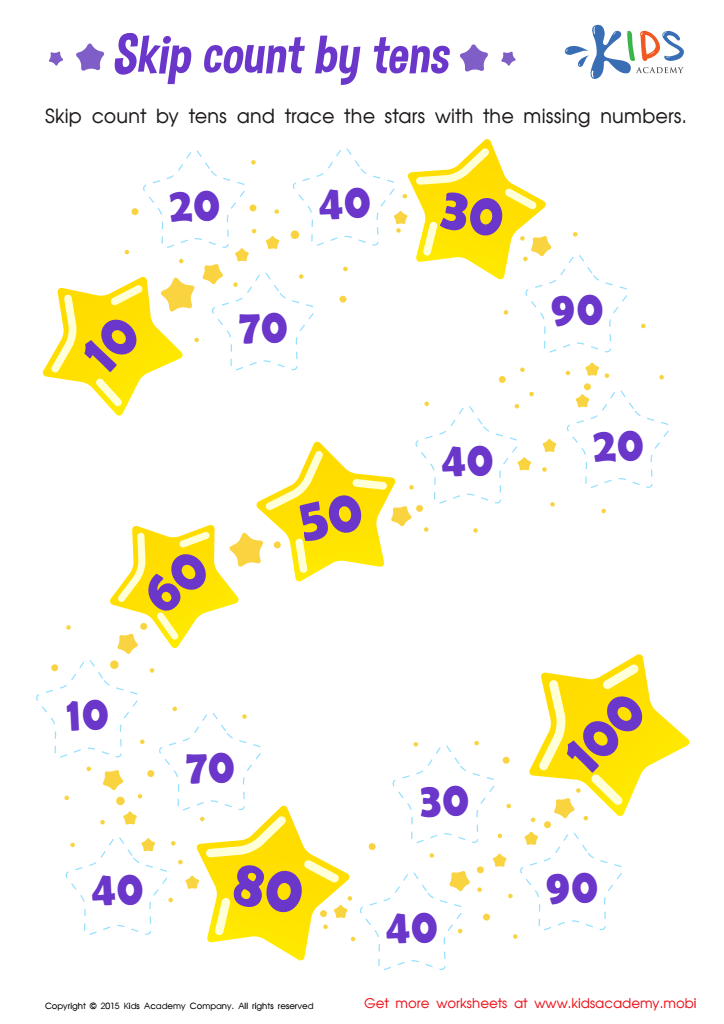
Learn dozens: Skip Count by Tens Printable

Penguin's Friendly Numbers Worksheet
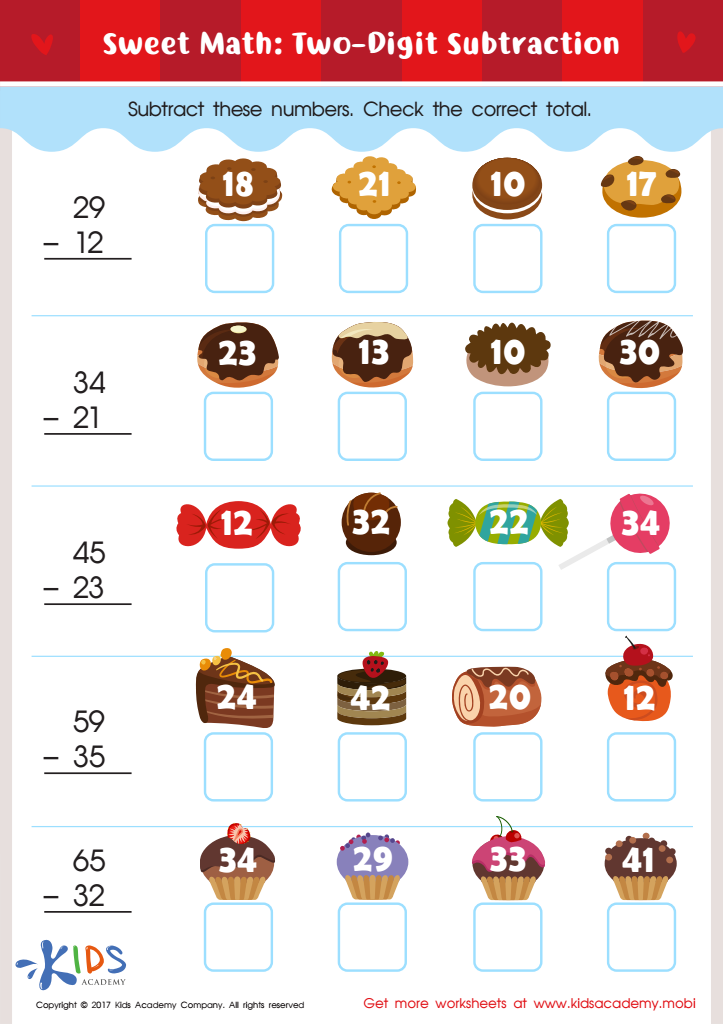
Two Digit Subtraction Worksheet


%20(1).jpg)




Enhancing mental arithmetic for children aged 6-7 is crucial for several reasons. First, this developmental stage is pivotal in establishing a strong foundation for mathematical understanding. Children are naturally curious and capable of grasping basic concepts such as addition and subtraction. Encouraging mental arithmetic allows them to develop confidence and fluency, making math less intimidating.
Second, mental arithmetic fosters critical thinking and problem-solving skills. Children learn to visualize numbers and relationships in their heads, promoting cognitive skills that benefit not just math but other subjects as well. These skills translate into everyday situations, enhancing their ability to make quick decisions.
Additionally, a strong grasp of mental math can improve overall academic performance. Studies have shown that students with solid arithmetic skills tend to excel in standardized testing and comprehension in more complex mathematical concepts as they progress.
Finally, involving parents and teachers in enhancing mental arithmetic creates a supportive learning environment. Activities such as games, quizzes, and discussions around math can strengthen the child's interest in the subject, leading to a lifelong appreciation for learning. Overall, investing in mental arithmetic training at an early age cultivates both cognitive development and a positive attitude toward mathematics.








