
Fine motor skills (drawing) Math Worksheets for Ages 6-7
5 filtered results
Difficulty Level
Grade
Age
-
From - To
Subject
Activity
Standards
Enhance your child's fine motor skills with our engaging math worksheets designed specifically for ages 6-7! Featuring interactive drawing activities, these worksheets not only strengthen hand-eye coordination but also encourage creativity and numerical understanding. Your child will practice essential math concepts while enjoying fun drawing exercises that promote dexterity and precision. Ideal for young learners, these worksheets make learning enjoyable and tactile! Explore our collection of fine motor skills math worksheets today and provide your child with the tools they need to thrive in their educational journey. Perfect for classroom use or at-home learning, they are a fantastic resource for parents and teachers alike!
Favorites
With answer key
Interactive
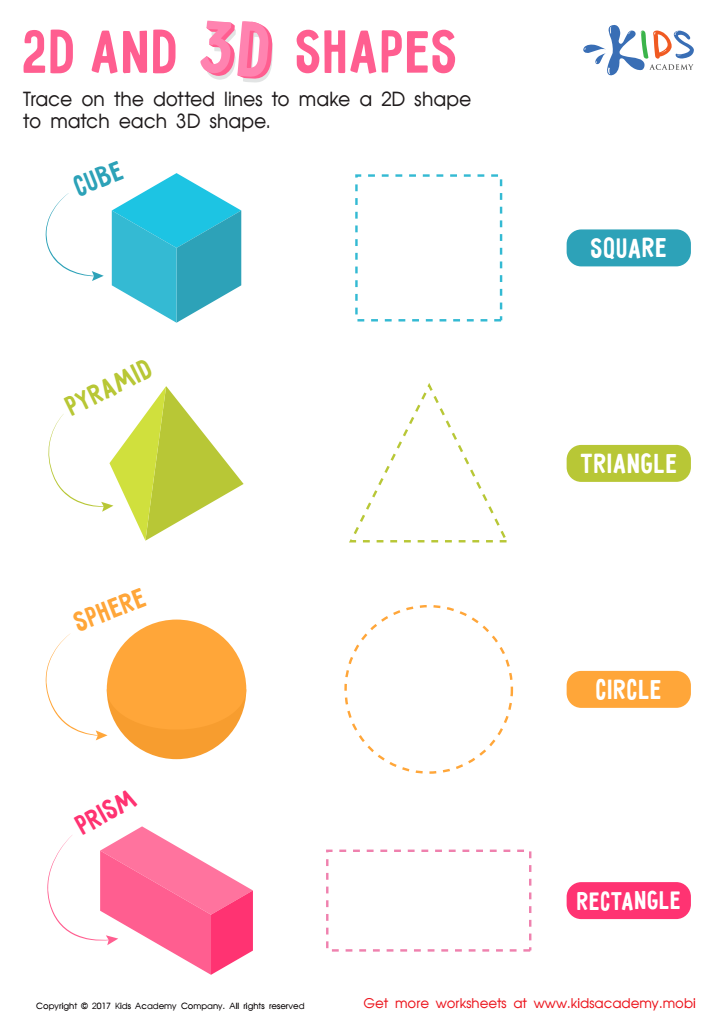
2D and 3D Shapes Worksheet
Introduce your child to 3D and 2D with this traceable worksheet. With dotted lines, help them trace and make a 2D shape for each 3D shape: square, triangle, rectangle, and circle. Show them there's more than one way to draw! You may have taken them to a 3D movie, or they've seen some fantastic 3D art. Now they can wonder no more.
 Assign to My Students
2D and 3D Shapes Worksheet
Worksheet
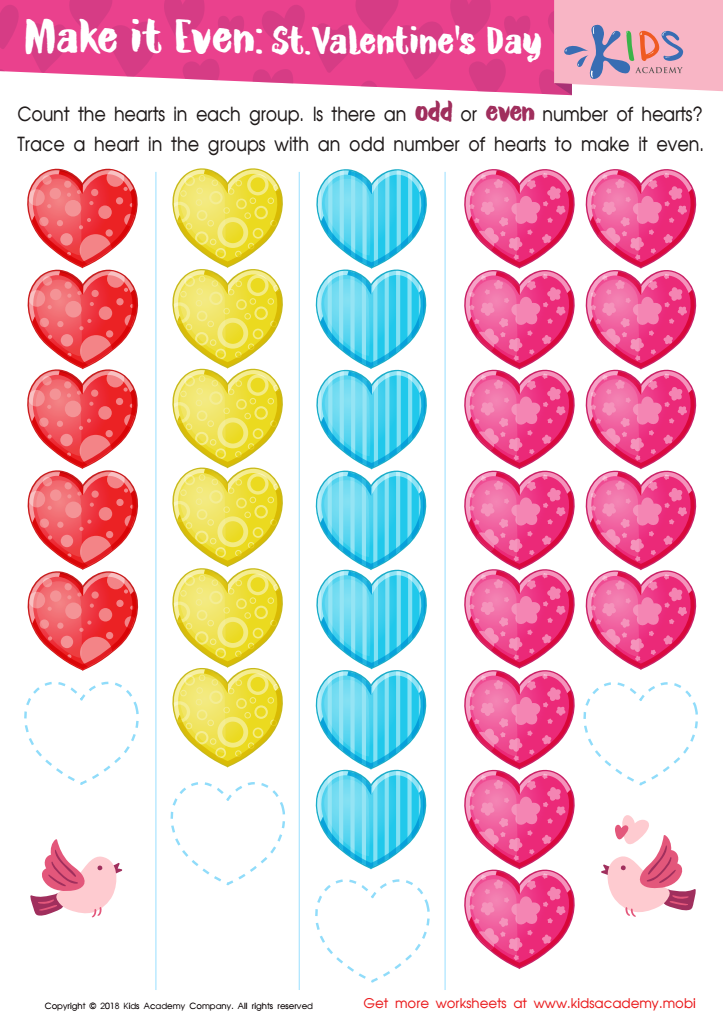
Make it Even: St. Valentine's Day Worksheet
Does your child love Valentine's Day? Make it special with this worksheet! Kids can use their counting skills to determine if each group has an even or odd number of hearts, then trace a heart in the odd groups. Help them make it even and have fun!
Make it Even: St. Valentine's Day Worksheet
Worksheet
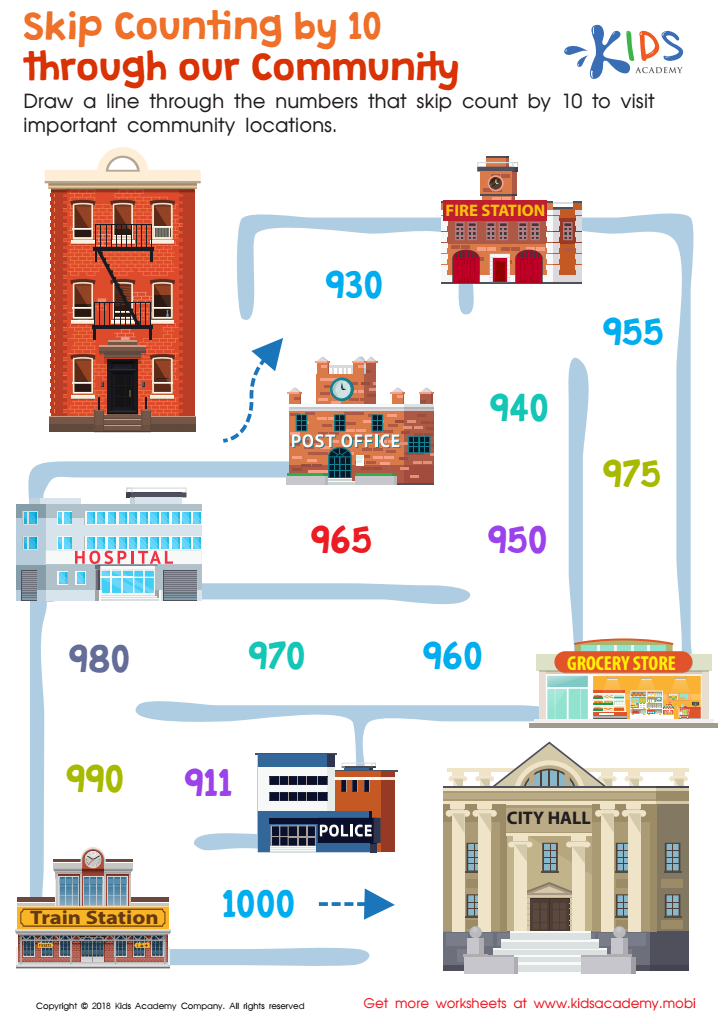
Skip Counting by 10 Through Our Community Worksheet
Our kids need to 'make a ten' and skip count by tens to boost their speed and accuracy in math. This cool, free worksheet takes them on a journey through their local community to practice counting by tens. They'll work on social studies and fine motor skills while having fun with the maze they get to count by tens in!
Skip Counting by 10 Through Our Community Worksheet
Worksheet
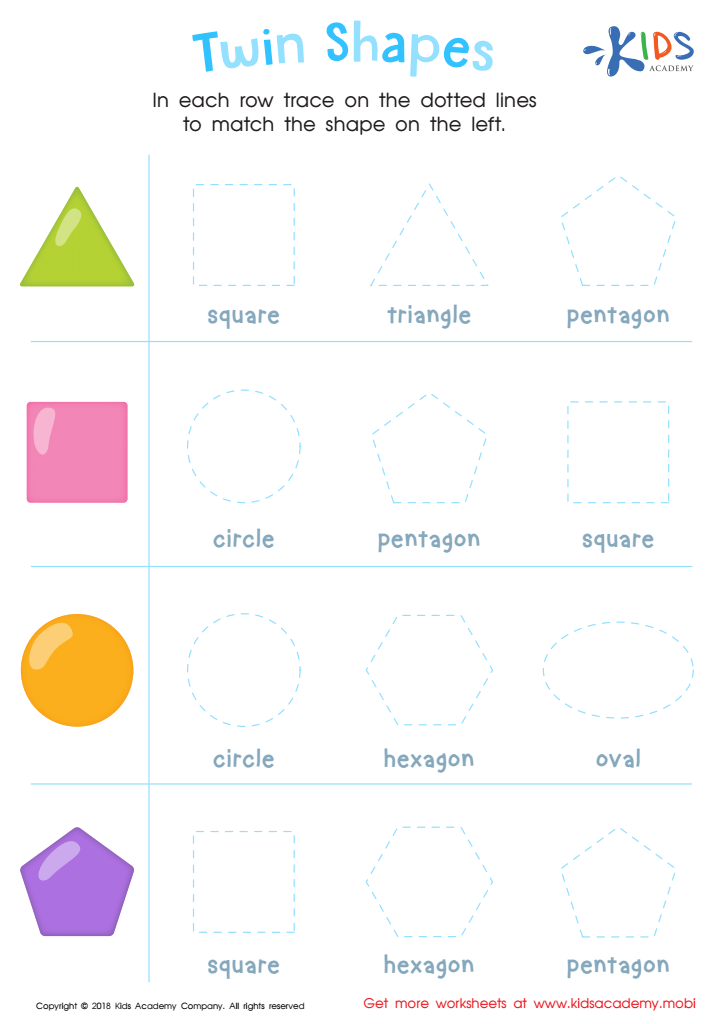
Twin Shapes Dot-to-Dot Worksheet
Test your child's ability to copy with this worksheet. Ask them to find and name the four shapes on the left. Then, they must match each with the dotted lines on the right. Help your child with all four shapes in this fun exercise.
Twin Shapes Dot-to-Dot Worksheet
Worksheet
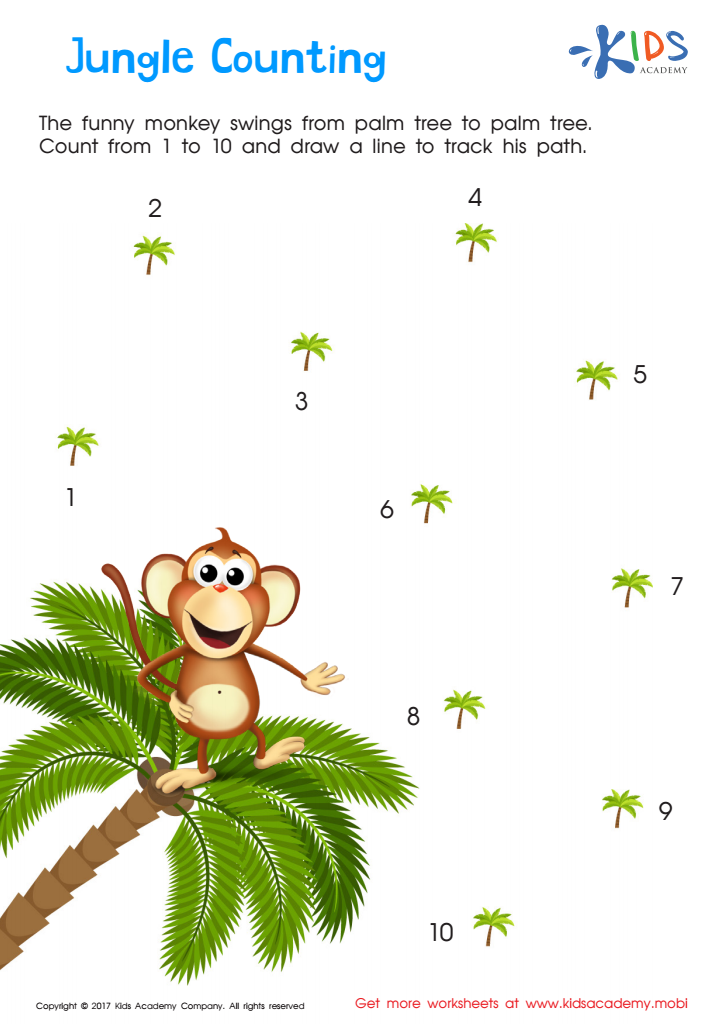
Jungle Counting Connect Dots Worksheet
Help your child count from 1-10 and practice problem solving skills with this dot to dot worksheet. Your child will enjoy helping the cute monkey swing from tree to tree while honing their math skills. Let them have a jungle-themed counting adventure!
Jungle Counting Connect Dots Worksheet
Worksheet
Join Kids Academy for Free
Who is primarily going to use this learning content?



.jpg)

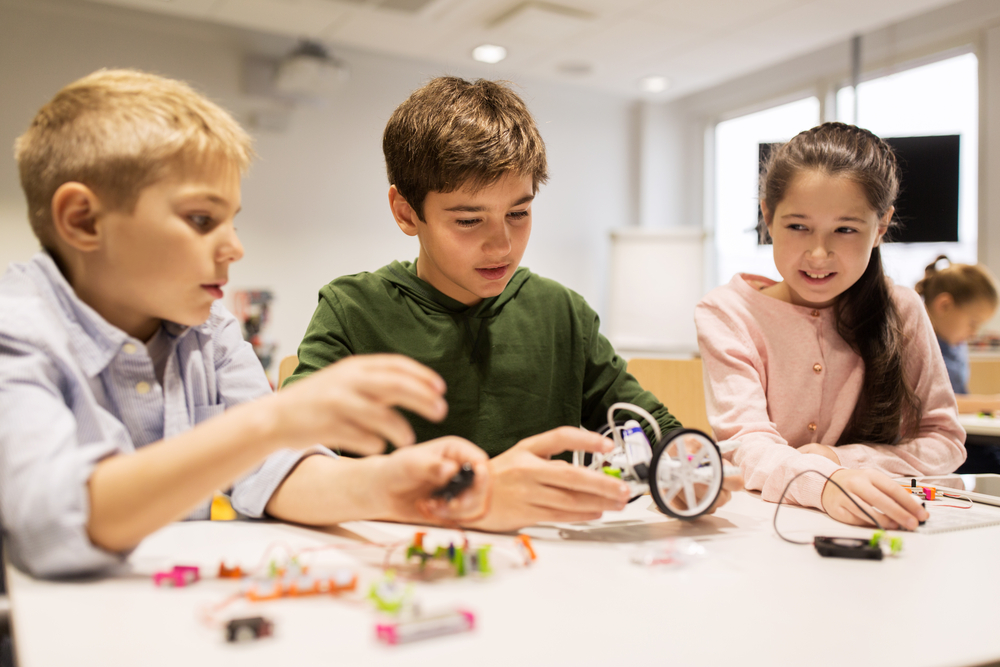


Fine motor skills, particularly drawing, are fundamental for children aged 6-7 as they lay the groundwork for various aspects of learning and development. Firstly, these skills enhance hand-eye coordination, which is essential for tasks such as writing and playing musical instruments. Improved coordination helps children during daily activities, promoting independence and self-confidence.
Drawing also serves as a vital communication tool. At this age, children grapple with expressing their thoughts and feelings; drawing allows them to convey ideas in visually creative ways, aiding in emotional and social development. Moreover, as children learn to control their pencil strokes and shading, they bolster their cognitive abilities, including concentration and problem-solving.
In the context of math, drawing plays a significant role. Visualizing numbers and geometric shapes through drawing helps kids grasp mathematical concepts more effectively. Engaging with math through artistic expression can enhance their enthusiasm and understanding of the subject.
Ultimately, when parents and teachers emphasize fine motor skills and drawing at this critical developmental stage, they foster well-rounded learners equipped with essential life skills that translate into academic success and personal growth. The intersection of art and mathematics creates rich learning experiences that benefit children far beyond the classroom.








