
Identifying fractions Math Worksheets for Ages 6-7
4 filtered results
Difficulty Level
Grade
Age
-
From - To
Subject
Activity
Standards
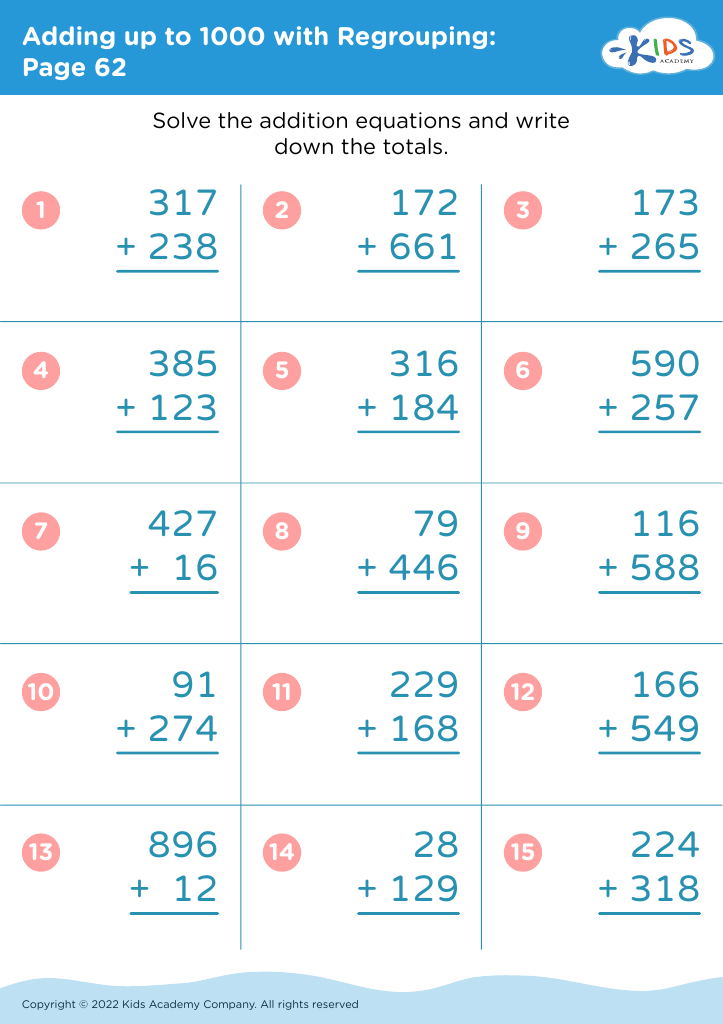
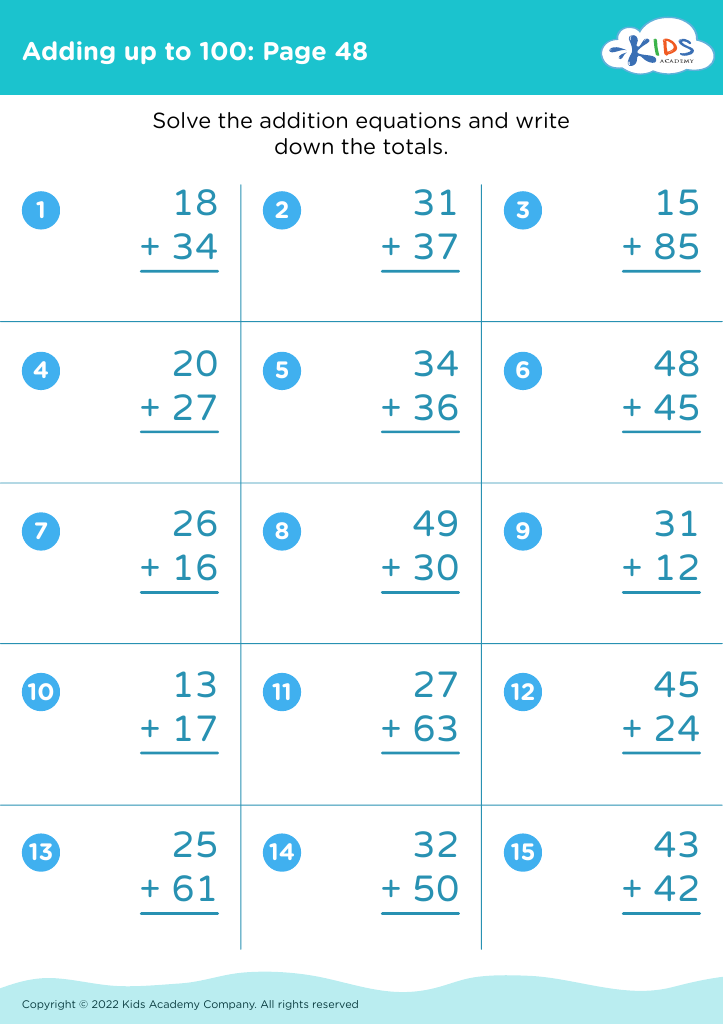
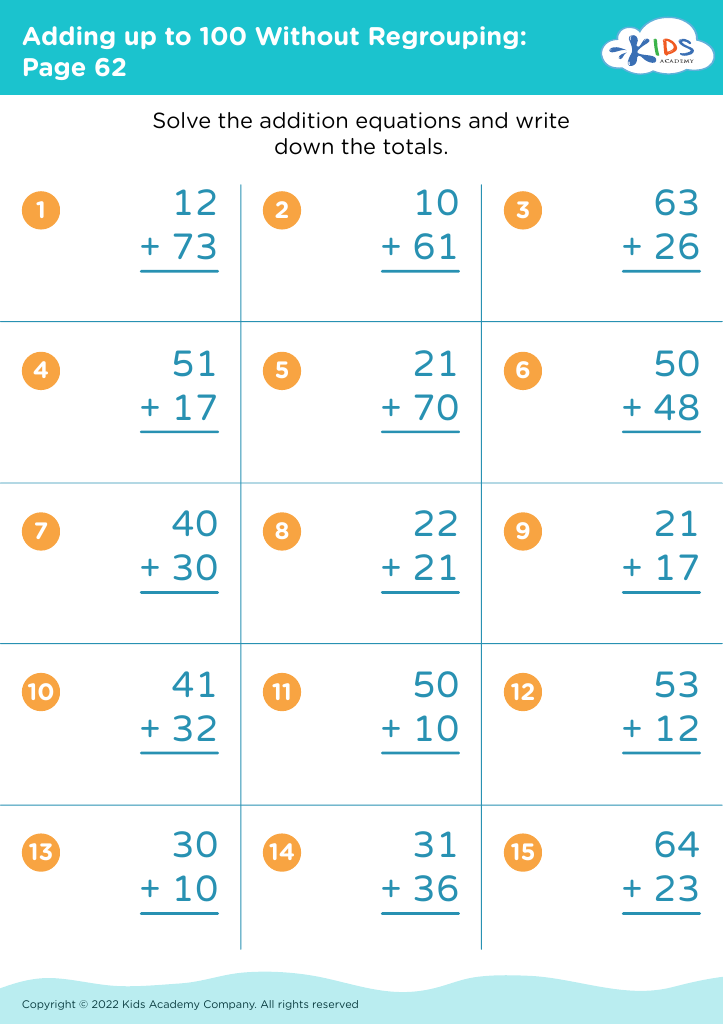
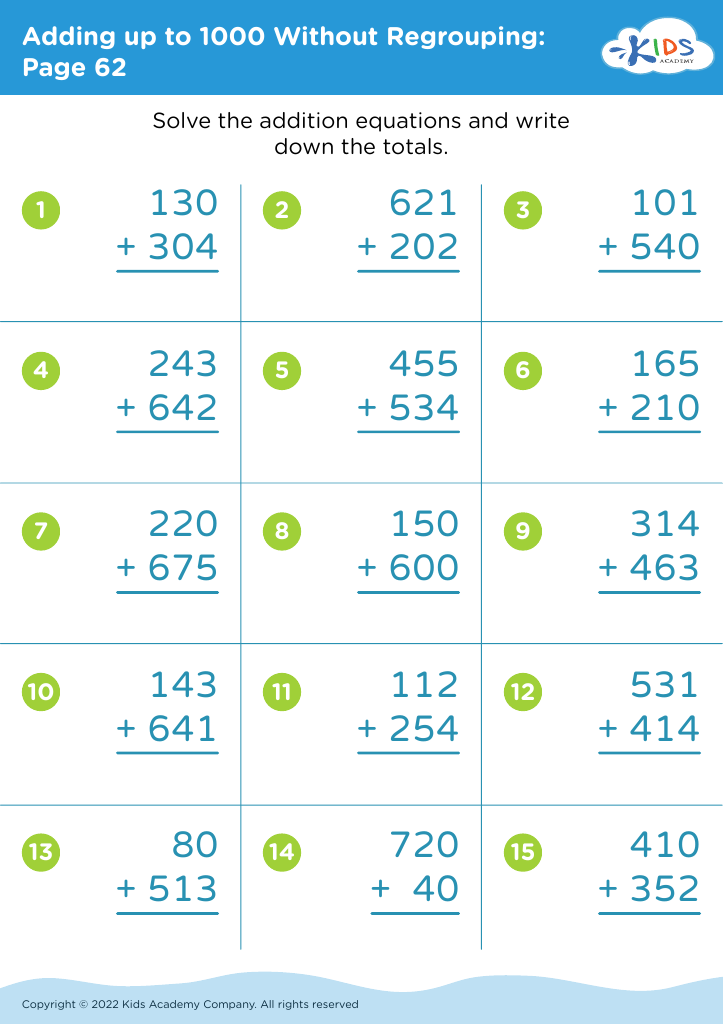
Unlock the world of fractions for your 6-7 year old with our engaging Identifying Fractions Math Worksheets. Designed to make learning fun and easy, these worksheets help children understand basic fractions like halves, thirds, and quarters. Our printable resources use colorful visuals and hands-on activities to foster critical thinking and problem-solving skills. Whether at home or in the classroom, these worksheets are the perfect addition to your math curriculum, ensuring a solid foundation in fraction concepts. Empower your child to master fractions and build a love for math with Kids Academy’s expertly crafted worksheets.
Favorites
With answer key
Interactive
Join Kids Academy for Free
Who is primarily going to use this learning content?







Identifying fractions at an early age, particularly for children aged 6-7, lays a vital foundation for their mathematical understanding and critical thinking skills. At this developmental stage, children are typically mastering basic math concepts, and introducing fractions helps them grasp the idea that whole numbers can be divided into smaller, equal parts. This understanding is not only essential for more complex mathematical concepts they will encounter later, such as algebra and geometry, but it also enhances their problem-solving abilities.
By understanding fractions, children learn to visualize and interpret quantities, which improves their spatial reasoning. For instance, recognizing that half a pizza is smaller than a whole pizza makes abstract numbers more relatable and easier to grasp. Additionally, knowledge of fractions is applicable in everyday life scenarios, such as cooking, measuring, and dividing items, making it a practical and essential skill.
For teachers and parents, early introduction to fractions means fostering a positive attitude towards math. It can reduce anxiety around the subject by making children comfortable with mathematical terms and operations early on. Moreover, teaching fractions through interactive activities, like cutting shapes or sharing treats, can turn learning into an engaging and enjoyable process, promoting a lifelong interest in mathematics.








