Math skills improvement Math Worksheets for Ages 6-7
7 filtered results
-
From - To
Enhance your child's math skills with our expertly designed worksheets for ages 6-7! Our engaging and interactive math worksheets focus on essential concepts such as addition, subtraction, number recognition, and basic problem-solving. Tailored to suit young learners, these resources promote confidence and independence in math through fun activities and challenges. Each worksheet is thoughtfully crafted to reinforce key skills while keeping your child motivated and eager to learn. With countless printable options available, parents and teachers can easily integrate these worksheets into daily practice. Discover the joy of math learning today and watch your child thrive in their mathematical journey!
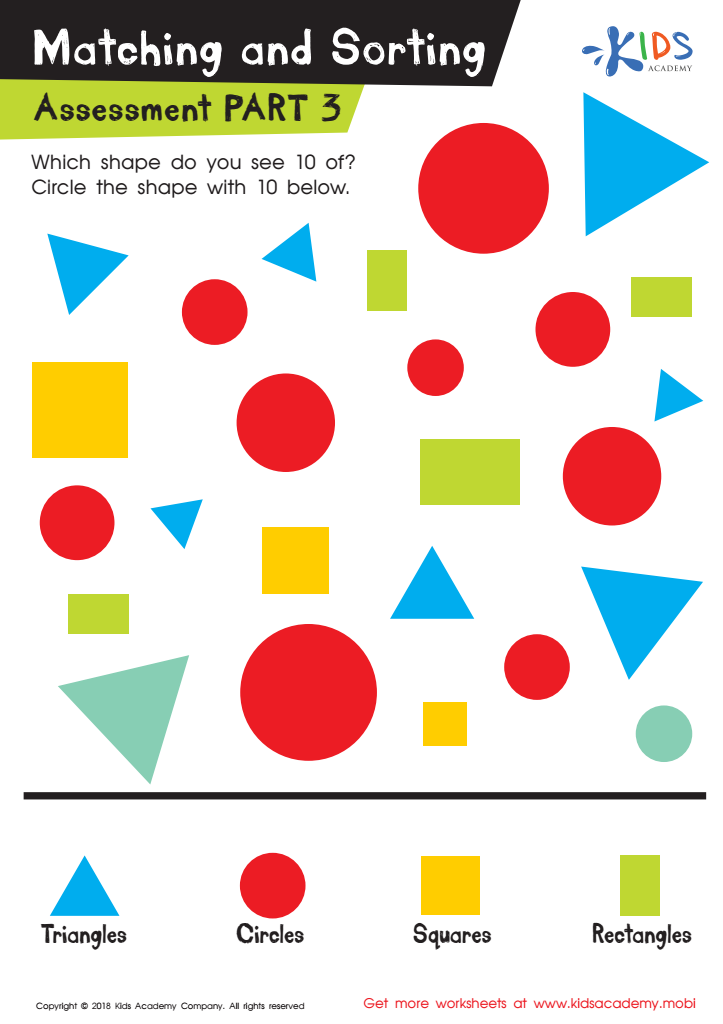
Matching and Sorting for Kindergarten: Assessment 3 Worksheet
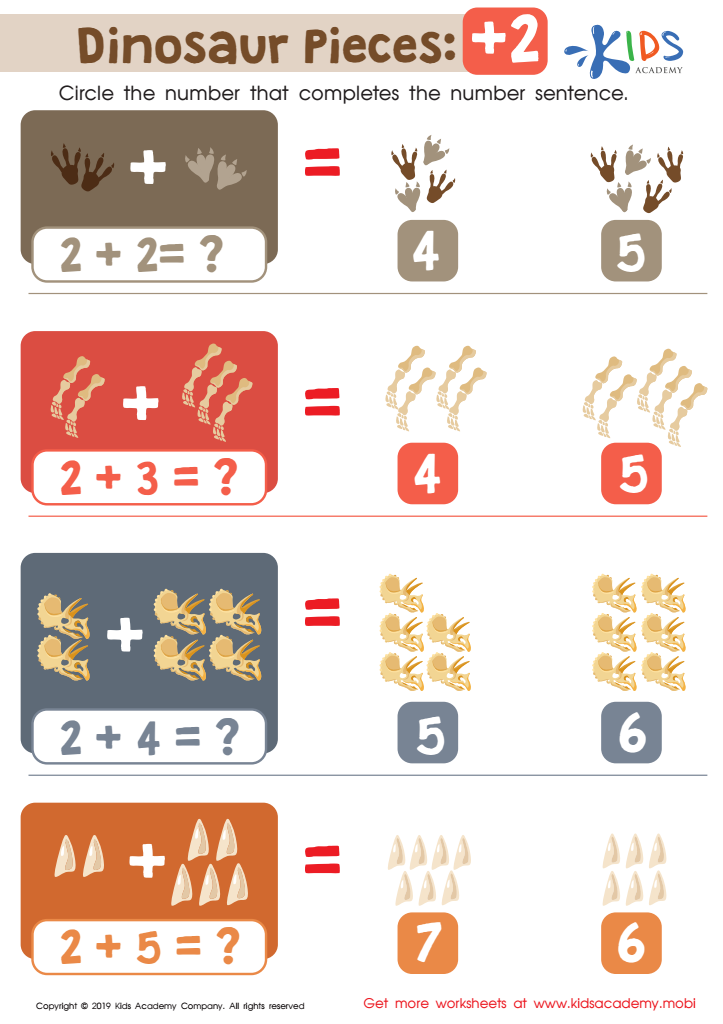
Dinosaur Pieces: +2 Worksheet
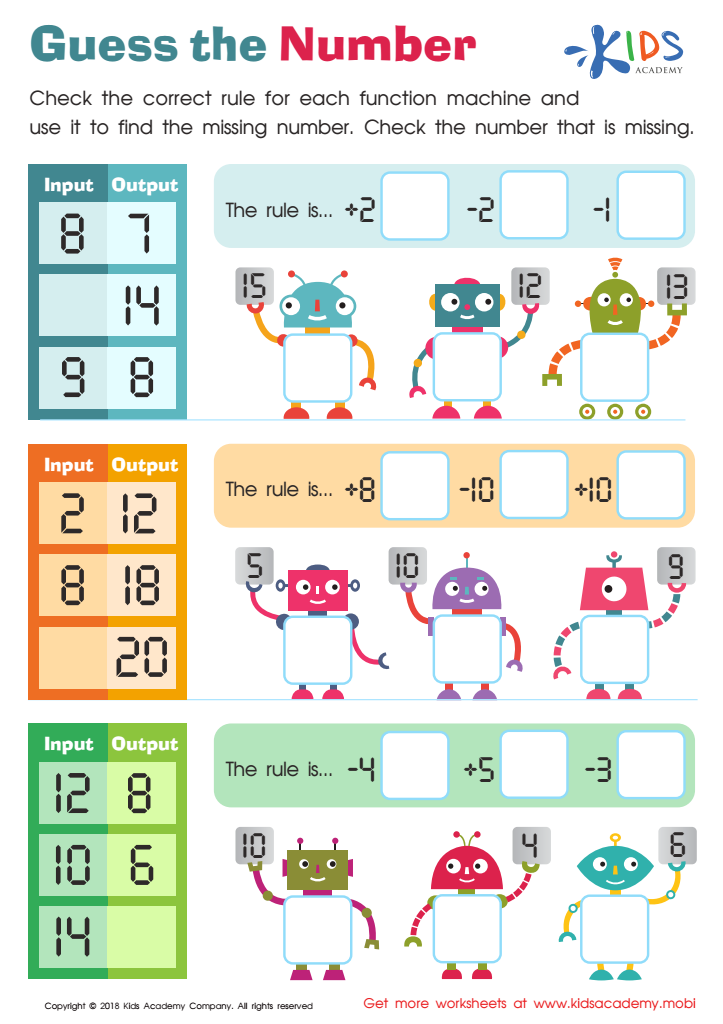
Guess the Number Worksheet
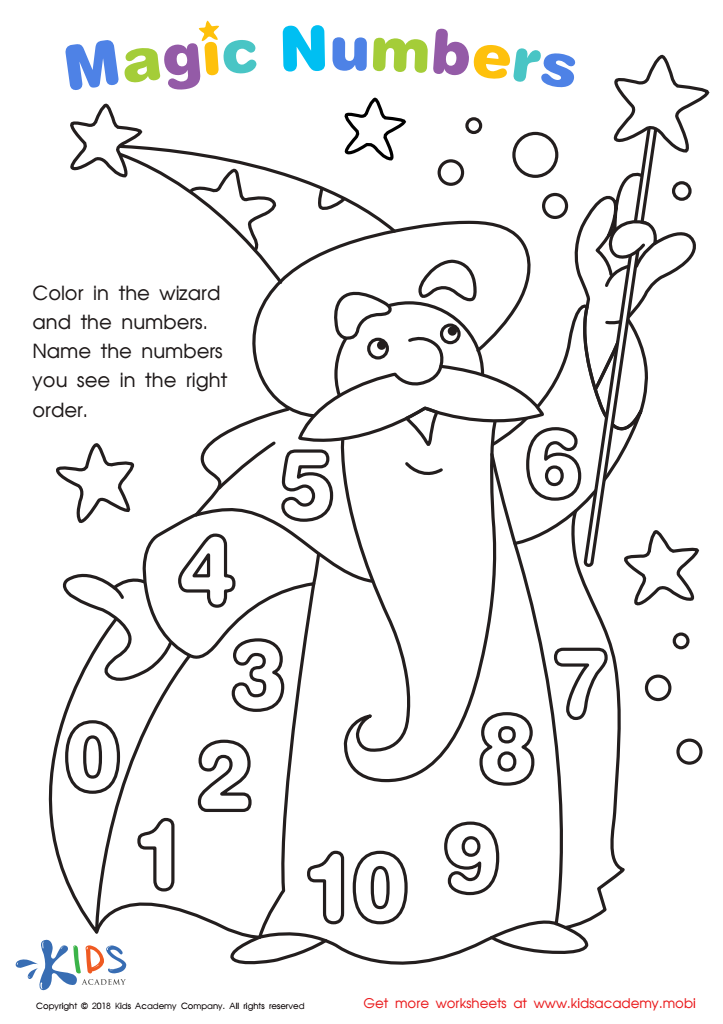
Magic Numbers Worksheet
 Assign to My Students
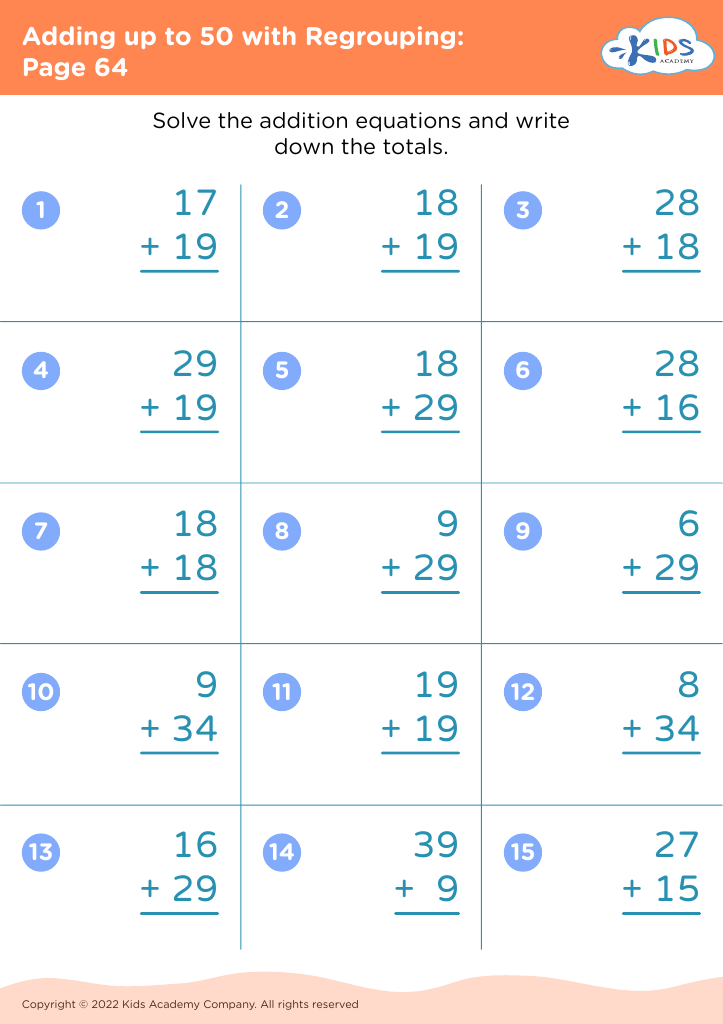
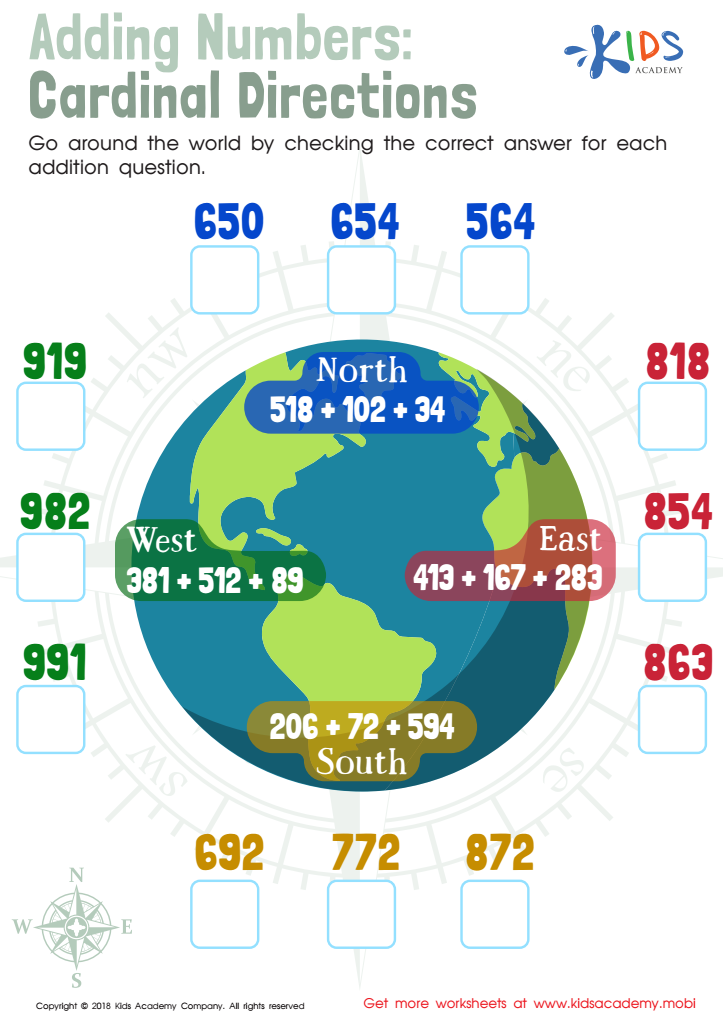
Adding Numbers: Cardinal Directions Worksheet




.jpg)



Developing strong math skills in children aged 6-7 is crucial for their overall cognitive development and future academic success. At this age, children build foundational concepts such as counting, basic addition and subtraction, and recognizing patterns. Mastery of these skills not only enhances their mathematical understanding but also boosts their confidence in problem-solving situations.
Early math education supports critical thinking and analytical skills, helping children become more adaptable and resourceful learners. Furthermore, these skills are vital in everyday life, from simple tasks like shopping or cooking to more complex decision-making as they grow older.
Parents and teachers should actively engage in enhancing math skills because strong foundational knowledge sets the stage for later learning. Children who struggle with early math concepts may face challenges in later grades, leading to gaps in knowledge that can hinder their academic progress. By prioritizing math skill improvement, parents and teachers can cultivate a positive attitude toward learning, instilling a love for mathematics that encourages exploration and curiosity. Ultimately, enhanced math skills equip young learners with the necessary tools to succeed not only academically but also in their everyday lives, fostering a growth mindset that will serve them well into adulthood.








