Mathematical thinking Math Worksheets for Ages 6-7
6 filtered results
-
From - To
Boost your child's mathematical skills with our engaging "Mathematical Thinking Math Worksheets for Ages 6-7." Designed by educational experts, these printable worksheets nurture fundamental math concepts while fostering logical reasoning and analytical thinking. Each activity offers a balance of challenges and fun, ensuring that young learners stay motivated and confident. Our worksheets cover topics such as basic arithmetic, patterns, shapes, and problem-solving, providing diverse practice opportunities to solidify understanding. Perfect for classroom use or homeschooling, these worksheets are an excellent resource to support your child's math journey and build a strong foundation for future success.
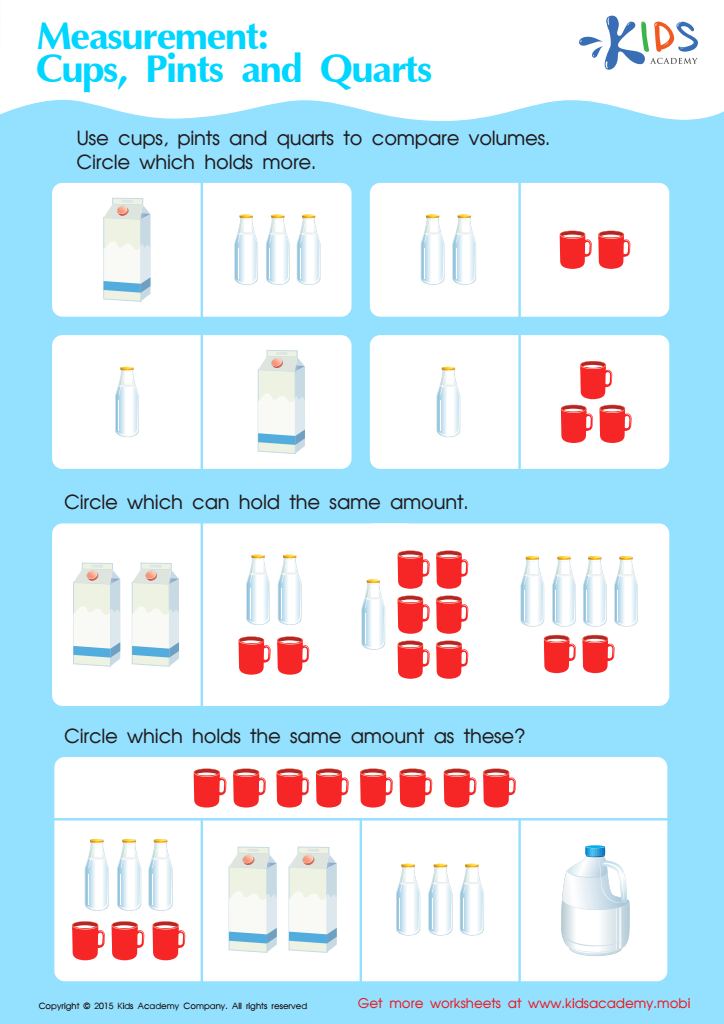
Measurement: Compare Volumes Worksheet
 Assign to My Students
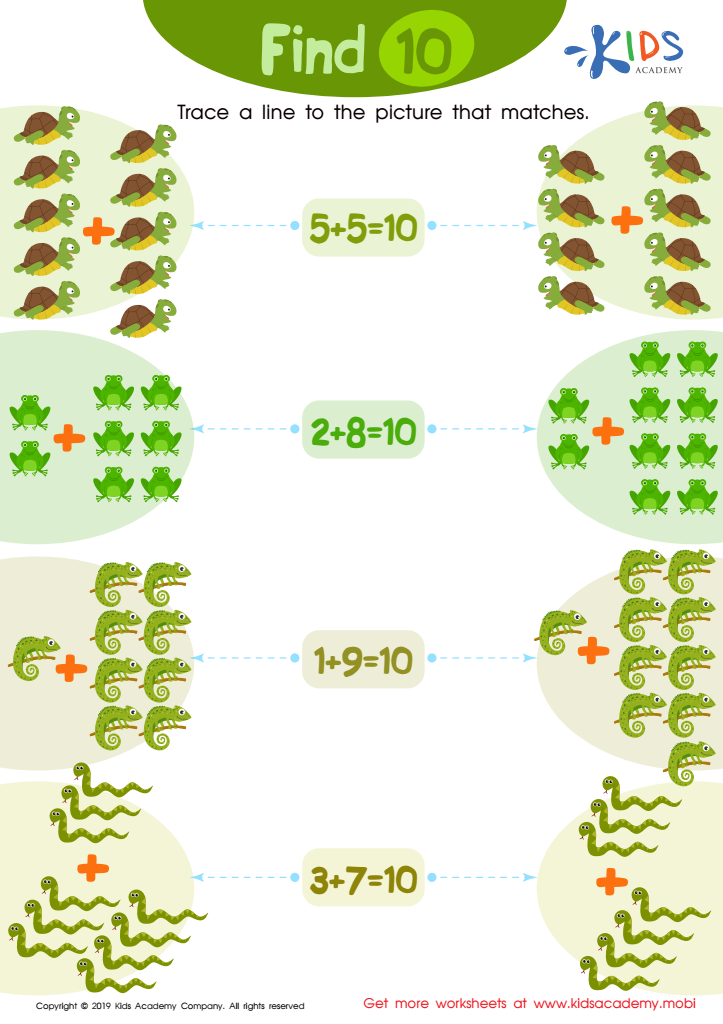
Find 10 Worksheet
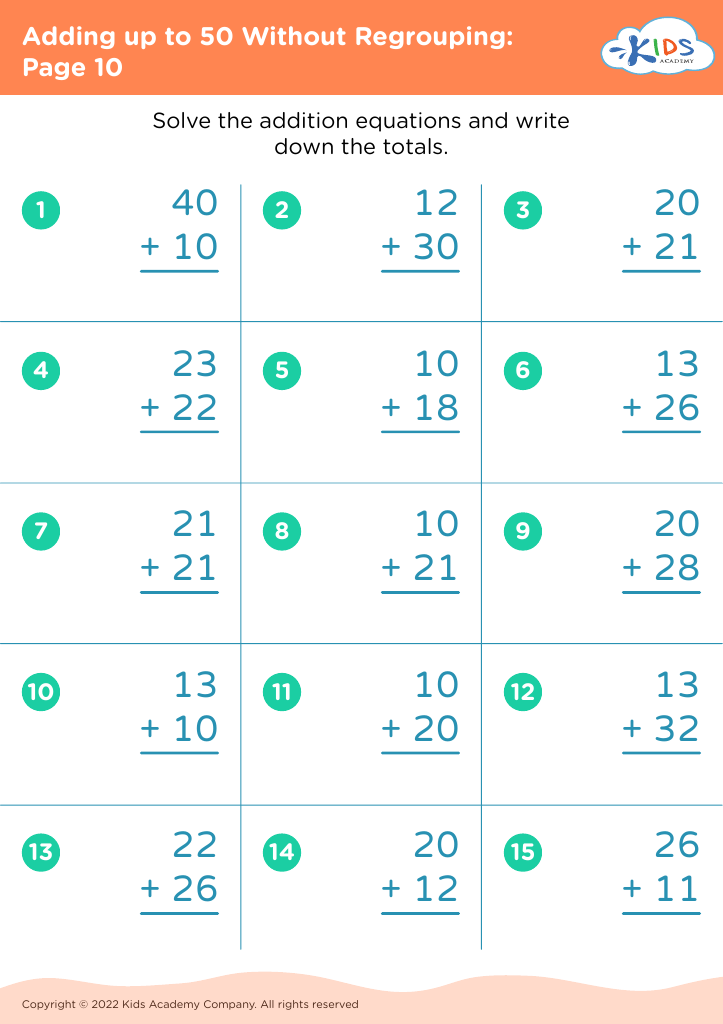
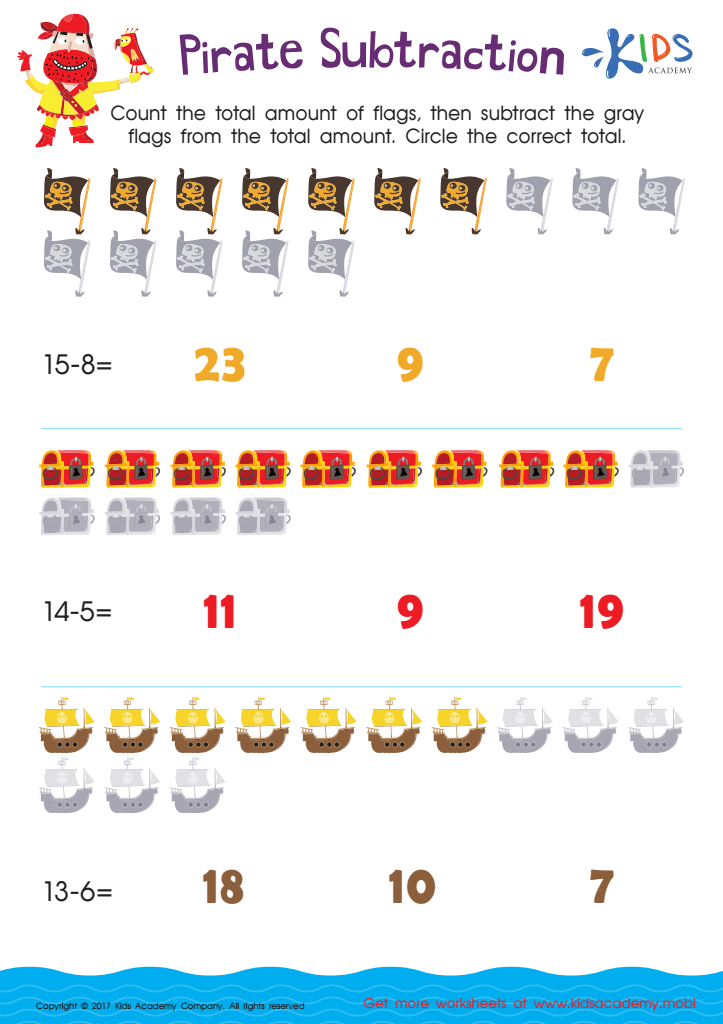
Pirate Subtraction Substraction Worksheet
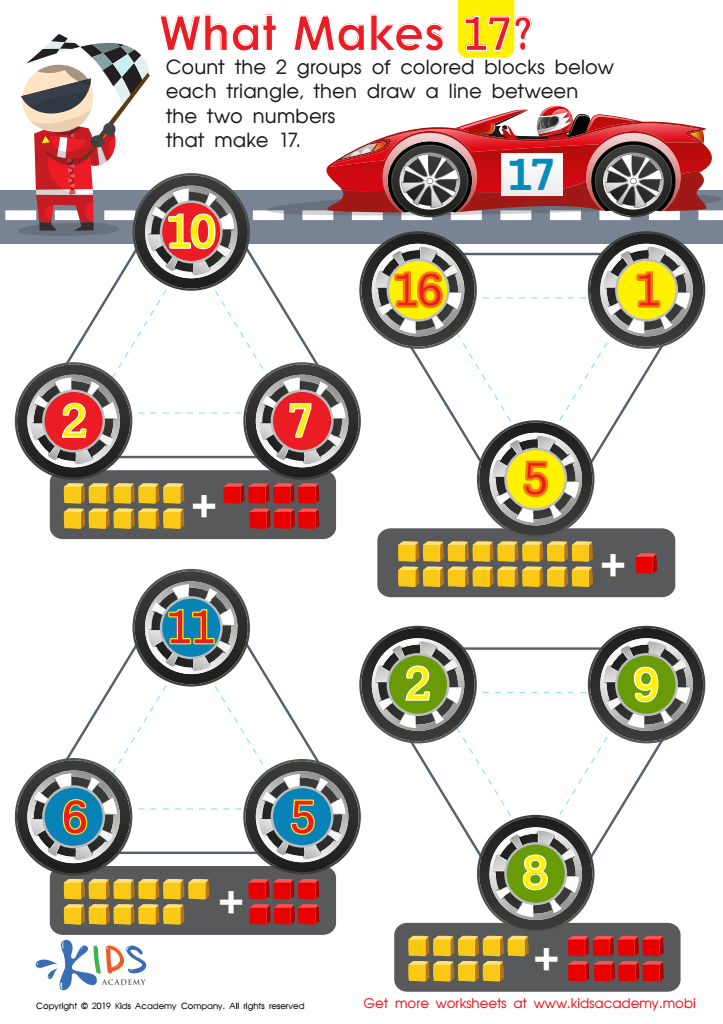
What Makes 17 Worksheet
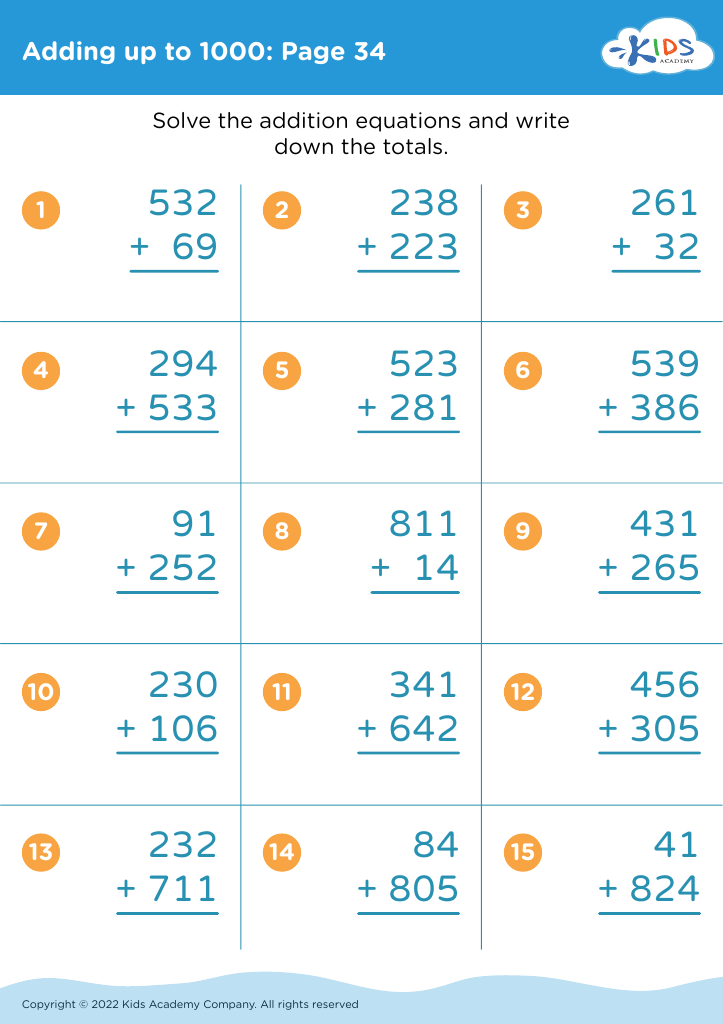


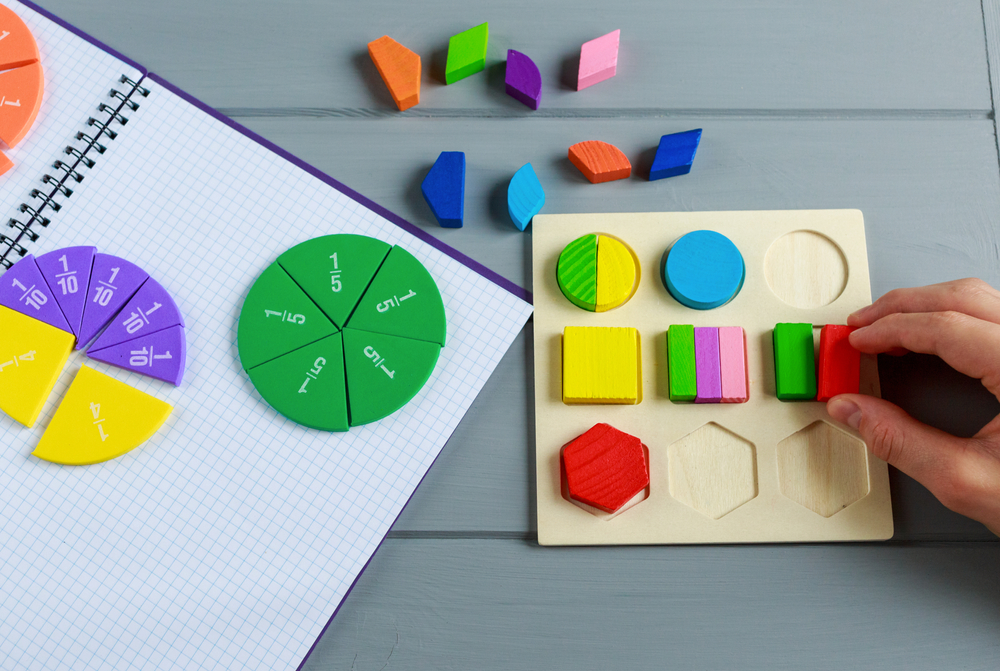





Mathematical thinking is a critical skill for children aged 6-7, and it greatly benefits both their academic development and everyday problem-solving abilities. At this age, young learners are extremely receptive to new concepts, and introducing math helps cultivate a foundation for logical and analytical thinking. This foundation is crucial as it enables children to make sense of the world around them—skills they will use throughout their educational journey and beyond.
For parents and teachers, fostering mathematical thinking in early elementary years promotes a positive attitude towards math. This period is when children form their perceptions about subjects, and a positive early experience with math can lead to increased confidence and a willingness to engage with complex problems later on. Engaging activities, games, and puzzles related to math can make the learning process enjoyable, turning abstract concepts into fun challenges.
Moreover, early exposure to mathematical thinking develops essential life skills, such as critical thinking, pattern recognition, spatial awareness, and time management. These skills aren't limited to math—they transfer to reading, writing, science, and social interactions. By investing in children's mathematical development, parents and teachers are setting them on a path to become well-rounded individuals who are adept at both group and independent problem-solving. Another benefit is instilling curiosity and perseverance, habits that are helpful in all areas of study and life.








