Observation skills Math Worksheets for Ages 6-7
3 filtered results
-
From - To
Enhance your child’s learning experience with our Observation Skills Math Worksheets for Ages 6-7. These engaging activities are designed to sharpen young minds by improving critical thinking and attention to detail. Perfectly tailored for first graders, our worksheets combine fun challenges with educational content to foster an interest in math. Kids will love identifying patterns, finding differences, and solving intriguing puzzles, all while building foundational math and observation skills. These printable resources support both classroom and home learning, ensuring your child develops the essential skills for future academic success. Download now and watch their confidence and abilities grow!
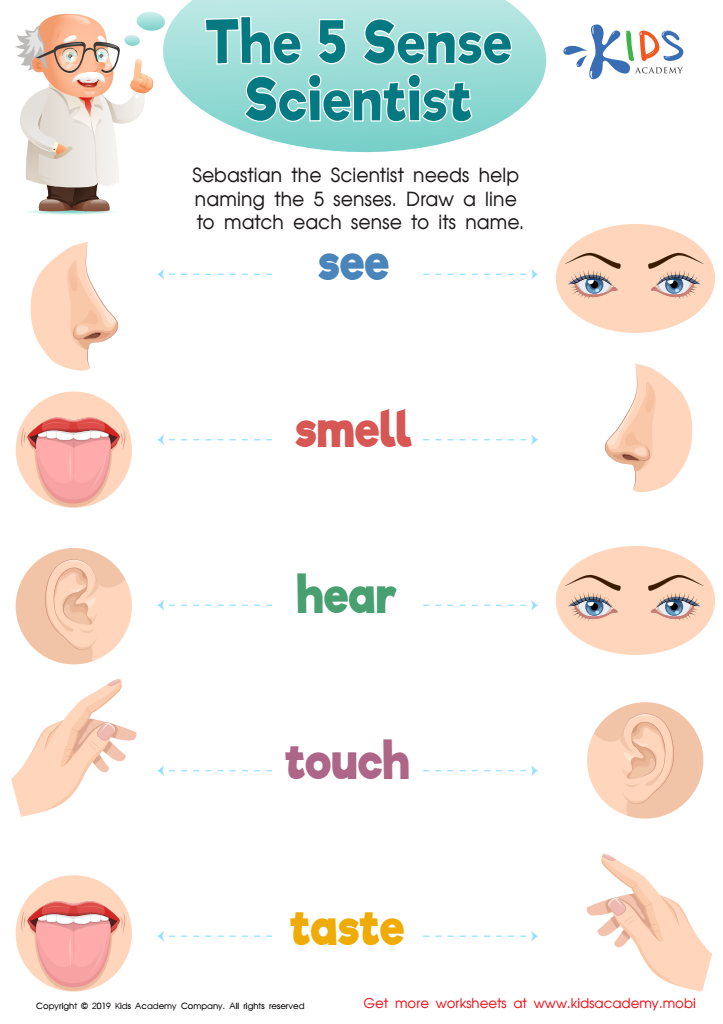
The 5 Sense Scientist Worksheet
 Assign to My Students
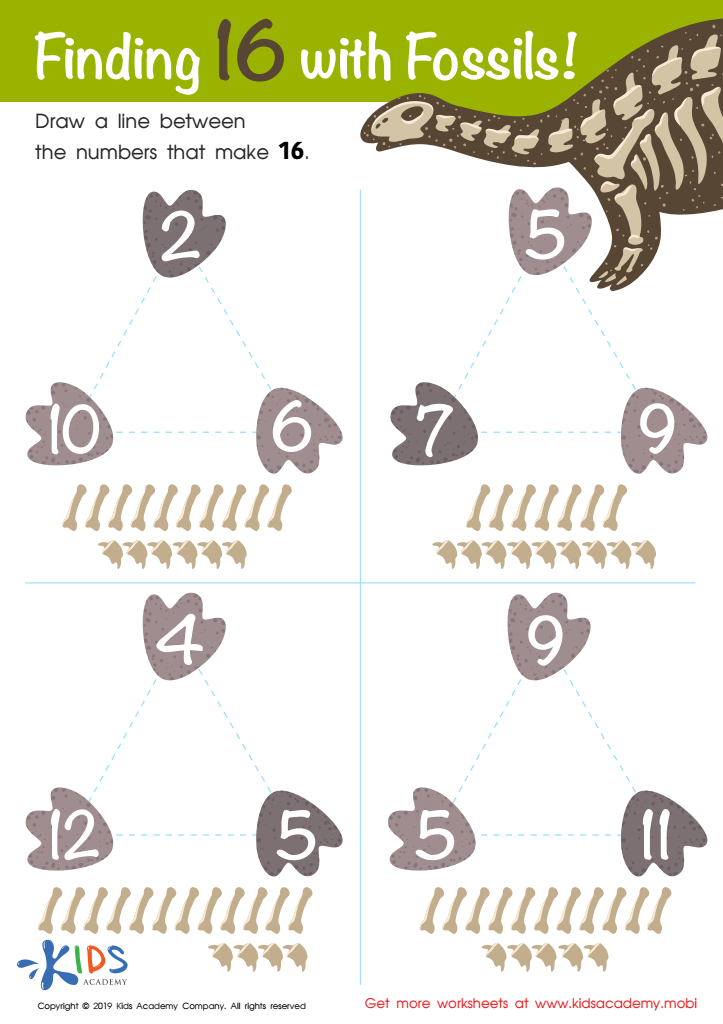
Finding 16 With Fossils Worksheet
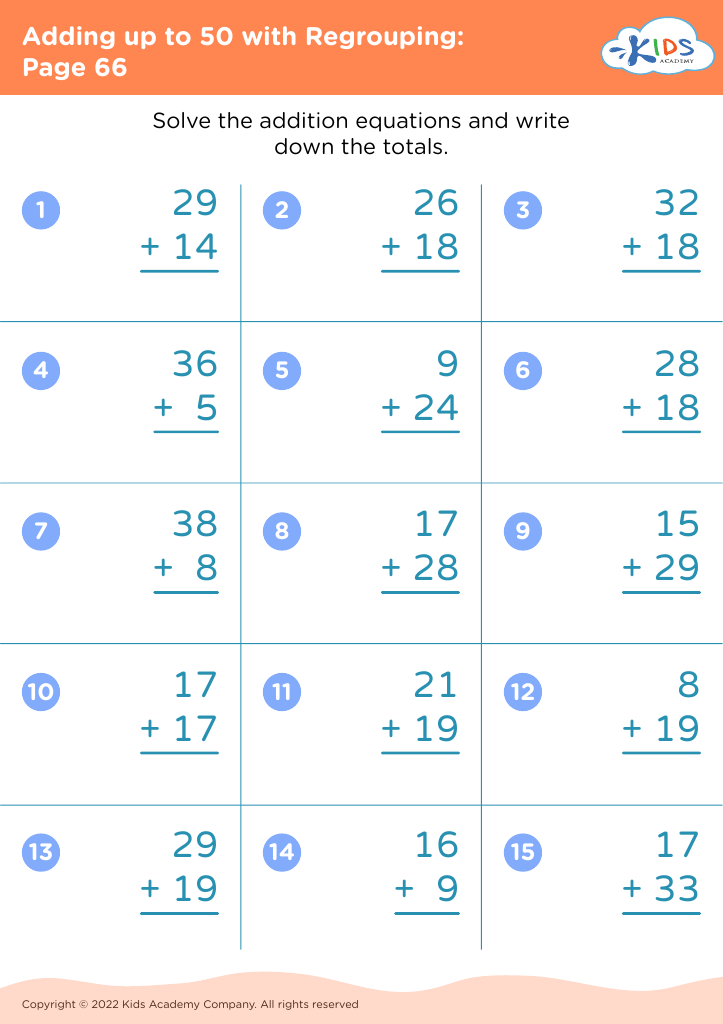








Observation skills in math for children aged 6-7 are essential because they lay the foundation for a lifetime of learning and critical thinking. These skills help young learners become more aware of their surroundings and enable them to approach math problems with confidence and curiosity.
At this age, children are natural explorers and often ask "why" questions about the world. Nurturing their observational skills allows them to see patterns, identify shapes, and understand numbers in a fun and engaging way. For instance, they learn to observe differences and similarities among objects, which assists in sorting and classifying—foundational skills for more advanced math concepts like algebra and data analysis.
Observation skills also enhance problem-solving abilities. By carefully observing a situation or a math problem, children learn to gather relevant information before jumping to conclusions. This methodical approach helps in critical thinking and logical reasoning, skills essential not just in math, but in everyday decision making.
Parents and teachers who emphasize observational skills encourage children to be more attentive and engaged in their learning process. This proactive attitude towards observation and analysis fosters a positive relationship with math, shifting it from a subject of rote memorization to one of discovery and joy. Ultimately, strong observational skills build a solid groundwork for more complex mathematical thinking and learning in later years.








